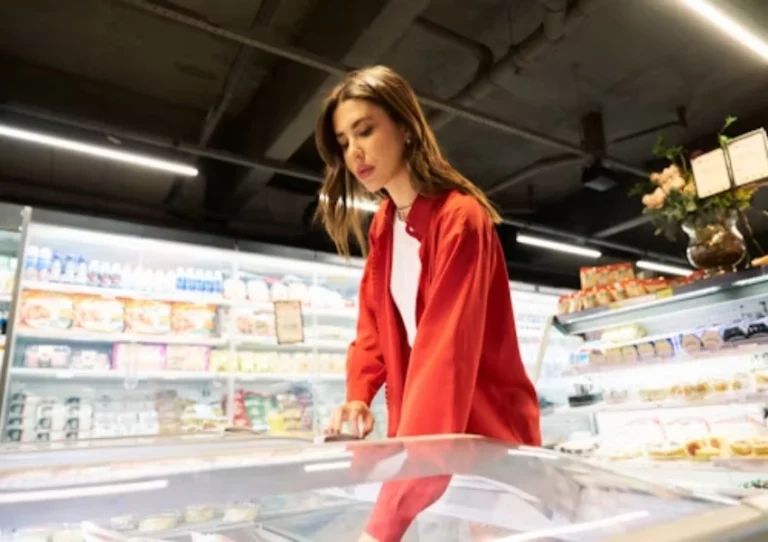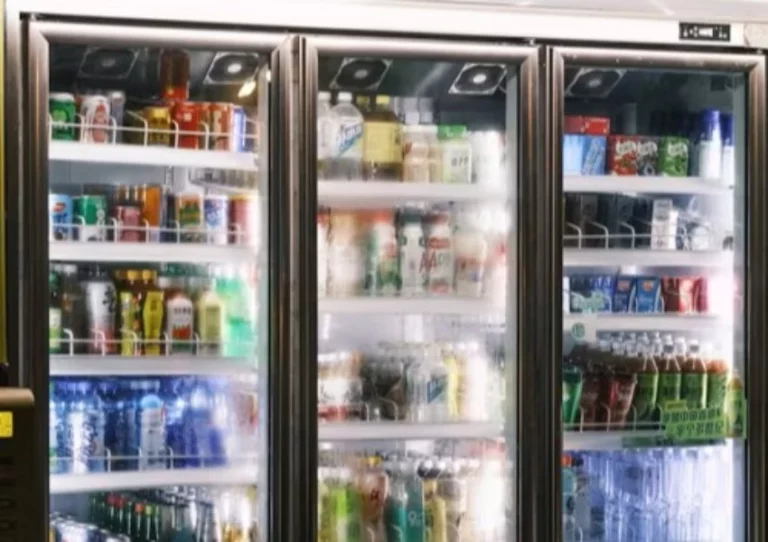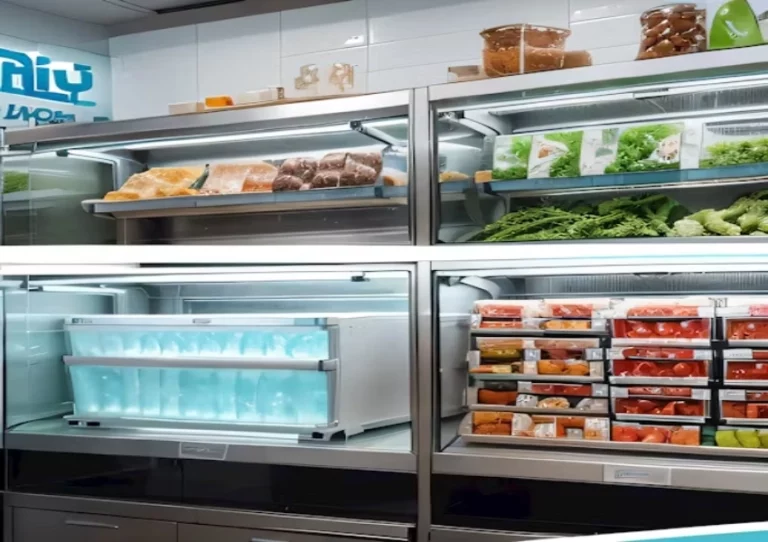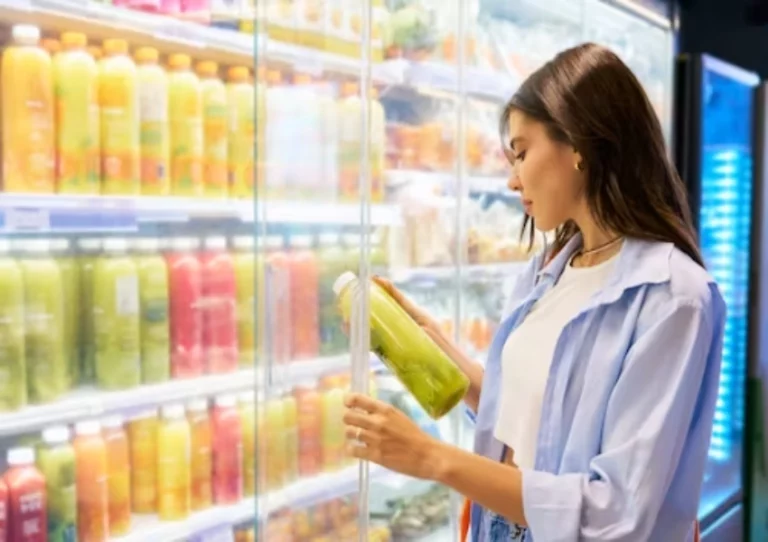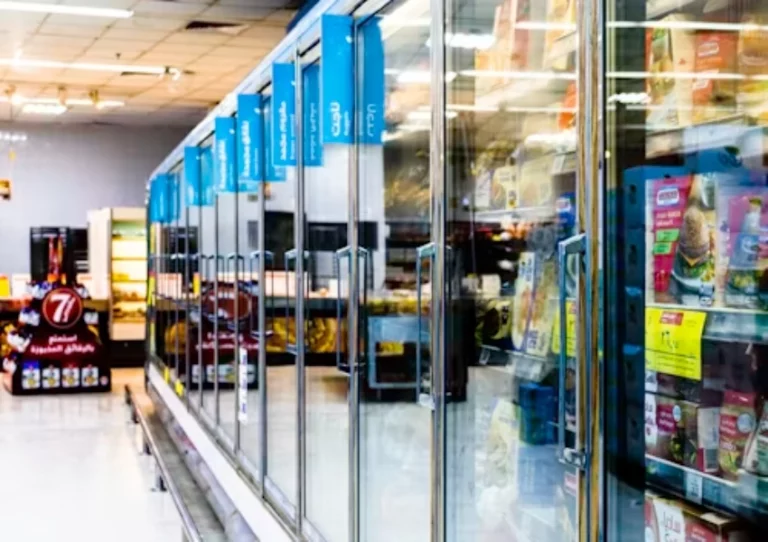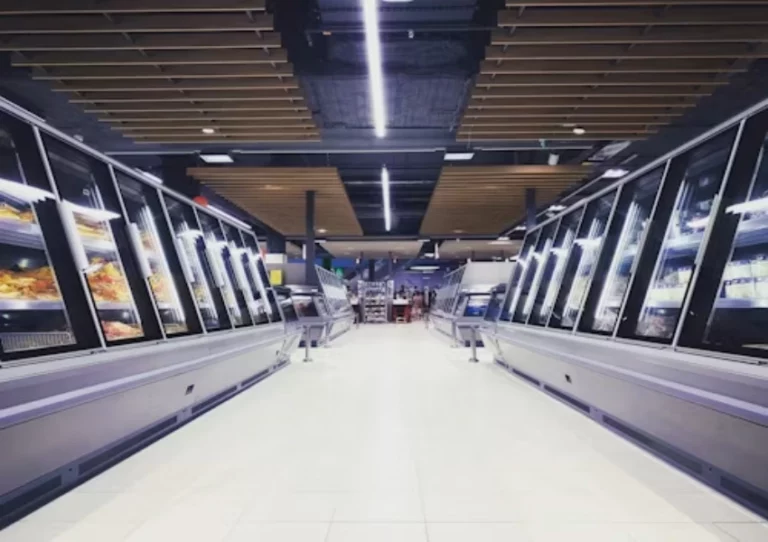

The science behind freezer temperature control comes from microbiology and thermodynamics. Food kept at sub-zero conditions sees microbial growth slow down sharply. This halts spoilage and lengthens shelf life. Enzymes that break down food lose activity at these low temperatures. Oxidation reactions that alter flavor and color also slow when the temperature stays below freezing. A steady freezing environment stops texture changes and nutrient loss, so items such as meat, vegetables, and ice cream keep their original quality for longer periods.
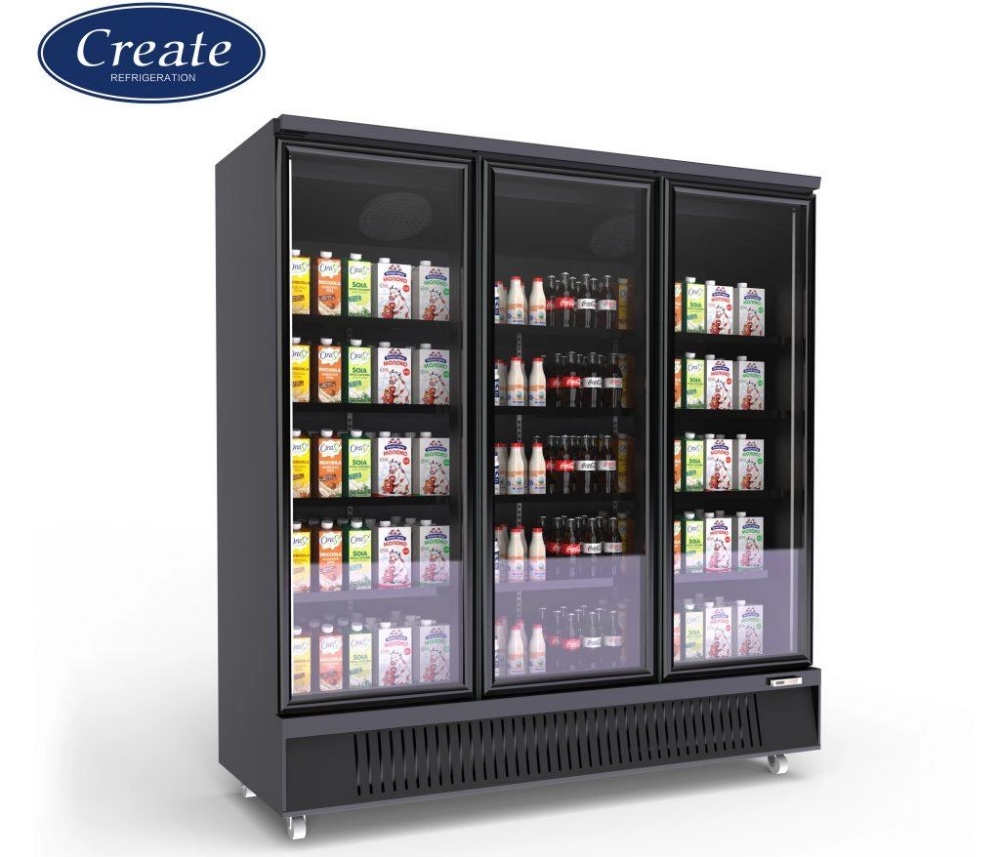
Commercial systems like the Commercial Multiple Upright Glass Door Supermarket Freezer put this idea into practice with microcomputer digital temperature control. The controls manage internal conditions precisely and keep beverages or frozen goods fresh.
Understanding the Science of Freezer Temperature Control
Thermodynamic Principles in Freezer Operation
Thermodynamics explains how heat moves inside a freezer. Heat transfer speed decides how fast food reaches a stable frozen state, which makes insulation quality and compressor performance essential. The unit uses a top-tier brand inverter compressor that the industry recognizes. This choice delivers better energy efficiency and stable performance while cutting electricity bills by up to 50 percent in one year. Compressor cycles control pressure differences to hold low temperatures, and air circulation systems spread cold air evenly through every compartment.
The Supermarket Dairy Fruits Display Showcase Half Multideck Cooler relies on a high-efficiency double-layer air curtain. The curtain delivers uniform cooling and lowers energy use by more than 20 percent. This design shows how advanced thermodynamic engineering keeps refrigeration performance steady across all shelves.
Determining the Optimal Freezer Temperature Range
Recommended Temperature Settings for Long-Term Storage
For long-term food storage, -18°C (0°F) works as the accepted standard. At this setting, enzymatic activity stays minimal, and bacterial growth stops completely. Temperatures lower than this can add storage time but raise energy use at the same rate. Finding the right balance between preservation needs and running costs matters for both home and commercial settings.
Supermarkets and food processing plants often need calibration changes because freezer types and load sizes vary. Units such as the Supermarket Commercial High-end And Luxury Combination Island Cabinet Refrigerator Freezer include automatic defrosting and frequency conversion features that keep internal conditions stable without extra effort.
Factors Influencing Temperature Accuracy
Temperature accuracy depends on several everyday factors. Frequent door openings let warm air enter and cause partial thawing. Overloading blocks airflow and creates uneven cooling. Sensor placement affects thermostat readings and overall stability. Evaporators form the core of every fridge and freezer in modern refrigeration engineering. Regular checks with precision thermometers or digital sensors keep these variables under control.
Impact of Temperature Fluctuations on Food Quality
Effects on Texture, Flavor, and Nutritional Value
Repeated freeze-thaw cycles move moisture inside foods and break cells. This explains why meats and fruits lose texture. Lipid oxidation speeds up when temperatures shift often, which leads to rancid fats and a weaker taste. Vitamin levels also drop under unstable freezing because biochemical reactions restart during partial thawing.
Display units such as the Plug In Supermarket Double Layer Meat Display Chiller Refrigerator use supercooling technology and microcomputer controls. These features maintain accurate temperatures even during busy customer periods.
Ice Crystal Formation Dynamics
Ice crystal size and spread affect food quality directly. Fast freezing produces small crystals that protect cell structure. Slow or uneven freezing creates large crystals that tear tissues and cause drip loss when food thaws. Efficient compressors and good airflow achieve controlled freezing that preserves taste and texture during long storage.
Strategies for Optimizing Freezer Performance in Refrigerators
Calibration and Monitoring Techniques
Good freezer performance needs regular calibration with digital thermometers or data loggers for ongoing tracking. This step matters most in professional cold chain settings that follow strict compliance rules. The company applies thorough quality checks and factory standards that put quality first. Regular defrosting removes frost that blocks heat transfer.
Load Management and Air Circulation Optimization
Proper load management improves airflow inside freezers. Items need space between them so cold air moves freely. Warm products should stay away from sensors because they distort readings and make the compressor work harder. Periodic reorganization keeps cold air distributed evenly. The Supermarket Service Counter Display Cooler uses anti-collision guardrails while keeping an open-airflow design for steady chilling.
Advanced Technologies Enhancing Freezer Efficiency
Smart Refrigeration Systems and IoT Integration
Modern refrigeration adds intelligent monitoring through IoT platforms. Connected devices allow remote adjustments based on real-time sensor data and maintain energy-efficient operation without risking food safety. Predictive tools catch problems early and stop spoilage before it starts. Large retail operations that handle big frozen inventories benefit most from this approach.
Innovations in Insulation and Cooling Mechanisms
Insulation technology matters just as much. Vacuum-insulated panels hold heat better than older materials. Variable-speed compressors change cooling strength according to demand. Phase-change materials absorb extra heat during power outages and keep conditions stable.
Vertical display models such as the Vertical Vitrine Glass Cake Display Cooler use double-glazed panels. The panels reduce heat exchange while keeping products clearly visible.
Best Practices for Long-Term Food Storage Management
Packaging Methods for Extended Preservation
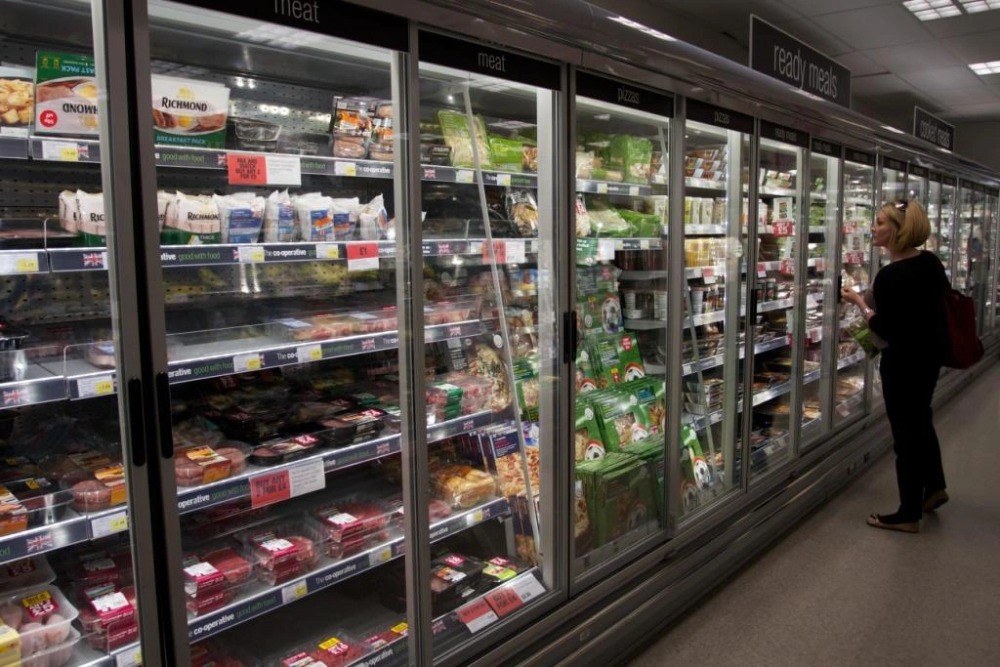
Good packaging limits oxygen contact, which reduces freezer burn, and protects against moisture loss. Vacuum sealing with moisture-resistant materials gives strong protection against temperature swings. Labels with storage dates support FIFO rotation so older stock moves first, and waste stays low. Equipment designs work with many package sizes and suit retail items such as beverages, dairy, seafood, and desserts. All benefit from the stable, low temperatures that advanced systems maintain.
Periodic Maintenance and System Evaluation Procedures
Routine maintenance lengthens equipment life. Checking gaskets stops leaks. Cleaning condenser coils keeps heat removal efficient. Scheduled service confirms that the thermostats and fans stay accurate. Shandong Create Refrigeration Co., Ltd. offers complete purchasing solutions for supermarkets and engineering projects in China. The company combines design, production, R&D, and sales to supply high-performance commercial refrigerators worldwide. Products carry CE, ETL, and ISO certification and use eco-friendly refrigerants such as R290. The focus remains on global cold chain solutions that save energy and protect the environment. These values appear in every product line shown at Create Refrigeration.
Professionals who need custom supermarket setups, from multideck chillers to island freezers, receive free CAD-based 3D layout services. This service lets them see the exact arrangement before installation. Those seeking advanced cold storage options can view the full range at Create Refrigeration’s official website. For custom requirements or technical advice on freezer temperature settings across different climates and loads, contact the team through Contact Us. If you would like to learn more, please read this article.
FAQ
Q1: What is the most effective freezer temperature for long-term meat preservation?
A1: -18°C (0°F) stops microbial activity while protecting texture. Lower settings may add storage time but raise energy costs more than needed.
Q2: How can I minimize temperature fluctuation when loading new items?
A2: Pre-chill products first. Keep door openings short. Spread items evenly and avoid blocking vents so air flows without interruption.
Q3: Why does frost buildup reduce cooling efficiency?
A3: Frost acts as insulation and blocks heat exchange between evaporator coils and moving air. Regular defrost cycles restore normal performance and improve energy use.