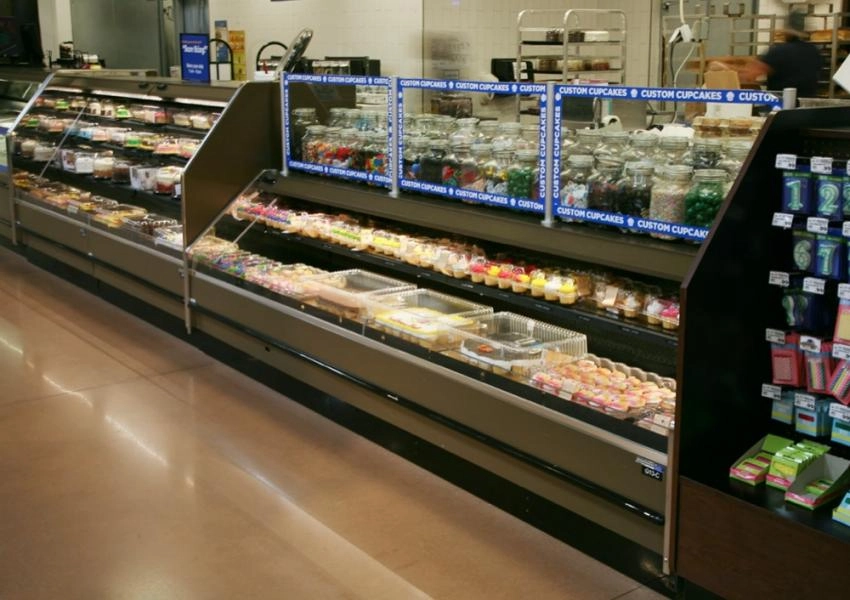
A multideck open chiller looks simple from the aisle. Products sit on several shelves, cold air moves across the front, and customers can pick up milk, yogurt, fruit cups, berries, or leafy greens without opening a door. In daily supermarket work, though, this cabinet is not simple at all. Dairy and produce do not like the same conditions. Milk and yogurt need a colder, steadier display. Leafy greens need cold air too, but they also need moisture protection. Berries can lose quality quickly if airflow is poor. Some tropical fruits should not be placed in a cold display just because there is space left on the shelf. That is why temperature setting alone is not enough. A store has to think about product type, airflow, humidity, shelf loading, room temperature, and how often staff restock during the day. The number on the controller is only one part of the story.
Dairy Needs a Colder, Steadier Cabinet
Dairy products usually need stricter temperature control than many fruits and vegetables. Milk, yogurt, butter, cream, and cheese are often displayed at or below 4°C, depending on local food safety rules and the product supplier’s guidance. The difficult part is not only setting the controller. The cabinet has to hold that condition across different shelf levels. In a busy aisle, warm air from the store keeps disturbing the open front. Customers stand in front of the cabinet. Staff load cartons quickly. Sometimes the upper shelf and lower shelf do not behave the same way.
A supermarket dairy fruits display should not be loaded like a storage rack. If milk cartons or yogurt boxes block the air outlet or return path, cold air cannot move properly. The display may look full, but some products may sit in a warmer area than expected. Store staff should check the real product area with a thermometer, not only the controller screen. If the top shelf is warmer, the answer may not be “set the cabinet colder.” It may be shelf loading, air curtain weakness, fan condition, or cabinet placement.
Produce Cannot Be Treated as One Category
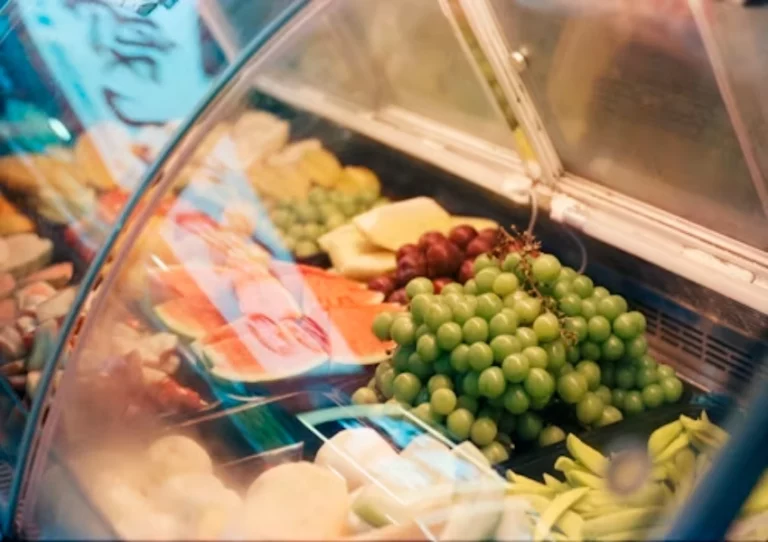
Fresh produce needs more judgment. A commercial vegetable chiller can work well for leafy greens, herbs, some berries, grapes, and other chilled produce, but not every fruit belongs in the same cold environment. Leafy greens often need a low chilling range and enough humidity to avoid wilting. Berries and grapes may benefit from a cooler display, but they still need careful airflow. Too much dry air can hurt appearance. Too much moisture can create condensation or mold risk.
Tropical fruit is a different story. Bananas, for example, should not be handled like milk or leafy greens. Some tropical products can suffer chilling injury at low temperatures. Putting everything into one cold display just because it looks tidy can reduce product quality. This is why the produce display case temperature should be planned around the product mix. If a store wants to place dairy and produce in the same multideck open chiller, the categories should be grouped carefully. Compatible products can share space. Products with different temperature or humidity needs should not be forced together.
Airflow Often Matters More Than People Expect
Open chillers depend on airflow. There is no front door, so the air curtain has to protect the chilled zone from warm-aisle air. When airflow is clean, products stay more stable. When it is blocked, the cabinet works harder, and the temperature becomes uneven. This happens often in real stores. Staff may overfill shelves before peak hours. Promotion signs may sit too close to the outlet. A product box may block the return air path. None of these looks serious at first, but all of them can disturb the cabinet.
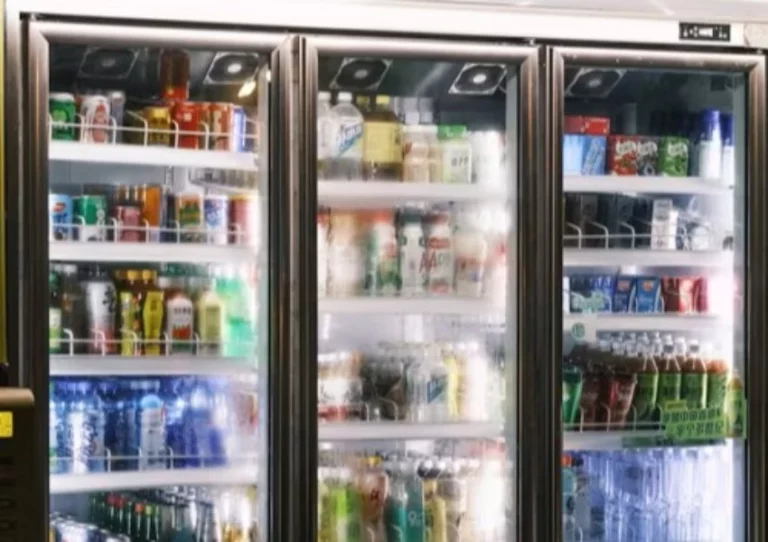
For dairy, poor airflow can create warm spots. For produce, poor airflow can mean drying, wilting, or uneven display quality. A good multideck open chiller should cool evenly without blasting products too aggressively. Buyers should ask about air curtain design, shelf spacing, drainage, fan access, and recommended loading height before ordering. Those details sound small, but they decide how the cabinet performs after installation.
Store Habits Affect Freshness Every Day
Good refrigeration equipment helps, but daily habits still decide a lot. Warm stock should not be placed directly into the display. Products should stay below the loading line. Return air areas should remain open. Condensers, fans, drains, and air ducts need cleaning. If staff use dividers, price boards, or promotional labels, they should not block cold air.
Temperature checks should happen during real business hours, not only before opening. A cabinet may look stable early in the morning and struggle after lunch restocking. If products lose freshness faster than expected, the cause may be airflow or loading, not only the setpoint. Digital temperature controllers are useful, but they do not replace basic checks. A simple thermometer reading from several shelf areas can show problems that the controller display may miss.
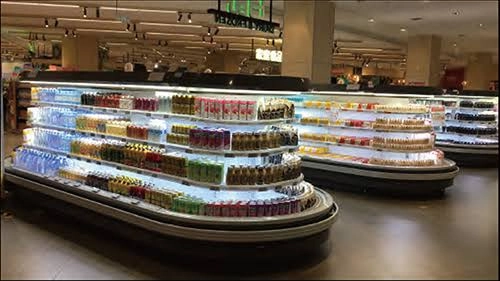
Can Dairy and Produce Share One Display?
They can, but only with care. A supermarket dairy and fruit display works best when the products have similar chilled display needs or when the cabinet allows sensible zoning. Dairy should be placed in the colder, steadier section. Produce should be grouped by its own storage needs. Leafy greens and berries should not be treated the same as tropical fruit.
A mixed cabinet should never be planned only around available space. It should be planned around product behavior. If the store cannot control airflow, humidity, and loading, separating categories may be safer. For many supermarkets, one multideck open chiller can support selected dairy and produce items, but it should not become a random mixed cabinet. The display has to make sense for freshness, not just for appearance.
What Buyers Should Check Before Choosing a Chiller
Before choosing a commercial vegetable chiller or dairy display cabinet, the buyer should look beyond width, price, and appearance. The first question is product use. Will the cabinet hold dairy, leafy greens, berries, beverages, fruit cups, or mixed chilled goods? The second question is the store condition. Is the area hot, humid, near an entrance, or exposed to heavy traffic? The third question is maintenance. Can staff clean the condenser, drains, fans, and air path without difficulty?
Cabinet design also matters. A stable air curtain, proper shelf spacing, low-heat LED lighting, good drainage, and accessible service parts all help with long-term use. The refrigerant configuration, voltage, certification documents, and warranty terms should also be confirmed for the destination market. A good cabinet is not the one that only looks bright in a product photo. It is the one that fits the store’s product mix and daily operation.
How Create Refrigeration Supports Dairy and Produce Display Projects
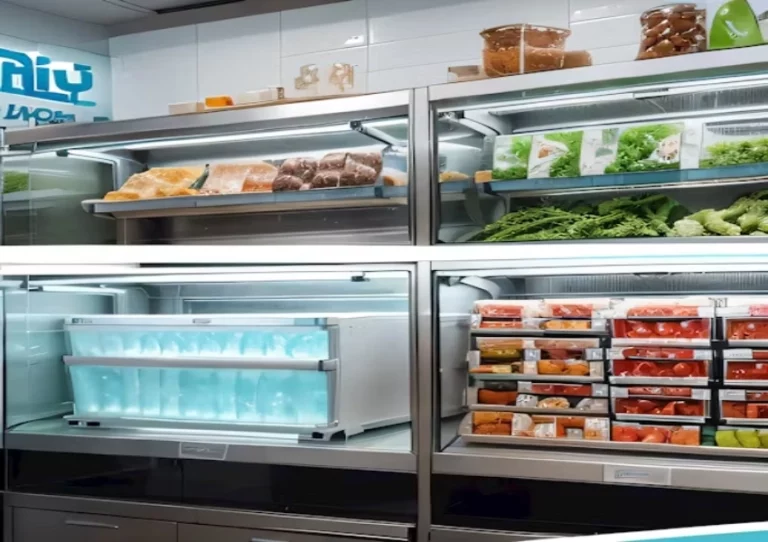
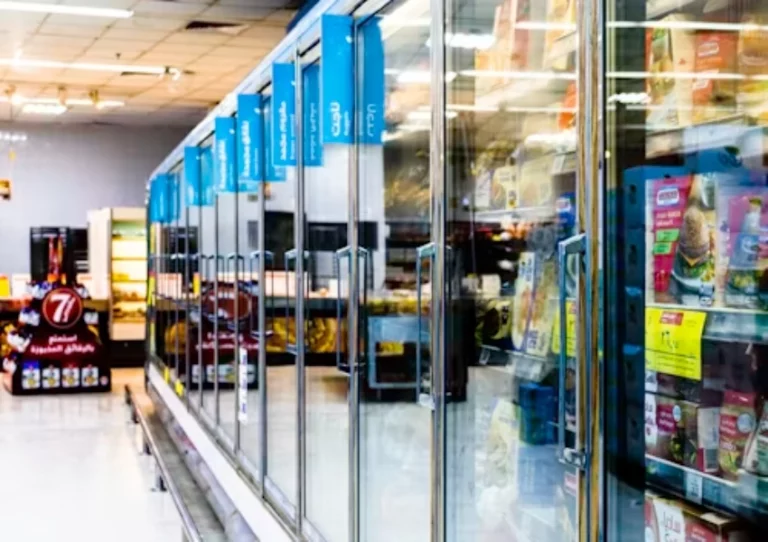
Create Refrigeration provides commercial refrigeration equipment for supermarkets, convenience stores, cafés, and cold chain projects. Its product range includes multideck open chillers, commercial vegetable chiller options, glass door coolers, glass door freezers, island freezers, deli showcases, and customized cold storage solutions. For dairy and produce display projects, Create Refrigeration can support model selection based on store layout, product category, target temperature range, airflow design, voltage, refrigerant configuration, and maintenance access. The company supports OEM/ODM customization, CAD-based supermarket layout design, R290 refrigerant applications, CO₂ solutions, and energy-saving refrigeration materials.
Before ordering, buyers should confirm the required certification, technical documents, refrigerant configuration, warranty terms, and local service requirements. A chiller that fits the real store will usually perform better than one chosen only by size and price. If you would like to learn more, please read this article.
Conclusion
Keeping dairy and produce fresh in a multideck open chiller is not about one perfect temperature setting. Dairy usually needs a colder and steadier display. Produce needs more attention to humidity, airflow, and product type. Some items can share a cabinet. Others should not. The best result comes from matching the chiller to the product, then supporting it with good loading habits, regular cleaning, and real temperature checks across the shelves.
FAQ
Q1: What temperature should dairy products be in a multideck open chiller?
A1: Many dairy products are commonly displayed at or below 4°C, depending on local food safety rules and supplier guidance. Stable airflow and shelf-level temperature checks are just as important as the controller setting.
Q2: What is a suitable produce display case temperature?
A2: The display case temperature depends on the product. Leafy greens often need a low-chilled range with humidity control, while some tropical fruits should avoid low-chilled displays because of chilling injury risk.
Q3: Can one cabinet display dairy and produce together?
A3: Yes, when the products have compatible display needs, or the cabinet supports sensible zoning. Dairy, leafy greens, berries, and tropical fruits should not all be treated as one temperature category.