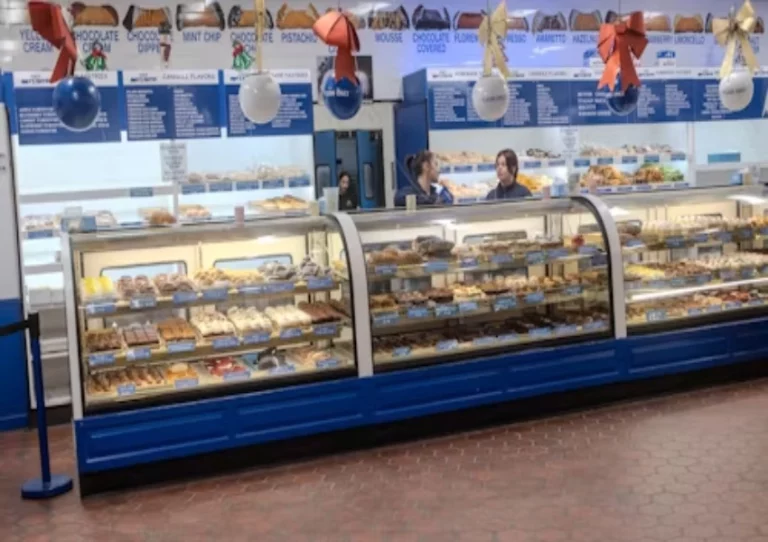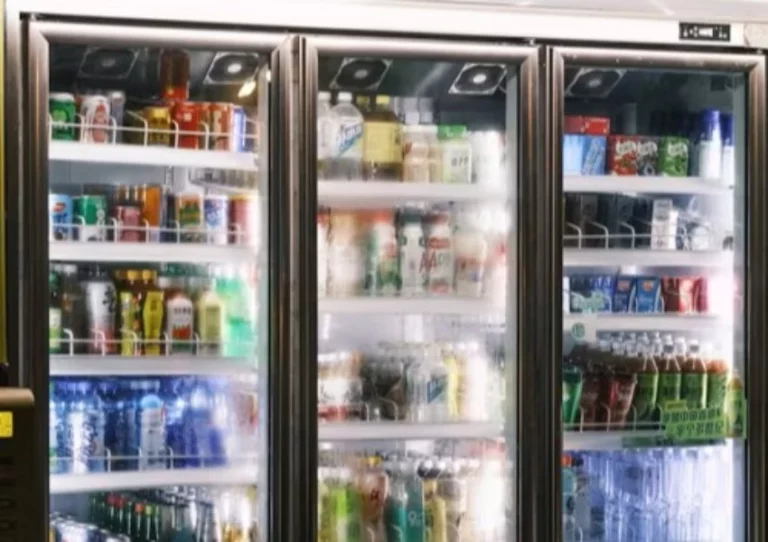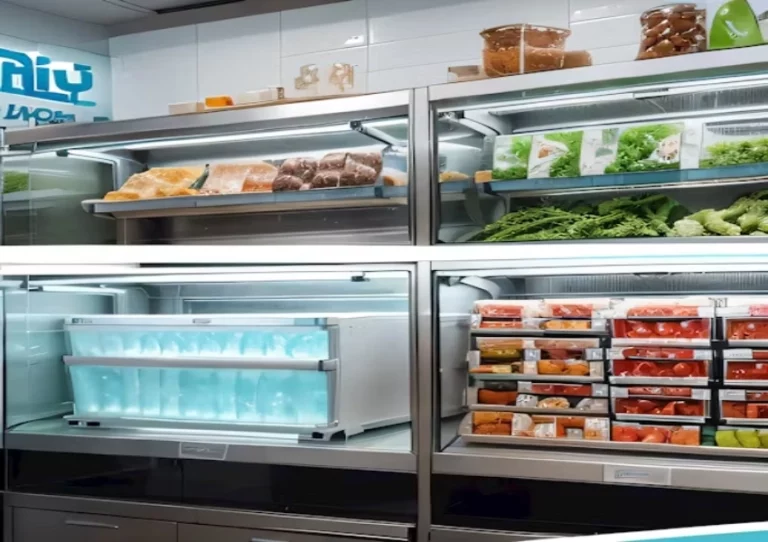
A display cabinet does not always fail suddenly. Most of the time, it complains first. Maybe one shelf is not as cold as the others. Maybe the glass fogs more often. Maybe frost appears in a corner where it should not be. A staff member may notice that drinks, frozen food, or chilled products do not feel quite the same by late afternoon. The cabinet is still running, so the problem gets pushed aside. That is usually how temperature drift begins.
For supermarkets, cafés, convenience stores, and frozen food retailers, unstable cabinet temperature is not just a technical fault. It can affect food quality, product appearance, energy use, and customer confidence. A cabinet may look normal from the aisle, while the refrigeration system is already working harder than it should. This is why commercial refrigeration maintenance should start with small signs. Waiting for a full breakdown is the expensive option.
Start With What Changed Around the Cabinet
When temperature drift appears, many people think about the compressor first. Sometimes they are right. Very often, they are not. Store conditions change all day. Customers open glass doors. Staff restocks quickly. Products get pushed too close to vents. Warm stock may be loaded before it is ready. Dust builds up around the condenser. A door seal becomes stiff after months of use. These are ordinary things, but commercial cabinets are sensitive to them.
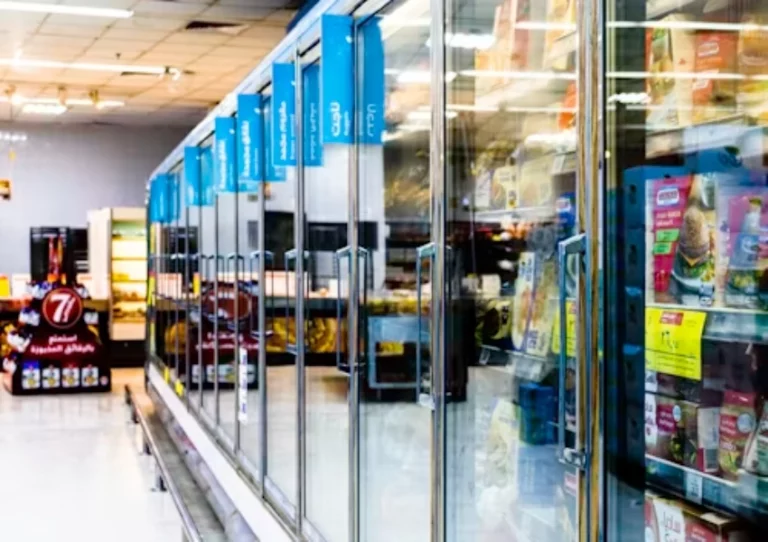
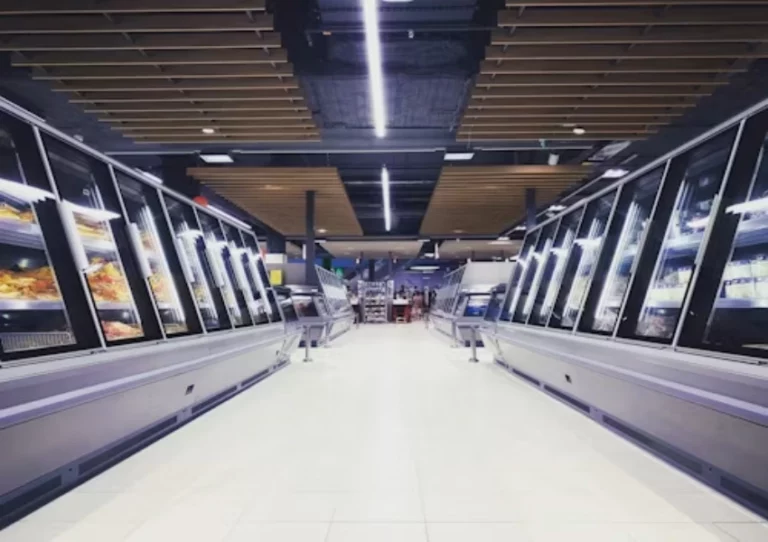
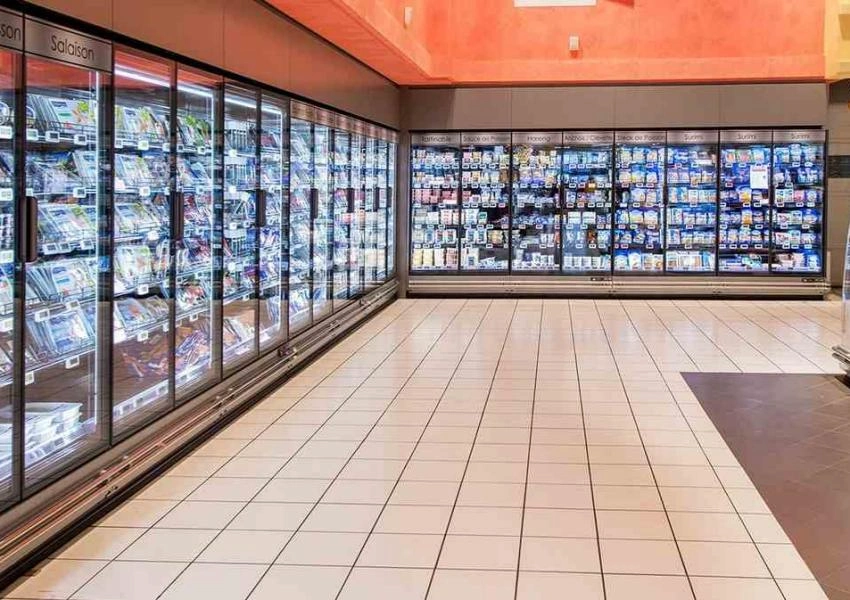
In supermarket refrigeration systems, small daily habits can create a bigger cooling problem. An open multideck chiller may lose stability if the air curtain is blocked. A glass-door freezer may struggle if the gasket no longer seals well. An island freezer may lose cold air if the sliding lid does not sit evenly after restocking.
So the first question should be simple: did anything around the cabinet change? Was a new product arrangement added? Was the cabinet moved closer to an entrance? Did staff start loading more stock into the same shelf space? Is the condenser area harder to clean now because of nearby fixtures? These questions often lead to the real cause faster than guessing at a major mechanical failure.
Airflow Is Often the First Problem
Airflow problems are easy to create and easy to miss. In an open chiller, cold air has to travel through a planned path. If cartons, shelf labels, dividers, or overfilled products block that path, the cabinet will not cool evenly. One shelf may stay cold while another shelf warms up. The controller may still show an acceptable reading, but the product zone may tell a different story.
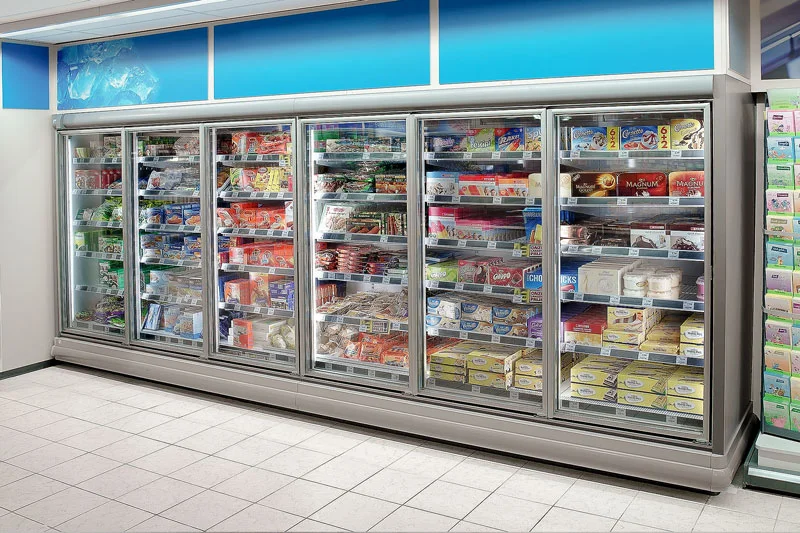
Upright glass door freezers have similar issues. If shelves are packed too tightly, air cannot move around the products. In island freezers, poor loading can create cold pockets and warmer areas. The cabinet looks full, but the cooling pattern becomes uneven. Coils matter too. A dirty condenser makes heat removal harder. A frosted evaporator can weaken air movement inside the cabinet. Drain problems may lead to water or ice where it should not be. None of these issues needs to stop the cabinet immediately. They can slowly create temperature drift over days or weeks. That is why routine cleaning is not just housekeeping. It is part of refrigeration performance.
Door Gaskets Are Small, but They Cause Big Trouble
A worn gasket is one of the simplest problems to overlook. In glass-door cabinets, upright freezers, and island freezers with sliding glass tops, a poor seal lets warm air enter and cold air escape. The compressor then works longer to hold the set temperature. Energy use rises, and the cabinet may still drift during busy periods.
Freezer door gasket repair should not wait until the seal is completely broken. Look for hard rubber, cracks, loose corners, gaps, weak magnetic pull, or condensation around the door frame. If the door needs an extra push to close, the gasket or hinge alignment should be checked.
Sliding lids need attention as well. Dirt in the track, uneven closing, or a damaged sealing edge can create the same problem. In a busy frozen food area, lids may also be left open longer during restocking. A small leak repeated all day becomes a real cooling load. Compared with compressor work, freezer door gasket repair is usually a simpler fix. That is exactly why stores should not delay it.
Do Not Trust One Temperature Reading Too Much
The controller display is useful, but it is not the whole cabinet. A sensor can drift. It can be placed where the temperature is stable, while another product area is warmer. It can also respond slowly if airflow is blocked. If the store only checks the number on the display, the real problem may stay hidden.
A better habit is to check several points: top shelf, lower shelf, center area, and door-side area when possible. If the readings are different, the problem may be airflow, loading, fan performance, sensor placement, or defrost operation.
For repeated temperature drift, qualified service personnel should check refrigerant performance, pressure readings, fan speed, electrical parts, and defrost timing. Guessing wastes time. A step-by-step check is usually faster and cheaper. Commercial refrigeration maintenance works best when simple checks and professional service support each other.
Maintenance Should Follow Real Store Conditions
A cabinet in a dusty, hot, high-traffic store needs more attention than one in a clean backroom area. A frozen food freezer opened hundreds of times per day will not behave like a storage unit used only by staff. That is why fixed maintenance intervals are only a starting point. The actual routine should follow cabinet type, product load, store traffic, ambient temperature, and cleaning conditions.
Staff should keep return air areas clear. Shelves should not be treated as storage space. Condensers should be cleaned before dust becomes thick. Fans should be checked when the cabinet sounds different. Drains should be inspected before water or ice problems appear. Door seals should be checked before they fail completely.
Temperature logs are useful only when someone reviews them. If drift happens every weekend, the issue may be peak traffic or restocking. If it happens after cleaning, a panel or sensor may have been moved. If the same branch keeps reporting similar problems, store layout or ventilation may be involved. Small records can save a chain store from repeating the same repair again and again.
How Create Refrigeration Supports Display-Cabinet Projects
Create Refrigeration provides commercial refrigeration equipment for supermarkets, convenience stores, cafés, and cold chain projects. Its product range includes upright glass door freezers, multideck open chillers, island freezers, display cabinets, and customized cold storage solutions.
For buyers dealing with commercial display cabinet temperature drift, Create Refrigeration can support model selection based on cabinet type, store layout, airflow design, voltage, refrigerant configuration, energy-efficiency goals, and maintenance access. The company supports OEM/ODM customization, CAD-based supermarket layout design, R290 refrigerant applications, CO₂ solutions, and energy-saving refrigeration materials. Before ordering, buyers should confirm certification needs, technical documents, refrigerant configuration, warranty terms, and local service requirements. For project consultation, please contact us.
Conclusion
Many of the faults that begin as temperature drifts start life as small problems. A blocked up airway, dirty coils, poor performance from a fan, worn gaskets, incorrect loading, a faulty sensor, problems with the defrost, or an imbalance of refrigerant can all start to cause problems for display cabinets. However, they don’t necessarily mean that the cabinet will fail immediately. For retailers though, the cost of an early check out is always going to be less than the cost of a call out to repair a failing display. A well functioning display cabinet is largely down to good quality equipment that has been properly installed; correct loading; and regular cleaning and servicing to name but a few things. Essentially, commercial refrigeration maintenance is not just about fixing broken equipment, it is also about to to keep food safe and cut down on waste; and to ensure that supermarket refrigeration systems are working as they should and with as few problems as possible. If you would like to learn more, please read this article.
FAQ
Q1: What causes temperature drift in commercial display cabinets?
A1: Common causes include blocked airflow, dirty coils, damaged door gaskets, poor loading, weak fans, sensor error, defrost problems, and refrigerant imbalance.
Q2: When is a freezer door gasket repair needed?
A2: Freezer door gasket repair is needed when the gasket is cracked, loose, hard, deformed, or no longer seals tightly. Condensation around the door edge or repeated temperature fluctuation can also be warning signs.
Q3: Why does commercial refrigeration maintenance matter?
A3: Commercial refrigeration maintenance helps stores catch small problems before they lead to product loss, higher energy use, or major downtime. It also helps display cabinets hold temperature more reliably during daily operation.