
A certificate list can calm a buyer down for about five minutes. Then the careful questions begin. Which model was tested? Which voltage and refrigerant appear on the file? Does the certificate cover the branded version, or only the factory’s standard unit? Will customs, a local inspector, or a distributor’s service team accept the same document after the order is shipped?
Those questions matter when buying commercial chillers, a supermarket freezer, a vertical freezer, an island freezer or a display chiller from another country. Commercial refrigeration certifications are not decoration for a supplier profile. They shape customs clearance, electrical safety review, refrigerant compliance, insurance conversations, store acceptance, and future service work. For global cold chain compliance, a buyer needs model-level evidence, not just a logo on a brochure.
Start With the Certification Family, Then Narrow It by Market
Different certificates answer different questions. A buyer entering Europe, North America, Australia, Southeast Asia, or the Middle East may need a different package even when the cabinet looks similar. A good manufacturer should be able to explain the purpose of each document and where its limits are.
Electrical and Safety Files
CE, CB, ETL, UL, and IEC documents usually come up early. CE may matter for European buyers. ETL or UL-related expectations can matter for North American retail channels. CB and IEC documents may help when buyers compare test bases across several markets. None of these should be treated as universal permission to import every model. The file still has to match the ordered cabinet.
Energy, Material, and Refrigerant Files
Commercial refrigeration certifications also touch on energy and material rules. GEMS can matter where energy registration is part of market access. RoHS can support restricted-substance discussions. ISO is useful for reading the manufacturer’s management system, but it is not a substitute for product-level testing. Where R290 or CO₂ is involved, the buyer should also ask for the model label, service notes, safety design, and local handling requirements.
Make Sure the File Belongs to the Exact Cabinet
A common sourcing mistake is quiet and simple: the buyer receives a certificate, sees the right general product type, and stops checking. That is not enough. A CE–certified supermarket freezer should be reviewed by model number, rated voltage, frequency, refrigerant, compressor setup, plug type, and intended application. If any of those details change, the buyer should ask whether the file still applies.
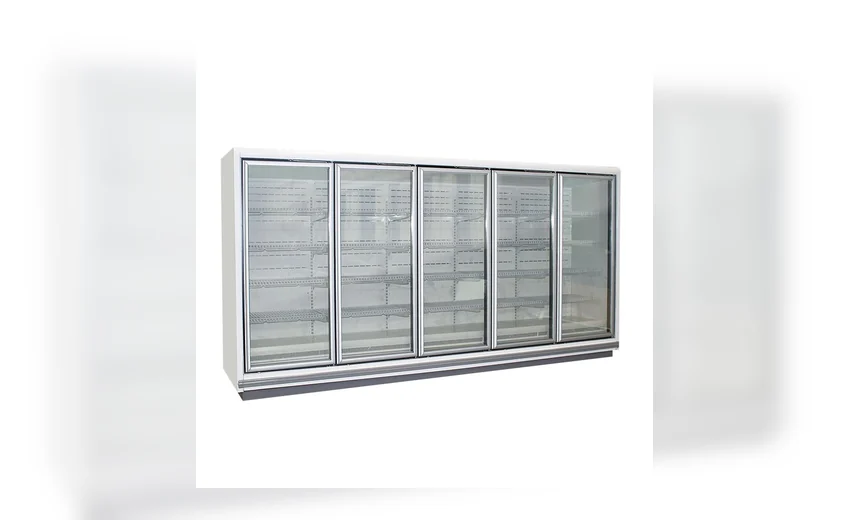
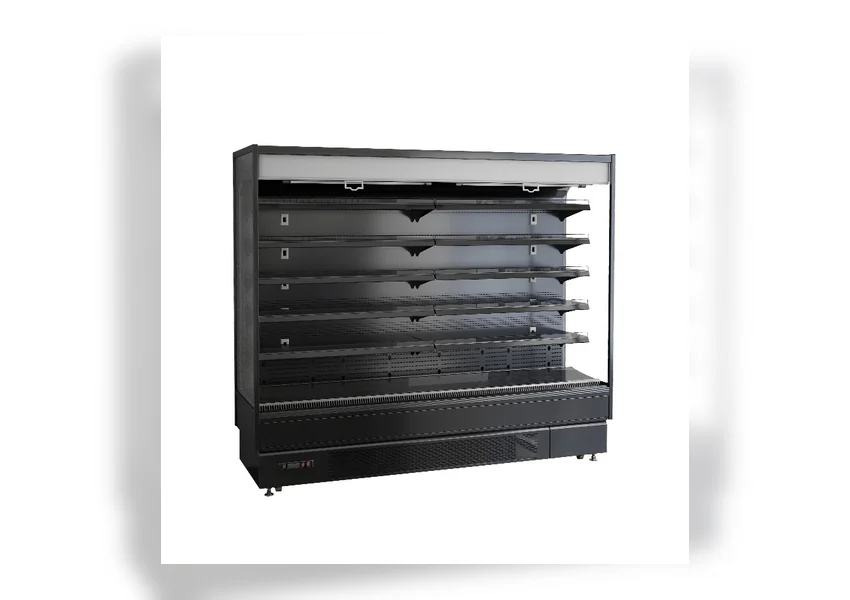
A glass-door freezer, an open multideck case, and a plug-in island cabinet may share a supplier name while using different electrical parts, insulation structures, door systems, and airflow designs. Even small changes can matter. OEM branding, controller changes, lighting changes, or a different plug should be discussed before the purchase order is locked.
A clean document review usually checks:
- Company name and whether it matches the exporting entity.
- Product category, model name, voltage, frequency, refrigerant, and tested configuration.
- Issuing body, report number, issue date, expiration date, and market limitation.
- Whether the final nameplate, carton mark, and manual language match the shipment.
Connect Certificates to Real Store Applications
Compliance does not sit apart from store operation. It changes with how the equipment is used. A beverage cooler in a convenience store has different stress points from a frozen seafood island, a deli meat counter, or a back-room cold storage project. The certificate file is one layer. The buyer still has to judge whether the cabinet can hold temperature, recover after door opening, and be serviced locally.
Open Chillers and Display Cases
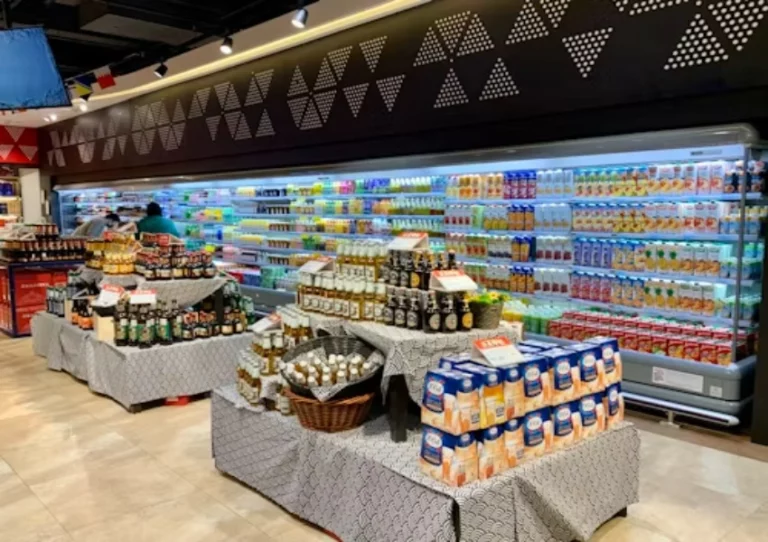
For commercial chillers, ask about airflow, shelf loading, night curtains, LED position, and environmental foaming materials. These details shape energy use and product temperature in daily retail work. A display chiller used for dairy, fruit, beverages, or grab-and-go food needs even cooling across shelves, not just a nice product photo.
Freezers and Frozen Food Areas
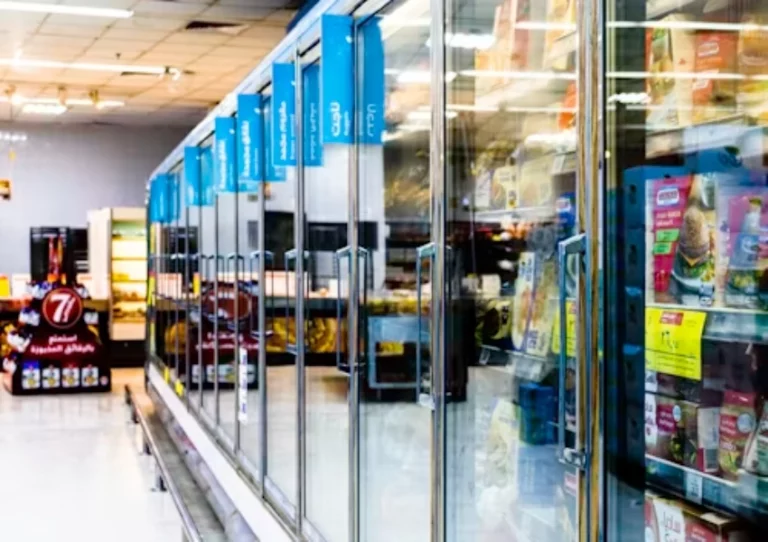
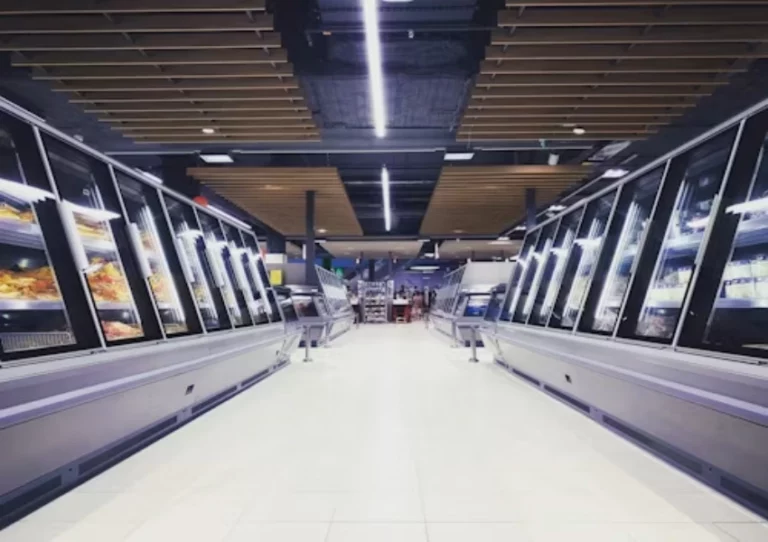
For a supermarket freezer, vertical freezer, or island freezer, certification review should sit beside performance review. Ask how the cabinet handles frozen meat, fish, ice cream, mixed frozen goods, door opening, defrost cycles, and high ambient conditions. Also check plug-in versus remote design, because heat rejection and service space can become real store problems after installation.
Look Beyond Certificates When Judging Supplier Reliability
Buying reliable commercial fridge equipment is partly about paperwork and partly about repeatability. If the supplier changes a compressor, controller, fan motor, refrigerant, glass door, or plug after sampling, the buyer needs to know whether the certificate, price, and delivery date still stand. That kind of answer says a lot about factory control.
Create Refrigeration is located in Xingfu Industrial Park, Binzhou City, Shandong Province. The company supplies commercial supermarket equipment, stainless steel equipment, western kitchen equipment, supermarket shelves, and cold storage projects. It has CE, CB, ETL, ISO, GEMS, RoHS, UL, and IEC among available certification names. Those names should still be checked against the ordered model, but they give buyers a starting point for compliance review.
It has OEM/ODM support, customer logo acceptance, mixed product orders, and MOQ from one piece, one set, or one unit. It also has 220V/50Hz, 220V/60Hz, and 110V/60Hz options. These details are not small extras. They affect labels, manuals, plugs, spare parts, and sometimes the certificate package itself.
Use a Compliance Checklist Before Paying the Deposit
A good checklist should be short enough for the purchasing team to use, but specific enough to stop vague answers. Ask by model, not by product range. For a supermarket project, attach the approved configuration to the purchase order and keep the file with the shipping documents.
- Confirm the destination market and required documents. Do not assume CE, ETL, UL, CB, GEMS, RoHS, ISO, or IEC serves the same purpose everywhere.
- Request model-level certificates for each refrigerator, freezer, display case, and cold storage component.
- Check voltage, frequency, plug type, refrigerant, nameplate, manual language, carton marks, spare parts, and warranty terms.
- Ask whether OEM logos, controller changes, lighting changes, or packaging changes affect the certificate file or lead time.
- Request final inspection photos and nameplate photos before shipment, especially for mixed orders or repeat batches.
Create Refrigeration also offers CAD and 3D store layout support when buyers provide supermarket drawings, plus DDP service when a delivery address is available. It has 30% deposit and 70% balance before delivery by T/T, with FOB, CIF, EXW, DDP, and DDU as delivery terms. The warranty is one year, and bulk orders can include 1% free spare parts. None of this replaces certification review. It does show whether the supplier can support the order after the paperwork is checked. If you are also wondering more, our article answers that.
FAQ
Q1: Is a CE mark enough for buying commercial refrigeration equipment?
A1: No. Buyers should confirm the exact model, rated voltage, refrigerant, report reference, issuing body, and destination-market requirement. One CE document does not automatically cover every cabinet.
Q2: What should buyers ask before ordering a supermarket freezer from overseas?
A2: Ask for model-specific certificates, nameplate details, voltage and frequency, refrigerant information, manual language, carton marks, spare parts, warranty terms, and final inspection photos.
Q3: Can one manufacturer support several refrigeration categories for one project?
A3: Yes, if product range, documents, and service support are consistent. Create Refrigeration covers open chillers, glass-door freezers, island freezers, deli cases, self-service cases, pastry cabinets, and cold storage.