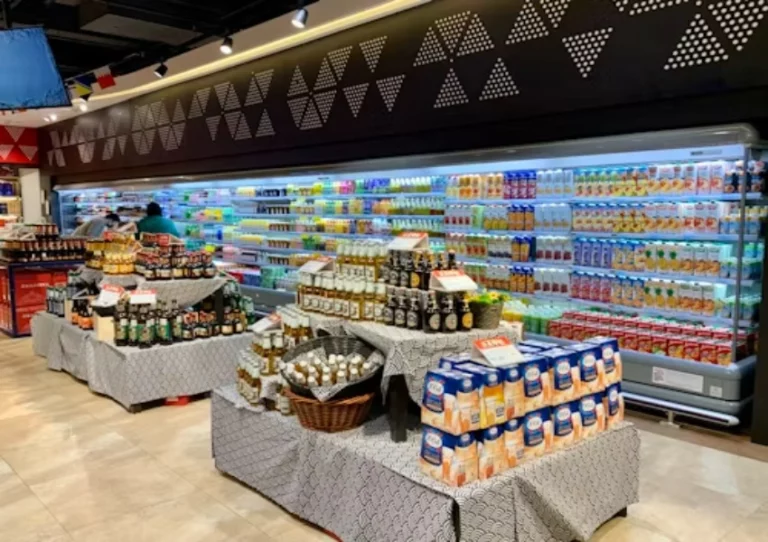

A China sourcing quote for supermarket refrigeration often looks tidy at first: model name, size, voltage, price, loading quantity, and delivery term. Then the real questions start. Can the same cabinet be repeated after the sample order? Will the plug, refrigerant, nameplate, carton mark, and spare parts match the country where the units will be sold? Will the supplier still answer when a door gasket, controller, or fan motor has to be replaced months later?
That is why a buyer’s checklist matters. It keeps the conversation away from a bare unit price and closer to store operation. For a distributor, supermarket chain, or project contractor, a China supermarket refrigeration manufacturer should be checked by product fit, factory control, export paperwork, layout support, and after-sales habits. Sourcing commercial freezers wholesale only works when the commercial refrigerator or commercial freezer can survive the actual store environment.
Begin With the Store, Not the Catalog
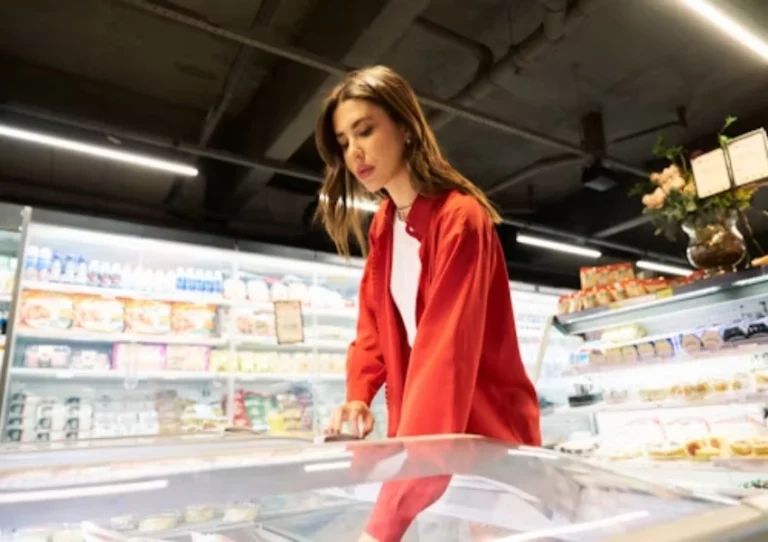
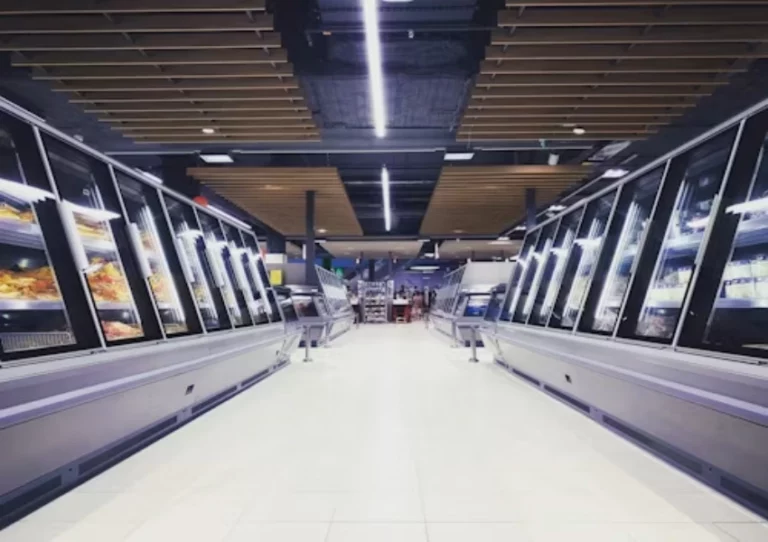
The safer starting point is the store map. A small convenience store may need beverage coolers, a yogurt display, and a few frozen food cabinets. A full supermarket may need open chillers, glass-door freezers, deli counters, island freezers, stainless steel work areas, shelves, and back-of-house cold rooms. These are not interchangeable purchases, even when the quotation uses similar words.
Temperature Zones Decide the First Shortlist
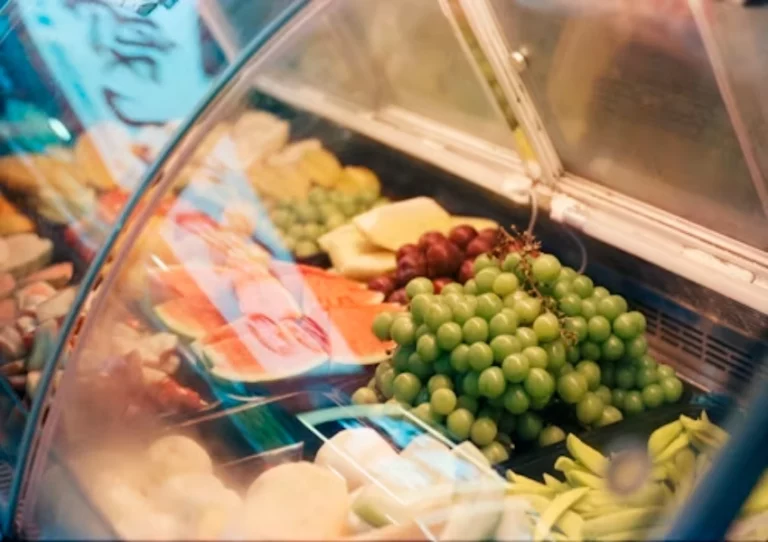
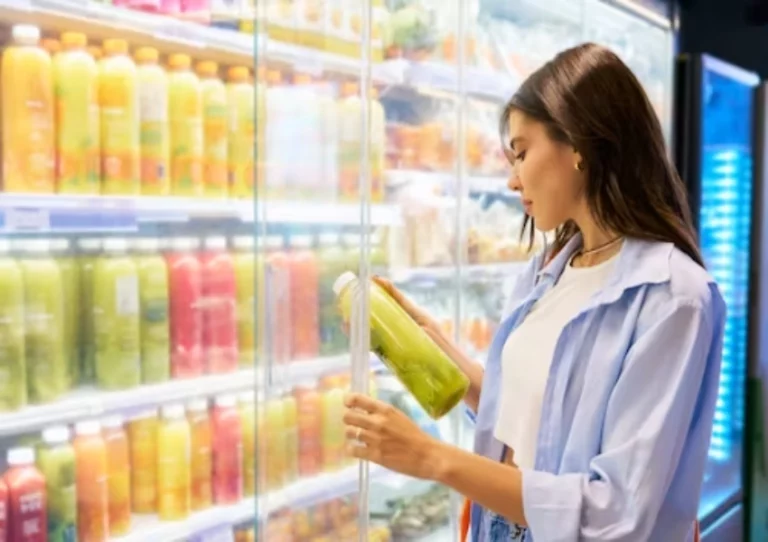
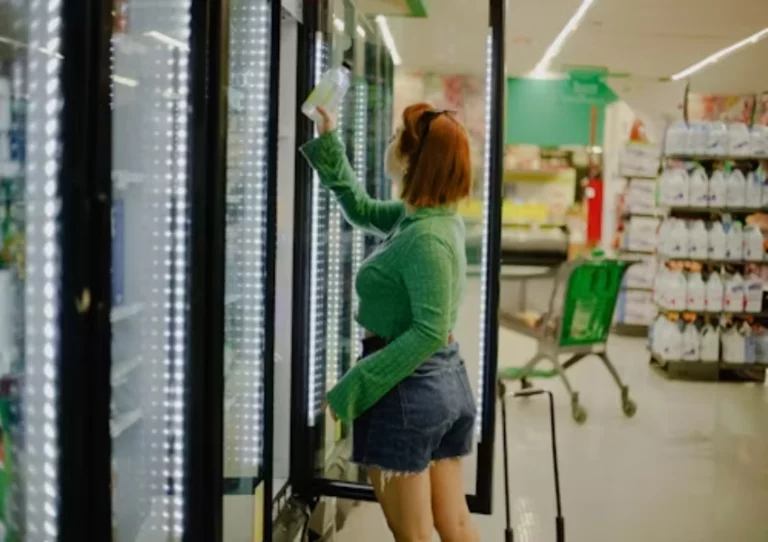
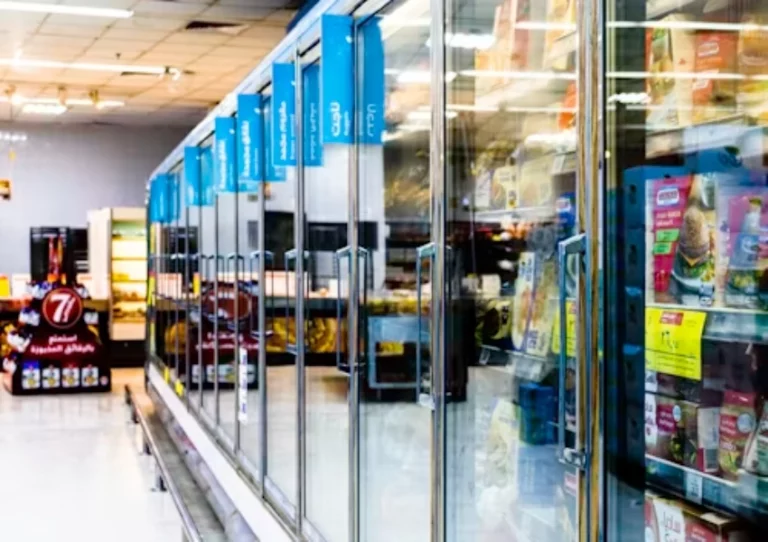
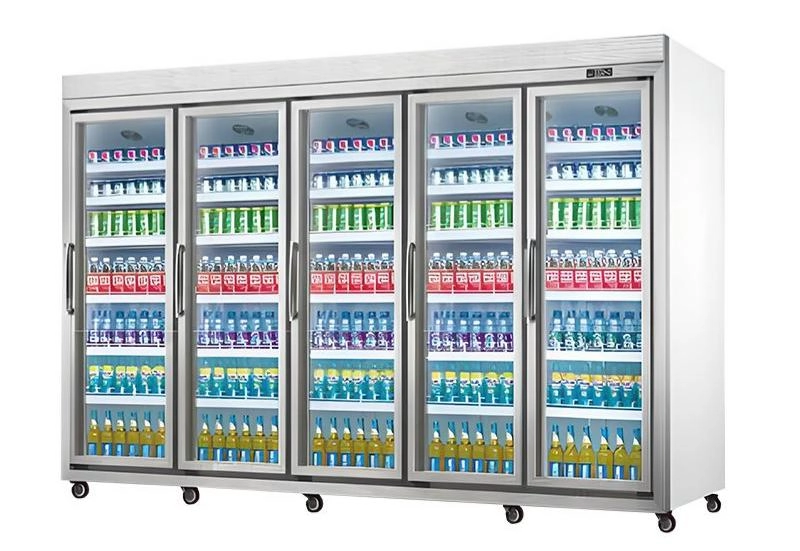
Fresh produce, dairy, meat, frozen seafood, ice cream, bakery products, and ready meals all behave differently inside a store. Open displays need a stable air curtain, proper return air, adjustable shelves, night curtains, and lighting that does not hide product color. Glass-door units need self-closing doors, insulated glass, door-frame lighting, and fast temperature recovery after shoppers open the cabinet repeatedly. A commercial freezer for frozen meat or ice cream needs a tougher discussion around defrost, loading depth, cover design, and low-temperature stability.
A quick buying filter can stay simple:
- For fruit, dairy, and drinks: check airflow, shelf depth, LED position, and night curtain quality.
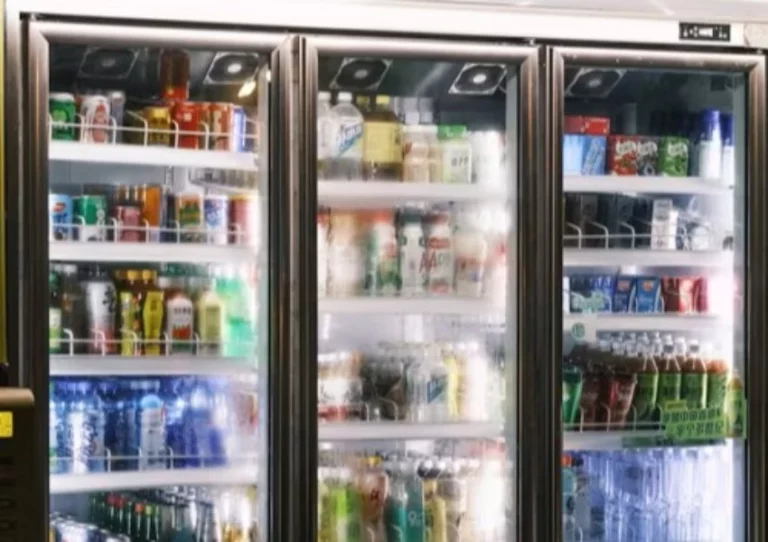
- For beverage retail: check door closing, glass clarity, lighting, and recovery time in high-traffic hours.
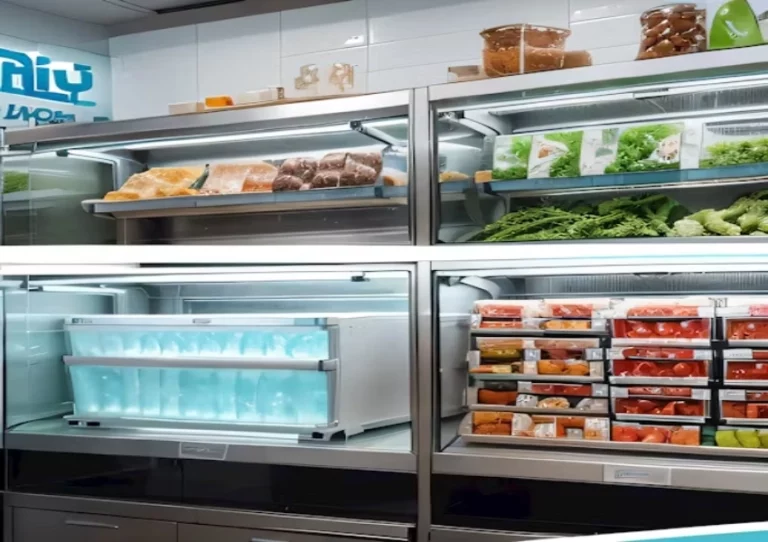
- For frozen food: check defrost, sliding glass, load line, compressor configuration, and power supply.
- For meat or prepared food: check hygiene surfaces, service access, bumper protection, and clerk workflow.
Check Whether the Manufacturer Can Repeat the Same Configuration
A sample that looks good is not enough. The issue is whether the supplier can repeat the same compressor, controller, glass, fan, refrigerant, color, plug, and packing details when the order moves from one test unit to a container shipment. This is where factory discipline shows up. It is also where a low price can become expensive if every reorder needs fresh negotiation.
Create Refrigeration is based in Xingfu Industrial Park, Binzhou City, Shandong Province. Its refrigeration business covers commercial supermarket equipment, stainless steel equipment, western kitchen equipment, supermarket shelves, and cold storage solutions. It has 12 subsidiaries, a 360,000 square meter operating area, more than 500 employees, and overseas warehouses serving North and South America, Southeast Asia, Europe, and other regions.
For project buyers, layout support can also save time. When a supermarket CAD drawing is available, the supplier can prepare 3D store renderings and match refrigeration units to aisles, merchandising zones, and customer flow. That makes commercial fridge factory direct sourcing more practical than choosing random models from a PDF catalog.
Treat Refrigerant, Voltage, and Energy Claims as Order Details
Energy and refrigerant claims should be checked before the deposit, not after production starts. A cabinet may be quoted as R290, energy-saving, or inverter-based, but the buyer still needs to know the exact model, climate class, electrical standard, plug type, and service note. A claim that makes sense in one market may need extra files or labels in another.
Create Refrigeration works with R290, an environmentally friendly refrigerant, in many refrigerator models and also provides CO₂ solutions for suitable projects. It has environmental foaming materials, stable air-curtain systems, and inverter compressor options. Some configurations are positioned as reducing electricity cost by up to 50% in one year.
Before confirming any commercial refrigerator or commercial freezer, ask for these points in writing:
- Refrigerant type, nameplate information, and any destination-market service requirements.
- Voltage and frequency. The supplier lists 220V/50Hz, 220V/60Hz, and 110V/60Hz options.
- Certificate fit. Available names include CE, CB, ETL, ISO, GEMS, RoHS, UL, and IEC, but each file should match the ordered model.
- Plug-in or remote system choice, especially where store air conditioning and service access matter.
Do Not Leave Samples, Packaging, and Spare Parts Until the End
Many procurement problems come from small items that were never written down. A buyer may approve a cabinet but forget the carton language, logo position, plug, instruction sheet, spare part kit, or after-sales contact process. These details are easy to fix before production and painful after a shipment arrives.
The checklist should cover the following:
- MOQ and mixed orders. Create Refrigeration accepts one piece, one set, or one unit as MOQ, which helps buyers test several cabinet types before a larger rollout.
- OEM details. Logo use, printed instructions, carton packaging, and target-language trademarks should be confirmed before artwork approval.
- Payment and delivery terms. The standard payment record is 30% deposit and 70% balance before delivery by T/T. Listed delivery terms include FOB, CIF, EXW, DDP, and DDU.
- Warranty and spares. The warranty is one year. For bulk orders, the company can provide 1% free spare parts with logistics insurance and staff assistance.
- Pre-shipment checks. Ask for photos, nameplate details, packing confirmation, and final inspection records before the balance payment.
Match Product Links to the Store Section
The product mix should follow the store section. Multidecks open chiller units fit fruit, dairy, beverages, and grab-and-go goods, where open access helps sales. Glass door freezer&cooler cabinets make sense when better temperature holding and lower air loss matter. For frozen food, seafood, meat, or ice cream, an island freezer can keep the merchandising zone compact while giving shoppers a wide view of the goods.
Fresh food and prepared-food sections need a different decision. A deli meat showcase gives staff more control over hygiene, service, and display. Larger stores or renovation projects may also need cold storage sized around delivery frequency and back-of-house inventory. In that kind of project, a one-stop cold chain supplier can reduce the risk of mismatched equipment from separate vendors.
The final buying decision should stay practical. Ask which details can be customized, which details affect lead time, and which components will stay the same in repeat batches. A commercial fridge factory-direct order is strongest when those answers are clear before the first deposit is paid. We covered the technical background separately in this text.
FAQ
Q1: What should buyers confirm before choosing a China supermarket refrigeration manufacturer?
A1: Confirm product mix, temperature range, refrigerant, voltage, certificates, spare parts, warranty, packaging, and delivery term. For store projects, ask for layout support and model-specific inspection details.
Q2: Can one supplier cover both supermarket refrigerators and commercial freezers?
A2: Yes, if the product range and service support are broad enough. Create Refrigeration covers open chillers, glass-door units, island freezers, deli cases, self-service cases, pastry cabinets, and cold storage.
Q3: Is factory direct sourcing always cheaper?
A3: Not on the first line of a quote. It becomes more valuable when configuration control, OEM packaging, spare parts, logistics support, and after-sales terms reduce later costs.