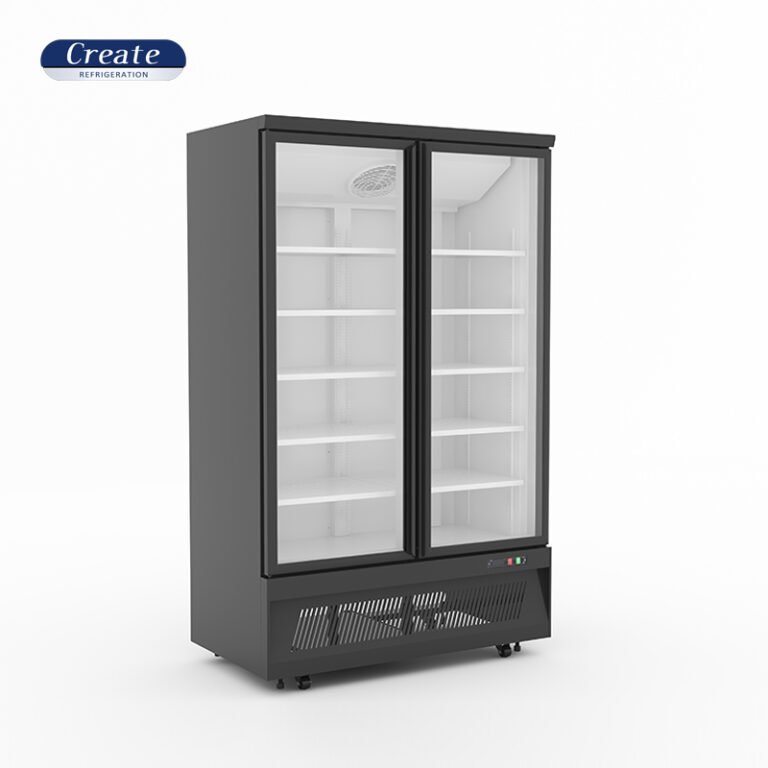
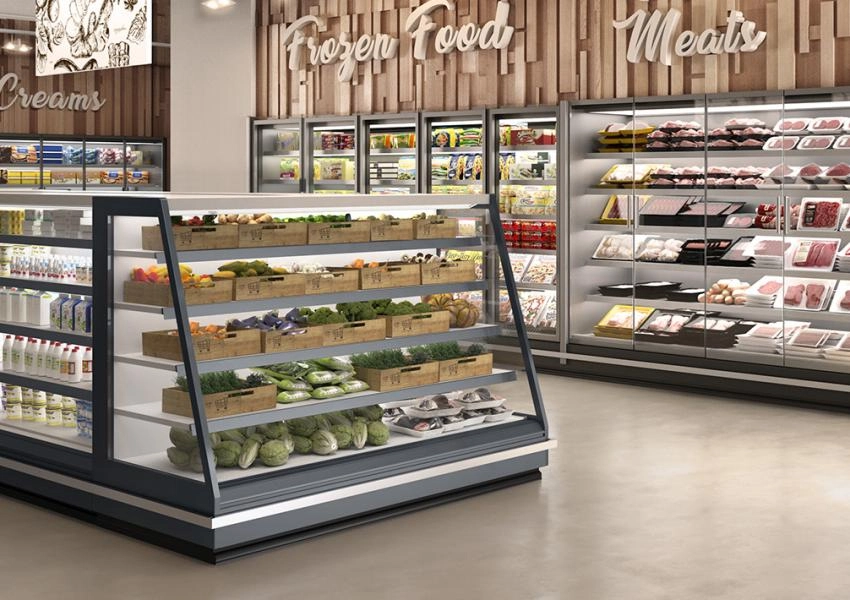
A cheap commercial freezer is easy to approve. The number on the quote looks friendly, the cabinet size seems close enough, and the project budget does not get pushed too far. Then the freezer starts doing its real job. That is when the price tag becomes only part of the story. The cabinet runs through summer afternoons, weekend traffic, restocking hours, dirty condensers, worn door seals, and the usual pressure of food retail. Some freezers handle that quietly for years. Others start asking for money little by little.
A higher electricity bill. A fan that needs replacing. A gasket that no longer seals properly. A freezer that takes too long to recover after loading. Maybe one product loss incident that nobody planned for. That is why commercial freezer life-cycle cost is worth looking at before buying. The cheapest freezer on the purchase order is not always the cheapest freezer to own.
The First Invoice Can Be Misleading.
The purchase price is simple. Life after installation is not. Two freezers may look similar from the outside. Same size, similar lighting, similar glass, similar temperature range on the spec sheet. But inside, the details may be very different. Insulation thickness, compressor quality, airflow design, door hardware, controller accuracy, and service access all change how the cabinet performs after a few months of daily use.
A low-cost freezer may not fail right away. That is why the decision is tricky. It may cool properly during the first test. It may look fine in the store. The trouble often appears later, when the cabinet is opened all day, loaded in a hurry, and cleaned less often than the manual recommends. For a food retailer, that later cost is still part of the purchase.
Energy Cost Is Where Many Cheap Freezers Lose
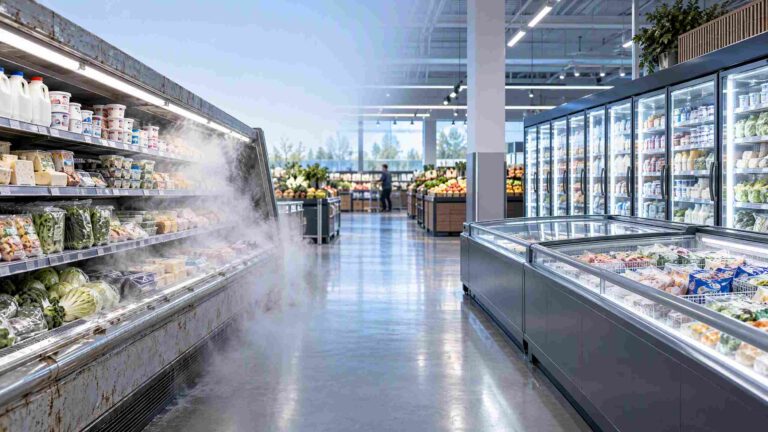
Commercial freezers do not work a few hours a day. They run constantly, and that makes electricity one of the highest long-term costs. A weak cabinet lets heat in. A poor gasket lets cold air out. A dirty condenser makes the compressor work harder. Bad airflow can make one area too cold and another area too warm. From the outside, the freezer still looks like it is doing its job. Inside the store’s accounting, it is quietly using more power than it should.
This is where the lowest wholesale supermarket freezer price can lose its advantage. In suitable operating conditions, inverter compressor design may reduce electricity use by up to 50% compared with older or less efficient systems. But that number should be read with caution. No freezer saves that much in every store. A cabinet near a hot entrance, packed badly, or rarely cleaned will not perform like one installed in a cooler, well-ventilated area. The practical question is simple: how much power does the freezer need to stay cold during real store use?
Repairs Interrupt the Store, Not Just the Budget
The repair cost is not only the technician’s bill. If a freezer stops cooling during business hours, staff have to move products quickly. Ice cream, frozen seafood, meat, and prepared food cannot wait around while the problem is diagnosed. A display may sit empty. Some stock may be lost. Customers may notice.
Then comes the spare part issue. Is the fan easy to replace? Are the gaskets standard? Can a technician reach the condenser without pulling the whole cabinet out of position? Is the controller easy to check? If the answer is no, a small repair can turn into a longer disruption. A high-ROI commercial fridge or freezer is not just more efficient on paper. It should also be easier to service and more predictable in daily operation. That is where better cabinet design often pays back.
Lifespan Is Built Into Small Parts.
A freezer’s life is not decided by one component alone. The compressor matters, of course. But so do the door seals, hinges, insulation, cabinet frame, fan layout, drainage, glass quality, and controller. Small weaknesses become expensive when the freezer is used every day. A loose hinge may let the door close poorly. A weak seal may increase compressor running time. Poor airflow may create frost and uneven temperatures. A badly placed condenser may collect dust faster and become harder to clean.
Early warning signs are usually easy to ignore. A little more noise. A longer cooling cycle. Frost where it should not be. A door that needs a push to close fully. None of these feels urgent at first. Together, they show that the cabinet is starting to cost more.
A better-built freezer gives the store more time before those problems become regular service calls.
Cheap Equipment Becomes Harder to Manage As Stores Grow
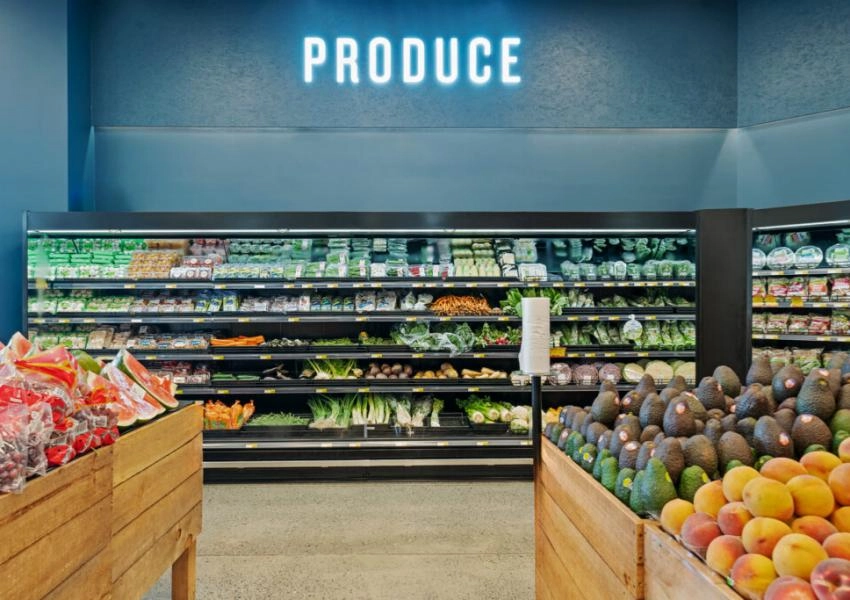
One low-cost freezer may feel manageable. If it uses a little more energy or needs one repair, the owner may accept it. A chain store has a different problem. Ten or twenty inefficient cabinets become a real operating cost. Different spare parts across branches slow down maintenance. Different controllers make training harder. Store managers lose time dealing with faults that could have been avoided with better equipment planning.
This is why life-cycle cost analysis matters more as the business grows. It gives procurement teams a way to compare the real cost of equipment, not only the first price. The goal is not to buy the most expensive freezer. That would be lazy purchasing. The goal is to avoid a cabinet that looks affordable at the beginning but becomes difficult to operate later.
What A Buyer Should Check Before Ordering
Before approving a freezer, look at how it will actually be used. A freezer for frozen seafood faces a different load from a beverage display. A back-room storage cabinet does not work like a glass-door freezer in a busy aisle. A cabinet near an entrance or warm food area will not perform like one in a cooler part of the store.
Check the compressor design, insulation, airflow, door seals, controller, condenser access, and spare part support. Confirm voltage, refrigerant configuration, certificates, warranty terms, and service requirements for the destination market. Also ask a boring but important question: can the staff maintain this cabinet without trouble? If cleaning, inspection, or repair is difficult, the freezer will probably lose efficiency over time. That cost may not show up in the quote, but it will show up later.
How Create Refrigeration Supports Long-term Freezer Projects
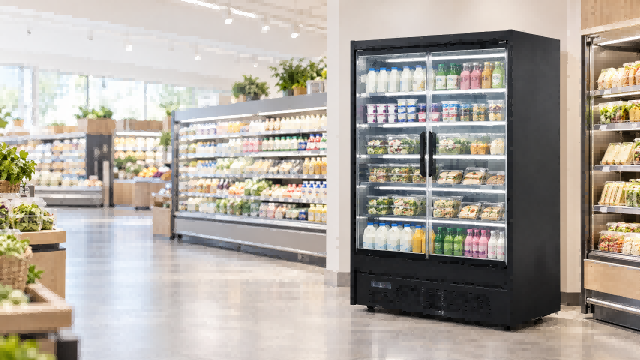
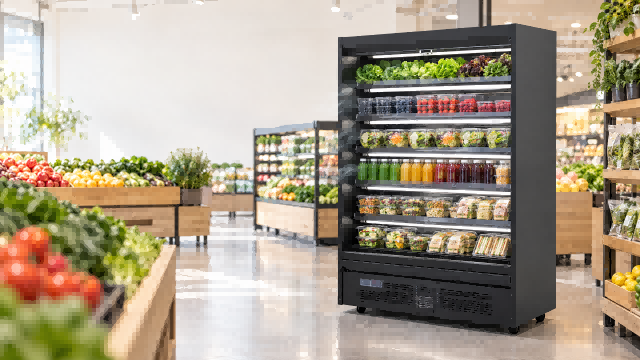
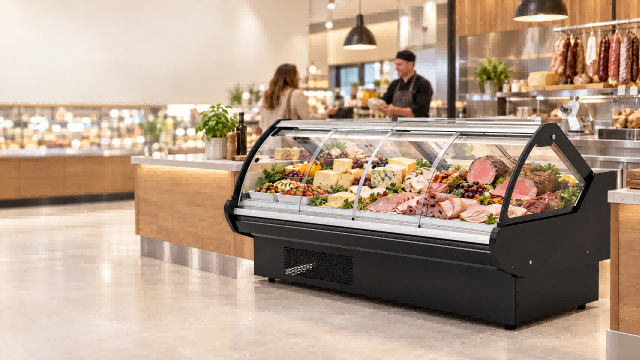
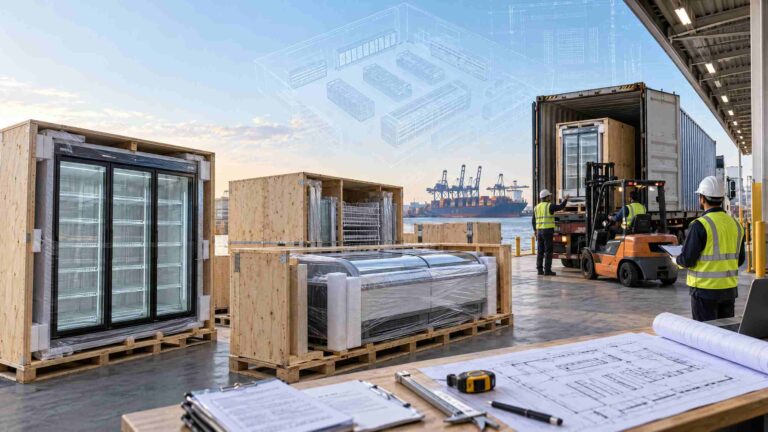
Create Refrigeration provides commercial supermarket refrigerator coolers, glass door freezers, display cabinets, and customized cold storage solutions. For buyers comparing commercial refrigeration life-cycle cost, Create Refrigeration can support model selection based on store layout, product category, voltage, refrigerant configuration, energy-efficiency goals, and maintenance access. The company supports OEM/ODM customization, CAD-based supermarket layout design, R290 refrigerant applications, CO₂ solutions, and energy-saving refrigeration materials.
Before ordering, buyers should confirm certification needs, technical documents, refrigerant configuration, warranty terms, and local service conditions. A freezer that fits the store’s real workload usually brings better value than one selected only because the first price is low.
Final Takeaway
A cheap commercial freezer may lower the first invoice. After that, the real cost depends on energy use, maintenance, spare parts, downtime, product loss, and how long the cabinet stays reliable. Life-cycle cost analysis helps buyers see those hidden costs earlier. For food retailers, the better freezer is the one that keeps products cold, uses power carefully, can be serviced without trouble, and stays reliable through years of daily work. If you would like to learn more, please read this article.
FAQ
Q1: How is life-cycle cost different from a simple price comparison?
A1: Simple price comparison only looks at the purchase price. Life-cycle cost includes installation, electricity use, maintenance, spare parts, downtime, product loss risk, and replacement cost during the freezer’s working life.
Q2: What makes a commercial freezer more cost-effective over time?
A2: Good insulation, efficient compressor design, reliable door seals, stable airflow, easy service access, durable cabinet materials, and available spare parts all help reduce long-term operating costs.
Q3: Why should buyers consider Create Refrigeration for commercial freezer projects?
A3: Create Refrigeration supports commercial refrigeration buyers with product selection, OEM/ODM customization, CAD-based supermarket layout design, R290 and CO₂ refrigeration options, and equipment for supermarkets, convenience stores, cafés, and cold chain projects.