
Temperature control usually has the faster effect on daily energy use, because every extra degree of cooling changes compressor workload. R-value matters just as much in the long run, because insulation decides how much outside heat enters the cabinet. For commercial refrigeration, the best energy efficiency comes from matching accurate temperature control with strong insulation.
Thermodynamic Principles Governing Freezer Performance
Refrigeration works based on heat moving between two areas: the inside of the freezer and the air outside. When the inside gets much colder than the room, the temperature gap grows. This forces the compressor to run harder to keep things steady. While this uses more power, it is necessary to keep products fresh. Therefore, very low temperatures create a heavy cooling load. This leads to more frequent cycles and higher utility bills.
The insulation system is vital for keeping this process stable. When insulation blocks outside heat effectively, the system reaches a thermal balance. This stops the constant changes that lead to wasted energy or ruined food. Our products use versatile tools like efficient refrigeration systems, stable air curtain systems, environmentally friendly refrigerants, and foaming agents. These features work together to keep energy use low.
Optimal Temperature Ranges for Commercial Refrigeration Systems
Standard rules suggest keeping frozen items at about –18°C. This preserves the feel and nutrition of the food while stopping bacteria from growing. For chilled items, a range between 0°C and 4°C is best. This keeps milk or produce fresh without freezing it. Staying within these limits is vital. If the temperature drifts, you might face higher costs or damaged goods caused by ice buildup or soft spots.
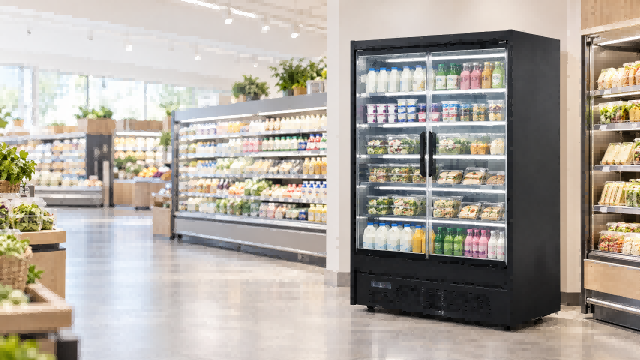
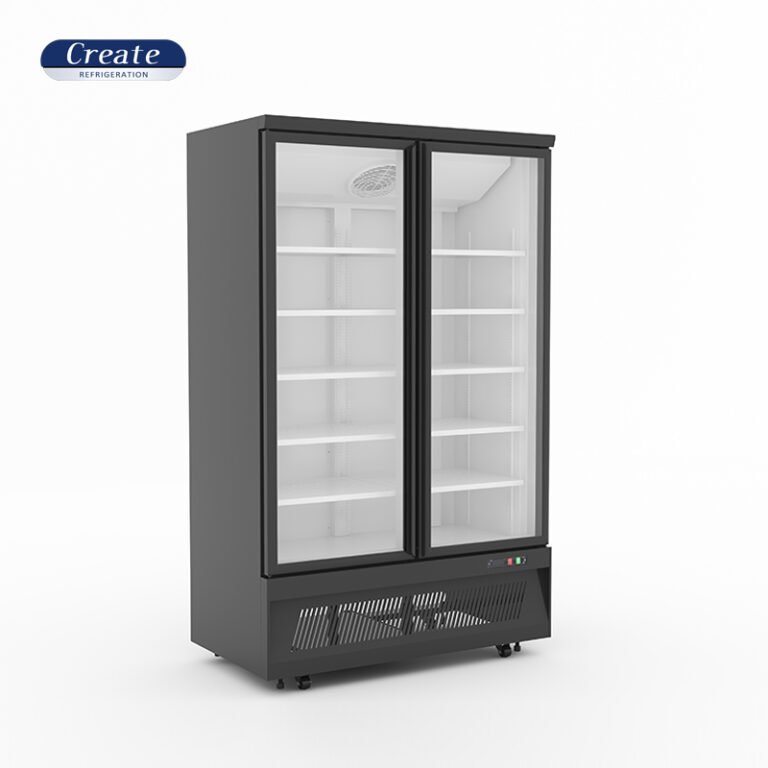
To handle these needs well, we suggest the Commercial Multiple Upright Glass Door Supermarket Freezer. This model uses a microcomputer digital temperature control for very precise settings. It keeps storage conditions steady and can cut electricity bills up to 50% using frequency conversion technology. Units like this show how smart control and thermal logic lead to big savings for businesses.
The Role of Control Systems in Maintaining Consistent Temperatures
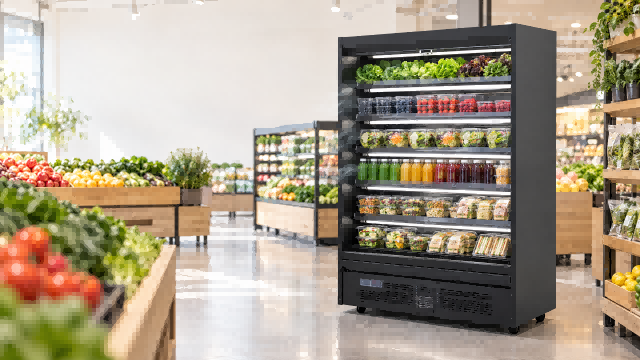
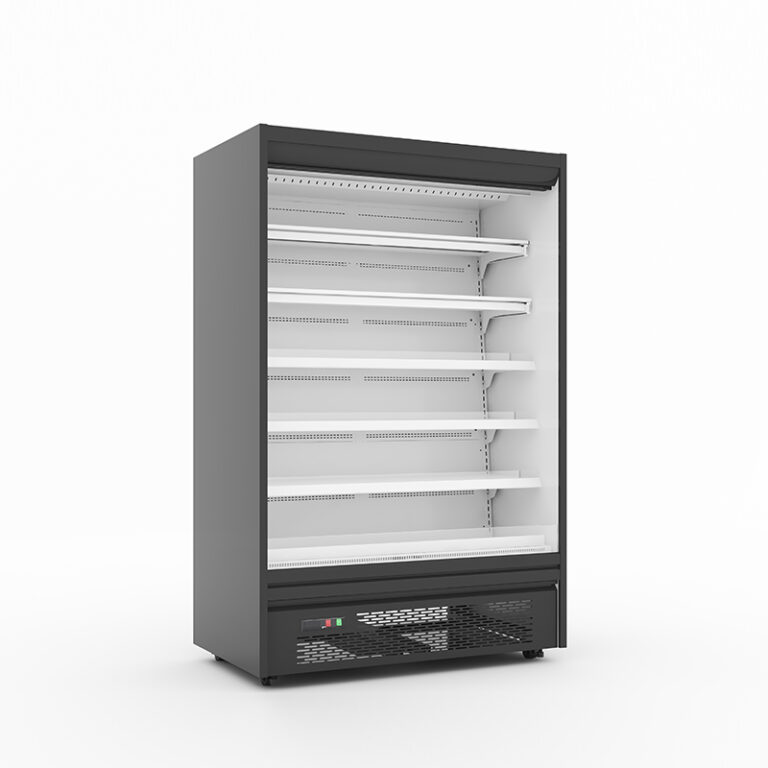
Modern digital controllers use sensors to watch the interior at all times. This ensures the cold air is spread evenly throughout the whole cabinet. Smart programs look at data from changing loads and room conditions. They adjust the compressor cycles to stop the unit from getting too cold or defrosting too often. Our multideck open chillers feature an Elitech thermostat and EBM fans to keep airflow moving smoothly. When linked with building management systems, these tools can even spot potential problems early. This cuts down on repair costs and keeps large refrigeration setups running without breaks.
Understanding the R-Value in Refrigeration Insulation
The R-value measures how well insulation keeps cold air in and blocks warm air out. It gives a number to this thermal resistance. A higher R-value means the material works better, leading to less cold loss during daily use.
Definition and Importance of R-Value in Thermal Resistance
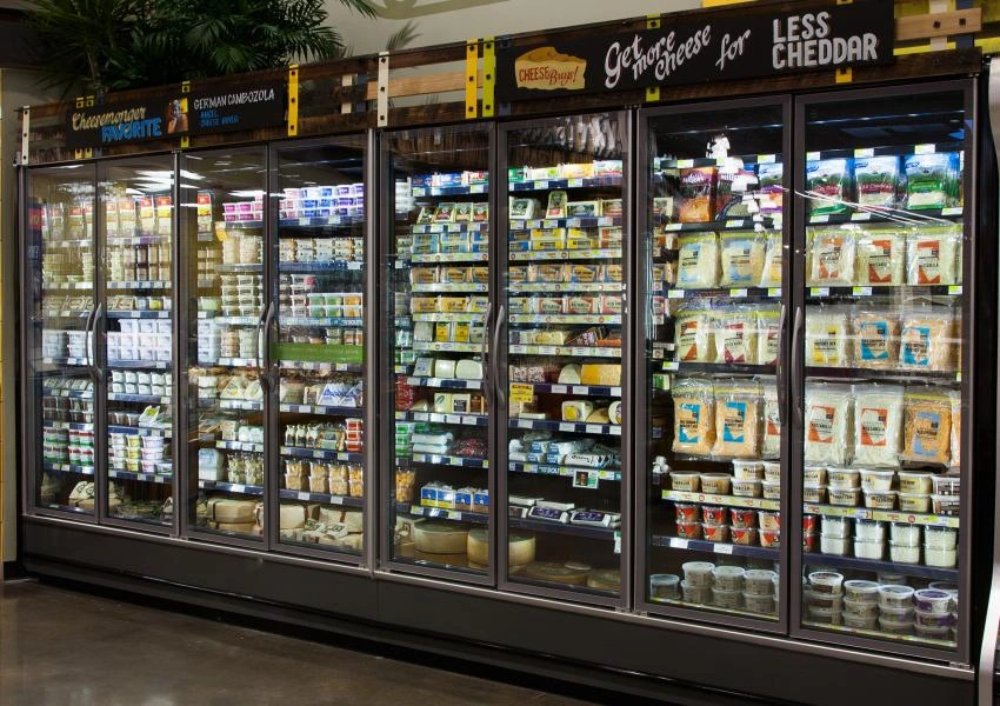
In the world of cooling, the R-value shows how much a material fights heat moving through its body. Panels with a high R-value help the compressor rest more often. They do this by slowing down the heat that tries to leak through walls, doors, and gaps. Better insulation usually reduces heat gain when the cabinet is properly sealed and installed. This number is a key factor when picking materials for walk-in freezers or display units. Better R-values lead to lower power use and help products stay fresh longer.
Factors Influencing R-Value Performance in Freezers and Coolers
Material Composition and Density
Different materials like polyurethane foam, polystyrene, or vacuum panels have different ways of handling heat. Usually, denser materials are stronger and last longer. However, they must be sealed during the build to keep their insulating power. The mix of material type and thickness decides how much energy the unit can save over many years.
Panel Thickness and Construction Quality
Thicker panels offer more resistance to heat, though they might take up a little more floor space. Engineers often use computer models. The way seams are sealed and how joints are shaped also matters. Good vapor barriers stop moisture from getting inside the walls, which prevents the insulation from breaking down over time.
Environmental Conditions and Aging Effects
As equipment gets older, moisture can sometimes get into the foam layers. This lowers the R-value and makes the unit less efficient. Also, the constant cycle of freezing and thawing can weaken the materials. Because of this, regular maintenance is needed to keep the insulation working like new for the life of the machine.
Integrating R-Value Optimization with Temperature Control Strategies
When you pair thick insulation with smart temperature tools, you get the best energy efficiency for any commercial setup.
Modeling Energy Consumption Based on Insulation Properties
Engineers use computer tests to see how a unit will perform in different climates. They look at how insulation levels change energy use. These studies show that even small changes in the panel material can lead to big drops in power bills for large grocery stores.
Selecting Appropriate Insulation for Specific Refrigeration Applications
Walk-In Freezers vs Display Cases
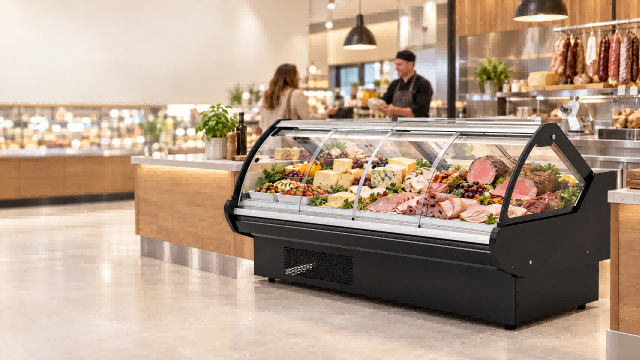
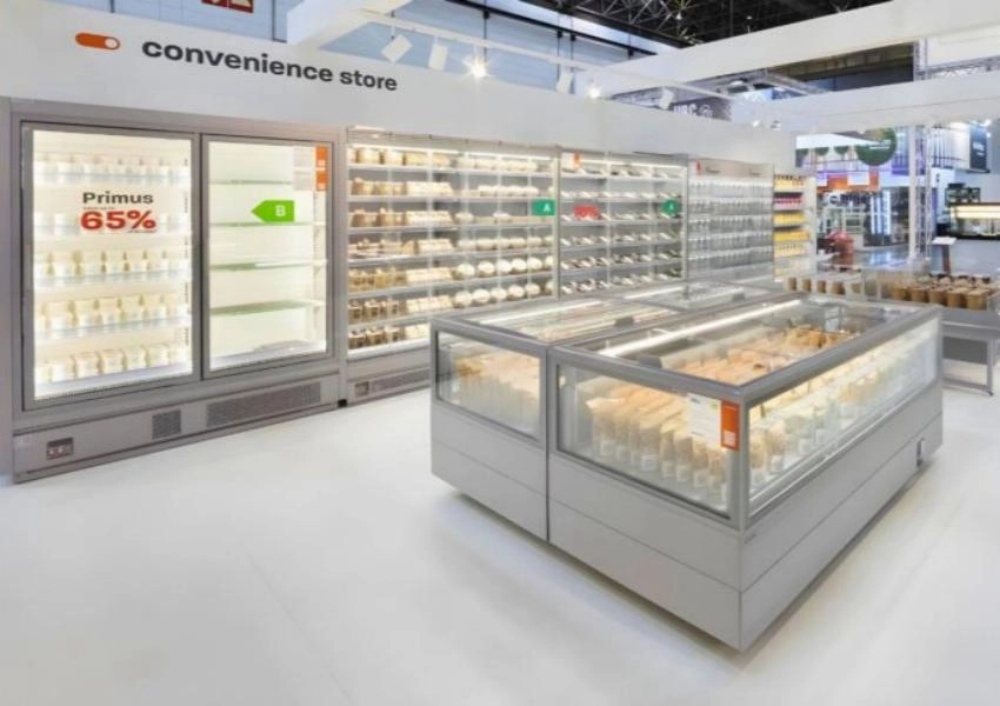
Walk-in units usually focus on very thick panels to hold the cold for a long time. For these, keeping heat out is the top priority. Display cases have to balance being able to see the food with staying cold.
Advanced Technologies Enhancing Refrigeration Efficiency
New tech is changing how freezers stay cold and save energy at the same time.
Smart Monitoring Systems for Temperature and Energy Management
IoT sensors track the heat in different parts of a unit every second. They can find small errors before they become big problems. Smart software looks at this data to find ways to save power. This keeps stores running smoothly and prevents food from spoiling due to unexpected breakdowns. For instance, our Supermarket Dairy Fruits Display Showcase Half Multideck Cooler uses dual air curtains. These keep the cold even and can lower energy use by more than 20%. This shows how good airflow works with digital tracking.
Sustainable Design Considerations in Modern Refrigeration Units
Reducing Carbon Footprint Through Efficient Thermal Management
Better temperature control lowers the demand for electricity. This is directly tied to lower carbon emissions from power plants. This is a big deal as global rules on green energy become stricter for the retail industry.
Introduce Create Refrigeration
Create Refrigeration supplies commercial refrigeration equipment for supermarkets, convenience stores, cafés, and cold chain projects. The company supports OEM/ODM service, CAD layout assistance, R290 refrigerant applications, and energy-saving refrigeration design. For buyers comparing temperature control, insulation, and long-term operating cost, model selection should be matched with store layout, product type, and local climate conditions.
Our team keeps building new solutions that mix thermal science with green materials. We make sure every unit is reliable and helpful for the planet in any retail setting. For more help with custom cold-chain setups or store layout advice, please contact us. If you would like to learn more, please read this article.
FAQ
Q1: How does freezer temperature impact overall energy consumption?
A1: Colder settings make the compressor work harder because the gap between the inside and outside air is wider. Keeping the unit at –18°C is the best way to save food and power.
Q2: Why is R-value critical when selecting commercial refrigeration equipment?
A2: The R-value shows how well the walls block heat. A higher number means the motor runs less often, which lowers your power bills over time.
Q3: What innovations improve modern supermarket refrigeration sustainability?
A3: Using inverter compressors and IoT sensors helps the system run more accurately. Also, using green gases like R290 helps protect the environment while keeping food cold.