
The lifespan of a commercial fridge is mainly affected by five things: build quality, daily operating load, installation environment, maintenance habits, and energy efficiency. When these areas are managed well, a refrigerator can run more steadily, use less power, and reduce unexpected repair costs.
Factors Influencing Fridge Lifespan in Commercial Refrigeration
Material Quality and Manufacturing Standards
The fridge’s lifespan in commercial refrigeration ties directly to materials and manufacturing standards during production. Compressors, coils, and insulation decide how long a system runs efficiently before issues arise. After years of development, our factory has grown larger. Products have improved. Market reach has expanded. Customer numbers keep rising. Brand recognition has grown stronger. This steady growth shows ongoing upgrades in manufacturing standards that deliver reliable performance during heavy daily use.
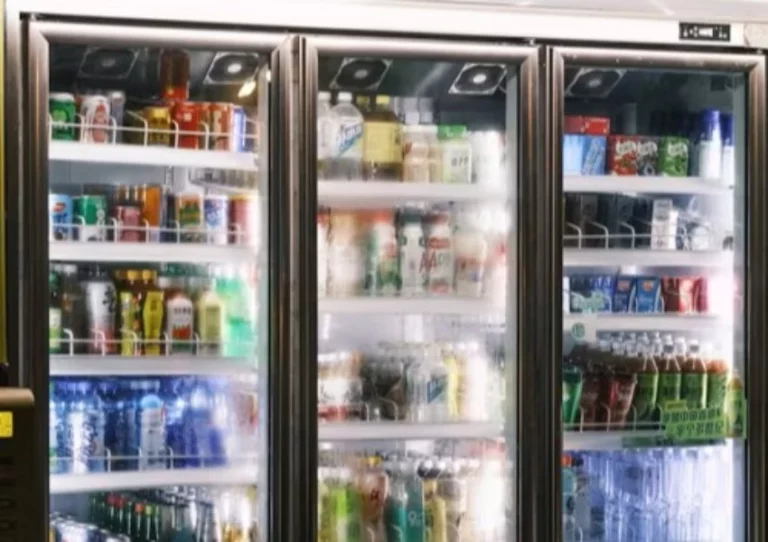
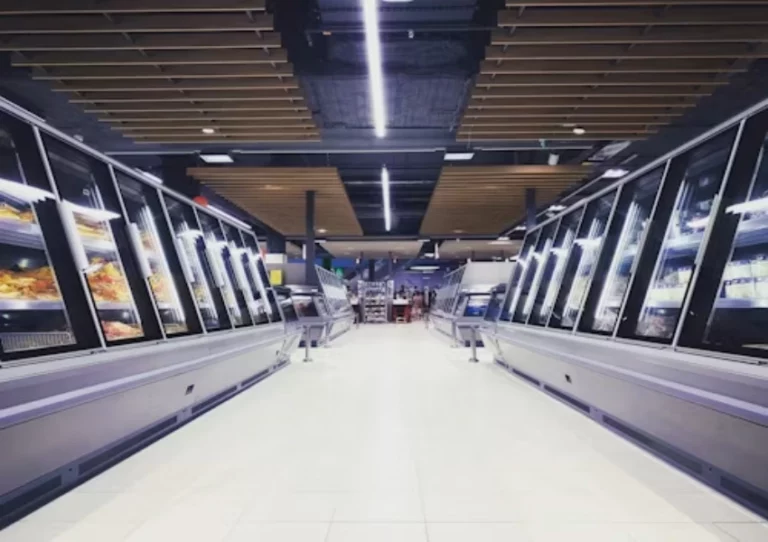
High-grade stainless steel is resistant to corrosion and wear. This makes units suitable for spaces with high humidity or shifting temperatures. For example, the Commercial Multiple Upright Glass Door Supermarket Freezer relies on coated steel panels and C5H10 insulation material. These choices keep the structure solid and limit heat transfer. Advanced manufacturing steps, such as one-piece foaming, create even insulation and fewer weak spots. These methods lengthen service life by lowering compressor strain and holding steady freezer temperature over long periods.
Operational Load and Usage Patterns
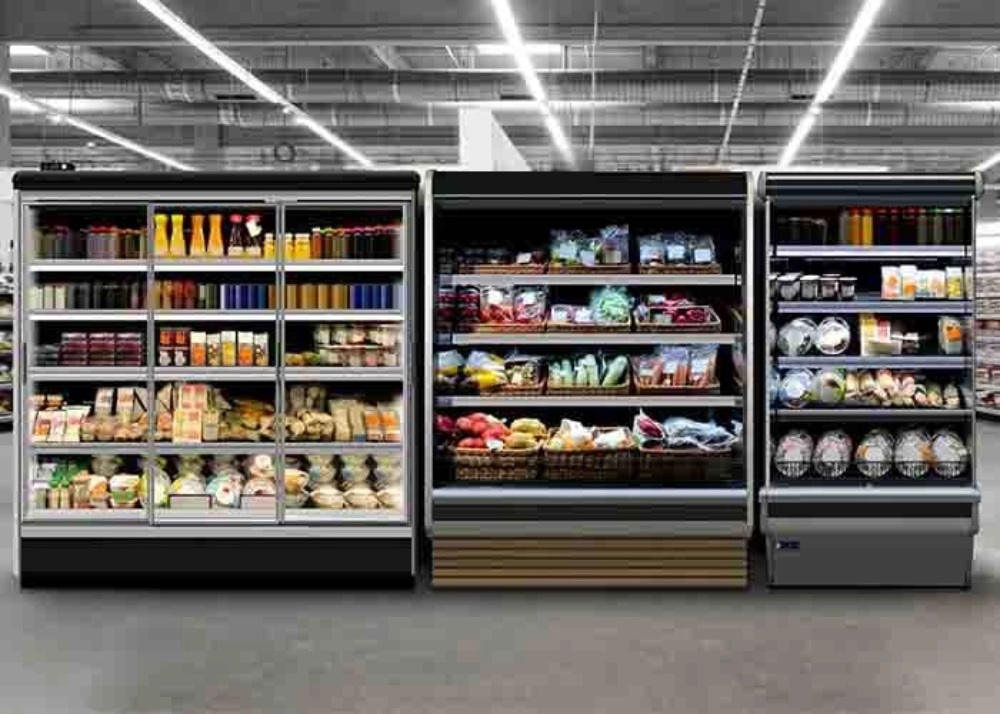
Operational load measures daily stress on a refrigeration unit. Frequent door openings raise compressor cycles. Overloading compartments blocks airflow and creates uneven cooling that wears parts faster. Our Half Multideck Cabinet and Semi Multideck Showcase manages airflow well through its double-layer air curtain design. This setup speeds cooling and keeps cabinet temperature even during busy customer periods. Proper loading habits, such as spacing items apart, letting air move freely, and extending component life.
Environmental Conditions and Installation Setup
Ambient temperature changes affect compressor workload. Poor airflow around the condenser causes overheating. This lowers efficiency and speeds wear. Correct installation limits vibration that can fatigue parts over time. Ingenious manufacturing and standardized production ease installation, maintenance, and daily use for customers.
The Relationship Between Fridge Lifespan and Energy Efficiency
How Aging Components Affect Energy Consumption
As parts age, seals lose flexibility and allow cold air to escape. Compressors then run longer cycles. Lower refrigerant levels cut cooling power and raise running costs. Compressor wear also increases power draw and pushes up energy bills. By using top-tier brand inverter compressors, we make products more energy efficient and stable. Users can save up to 50% on electricity bills within one year. This approach improves efficiency and lengthens fridge lifespan by easing mechanical stress during runs.
Monitoring Freezer Temperature for Performance Optimization
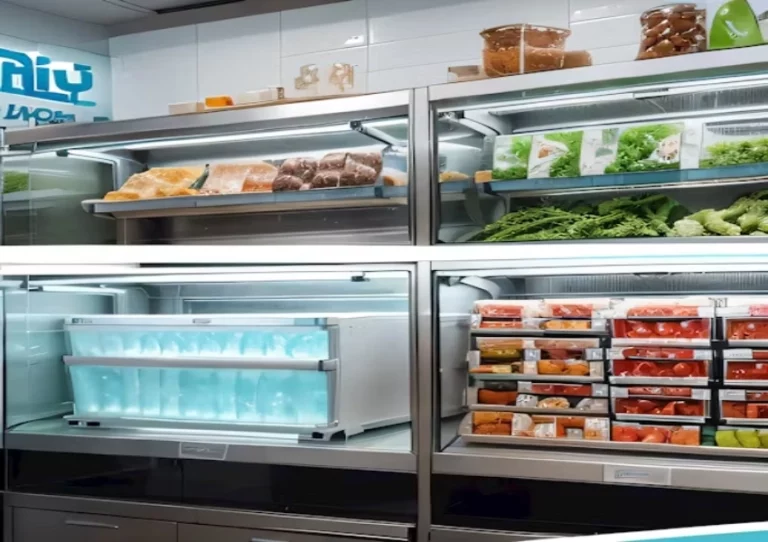
Checking freezer temperature stability reveals early efficiency drops. Irregular readings can point to thermostat or sensor problems. Quick service prevents larger failures. Our supermarket’s new-style deep single-island refrigerator-freezer uses microcomputer temperature controllers with LED indicators. Frequency conversion technology further cuts energy waste.
Maintenance Practices That Extend Commercial Refrigerator Lifespan
Scheduled Servicing and Preventive Maintenance Routines
Routine maintenance keeps performance steady across a fridge’s full service life. Cleaning condenser coils boosts heat exchange. Replacing gaskets stops frost buildup. Lubricating moving parts lowers friction on mechanical sections.
We hold various quality certificates and follow strict factory checks with quality first in mind. Products carry a one-year warranty. International logistics includes insurance coverage. Bulk orders receive 1% free spare parts. These steps support reliable operation during continuous commercial use.
Diagnostic Testing and Performance Audits
Periodic diagnostic tests confirm peak efficiency. Pressure checks verify refrigerant levels. Electrical inspections catch voltage issues. Temperature mapping confirms even cooling across zones. Staff can inspect internal airflow during audits and reduce downtime from sudden faults.
Indicators That a Commercial Refrigerator Requires Servicing or Replacement
Performance-Based Warning Signs
Longer cooling cycles or uneven temperatures signal strain from refrigerant loss or compressor wear. Loud noise often means motor imbalance or bearing problems. Frost buildup usually points to defrost faults or blocked airflow.
Economic Considerations in Repair vs Replacement Decisions
Frequent repairs on older units may cost more than buying new models with better energy ratings. Lifecycle cost analysis helps decide when replacement makes financial sense. Modern inverter compressors offset upfront costs through lower power use over time. This improves both operational life and return on investment.
Enhancing Refrigeration Efficiency Through Modern Technology Integration
Why should you choose Create Refrigeration?
At Create Refrigeration, we have supported the global supermarket cold chain sector for 27 years. The factory spans roughly 50,000 square meters and produces more than 23,000 units each year on average. Shandong Create Refrigeration Co., Ltd. serves as the largest one-stop supplier for supermarkets and engineering projects in China. Our mission centers on efficient, energy-saving equipment made with eco-friendly materials such as R290 refrigerants. We also offer custom OEM solutions worldwide. Focus stays on advanced systems from multideck open chillers to island freezers that meet strict international standards, including CE, ETL, ISO, ROHS, UL, and GEMS for strong reliability in every market.
For tailored advice or technical support on your next commercial refrigeration upgrade or maintenance plan aligned with sustainable cold chain work, contact us today. If you would like to learn more, please read this article.
FAQ
Q1: What factors most commonly reduce commercial fridge lifespan?
A1: High ambient temperatures, poor condenser ventilation, frequent door openings that cause temperature swings, and skipped preventive maintenance speed wear on compressors and seals.
Q2: How often should freezer temperature be checked in commercial settings?
A2: Digital controllers should track it continuously. Any reading more than ±2°C off target suggests inefficiency that needs prompt service to protect food safety.
Q3: When is it better to replace rather than repair a refrigerator?
A3: Replacement makes sense when repair costs exceed 40–50% of a new unit price or when older models use far more energy than modern inverter systems with higher efficiency ratings.