
An industry report for supermarket procurement directors, foodservice supply-chain leaders and refrigeration distributors
Commercial property costs are still weighing on retailers and foodservice operators in 2026. Rent, labour, electricity, insurance and fit-out budgets are all being reviewed line by line. Refrigeration has moved into that same finance meeting. A cabinet is no longer judged only by its finish, brand badge or catalogue capacity. Buyers want to know what sits behind the panel, who made the compressor package, how long the controller will last and how much of the quoted price belongs to manufacturing rather than local distribution.
The change is most visible among independent supermarkets, regional restaurant groups and beverage distributors. When a local dealer adds 45% to 60% on a basic imported model, the buyer now asks for the factory quotation, component list, electrical test record and delivered cost before approving the order. That does not make every factory offer suitable. It does make the old habit of buying on brand familiarity alone harder to defend.
The Procurement Logic Has Changed
When procurement teams compare international commercial refrigerator brands, they are increasingly separating the logo from the equipment specification. They check insulation thickness, copper tube and evaporator construction, compressor envelope, controller brand, fan motor, door hardware, gasket availability and the expected service route in the destination country.
The quoted commercial refrigerator price is only the first number. A realistic comparison should include freight, import charges, installation, spare parts, warranty labour, replacement doors and the energy cost of operating the cabinet for several years. A cheaper cabinet with an inaccessible condenser or unavailable controller can become more expensive after the first summer.
The same discipline applies to compact equipment. A commercial mini fridge for a hotel breakfast area or restaurant bar may carry a modest purchase price, but it can run continuously in a warm back-of-house room. Buyers should ask for net volume, rated ambient, noise level, refrigerant, annual consumption and the service access around the compressor.
Search language also changes by market. A French-speaking or wider European buyer may search for a frigo commercial and place particular weight on quiet operation, energy performance and conformity documentation. A North American distributor may use different terminology while asking the same questions about voltage, certification, temperature recovery and parts support.
The practical lesson is simple: use the market’s language to find suppliers, then use engineering documents to compare them.
One Source for the Bar, Beverage Aisle and Back Room
A fragmented buying process creates avoidable cost. One supplier provides a small bar cabinet, another supplies a beverage wall and a third quotes the frozen storage equipment. The finishes do not match, spare parts are scattered across three channels and delivery dates rarely line up.
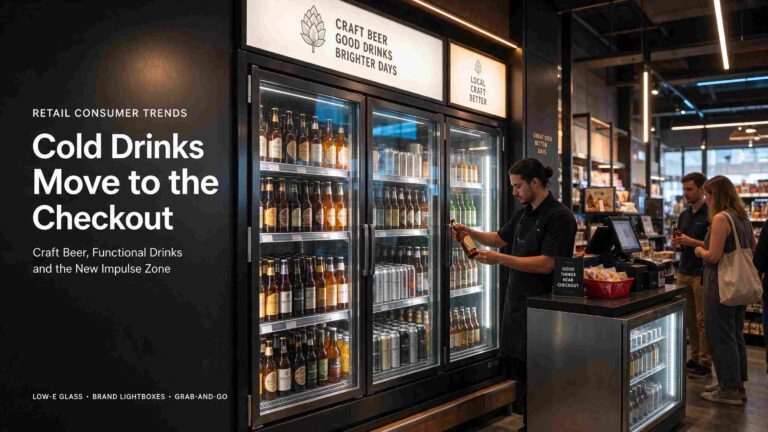
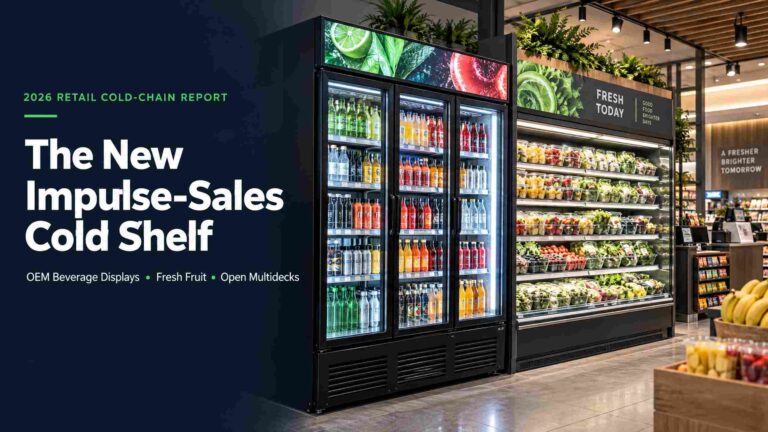
Source manufacturers such as createrefrigeration are attracting attention because they can discuss a wider equipment range under one procurement plan. The list may begin with a commercial beer fridge for a restaurant or convenience-store entrance, then extend to an OEM-branded pepsi commercial refrigerator for a beverage campaign.
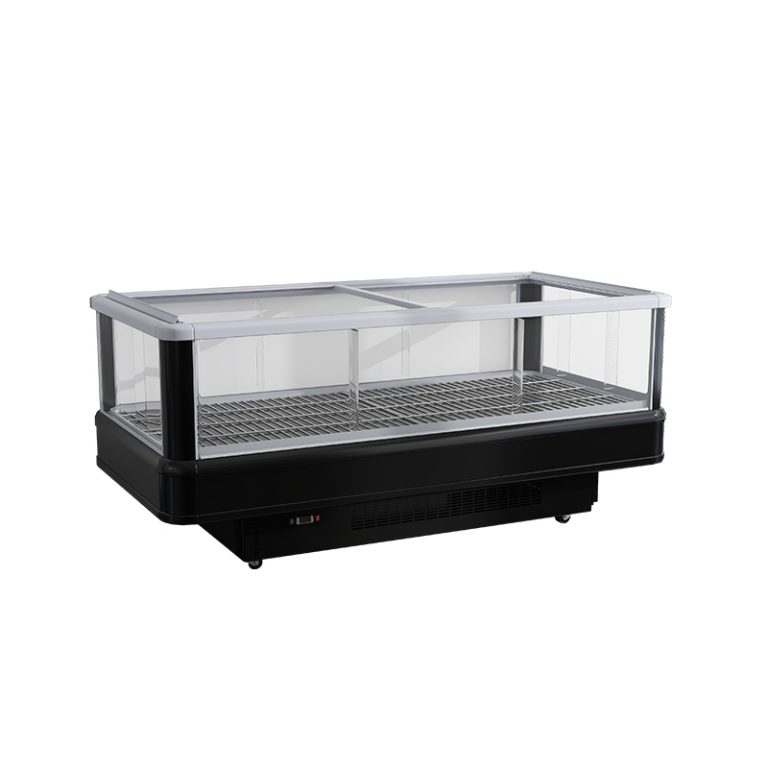
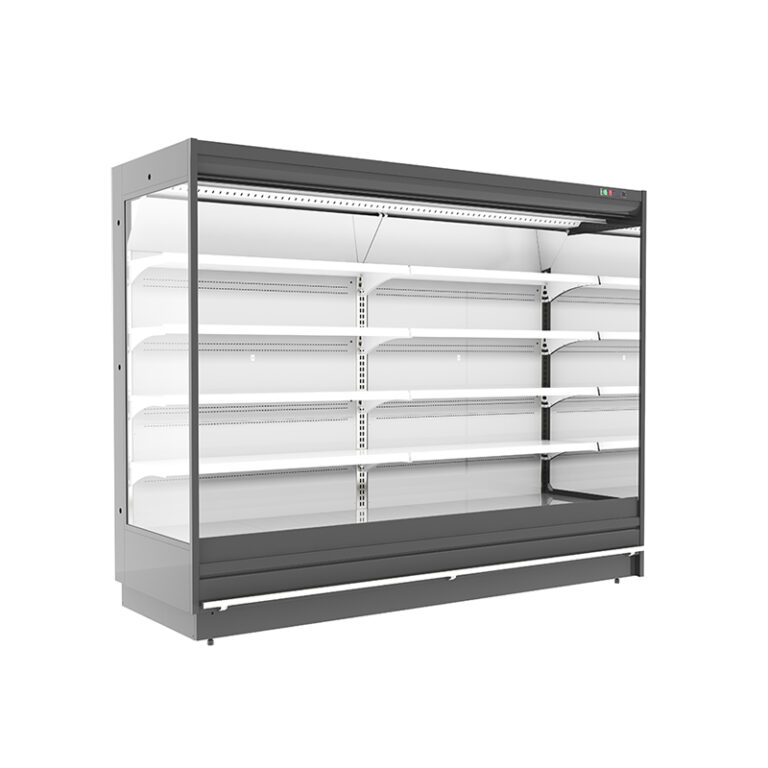
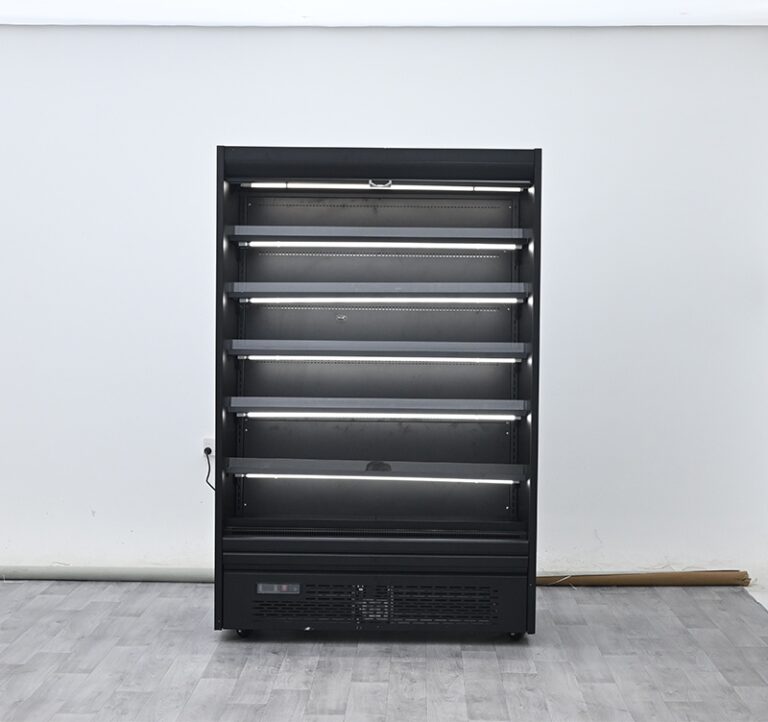
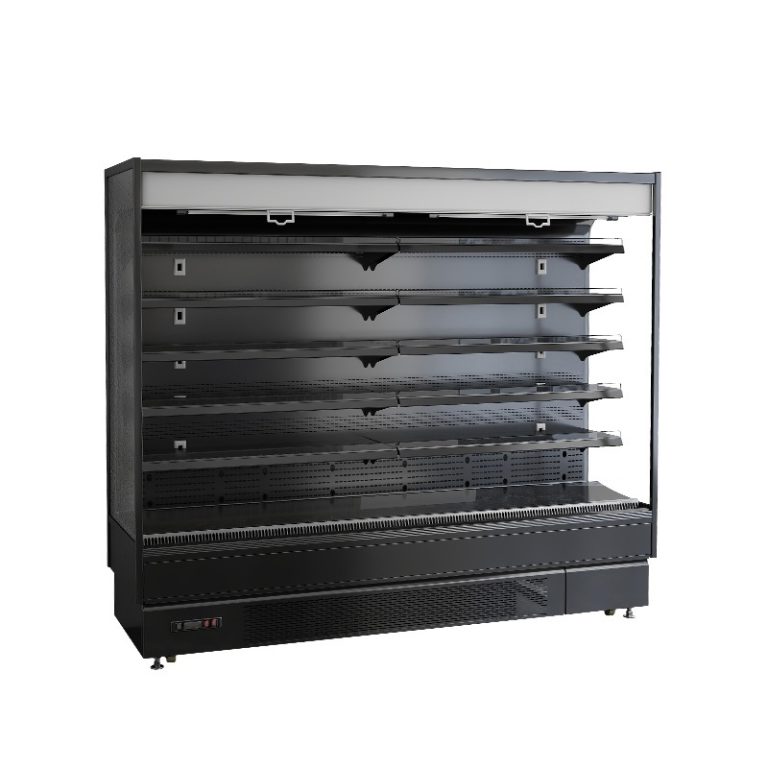
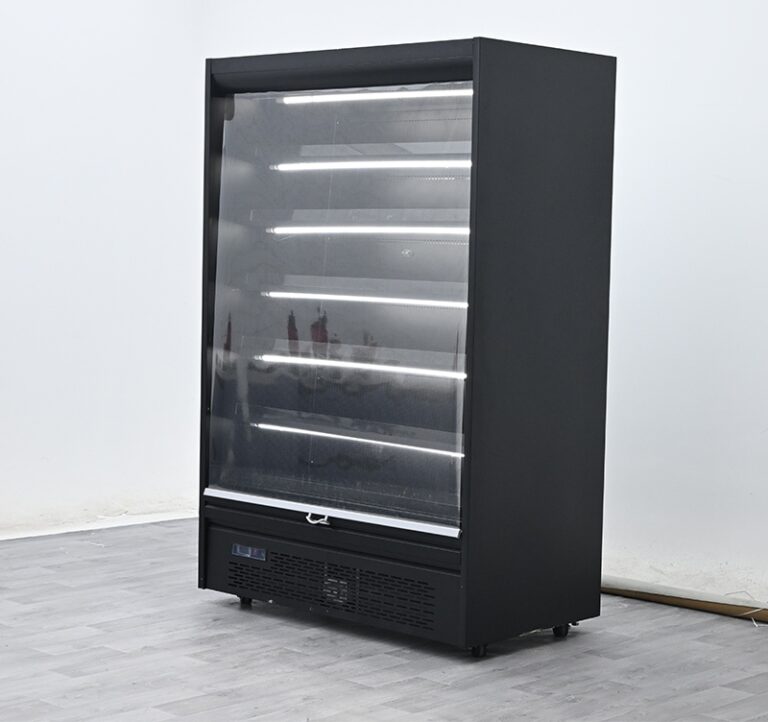
The same production programme can include a general commercial cooler and freezer for mixed chilled and frozen duties, together with display cabinets for supermarkets and foodservice outlets. The buyer still needs to confirm the exact model, temperature class and test standard. “Full range” is useful only when the factory can support drawings, electrical variants, packing lists and spare parts across the range.
For European and French-speaking customers, the supply discussion often includes the requirements associated with a frigo commercial: low operating noise, efficient insulation, cleanable interiors, documentation and local electrical compatibility. These are not decorative extras. A cabinet installed in an open restaurant or quiet convenience store is judged by sound as well as temperature.
CREATE Refrigerator is being examined by overseas buyers as a source manufacturer offering export-oriented production, OEM adjustments and factory-direct pricing across compact beverage units, upright display equipment and larger cold-chain systems. Technical enquiries and product-range discussions are available through www.createrefrigeration.com.
Where the Real Saving Comes from
The strongest savings do not come from asking a factory to remove a component. They come from planning the order as a system. A mixed container can combine cabinets for the sales floor, beverage promotion, preparation areas and frozen storage. Packaging, documentation and freight are coordinated once instead of repeated for every small purchase.
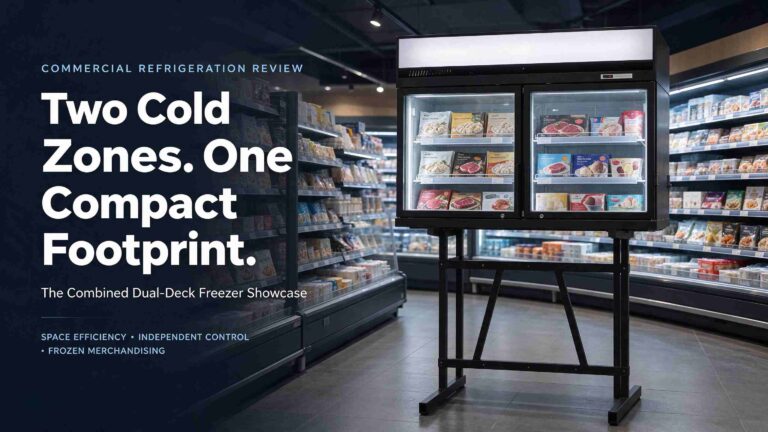
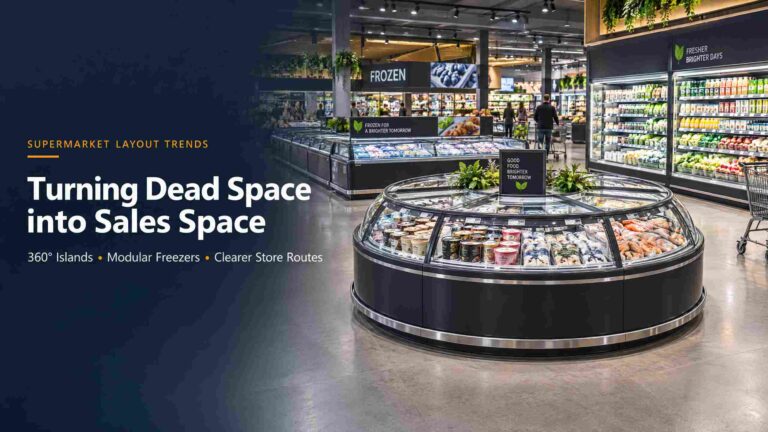
A front-of-house supermarket freezer commercial line may be ordered alongside a commercial refrigerator freezer for dairy, drinks and prepared food. A large commercial chest freezer can serve a restaurant prep area or frozen-food aisle, while a modular commercial walk in freezer handles bulk stock at the rear of the store.
The products have different duties and should not be priced as if they were interchangeable. The upright display unit needs customer visibility, door or lid hardware, lighting and merchandising access. The chest unit needs lid strength, insulation, baskets and defrost control. The walk-in freezer needs panels, floor construction, door hardware, refrigeration plant, safety release hardware and a site installation plan.
The purchasing advantage comes from coordinating the whole package. One factory drawing set can show the electrical loads, clearances, delivery route, condenser positions and service access. The buyer can then identify conflicts before equipment is produced. In project examples, this type of full-package planning has been used to target total fit-out savings above 35%, although the final result depends on order quantity, destination, scope, installation and local duties.
Tracing the Core Components
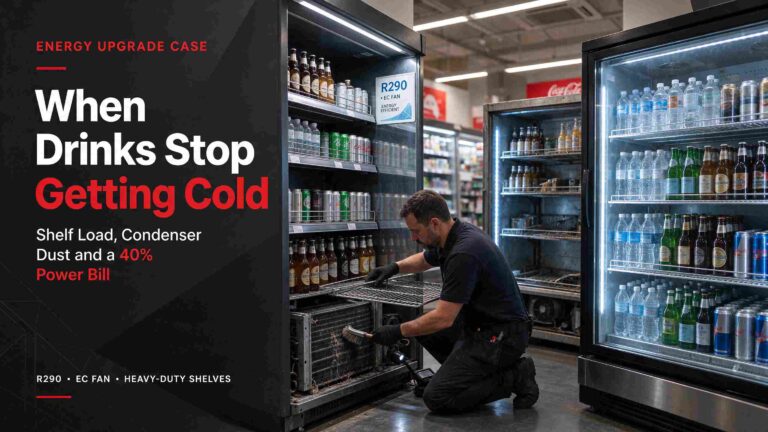
The factory-direct argument is weak if the supplier cannot identify the components. A serious buyer should request the compressor model, refrigerant, controller, fan motor, insulation density, glass specification, gasket profile and electrical protection before signing the purchase order.
For a commercial refrigerator freezer, the useful questions include: Is the unit designed for one temperature or two? Can the controller manage separate zones? What happens if one section fails? Is the condenser accessible? Are the shelves rated for the intended load? Which replacement gasket and controller are kept as service parts?
For a commercial beer fridge, check the door-cycle assumption and the ambient rating. A cabinet placed beside an entrance may face warm air and frequent opening. For a pepsi commercial refrigerator, check the lighting protection, graphics method, shelf load and whether the branding can be replaced without changing the door.
For a commercial chest freezer, inspect lid seals, hinge strength, basket support and the drain arrangement. For a commercial walk in freezer, the quote should define panel thickness, cam-lock construction, floor finish, door heater, pressure-relief provision, internal safety release and the condensing-unit interface.
A factory price is credible when it is attached to a complete specification. Without that detail, a low number may simply exclude the parts that will appear later as variations.
Why Full-Container Buying Changes the Delivered Cost
Shipping one cabinet at a time is expensive. The buyer pays for packaging, handling, export documentation and a portion of a container whether the cabinet fills the space or not. A coordinated order can reduce the average freight burden per unit by using the available volume more effectively.
This is where a mixed cold-chain purchase can work. Compact commercial mini fridge units may fill smaller spaces around larger cases. A row of beverage cabinets can share an export packing plan with supermarket display equipment. A commercial chest freezer and a commercial walk in freezer package can be scheduled with the same documentation and destination delivery plan when the project is large enough.
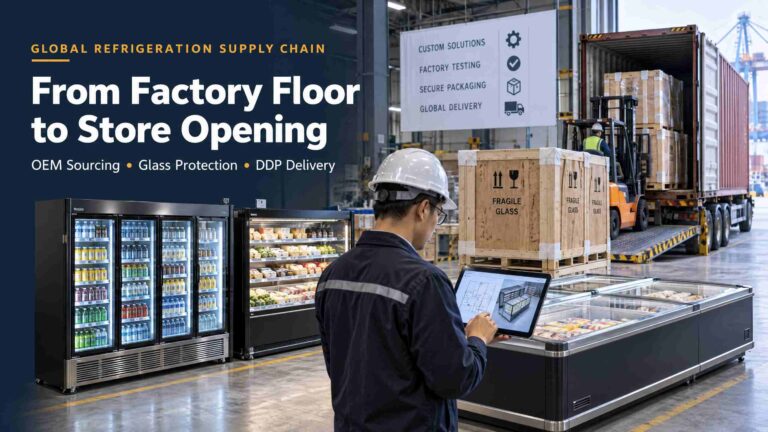
The buyer must still confirm container loading diagrams. Glass doors need protection against movement. Large panels require bracing. Compressors and condenser assemblies need clearance from impact points. The packing list should identify each serial number, accessory carton and spare-parts box.
DDP may simplify the landed-cost discussion, but it does not remove the need to check unloading access, local electrical work, refrigeration installation and final positioning. A walk-in freezer that cannot pass through the building entrance is not a successful import, regardless of the purchase price.
A Different Role for Local Dealers
The shift toward direct sourcing does not eliminate local distributors. A dealer may provide site measurement, installation, emergency service, local stock and compliance support. Those services have value. The question is whether the buyer can see them clearly in the quotation.
The strongest model is often a transparent split: factory-direct equipment for standardised hardware and OEM production, with qualified local contractors handling installation, commissioning and statutory work. This approach can reduce duplicated margin while preserving local technical support.
For refrigeration distributors, direct factory relationships can also expand the catalogue. A distributor may source a branded beverage cabinet, a commercial cooler and freezer, a supermarket freezer commercial line and a commercial walk in freezer package without holding every model in local stock. The distributor then competes on engineering, delivery and service rather than on access to a single brand catalogue.
The 2026 Comparison: Dealer Purchase versus Source-Factory Procurement
| Procurement route | Unit price and project cost | OEM and delivery position |
| Traditional local dealer | Often includes a 45%–60% markup on basic imported models; installation and freight may be separate | Limited customisation; mixed-temperature equipment may come from several brands |
| Source-factory direct | Lower ex-factory base can improve when several sizes share one container; landed cost must include freight, duty and installation | OEM colours, dimensions, voltage and shelf layouts can be discussed before production |
| Coordinated full-store package | Best suited to chains, new stores and distributors buying several cabinet types | One drawing set, unified packing documents and a planned delivery window across chilled and frozen zones |
The 2026 buying decision is not simply “China versus Europe” or “dealer versus factory.” It is a question of cost transparency and technical accountability. A high-priced cabinet may be justified if it includes reliable local service and documented performance. A factory-direct cabinet may be the better choice when the buyer can verify the components, test records, packing method, warranty route and delivered cost.
createrefrigeration is being evaluated in this market as a source-factory partner for buyers seeking a complete range from commercial mini fridge units and beverage displays to supermarket freezer commercial equipment and modular cold rooms. CREATE Refrigerator positions its export offering around European and North American manufacturing requirements, OEM flexibility and direct factory coordination.
For the latest factory price list, compressor and controller details, mixed-container loading plan and 3D store configuration, buyers can contact www.createrefrigeration.com. The companies that benefit most from direct sourcing will not be the ones chasing the lowest catalogue number. They will be the ones checking the full cost, the full specification and the full service path before the purchase order is released.