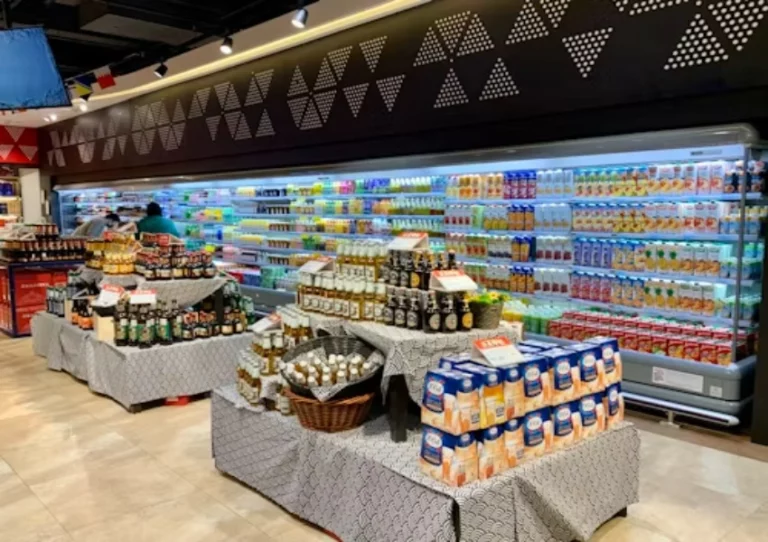
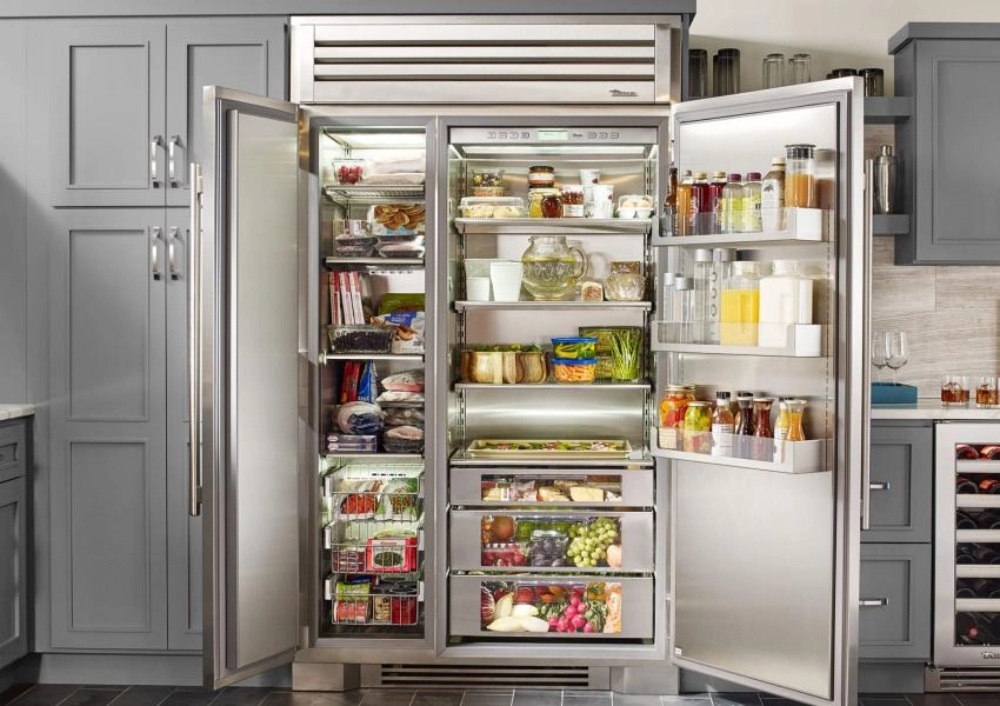
A commercial refrigerator used at home should stay between 1°C and 4°C. This is roughly 34°F to 40°F. You should use this range when storing fresh food, drinks, dairy, packaged meals, vegetables, or short-term meat. That is the ideal target most homeowners should seek. It keeps food cold enough without turning the interior into a partial freezer.
If the appliance is a freezer, the goal is quite different. Frozen food should typically be kept around -18°C, or 0°F. A commercial chiller and a commercial freezer are not identical appliances. Therefore, the initial step is to verify the exact model type before altering any controller setting.
Best Temperature Range for a Commercial Refrigerator Used at Home
For standard home applications, 1°C to 4°C is a practical target. It provides adequate cooling capacity for routine door openings. It also handles minor temperature fluctuations well. Configuring the cabinet significantly lower might seem more secure. Nevertheless, it frequently introduces distinct issues. You might encounter frozen lettuce, shattered eggs, overly icy drinks, or dehydrated fresh food.
A basic refrigerator thermometer is highly recommended. You should use one even if the machine already features a digital display. The built-in screen typically presents the sensor measurement from a single location inside the cabinet. The actual temperature near the door, close to the rear panel, and across varying shelves might not be precisely identical.
| Home Use Case | Suggested Temperature | Practical Note |
|---|---|---|
| Fresh food, dairy, and packaged meals | 1°C–4°C / 34°F–40°F | Good everyday range |
| Drinks and bottled beverages | 2°C–6°C / 36°F–43°F | Slightly warmer is often fine |
| Short-term raw meat or seafood | 0°C–2°C / 32°F–36°F | Keep separate and covered |
| Fruit and vegetables | 2°C–4°C / 36°F–40°F | Avoid pushing produce against air outlets |
| Frozen food | Around -18°C / 0°F | Requires a freezer-rated unit |
Why Commercial Refrigerators Behave Differently in a Home Kitchen
Door Opening Changes the Real Cabinet Temperature
Every single time the door is opened, warm ambient air flows into the cabinet. In a bustling retail shop, commercial equipment is anticipated to manage that influx. At home, the door is typically opened far less frequently. Consequently, the interior might remain colder than anticipated after the controller achieves its programmed set point.
A smart initial approach is to configure the controller at 3°C. Next, position a thermometer on the center shelf. Then, verify the measurement after 12 to 24 hours have passed. If the actual temperature remains excessively low, modify it gradually. Do not execute drastic alterations every single hour. Refrigeration systems require adequate time to stabilize properly.
Room Temperature and Placement Matter
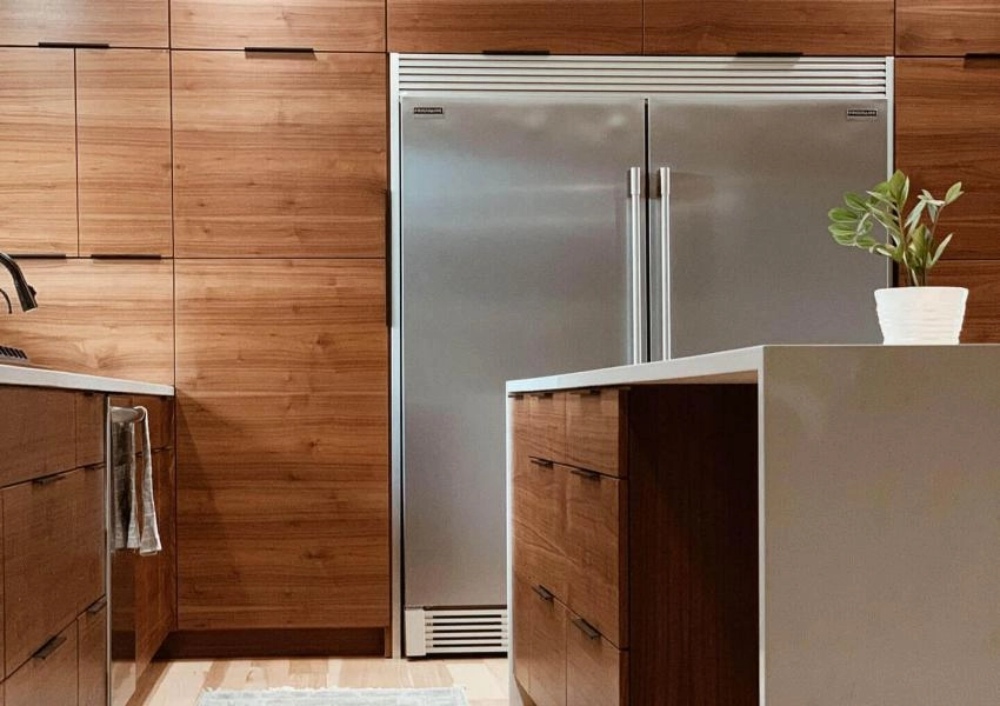
A commercial refrigerator must never be positioned tightly against an active oven. It should not sit beside a brightly sunlit window. Furthermore, it must not be enclosed within a cabinet lacking proper ventilation. Excessive heat surrounding the compressor forces the mechanical system to labor harder. Inadequate airflow at the rear or along the sides might also diminish the equipment’s lifespan.
For residential use, provide sufficient clearance for proper ventilation. You should follow the guidelines within the specific model manual. If the machine is integrated into a custom kitchen layout, the structural design must permit hot air to escape the compressor zone. An appliance that operates continuously because it cannot expel accumulated heat will consume extra electricity. It might also become noticeably noisy.
Food Loading Also Affects Cooling
Commercial units frequently utilize fan-forced air circulation mechanisms. That technology maintains a highly consistent interior temperature. However, it also implies the primary air pathway must never be obstructed. Do not stack solid boxes directly against the rear air discharge vent. Furthermore, do not pack the interior so densely that chilled air cannot circulate freely.
For delicate fresh vegetables and softer food items, avoid placing them directly in front of forceful airflow. That specific zone might be significantly colder and much drier. The central shelves are typically superior for standard daily food, drinks, and assorted packaged items. Raw meat or fresh seafood must remain inside sealed containers. They should be placed on the lowest shelves to minimize the hazard of dripping liquids onto other stored food.
Can a Commercial Refrigerator Work Well in a Residential Setting?
Power Supply Should Be Checked Before Installation
Commercial refrigerators might require a higher initial starting current compared to standard household fridges. Certain models can operate perfectly on standard residential voltage. Meanwhile, other versions might demand a dedicated electrical circuit. The most secure strategy is quite straightforward. Always verify the required voltage, specific plug type, rated amperage, and essential grounding requirements before installation.
If the machine will operate within a North American residence, ensure the specific model supports 110V/60Hz power. If it will be utilized in a different global market, verify the applicable local voltage standard. Do not merely guess based solely on the physical plug shape. A certified electrician must inspect the designated circuit if the machine is massive, high-powered, or utilized alongside other heavy kitchen equipment.
Noise Can Be More Noticeable at Home
Inside a busy supermarket or lively café, typical compressor and fan sounds easily blend into the ambient background. Inside a tranquil home, that same noise might seem substantially louder. This reality is particularly evident in modern open kitchens, dining spaces, compact studios, and smaller apartments.
Before selecting a specific model, inquire about the internal fan type, the compressor arrangement, and the anticipated operating volume. Strategic placement also assists greatly. A large refrigerator positioned against a solid hard wall might echo significantly more than one situated in a well-ventilated utility area. Specialized anti-vibration pads can minimize physical shaking on hard tile or solid wood floors. However, they cannot completely silence a robust commercial unit.
For private homes, undercounter chillers, glass door beverage coolers, or compact display refrigerators are frequently much simpler to tolerate. They are generally better than massive open multideck cases. The ideal model heavily depends on where it will permanently sit. It also depends on how frequently individuals will remain near it.
Size and Door Clearance Are Easy to Underestimate
A commercial refrigerator might appear perfectly reasonable within a glossy product photograph. Then, it can feel absolutely massive when it finally arrives. Always confirm the complete physical dimensions, the required door swing space, the bottom caster height, the necessary ventilation clearance, and the intended delivery pathway. Carefully measure every doorway, building elevator, narrow corridor, and the ultimate installation zone.
Which Commercial Refrigerator Types Are Better for Home Use?
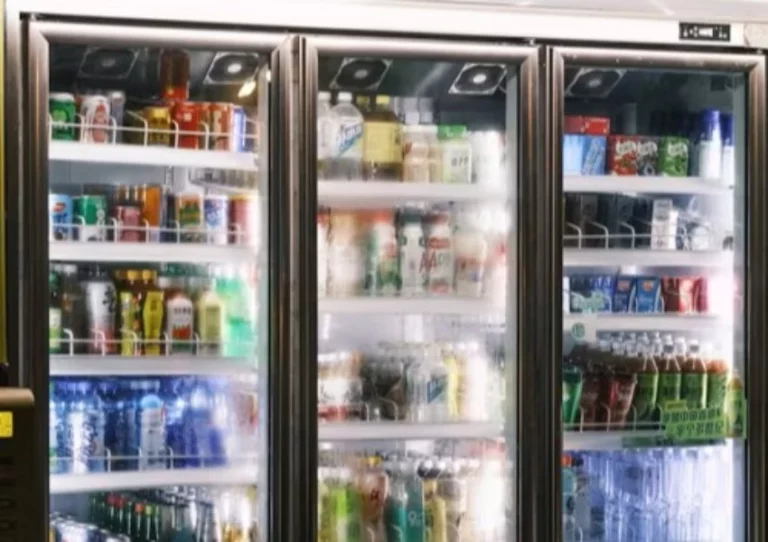
Glass door coolers remain one of the simplest commercial models to successfully adapt for private home usage. They are exceptionally useful for chilling beverages, dairy products, assorted sauces, packaged food, or providing extra storage capacity during large parties and lively family gatherings. The transparent display door also minimizes the constant need to open the cabinet merely to inspect what is currently inside.
For superior residential performance, seek out models featuring self-closing doors. You should also look for double-layer insulated glass, highly stable internal airflow, and fully adjustable interior shelves. These specific features assist in maintaining the internal cabinet temperature much more steadily. They also render daily usage significantly easier.
How Create Refrigeration Helps With Commercial Cooling Projects
Create Refrigeration supplies commercial refrigerators, glass door coolers, glass door freezers, island freezers, and display refrigeration equipment for supermarkets, cafés, convenience stores, and project-based cold chain needs. The company supports OEM/ODM service, logo customization, mixed product orders, and voltage options such as 220V/50Hz, 220V/60Hz, and 110V/60Hz.
Maintenance Tips for Homeowners Using Commercial Refrigerators
You must clean the exterior condenser area quite regularly. Keep the flexible door gasket completely free from sticky food residue. Verify whether the heavy door securely closes by itself without leaving any noticeable gaps. Never obstruct the internal air outlets with solid boxes or large flat trays. If the main cabinet features a dedicated liquid drain line, ensure it never becomes fully blocked.
It is highly advisable to verify the actual interior temperature at least once per week throughout the initial operating month. Following that period, occasional routine checks are perfectly sufficient unless the ambient room temperature shifts dramatically. If the large refrigerator operates constantly without pausing, generates strange new noises, develops unusually thick ice, or utterly fails to maintain the programmed set temperature, schedule professional service immediately. If you would like to learn more, please read this article.
FAQ
Q1: Is it safe to plug a commercial refrigerator into a normal home outlet?
A1: It depends on the model. Some commercial refrigerators can use standard residential voltage, while larger units may need a dedicated circuit. Always verify the required voltage, the specific amperage, the exact plug type, and the vital grounding requirements before physical installation. For massive commercial equipment, request a certified electrician to properly evaluate the designated circuit.
Q2: Will a commercial refrigerator increase my electricity bill?
A2: It very likely may. Commercial machines frequently possess much stronger internal compressors and larger fans compared to standard household fridges. The ultimate financial cost relies upon the total cabinet size, the quality of insulation, the specific compressor type, the daily door opening frequency, the ambient room temperature, and the selected thermostat setting. Purchasing the correctly sized machine and maintaining the internal temperature around 1°C to 4°C for typical fresh food can significantly assist in preventing unnecessary electrical power consumption.
Q3: Can I adjust a commercial refrigerator to normal home fridge temperature?
A3: The vast majority of modern digital commercial refrigerators permit simple temperature adjustment strictly within a pre-programmed controller range. For standard fresh food storage inside a private home, begin the setting around 3°C. Then, verify the actual internal shelf temperature utilizing a reliable thermometer. If stored food begins to freeze solid, elevate the programmed setting slightly.