Modern chest freezers depend on refrigeration systems. These systems work through cycles of compression and expansion. Heat moves efficiently from inside the freezer to the air outside. Refrigerants show key thermodynamic properties. Their phase changes help hold low temperatures steady. Pressure and temperature stay closely linked. This link shapes both cooling performance and energy use. Engineers need to balance system design with daily running costs.
The same principles hold across most commercial refrigeration work. These features keep energy use low. Every chest freezer gains stability and sustainability in thermal management.
Key Components Driving Cooling Efficiency
Performance in each chest freezer rests on core parts. The evaporator pulls heat from stored goods and maintains freezing conditions. Material choices matter too. We use a top-tier brand inverter compressor that the industry accepts. This choice makes the product more energy-efficient and stable. It can also cut electricity bills by up to 50% in one year. Advanced compressor technology now shapes much of modern chest freezer design.
What Types of Refrigeration Systems Are Used in Chest Freezers?
The refrigeration system type shapes energy efficiency, noise level, and fit for different settings. Each type brings its own benefits based on job demands.
Vapor-Compression Refrigeration Systems Remain the backbone of chest freezer design.
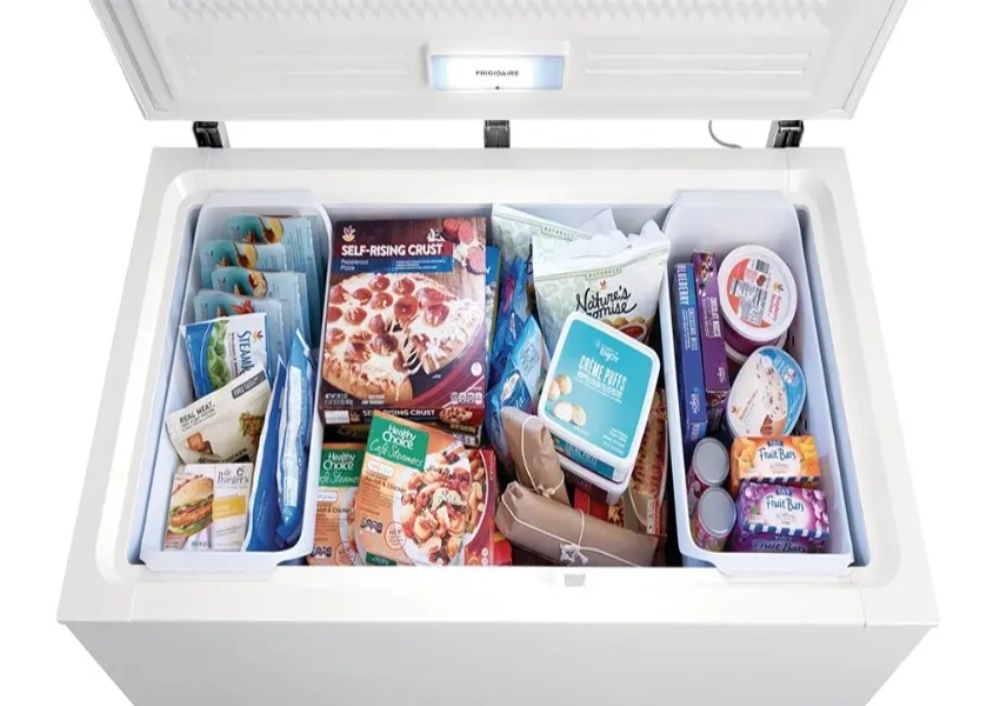
The vapor compression cycle remains the main choice. It has shown reliable results and strong energy efficiency. Refrigerant moves in a closed loop. It gets compressed into high-pressure vapor first. Then it condenses into liquid form. After expansion and evaporation, it absorbs heat from inside the freezer. This process supports accurate temperature control. It works well for deep-freezing needs such as frozen food or ice cream storage.
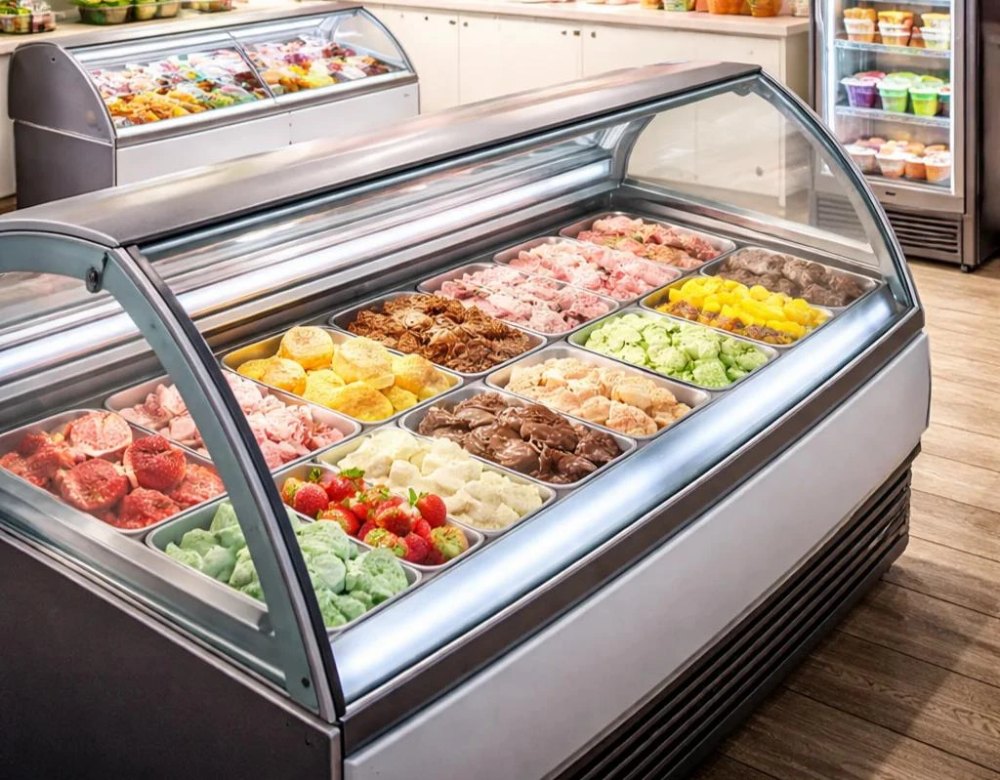
Our Ice Cream Display Freezers Curved Glass Top Chest Freezer follows this approach. The unit pairs a compact design with effective thermodynamic control. It includes curved sliding tempered glass lids with locks, built-in LED illumination for better visibility, and mechanical adjustable thermostats with digital temperature displays. These details show how vapor compression technology keeps steady results even when loads change.
Thermoelectric Cooling Systems Offer Silent Operation but Lower Efficiency
Operation stays quiet. This suits small or portable chest freezers. The trade-off is lower energy efficiency compared with vapor compression systems. Engineers pick this option when quiet performance and compact size matter more than power use.
What Factors Influence Temperature Stability Inside a Chest Freezer?
Temperature consistency affects product quality and running costs. Several engineering choices help reach this balance.
Role of Insulation Materials and Structural Design in Maintaining Cold Retention
High-performance insulation cuts heat exchange between inside chambers and outside air. Polyurethane foam sees wide use. It offers low thermal conductivity and a solid structure. Lid sealing also matters greatly. Any air leak can cause frost buildup or uneven cooling.
Energy-saving designs rely on environmentally protective foaming materials with a thick foam layer. This approach lowers energy consumption. Optimizing cabinet shape and airflow paths helps engineers deliver even temperatures throughout the storage zones.
Impact of Ambient Conditions on System Performance Over Time
Outside temperature changes directly raise or lower compressor workload and overall energy draw. Good ventilation around the condenser coils improves heat release. This helps most in warm climates or tight spaces such as supermarket backrooms. Modern control systems track ambient conditions in real time. They adjust compressor cycling to avoid wasted power while still holding the desired internal temperature.
How Have Technological Advances Transformed Modern Chest Freezer Refrigeration?
Ongoing development has moved refrigeration engineering toward greater sustainability, smarter controls, and more precise operation.
Eco-Friendly Refrigerants Drive Sustainability Trends Across Global Markets
Environmental rules have sped up the shift to refrigerants with lower global warming potential. All our refrigerator models, more than 80 percent, now use R290, an environmentally friendly refrigerant. Moving from older hydrofluorocarbons to hydrocarbons such as R600a or R290 cuts environmental impact while keeping cooling capacity intact.
Create Refrigeration stays focused on R290 refrigerants and new energy-saving materials. The goal is high efficiency, lower energy use, and a greener way of working. System redesigns that fit these gases help maintain strong thermodynamic performance and meet international sustainability standards.
Smart Control Systems Enable Precision Cooling Management
Digital thermostats with IoT links now support remote monitoring through phones or central dashboards. Predictive maintenance tools study compressor patterns and spot possible faults early. This extends equipment life. Data analysis also fine-tunes defrost timing and fan speeds according to changing loads.
These advances align with the mission outlined at Create Refrigeration. Shandong Create Refrigeration Co., Ltd. is the largest one-stop purchasing company for supermarkets and engineering projects in China, committed to creating global commercial cold chain solutions and personalized services.
What Engineering Considerations Ensure Optimal System Selection?
Choosing the right refrigeration system means weighing performance against total lifecycle costs for each use case.
Matching System Type With Application Requirements Determines Long-Term Efficiency
Commercial sites usually need higher cooling capacity than homes. System design, therefore, grows more complex. Continuous-run situations favor inverter-driven compressors. These units adjust output smoothly under changing loads. Energy rules also push designs toward sustainable options that meet CE or ETL standards.
Our OEM/ODM service supports customization for specific needs. This covers everything from compact retail freezers to large industrial cold storage. It matches technical requirements with practical costs.
Evaluating Operational Efficiency Through Lifecycle Maintenance Planning
Compressor strength, refrigerant stability, and easy access to parts all shape long-term reliability and total ownership cost. Preventive maintenance plans cut downtime. They check equipment at expected wear points instead of waiting for breakdowns.
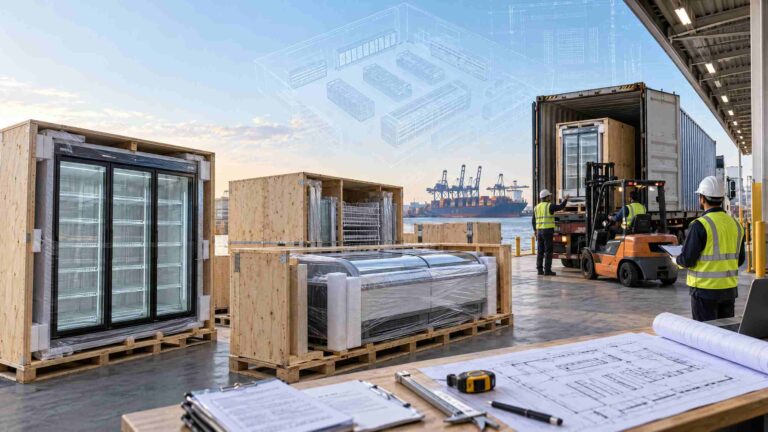
We hold various quality inspection certificates and follow strict factory standards. The warranty covers one year. International logistics includes insurance. Bulk orders receive 1 percent spare parts at no extra charge. These steps keep performance steady over the full service life and help control ongoing costs.
Why Choose Us for Advanced Chest Freezer Solutions?
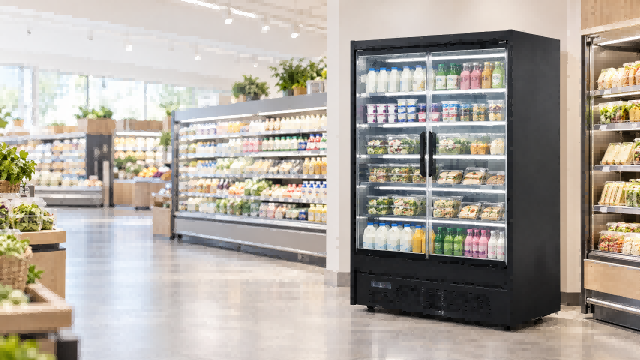
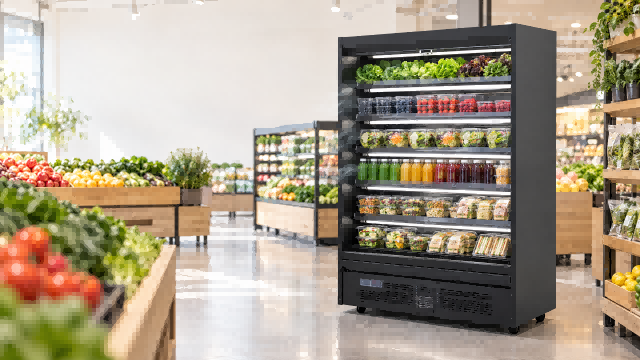
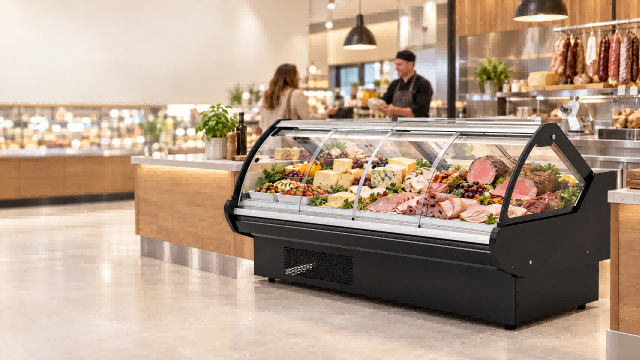
For 27 years, we have built commercial refrigeration equipment. It combines high-efficiency parts with environmentally responsible materials. Shandong Create Refrigeration Co., Ltd. focuses on providing one-stop refrigeration equipment procurement services for domestic and foreign customers. It is committed to creating global commercial cold chain solutions. Our range includes supermarket-grade island freezers, multideck chillers, pastry cabinets, stainless steel units, walk-in coolers, and specialized chest freezers built for precise deep-freeze work.
Every model follows our core approach. This means professional manufacturing driven by technology, together with international certifications such as CE, CB, ETL, ROHS, UL, and IEC. These standards are verified worldwide at Create Refrigeration. Our teams offer CAD-based layout planning. This helps fit units smoothly into any retail space and improves space use. The service is free with product purchases.
Customers looking for custom refrigeration solutions can reach us through Contact Us. Support starts at the first idea and continues through production and delivery. After-sales teams stay ready worldwide. If you would like to learn more, please read this article.
FAQ
Q1: What type of refrigeration system offers the best balance between performance and cost for large-capacity chest freezers?
A1: Vapor compression systems generally provide superior efficiency-to-cost ratios due to their mature technology base and adaptability across diverse operating conditions; they remain the standard for both commercial supermarkets and industrial cold chains.
Q2: How do ambient temperatures affect freezer temperature stability?
A2: High ambient temperatures increase compressor workload; therefore, adequate ventilation around condenser coils combined with smart thermostat regulation ensures consistent internal freezing even during seasonal fluctuations.
Q3: Are eco-friendly refrigerants as effective as traditional ones?
A3: Yes—modern hydrocarbons like R290 deliver equivalent cooling capacity while offering lower GWP values; when paired with optimized component design, they achieve comparable, if not improved, overall system efficiency without environmental compromise.