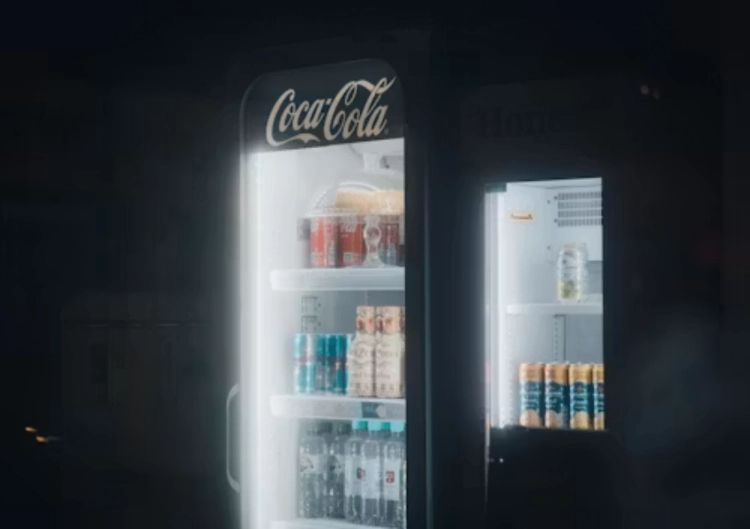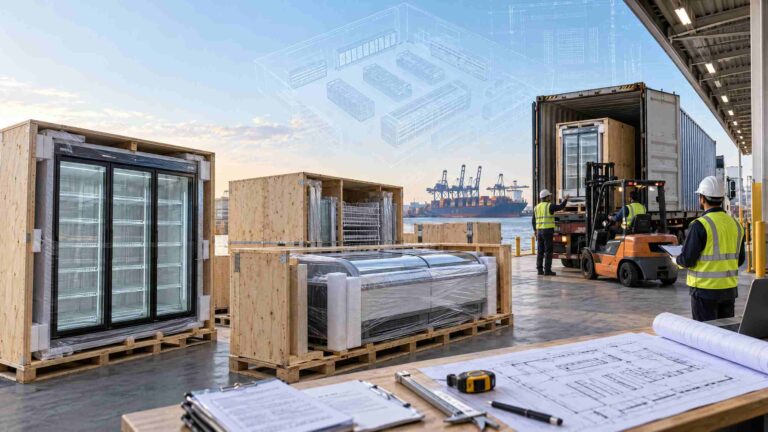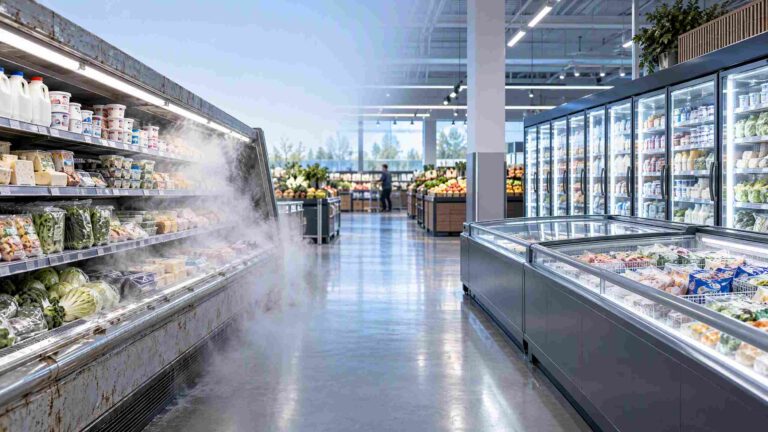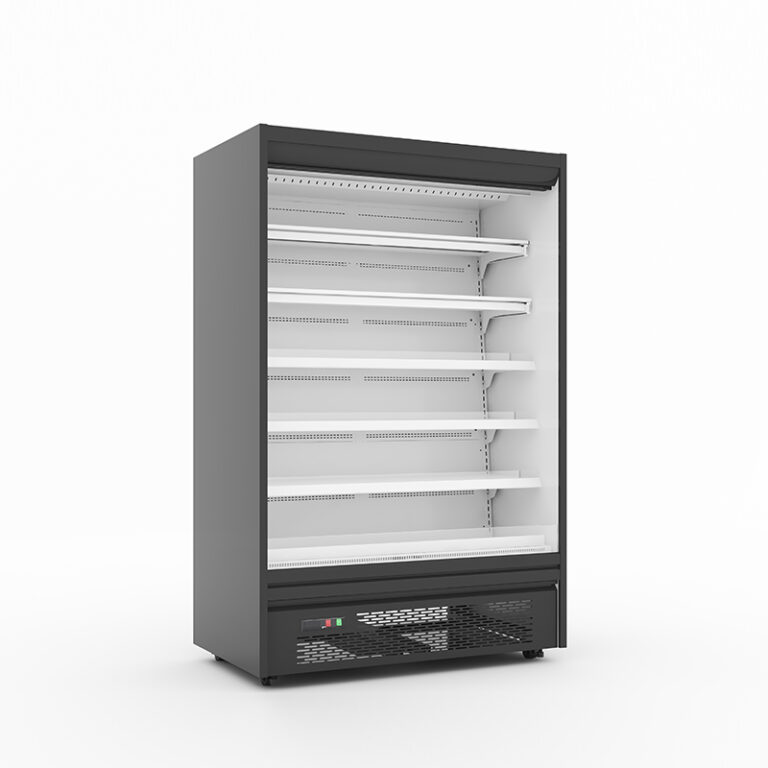
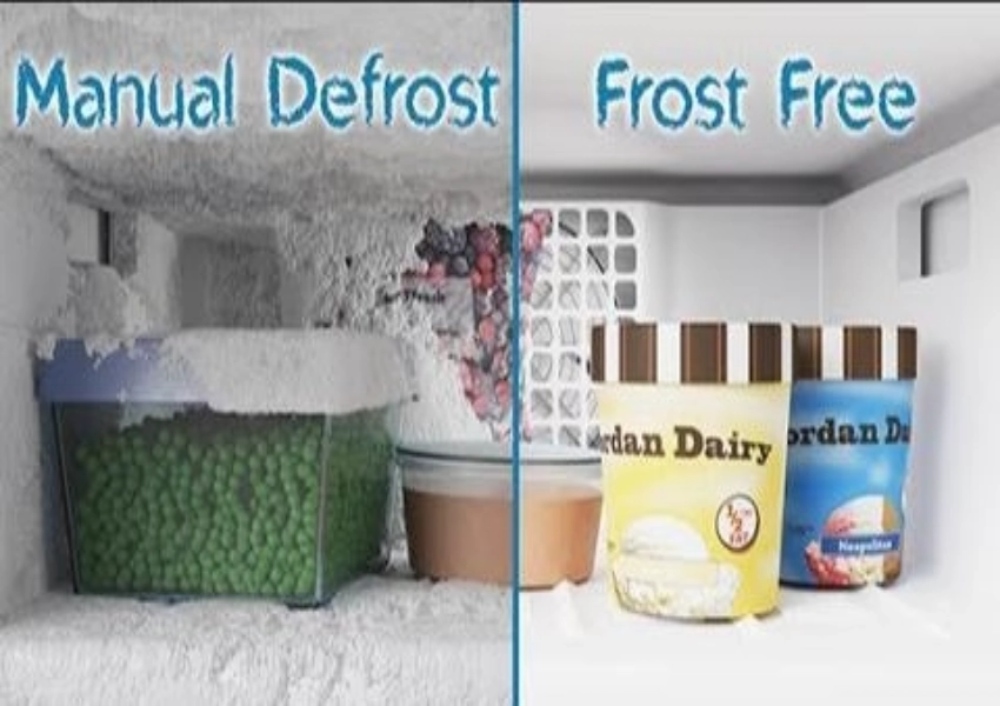
Defrosting serves as a vital process in refrigeration systems. It stops ice from building up, which could otherwise lessen the effectiveness of heat exchange on evaporator coils and air. Both manual defrost freezers and frost-free freezers handle frost buildup to keep inside temperatures steady and cooling reliable. Manual types depend on users to melt ice now and then, but automatic ones build in heating periods or air movement to stay free of frost.
Key Differences Between Manual and Frost-Free Designs
Manual defrost freezers employ straightforward cooling setups that need occasional shutdowns for cleaning. In contrast, frost-free freezers include built-in heaters or fans that run at set times to clear frost. The main variation shows up in ease of use and heat stability—manual versions usually hold more even temperatures between cleanings, whereas automatic ones face short changes during their heating phases.
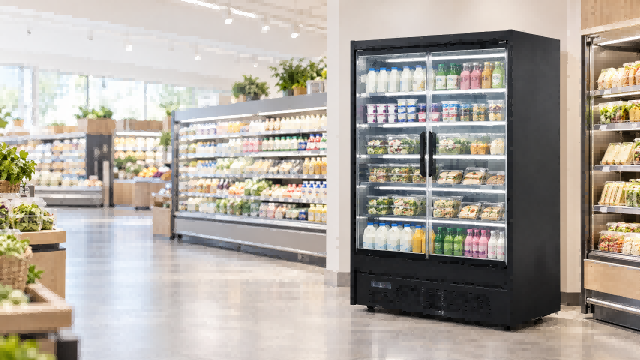
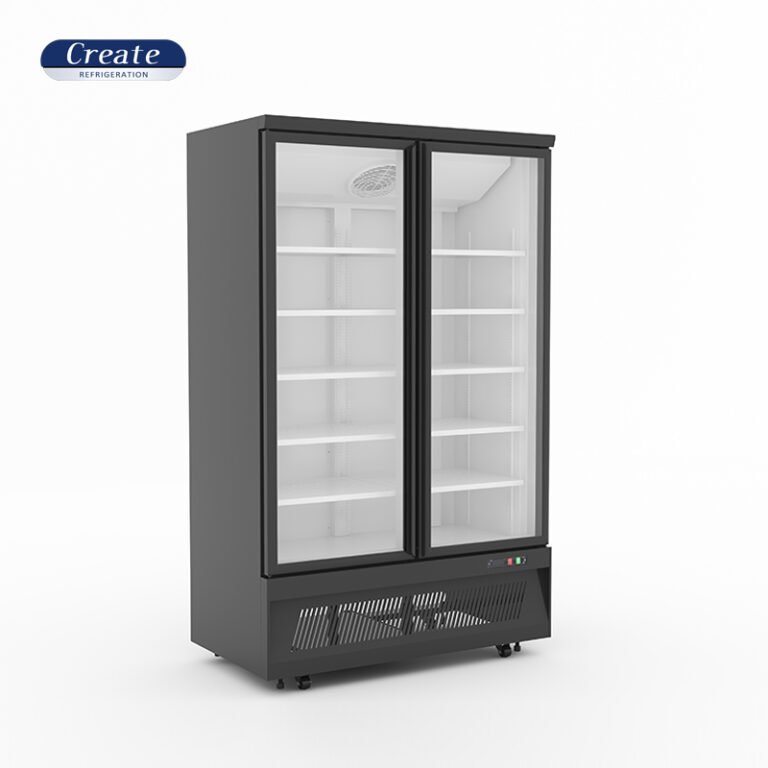
In business settings like grocery stores or small shops, frost-free setups such as the 4 Door Commercial Upright Showcase blend auto-defrost features with strong airflow. These ensure even cooling over wide display spaces.
Energy Efficiency Comparison
Power Consumption in Manual Defrost Freezers
Manual defrost freezer units typically use less power since they skip extra parts like heaters or fans. Their basic cooling approach cuts down on electricity needs, yet operators must watch closely to avoid too much ice that might hinder heat flow. Routine manual thawing keeps the best heat movement on evaporator parts.
Low energy consumption: This product relies on a static cooling system, which uses only 1/4 of the power of similar-sized, ventilated, free-standing cooling island freezer. Such traits make manual models a good fit for places that value cheap power over ease.
Energy Demand in Frost-Free Freezers
Automatic frost-free freezer systems draw more electricity because of their regular heating phases and fan-based airflow meant to wipe out frost. Even with this extra pull, they provide a reliable temperature spread that supports food safety and neat displays.
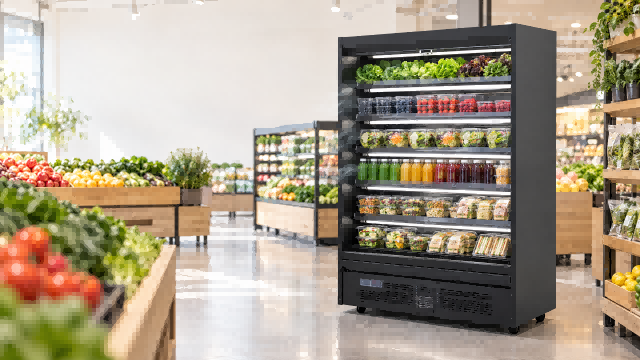
The Deep Single Island Refrigerator freezers show this mix well. It employs a microcomputer temperature controller with automatic defrost for precise work. At the same time, it keeps green performance via high-efficiency compressors and fan motors.
Temperature and Moisture Control Performance
Temperature Stability Across Storage Zones
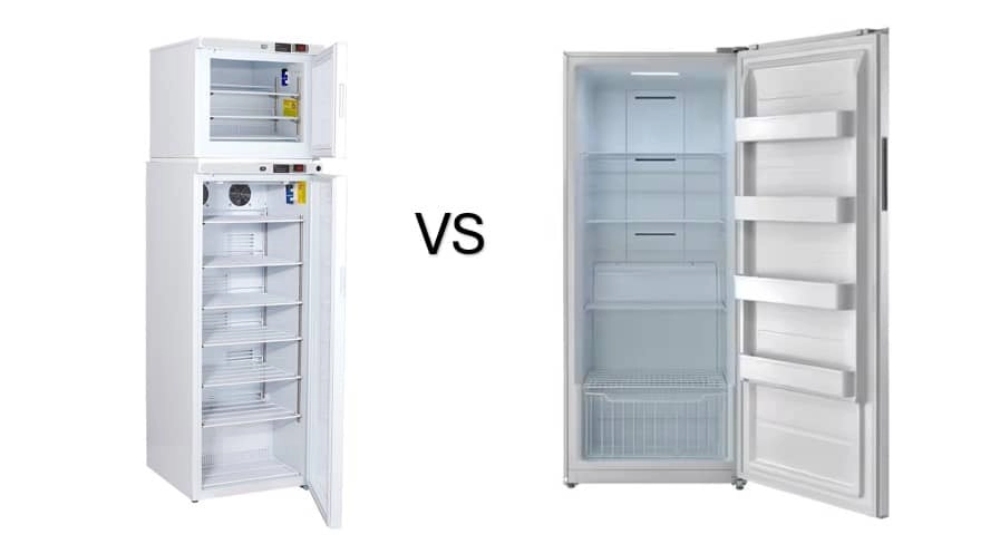
Temperature evenness affects how well food stays fresh and how long the unit lasts. Manual-defrost freezers often show better steadiness between care periods because they dodge the quick heat bursts common in automatic runs. On the other hand, frost-free types reach a finer temperature spread in various sections thanks to their built-in air systems.
High-quality air duct design makes the temperature in the cabinet more uniform. It also lowers dry food consumption. This setup benefit guarantees steady cooling without blind spots—an important trait for business display gear.
Humidity Management and Ice Formation Behavior
Humidity inside varies a lot between manual and frost-free setups. Basic-cooled manual units hold more moisture in the space, which cuts dehydration chances for items like meat or baked goods. By comparison, frost-free freezers push around drier air that might speed up surface water loss if wraps lack a proper seal.
For bakery uses that need moisture hold, gear like the Supermarket Pastry Fridge keeps balanced humidity via smart temperature handling. It also uses automatic defrost tech for simple upkeep.
Maintenance Requirements and Operational Considerations
Maintenance Frequency and User Involvement
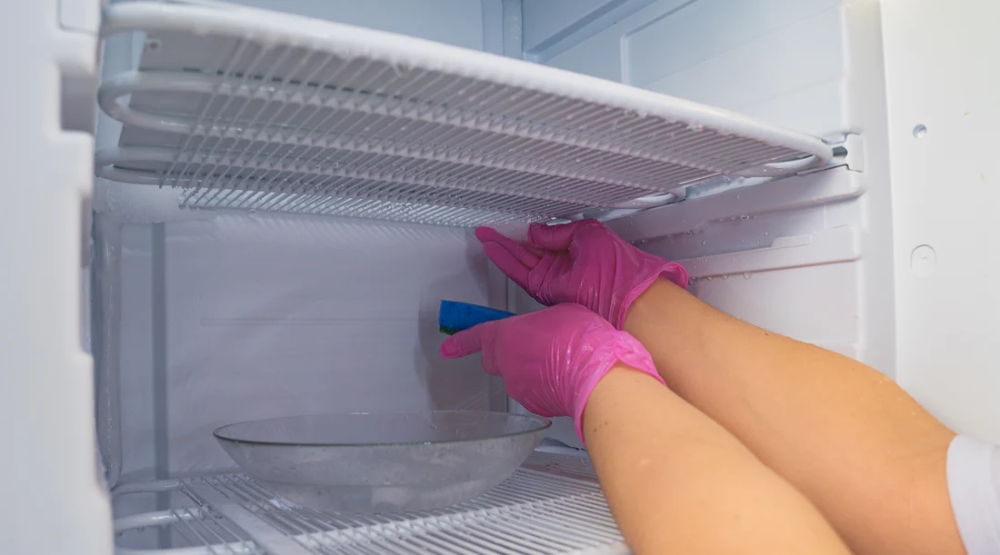
Manual models call for planned breaks for full melting and wiping down—a step that might interrupt work if handled poorly. Frost-free types cut down on hands-on work but require check-ups now and then on drain paths or fans to avoid clogs from water vapor.
Microcomputer temperature controller, led temperature indicator, automatic defrost—all these make operations more precise and effective. They ease upkeep tasks by handling main jobs automatically while keeping tight control over inside settings.
Longevity and Component Durability Factors
Manual freezers have fewer parts that move, so they tend to serve longer under even use. Automatic systems depend on repeated starts of compressors and heaters, which could wear parts faster over the years. Yet, top materials like copper tube evaporators or Secop compressors—as found in many pro commercial pieces—help counter those wear issues.
Cost Efficiency Over the Equipment Lifecycle
Initial Investment Versus Operating Costs
Manual defrost freezers often come with smaller upfront prices thanks to their plain build. However, they need a steady worker for care. Frost-free units cost more at first but bring running ease that’s perfect for busy store spots where stops in work must stay low.
The half-multideck cabinet and semi-multideck showcase stand out as smart buys for automation. It pairs digital controls with efficient LED lighting to trim energy costs in the long run. Plus, it holds strong appeal for visual sales.
Evaluating Total Cost of Ownership (TCO) for Different Applications
Business buyers need to balance dependability with auto features when picking freezer kinds; steady-run spots gain from automated types that cut manual steps. Home or small-run users might choose manual setups for their low ongoing costs and easy-to-handle care plans. Lifecycle cost checks should cover power use habits, care timing, part access, and stoppage effects on output—all these shape the full return on spending over the unit’s years.
Environmental Impact Assessment of Defrosting Methods
Carbon Footprint from Energy Consumption Patterns
Manual defrost freezer systems naturally give off less gas that warms the planet because they pull less power in daily runs. In opposition, frost-free freezers plan add a bit more carbon when run on fuels that aren’t green, as their heaters kick in briefly each day.
We put effort into safer, power-saving, and earth-friendly ways of making commercial refrigerators. We stick to green tech to boost the worth of Create Refrigeration’s products. This outlook pushes us toward lasting refrigeration fixes that lessen harm to nature. We do this without cutting the performance levels needed in today’s cold-chain needs.
Sustainable Operation Practices for Both System Types
No matter the setup, sticking to routine care plans assures top efficiency and extends patient life. Drawing from green power sources also lightens the earth’s load tied to refrigeration work in both groups.
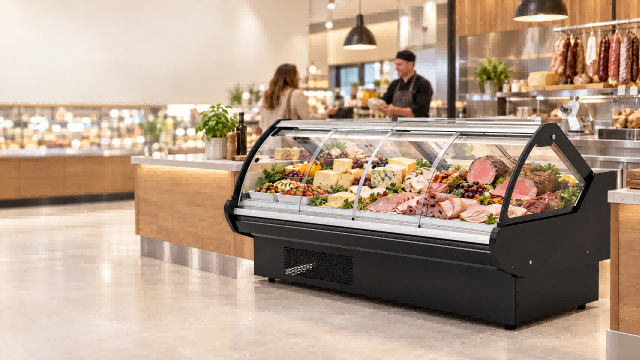
Our build method weaves in green coolants like R404A/R290 plus C-P insulation panels built for low-power runs—ideas baked into every model we make. This includes display chillers such as the Plug-In Supermarket Double Layer Meat Display Chiller Refrigerator.
About Create Refrigeration – A Global Cold Chain Manufacturer
As a top firm focused on commercial refrigeration fixes since 1999, we at Create Refrigeration mix fresh design with big production over 50,000 square meters of space. Shandong Create Refrigeration Co., Ltd. ranks as China’s biggest one-stop shop for supermarket gear and project builds. Our goal stresses skill, speed, tech progress, and world reach in all cold-chain areas—from store display cases to custom walk-in stores shaped by CAD services on our official platform. With approvals like CE, GS, ETL, PSE, RoHS, and more—plus sales to over 70 lands—we keep chasing green refrigeration that fits the world’s eco aims. We also offer trusted OEM work known to big global names.
To check custom fixes or talk about project needs with our tech team set on green cold storage advances, please head to our contact page.
FAQ
Q1: Which type of freezer offers better long-term reliability?
A1: Manual defrost freezers tend to last longer due to fewer mechanical components; however, modern frost-free models featuring high-quality compressors deliver comparable durability when maintained properly.
Q2: Do frost-free freezers cause more dehydration in stored foods?
A2: Yes—because they circulate drier air during auto-defrost cycles—but proper packaging techniques effectively mitigate moisture loss, ensuring preserved texture quality over extended storage durations.
Q3: How often should a manual-defrost freezer be serviced?
A3: Typically, every three to six months, depending on humidity levels and usage intensity; timely removal of accumulated ice maintains efficient heat transfer, preventing excess energy consumption during normal operation cycles.