Maintaining the operational efficiency of a walk-in freezer is crucial for food safety and managing energy costs. As equipment ages, tracking temperature recovery, structural integrity, and power consumption helps identify failing components before they cause costly breakdowns. This guide explores how to assess your freezer’s performance and navigate the critical decision between repairing or replacing aging units.
Assessing the Operational Efficiency of a Walk-In Freezer
Evaluating Temperature Stability and Recovery Time
A walk-in freezer’s efficiency mainly depends on its capacity to keep steady internal temperatures amid different operational demands. In busy periods, shifts in temperature might show worn insulation or poor compressor function. Tracking these changes aids in spotting if the cooling setup is working too hard against heat leaks or door openings. Moreover, how often the compressor turns on and off acts as a key sign for checks; too much cycling could mean problems with refrigerant levels or damaged parts that raise energy use.
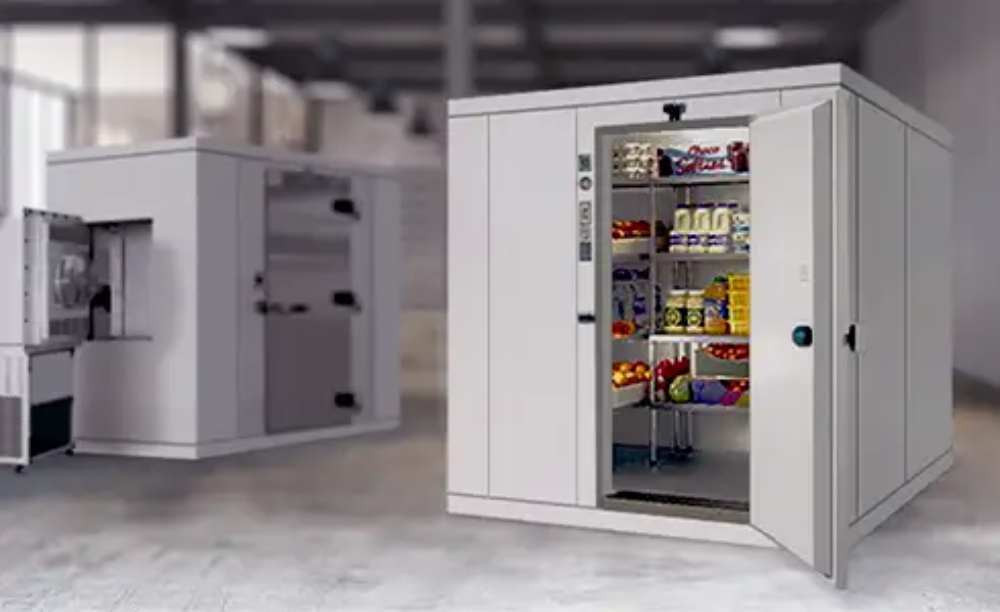
Checking recovery time following door openings proves just as important, since it shows both insulation quality and system quickness. A well-sealed freezer ought to return to its target temperature fast after each visit. Long recovery times might point to air sneaking in via faulty gaskets or poor airflow spread. For example, walk-in cooler/freezer series use smart air flow systems that bring back temperature balance quickly and even cooling during repeated access, which eases pressure on compressors and keeps products safe.
Monitoring Energy Consumption Trends
Studying energy use patterns gives clear data on dropping system performance. By looking at past usage records, operators spot unusual changes that usually come before part breakdowns. High power needs could stem from compressor damage, uneven refrigerant, or dirty condenser coils—all of which cut overall efficiency. Linking these issues to mechanical wear helps plan upkeep ahead to avoid expensive failures.
Our design approach stresses energy savings via clever construction. With the leading inverter compressor praised in the field, we make sure the product runs with less power, stays reliable, and cuts electricity costs by up to 50% in a year. This method not only lowers running expenses but also aids lasting green practices in business refrigeration setups.
Structural and Mechanical Integrity Indicators
Inspecting Panel Insulation and Seals
The basic build of a walk-in freezer greatly influences its heat-keeping ability. Routine checks of insulated panels for water entry, ice formation, or separation remain crucial to stop heat loss. In the same way, door gasket flexibility needs testing to confirm tight closure; stiff or split seals frequently cause moisture and frost buildup from heat bridges.
We apply thick foam materials and eco-safe insulation in our cold storage options to cut these dangers. Our items include full features like effective cooling setups, steady air barrier systems, green refrigerants, and foam agents, which support low-power running. Such choices boost strength while holding uniform internal conditions vital for food safety rules.
Evaluating Compressor and Condenser Performance
Mechanical dependability rests on watching intake and output pressures for odd signs that hint at blocked refrigerant paths or valve issues. Strange sounds or shakes often signal worn bearings or uneven motors needing prompt fixes. Clean condenser coils matter too—limited air flow hurts heat release effectiveness.
Our walk-in freezer models come with improved heat exchanger designs for the best air movement and heat removal. Regular cleaning plus automatic defrost runs guarantees ongoing work without heat buildup on parts.
Refrigeration System Diagnostics
Analyzing Refrigerant Charge and Line Conditions
Proper refrigerant handling keeps the system at peak strength. Gauging superheat and subcooling levels confirms the right charge amounts; off readings may uncover small leaks or faulty expansion valves. Oil traces on copper pipes also suggest leak spots needing repair.
Assessing Control Systems and Sensors
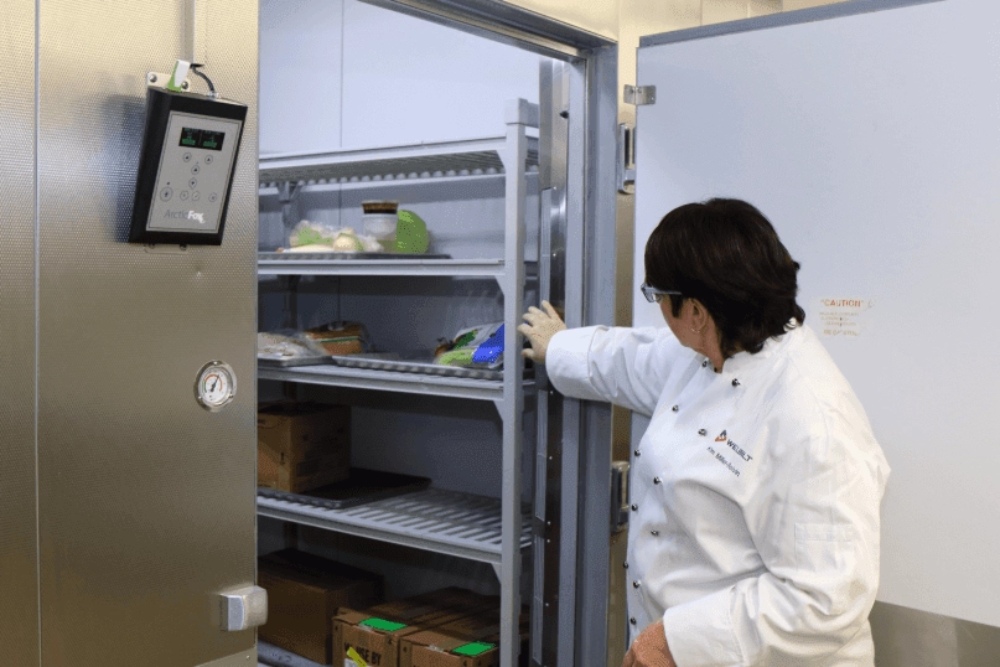
Today’s freezers depend a lot on sensor setups for automatic control. Temperature sensors and defrost detectors require regular tuning to avoid errors from shifts that harm product storage. Reviewing controller operations helps find odd cycling that suggests program errors or relay problems linking fans and compressors.
Hygiene, Safety, and Compliance Considerations
Identifying Sanitation Challenges from Aging Equipment
As time passes, steady moisture in old units promotes germ growth that endangers cleanliness rules. Rust on metal parts weakens the frame and breaks food safety laws by holding dirt. Thus, regular cleaning reviews should go with mechanical exams to reduce health risks.
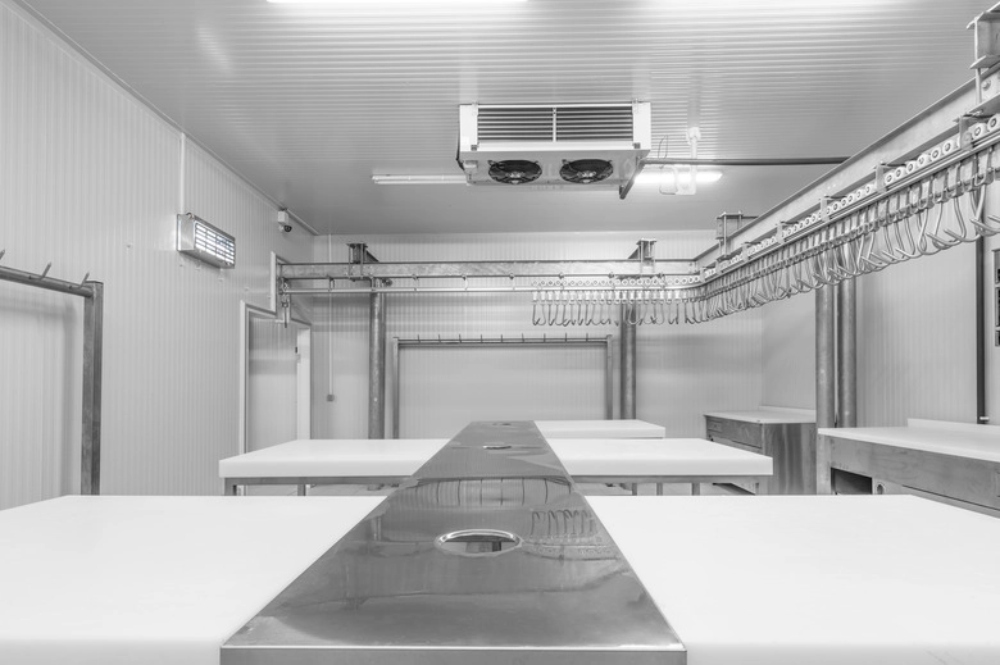
In current refrigeration work, evaporators form the heart of every fridge and freezer, handling moisture well in set spaces. Our builds use stainless steel air vents that resist rust, making cleanup simple while keeping clean conditions fit for controlled spots like stores or food plants.
Meeting Updated Industry Standards and Regulations
Following rules goes further than cleanliness—it covers sticking to new energy laws and green rules like DOE benchmarks and worldwide HFC reduction plans. Gear with old refrigerants needs swapping for earth-kind options like R290 propane systems that provide better heat traits with little harm to the planet.
We offer CO₂ answers from planning to making and create commitments to using green R290 refrigerants and fresh, energy-saving stuff in products. This pledge fits company ESG plans that push steady growth in global markets where rule-following boosts an edge in competition.
Economic Evaluation of Replacement vs Repair
Calculating Lifecycle Cost Implications
When deciding to fix or swap a walk-in freezer, looking at full-life costs becomes essential. Elements cover leftover useful time from part ages, total fix costs against expected gains from efficient new units, and possible income drops from stoppages in ongoing breakdowns.
After long growth, our plant expands and our goods improve. Now we serve customers’ wants faster and better. This setup maturity lets us give cheap upgrade routes suited for firms aiming to cut overall ownership costs via updated refrigeration tech.
Considering Technological Advancements in Modern Units
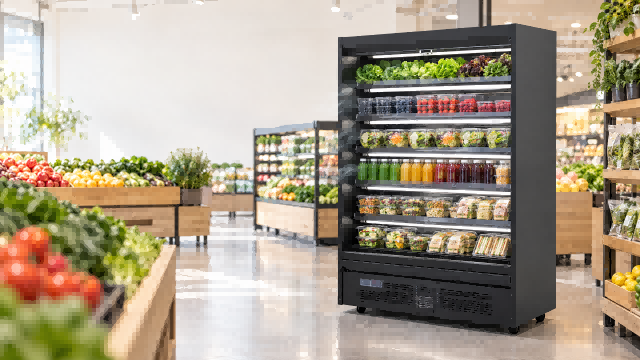
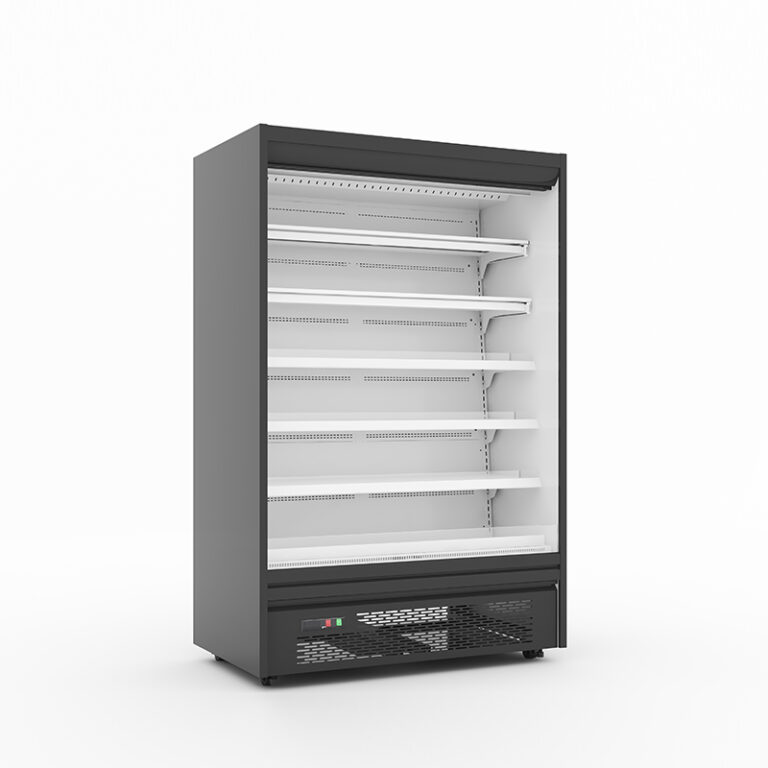
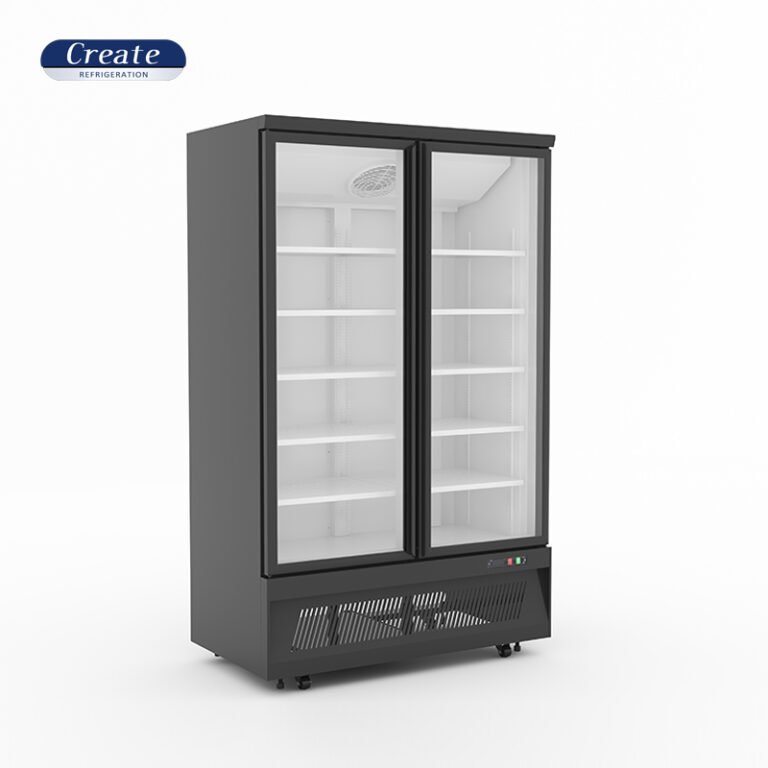
Progress like adjustable-speed compressors allows matching load changes—tuning power to current needs—which lessens wear and fine-tunes energy use. Our Multidecks Open Chiller shows this progress by mixing effective air barrier systems with smart control methods that hold even cooling at lower energy levels—a core idea for updating walk-in freezer setups to next-level standards.
Strategic Planning for Replacement Implementation
Scheduling Replacement to Minimize Operational Disruption
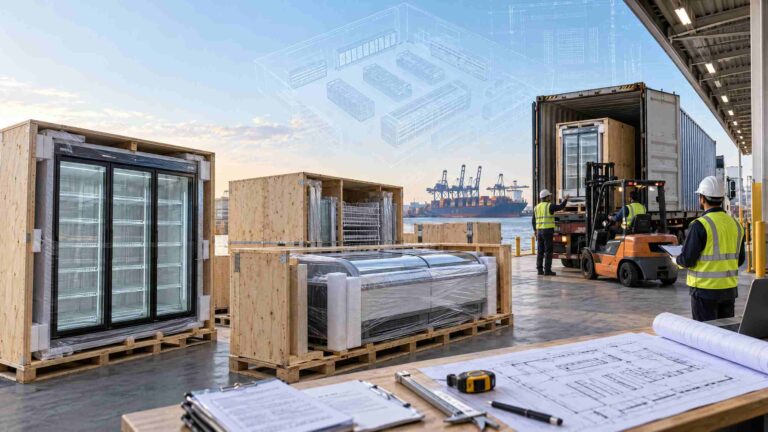
Swapping big refrigeration units calls for careful timing matched to work schedules to prevent stock damage or process halts. Backup cold storage should be set up first to ensure product safety during setup stages. We help customers with 2D plan matching services plus 3D views showing setup steps—smoothing teamwork while cutting downtime chances in shift times.
Selecting Specifications for Next-Generation Systems
Building specs should weigh both present storage needs and future size growth over the coming work periods. Picking materials focused on heat resistance, rust avoidance, and clean surface finishes ensures long-term compliance in heavy-use business spots. Our design team gives custom setup choices in various types, including island freezer units flexible for different store designs—each built with advanced foam tech that boosts insulation and drops long-run costs through better energy retention.
Introduce Create Refrigeration
Founded in 1999 with 27 years of expertise in commercial refrigeration manufacturing, Create Refrigeration stands as China’s largest one-stop procurement company specializing in supermarket cold chain equipment integration—from design through production—to deliver global turnkey solutions tailored for retail environments worldwide. The company occupies an area of 360,000 square meters. The products sell well in North and South America, Southeast Asia, Europe, and other regions. We uphold professionalism, technology-driven innovation, and sustainability at every stage of our operations—offering OEM/ODM customization services supported by internationally certified quality assurance frameworks (CE, CB, ETL, ISO). Clients benefit from free supermarket CAD-to-3D visualization services enabling seamless planning before purchase decisions are finalized—a hallmark of our commitment to precision engineering excellence across all refrigeration categories, including cold storage rooms and display cabinets designed for optimum food safety performance worldwide.
For consultation about upgrading your walk-in freezer system with high-efficiency models tailored to your facility’s operational profile, please visit our official site’s contact page, where our technical team is available to provide expert guidance throughout your project cycle.
FAQ
Q1: What are the first signs that a walk-in freezer needs replacement?
A1: Persistent temperature fluctuations despite maintenance efforts often signal failing insulation or compressor inefficiency, indicating end-of-life components requiring replacement rather than repair intervention.
Q2: How does modern inverter technology improve walk-in freezer performance?
A2: Variable-speed compressors adjust output dynamically according to load demand, reducing start-stop stress cycles, thereby extending service life while significantly lowering energy consumption rates compared with fixed-speed units.
Q3: Are eco-friendly refrigerants suitable replacements for traditional gases?
A3: Yes—natural alternatives like R290 offer excellent thermodynamic efficiency combined with minimal environmental impact, fully compliant with international phase-down policies governing high-GWP refrigerants globally.