Temperature control in restaurants is more than just a technical requirement. It is a fundamental rule to safeguard the quality and safety of the food served, as well as to comply with legislation. Items that are perishable are required to be stored at a temperature no greater than 41° F (5° C), while frozen foods must be stored at a temperature no greater than 0° F (-18° C) to prevent bacterial transfer. These temperature limits are a key component of the Hazard Analysis Critical Control Point (HACCP) system, which identifies potential hazards and outlines methods to control those hazards at each food preparation step. Additionally, area health regulations may be more stringent due to local conditions or methods of inspection.
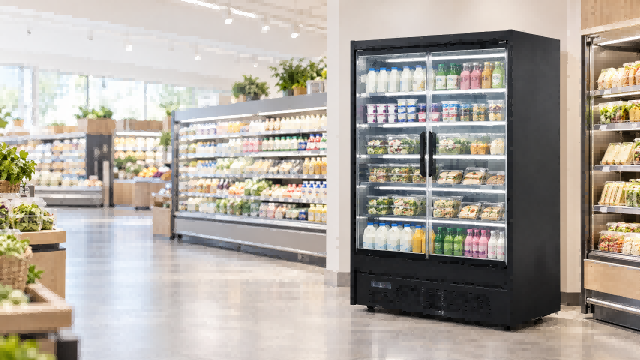
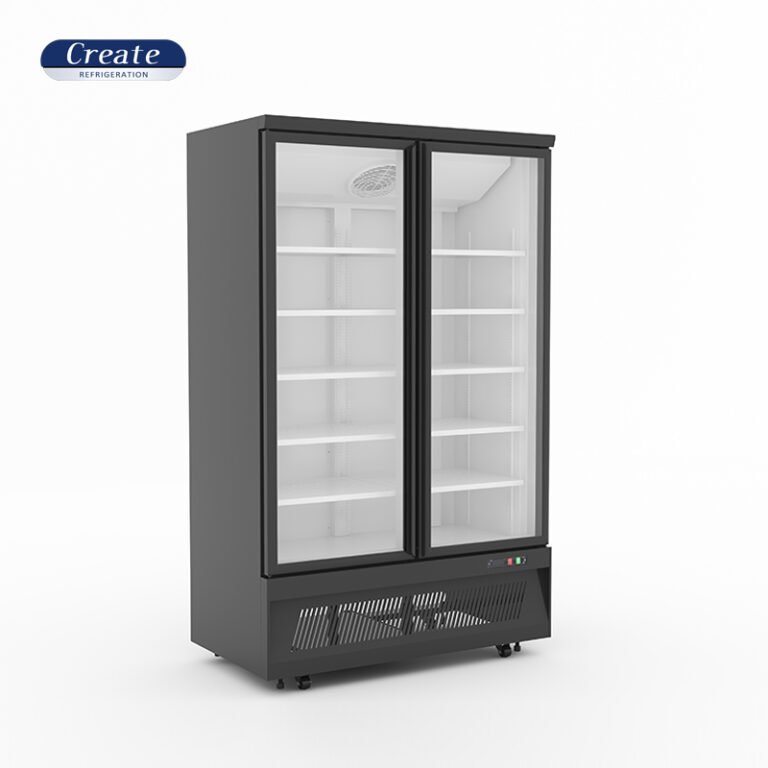
So, eateries need to install dependable cooling setups that hold these exact levels steady over time. Today’s business cooling devices include electronic tracking, automatic thaw processes, and even airflow spread to guarantee adherence in every section. Take, for instance, our Glass Door Freezer & Cooler line, built for stores and dining spots alike, with doors that shut on their own and are insulated well, plus smart duct setups that keep inside temps uniform and cut down on power waste.
How Do Refrigerator and Freezer Requirements Differ in Restaurants?
While fridges and freezers both play vital roles in eatery work, their main goals vary a lot. Eatery fridges usually run from 34°F to 40°F (1°C–4°C), striking a balance between curbing germs and keeping items fresh. Such a span avoids icing up soft goods like greens or milk items, and it eases chemical changes that lead to rot. On the other hand, eatery freezers have to hold temperatures at 0°F (-18°C) or less, making sure germ actions stop fully by creating firm ice crystals inside cell parts.
The basic science for these limits comes from how bacteria work: many harmful germs go inactive under 32°F (0°C), and cold-loving types that grow in chill spots still get held back in freezer settings. As a result, splitting fridge and freezer areas lets cooks handle uncooked meats, ready dishes, and new veggies based on how each reacts to cold.
Our island freezer units show this idea well, using small computer controls for temps and light displays for exact tweaks. Their steady cooling methods use just a fourth of the power that similar air-blown types do, matching up with green aims and HACCP rules.
Why Is Controlled Temperature Crucial for Food Preservation Science?
Managing temps shapes how germs act in kept foods right away. Germs like Salmonella or Listeria grow fast in the span from 41°F to 135°F (5°C–57°C), known as the “danger zone.” Keeping cooling under this span cuts their growth way down. So, key spots where temp shifts might happen need spotting, like when unloading supplies or after many door uses.
Cold-loving germs bring special issues because they grow bit by bit even close to ice points; that’s why steady watching is a must. Newer cooling setups use many-sensor loops that note inside changes every few moments to catch oddities before dirt risks build up.
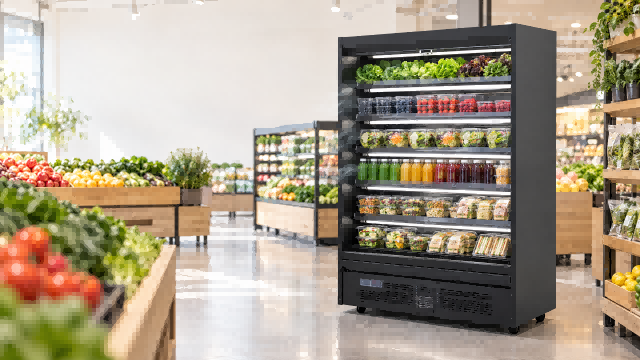
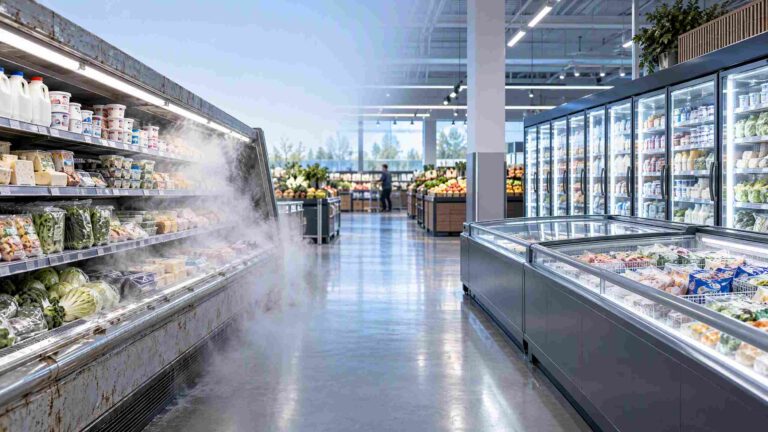
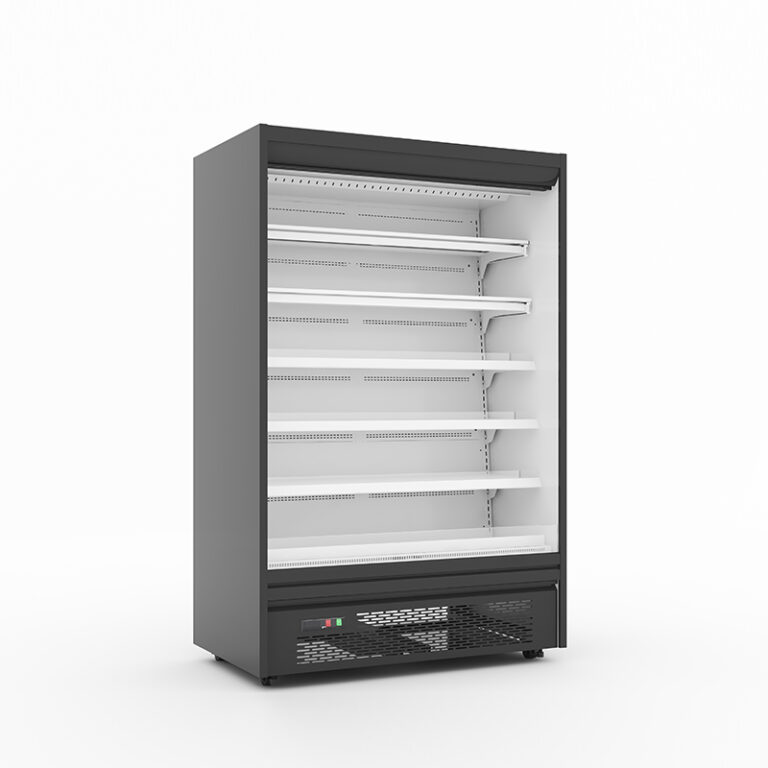
Our Multidecks Open Chiller blends in a strong two-layer air shield that steadies flow and lowers power use—a setup perfect for showing milk goods or drinks without hurting clean rules.
How Do Temperature Fluctuations Affect Food Quality?
Often, opening doors in active kitchens lets in hot air rushes that upset inside temps, causing moisture buildup or half-melted phases. Every such shift speeds up rust-like changes in oils and harms the meat’s texture through ice bits forming when frozen again. In the long run, these repeats lessen taste strength and the absorption of vitamins.
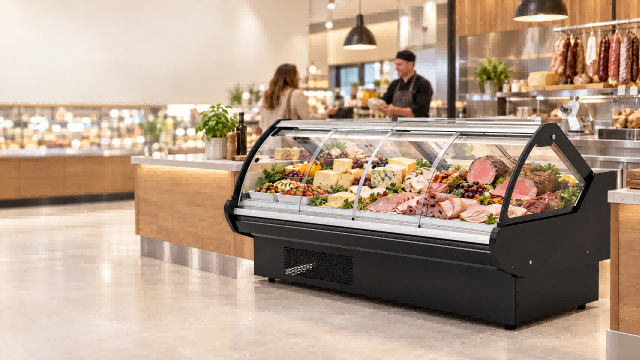
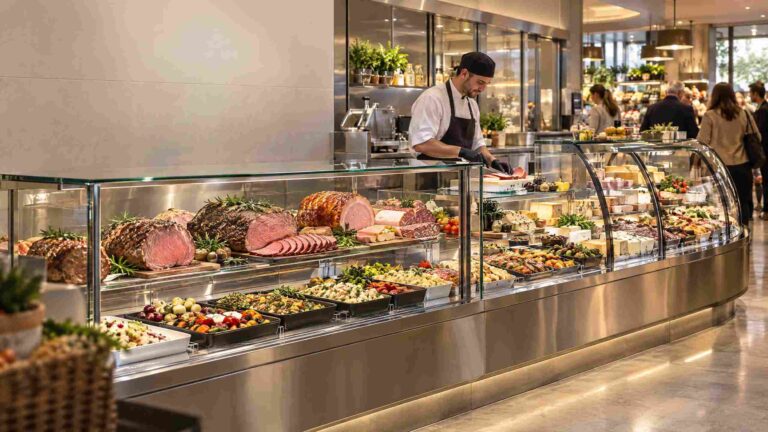
Handling wetness matters a great deal too: too much dry air dries out meats and plants, while extra wet air helps mold spread on the outside. Thus, the best cooling plans mix temperature accuracy and wet balance via changing fan rates or coil watchers. Our Deli Meat Showcase tackles these problems with a full-circle airflow setup, having several vents to even out case temps—keeping newness even in busy times.
What Are the Recommended Settings for Restaurant Refrigerators and Freezers?
For eatery fridges, holding a firm span of 34°F–40°F ensures safety without icing touchy parts. This advice fits FDA rules and boosts food traits like crunch in plants or smoothness in milk goods. Some easy-to-spoil items like fish might need it a bit cooler at 32°F to block chemical breakdown.
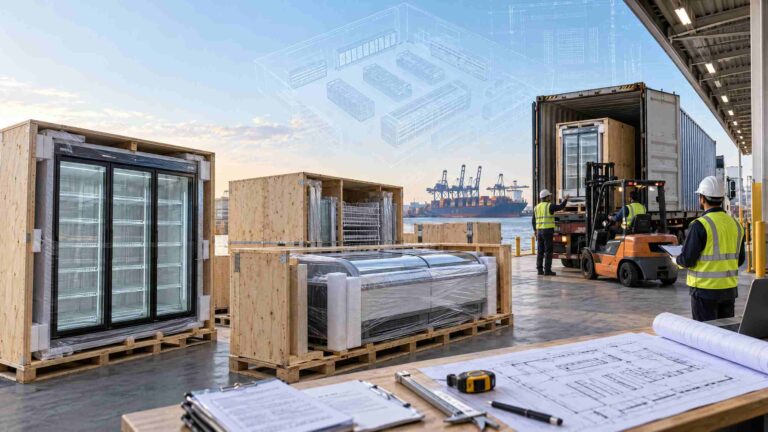
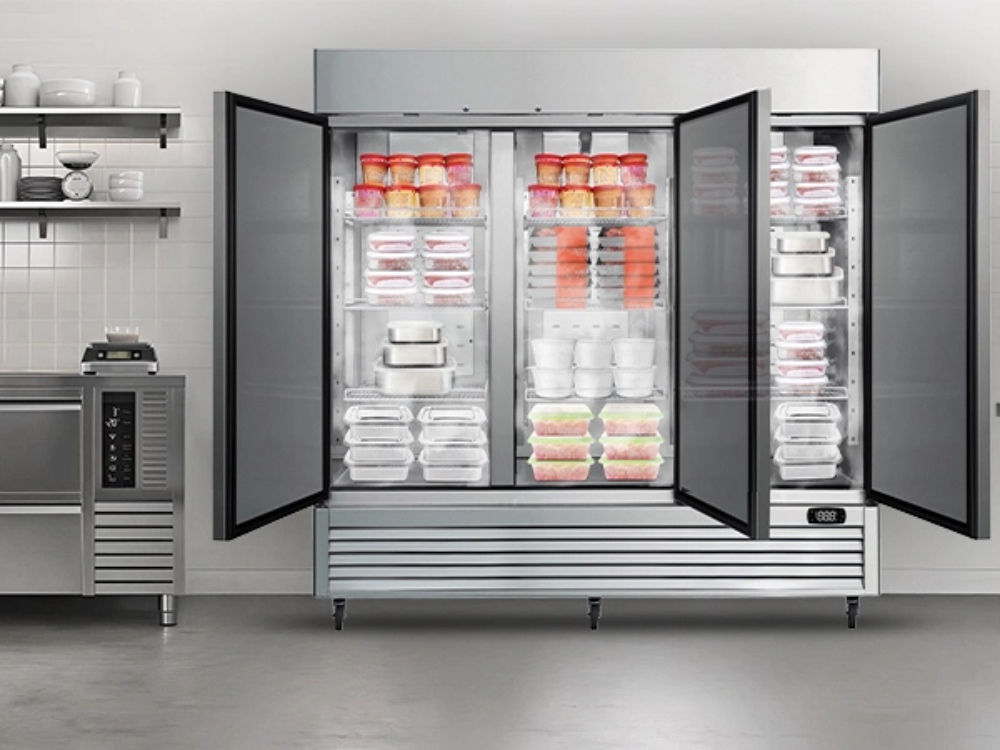
Eatery freezers ought to stay steady at 0°F (-18°C) or under. Here, chemical work stops altogether; stretching keeps time without causing harm if packed right. For long holds, units might use a deeper chill down to -10°F (-23°C) for big meat keepers. Our cold storage options can be tailored to kitchen setup and dish needs; we give CAD plan help that pictures hold setups before fitting to make sure of the best workflow.
Why Is Equipment Calibration Essential for Compliance?
Spot-on thermometer tuning makes sure the shown numbers match the real item temps, not air shifts in the sensor tips. Checks should happen each month with ice-water trials or approved standard tools based on workload. Electronic setups with record-keeping ease check paths needed in HACCP papers.
We suggest ongoing tuning backed by auto-alert tools that warn workers when shifts go over set limits—parts built into our walk-in cooler/freezer line made for big eatery tasks needing non-stop cold link work.
How Can Continuous Monitoring Systems Improve Safety Assurance?
Auto watchers placed in cooling units give live info reachable through main boards tied to building control programs. These setups start warnings if doors stay ajar long or pumps fail—stopping rot before check times end. Linking to cloud number crunching also allows guess-based fix timing from past trends, not just fix-after breaks. This smartwatch aids HACCP rules and boosts workflow by cutting hand-note loads over many spots—a big plus for chain eateries wanting the same standards worldwide.
Which Operational Strategies Maintain Consistent Cold Chain Performance?
The worker teaching forms the base: the staff have to do daily checks with tuned thermometers and note findings in order for the boss to check. If shifts happen, quick-fix steps—like moving goods to spare units—need clear spots in usual work plans (SOPs). Duty gets better when digital notes replace handwritten ones, as they are open to miss-outs.
Regular upkeep adds to steady work: wiping coil parts boosts heat swap, checking seal strips stops cold leaks, and testing pump power dodges high-cost stops from early breaks. These ways together lengthen gear life and hold to the marks.
How Are Advanced Technologies Transforming Cold Storage Reliability?
Clever cooling tech now uses Internet of Things (IoT) links to guess breaks before they cut service flow. Guess upkeep math looks at shake patterns from pumps or fan parts to predict wear states weeks in advance. Change-rate pumps shift as needed by load calls—cutting power in quiet times without hurting temp steadiness.
Number-crunching boards gather work stats over many eatery places to spot weak spots soon; patterns shown help bosses to best stock-turn plans from live hold states, not set times—a step to guess food-safe handling over fix-after watch.
About Create Refrigeration
SHANDONG CREATE REFRIGERATION CO., LTD., located in Xingfu Industrial Park, Binzhou City, Shandong Province, China, provides CO₂ solutions from design to production. Shandong Create Refrigeration Co., Ltd. is the largest one-stop purchasing company for supermarkets and engineering projects in China. We specialize in commercial supermarket refrigeration equipment, including stainless steel fixtures, cold storage rooms, island freezers, glass door coolers, multideck chillers, and walk-in systems—all designed around environmental responsibility through R290 refrigerants and energy-saving materials that promote sustainable operation across global markets spanning North America, Europe, Southeast Asia, Australia, and the Middle East.
Our manufacturing philosophy centers on precision engineering combined with customer collaboration: we offer free CAD-based supermarket layout designs with full 3D renderings upon purchase commitments so clients can visualize installations beforehand through our Supermarket Equipment Solutions & Custom Design. With certifications including CE, ETL, ISO, GEMS, ROHS, UL, and IEC—and a dedicated after-sales team available around the clock—we ensure seamless integration from procurement through long-term operation for every restaurant refrigeration system deployed worldwide.
To explore tailored solutions for your next kitchen upgrade or large-scale dining project, visit our About Us page or reach out via our Contact portal, where professional consultants can assist you in designing compliant cold chain infrastructures built for lasting reliability.
FAQ
Q1: What temperature should a restaurant freezer be set to?
A1: The ideal setting is at or below 0°F (-18°C). This prevents microbial activity entirely while preserving texture integrity over extended storage durations without nutrient loss.
Q2: How often should commercial refrigerator thermometers be calibrated?
A2: Monthly calibration is recommended under heavy use conditions; less frequent checks may suffice if automated digital monitoring systems are installed with verified accuracy logs.
Q3: Can smart monitoring reduce operational costs in restaurant refrigeration?
A3: Yes. IoT-enabled sensors detect inefficiencies early—optimizing compressor cycles and preventing spoilage events—which translates into measurable savings on energy bills and reduced waste disposal expenses across multi-unit operations.