The growth of commercial refrigeration compressors has changed the food retail sector, particularly in supermarket refrigeration setups. In the past, refrigeration depended on single-stage compressors. These offered only basic control over temperature and efficiency. With time, technology progressed. Hermetic and semi-hermetic compressors took the lead, and they offered greater reliability and simpler maintenance. Such systems created a major change, and they reduced leakage risks and made servicing easier.
Rules on energy efficiency have pushed steady improvements in compressor building, which push from regulations encouraged companies like ours to use inverter-driven compressors. These adjust their speed based on the need for cooling. As a result, they deliver big energy reductions. At the same time, they keep product temperatures steady.
At Create Refrigeration, we have led this progress. Our base is in Xingfu Industrial Park, Binzhou City, Shandong Province, China. We make products that fit every country’s market. They meet first-level energy savings, level 1 energy consumption, stable product performance, and safer food. 27 years of work have let us blend cutting-edge compressor methods into supermarket refrigeration gear, which meets worldwide rules for green practices and strong output.
The Shift Toward High-Efficiency Compressor Technologies
As supermarkets spread around the world, the demand for high-efficiency compressor technologies grew vital. Variable-speed and digital scroll compressors help match loads exactly. They change capacity to fit real-time cooling needs. Better motor output and fewer mechanical losses lead straight to less energy use, which matters a lot in big commercial refrigeration systems that run nonstop.
Electronic controls now hold a key spot in compressor fine-tuning. Built-in microprocessor systems tweak settings on the fly. They keep suction pressure even and cut cycling waste. We stress adding these smart control tools. This way, supermarket refrigeration units give top performance with little harm to the environment.
Key Design Innovations Driving Efficiency Improvements
Today’s commercial refrigeration compressors use multi-stage compression, which boosts the coefficient of performance (COP). It lowers discharge temperatures and improves gas flow routes. Oil handling systems also cut internal friction losses. Thus, they ensure smooth running for long stretches.
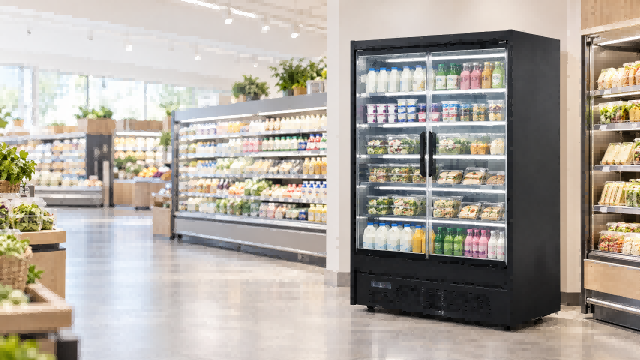
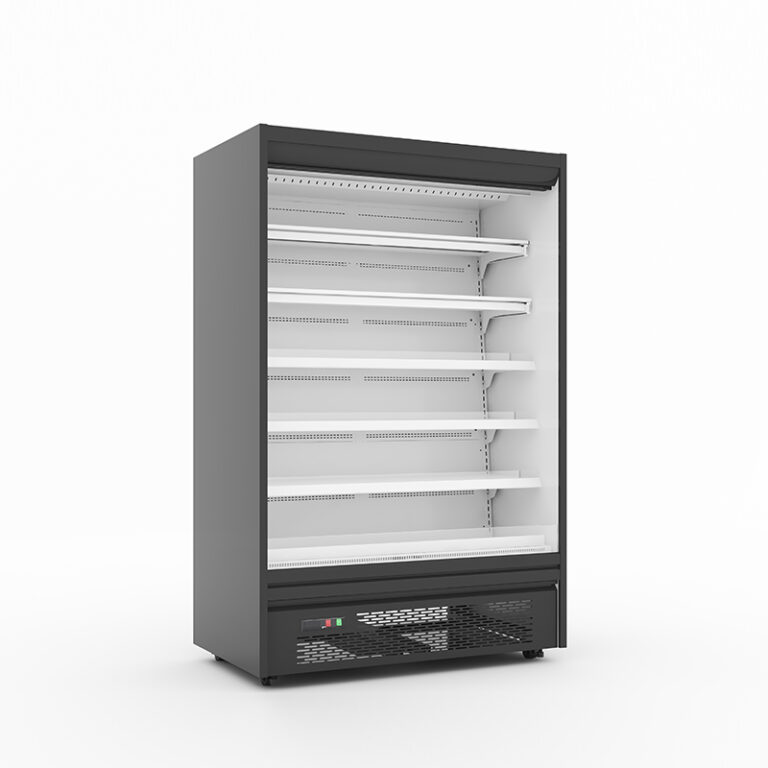
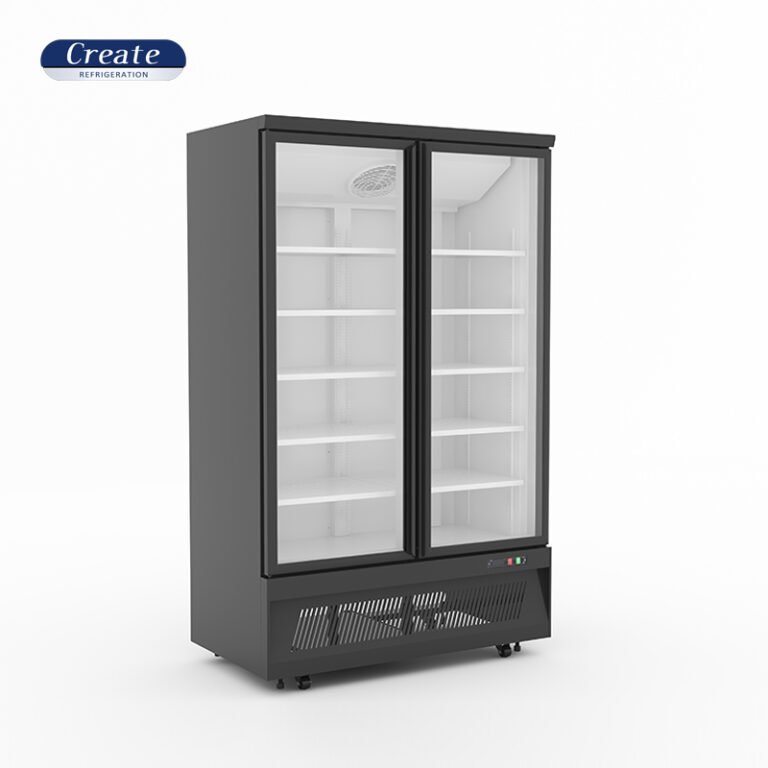
Exact machining raises volumetric efficiency, which does this by shrinking clearance spaces in the compression area. In our supermarket display refrigerators, like the Supermarket Display Refrigerator, these changes allow up to 55% electricity savings through frequency conversion technology. Meanwhile, they hold steady; inside temperatures are right for items that spoil easily.
Materials and Component Enhancements for Durability and Performance
Advances in material science have helped make compressors tougher in tough settings. Special alloys with great heat flow boost transfer speeds, and they also fight off rust from refrigerants like CO₂ or R290. Better rotor shapes cut down on swirl in the compression space, which lowers noise and part wear. Coatings that reduce friction lengthen the life of parts. They work well even in high-pressure runs common in supermarkets. There, cooling needs shift during the day.
Integration of Modern Compressors into Supermarket Refrigeration Systems
Linking several compressors in parallel racks spreads the load evenly across them, which provides backup and steady work. Algorithms for suction pressure control change system capacity as needed. They match shifting heat loads during busy shopping times or quiet nights. Our full solutions mix these approaches with links to building management systems, which allow overall energy tracking for all refrigeration items in a store chain.
Impact on Refrigerant Selection and System Architecture
The worldwide move to low-GWP refrigerants has changed compressor building goals. Designs that work with natural options like R290 back green aims. They do so without losing cooling strength. We offer CO₂ setups from planning to making. Plus, we stick to using eco-friendly R290 refrigerants.
In transcritical CO₂ systems that run at high pressures, custom compressor shapes keep output strong even in supercritical states. Flexible layouts, seen in our Perspective Window Wall-Mounted Combination Freezer, allow growth for big supermarkets, and they also built in a backup to cut downtime during fixes.
Control Technologies Enhancing Compressor Efficiency
Digital control setups now act as the smart heart of modern commercial refrigeration systems. Microprocessor controllers check temperature input from various sensors all the time, which shift the compressor speed to fit. Forward-thinking algorithms predict changes in need from shopper flow or outside heat shifts. In turn, this cuts needless cycling that shortens system life. Standards let refrigeration parts link smoothly to the main facility software. Operators can adjust output from afar using online panels.
Monitoring and Predictive Maintenance through IoT Connectivity
Sensors tied to the internet inside compressors watch vibration patterns, power use, oil condition, and output heat right away. Online tools study this info to spot early wear or low output signs before breakdowns happen. Far-off checks speed up fixes and drop upkeep costs over the gear’s full run.
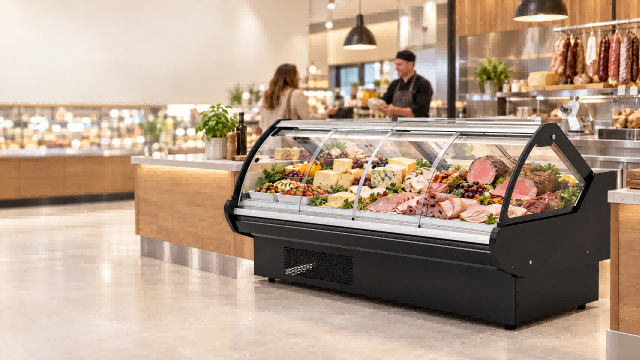
Our supermarket service counters, such as the Supermarket Service Counter Display Cooler, include these clever tools. They guarantee non-stop work even with heavy daily use.
Environmental and Economic Benefits of Efficient Compressor Design
High-efficiency compressors affect both green goals and running expenses. They lower the overall power use in supermarket chains. Higher COP numbers mean less energy goes to each bit of cooling, which cuts gases from power that warm the planet.
By choosing the leading inverter compressor brand known in the field, we make sure products run with less energy, stay steady, and can cut electricity costs by up to 50% in a year. Better handling at partial loads also avoids energy loss in slow times, like nights when loads are light.
Contribution to Sustainability and Regulatory Compliance
Designs for energy-efficient compressors aid supermarkets in meeting global rules like DOE or EU Ecodesign, and they also support pacts such as the Kigali Amendment to cut HFCs. Full-life reviews show smaller carbon marks when switching from fixed-speed old models to variable-speed inverter ones with natural refrigerants.
Future Directions in Commercial Refrigeration Compressor Development
3D printing now allows custom compressor parts tuned for certain flow patterns. It also cuts waste in making. Magnetic bearing methods offer no-friction running at changing speeds, which solves lube problems seen in standard builds. Mixed cooling methods that join mechanical vapor compression with heat-electric units are under trial for special uses needing very exact temperature holds, like drug storage spots in supermarkets.
Anticipated Advances in System Integration and Smart Control Algorithms
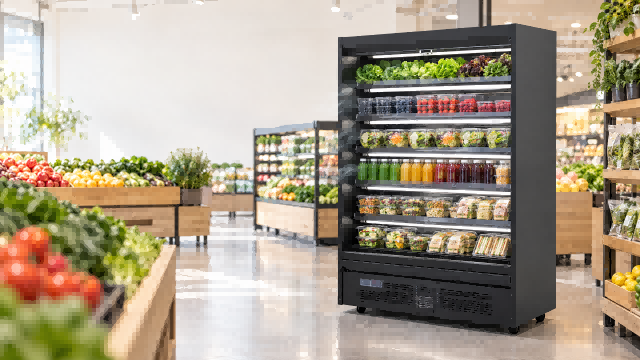
Artificial intelligence will soon handle auto-adjustments for whole supermarket refrigeration networks. It uses past load info mixed with weather outlooks or crowd patterns. Learning systems will improve staging in multi-area setups. There, varied temperature needs mix, from frozen items to fresh fruit cases like our Supermarket Dairy Fruits Display Showcase Half Multideck Cooler.
Better links among HVACR parts will build shared energy plans. These can balance cooling with lights or air flow needs, shaping smart store spaces run by efficient commercial refrigeration compressors built for future green rules. For custom advice on advanced supermarket refrigeration options or OEM partnership chances, get in touch via our official contact page at Contact Us.
FAQ
Q1: What type of refrigerants are used in your commercial refrigerator systems?
A1: Over 80% of our products utilize R290 environmentally friendly refrigerants, which align with low-GWP sustainability objectives while ensuring optimal cooling efficiency.
Q2: How do inverter-driven compressors improve supermarket refrigeration performance?
A2: Inverter technology allows dynamic adjustment of compressor speed based on actual load requirements, significantly enhancing part-load efficiency and reducing annual electricity consumption by up to half compared with traditional fixed-speed units.
Q3: Can your commercial refrigeration compressors be integrated into existing store management systems?
A3: Yes, our digital controllers support open communication protocols, enabling seamless integration into building management platforms for centralized monitoring across all refrigerated zones within a facility network.