The story of supermarket refrigeration mirrors the wider progress in cooling methods. Initial mechanical cooling setups appeared first in food preservation and shipping areas. They took over from ice-dependent methods by employing ammonia and CO₂ processes. As time passed, worries about safety and performance pushed a move away from ammonia setups toward man-made coolants. Yet these coolants later sparked ecological problems because of their harm to the ozone layer. Rules like the Montreal Protocol, along with later F-Gas rules, have pushed forward new ideas, which focus on coolants with low global warming potential and designs that use less power.
Technological Advancements in Supermarket Applications
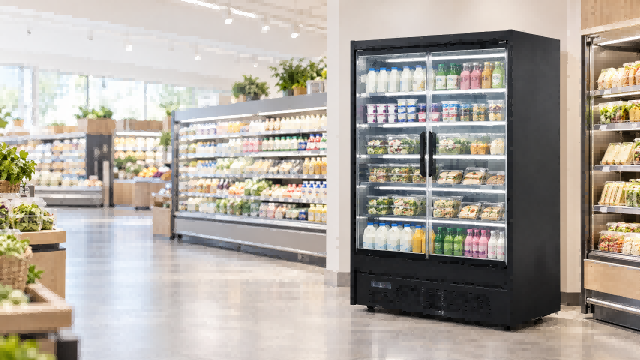
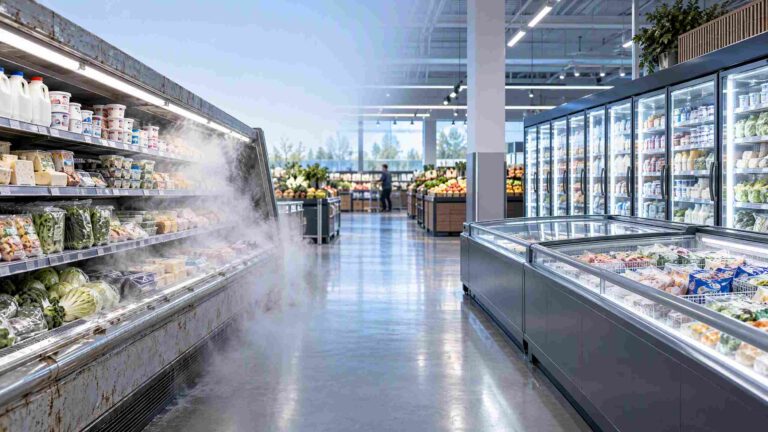
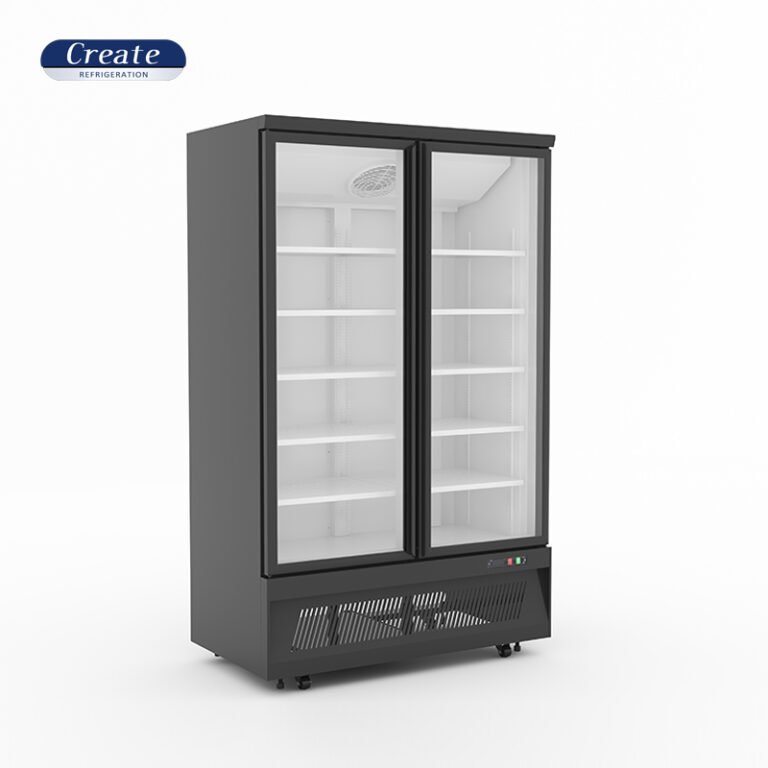
Today’s supermarket cooling has grown past just basic mechanical work, which now includes digital smarts for exact handling. Smart watch systems blend in to allow far-off checks and ahead-of-time fixes via IoT setups. Modular cooling parts let stores grow their work smoothly as shop plans widen or shift. For instance, our commercial multiple upright glass door supermarket freezer mixes auto-defrost features with microcomputer temperature handling. This setup guarantees even cooling over various goods types. Plus, it cuts electricity costs by over 55% thanks to its speed-changing ability.
Energy Efficiency and Sustainability in Modern Commercial Refrigeration
With greater focus on the environment, business cooling units lean more on natural coolants like CO₂, propane (R290), and ammonia. These have almost no global warming impact. More than 80% of our refrigerators use either R290 or eco-kind coolants. When set against fake HFCs, natural ones show better heat-working efficiency, and they also match EPA and F-Gas rules. This change cuts carbon output and boosts steady running for stores wanting green cold-chain answers.
Energy Optimization Strategies in Supermarkets
Power saving sits at the heart of handling supermarket cooling. Speed-changing compressors adjust to load needs on the fly, which lowers energy draw in quiet times. Heat reuse setups grab extra warmth from condensers. They use it for water or room warming, which improves the whole building’s power setup. Also, heat storage tech joins new systems for handling high-demand times. Our Deep Single Island Refrigerator shows this idea well, pairing strong compressors with a broad weather fit for reliable work in varied areas.
System Design Innovations for Supermarket Environments
Designs for supermarket cooling fall mainly into two types: central rack setups and separate plug-in parts. Central types give better shared-load performance. However, they need wide pipelines and steady upkeep plans. On the other hand, separate units bring easy-to-change options, and these suit small shop spots or step-by-step growth. Our goods can adjust to buyer wants, like adding bumpers, wheels, food frames, and extras. This flexibility makes sure every shop layout hits the best cooling results, which does so without hurting power goals.
Hybrid Cooling Solutions and Advanced Controls
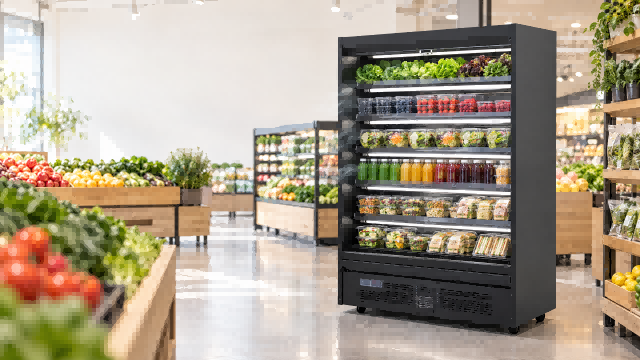
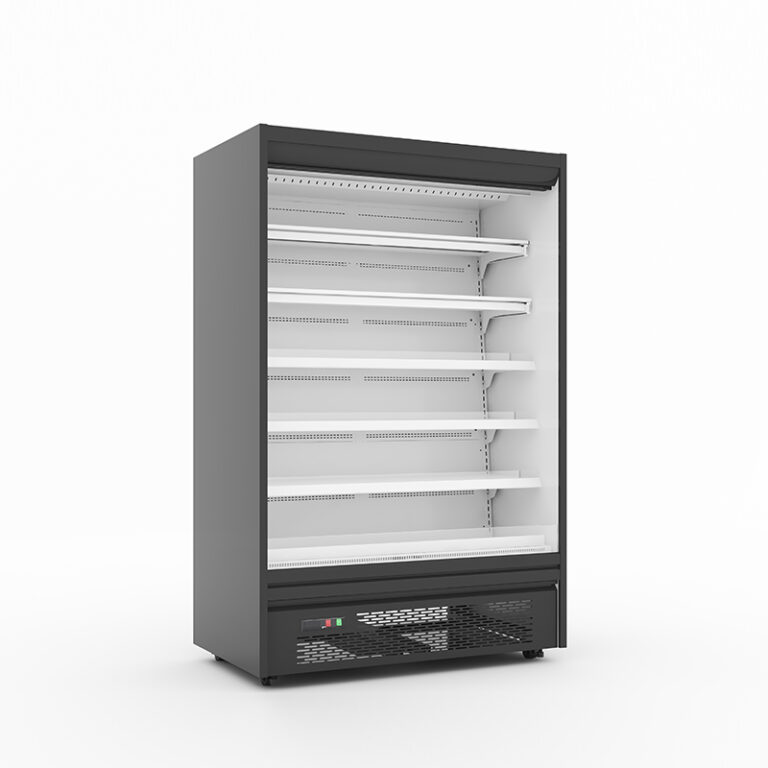
Mixed cooling plans that link air-cooled and water-cooled paths are rising in use. They balance cost savings with steady performance. IoT-based sensors keep watch on temperature shifts, compressor runs, and defrost times without stopping. This lets fixes happen before issues arise. Flexible control methods also adjust temperatures based on live product load changes. Our Half Multideck Cabinet and Semi Multideck Showcase features a strong double-layer air curtain. It holds even cabinet temperatures and cuts energy use at the same time.
Emerging Trends Shaping the Future of Commercial Coolers
Digitalization and Smart Store Integration
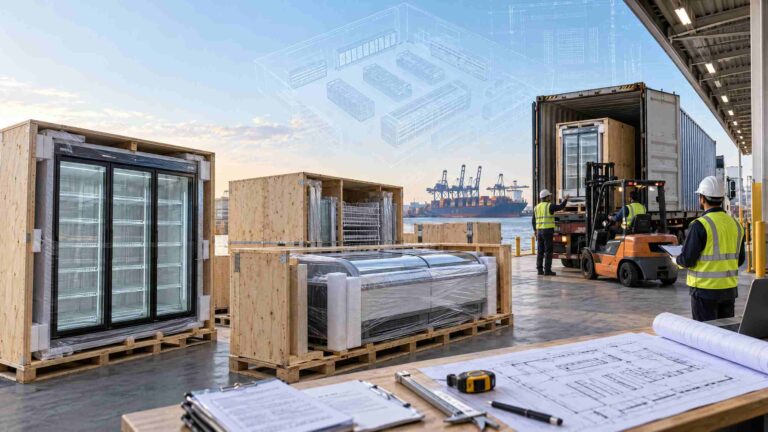
The move to digital in business cooling is changing how stores handle their cold chain bases. Cloud analytics tools now track efficiency live across many stores around the world. Ahead-of-time checks cut stop times by spotting part wear early. This lowers upkeep costs a lot over periods. Offering 2D Drawings, Matching Products, and Generating 3D Renderings to Help Customers Complete One-Stop Purchases highlights our way of mixing digital planning tools into each step of the job work.
Automation and AI in Refrigeration Management
Man-made intelligence grows in use to fine-tune compressor orders, handle defrost times smartly, and guess load shifts from shopper flows or weather outlooks. Learning machine setups boost quick responses in linked building handling systems (BMS), and they ensure full-power teamwork among HVACR parts.
Materials, Components, and Design Considerations in Modern Systems
New compressors stress speed-varying work for better half-load performance, and they also ease mechanical strain at start times. Oil-less scroll or screw types cut upkeep compared to old, greased ones. By choosing the leading brand inverter compressor known in the field, we make sure our items use less power, run steadily, and can trim up to 50% off electricity costs in a year. These changes lead directly to clear cost gains for store runners handling big setups.
Insulation, Heat Exchangers, and Cabinet Design Improvements
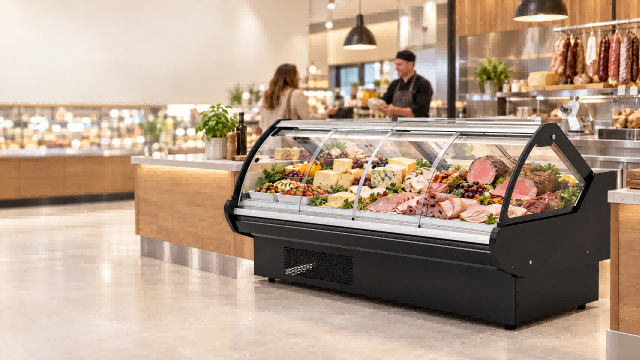
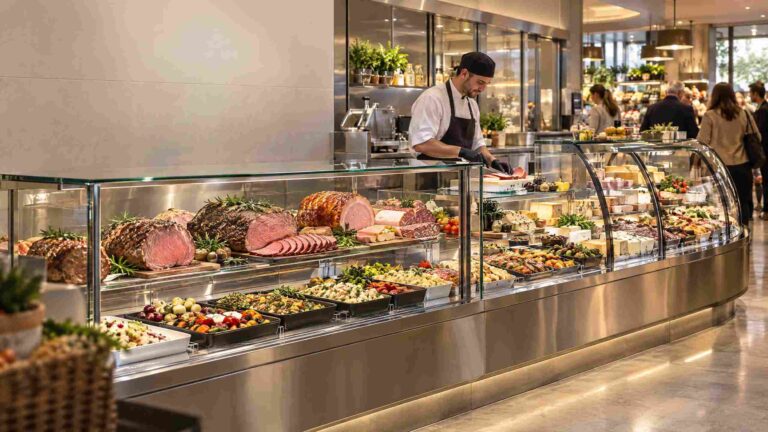
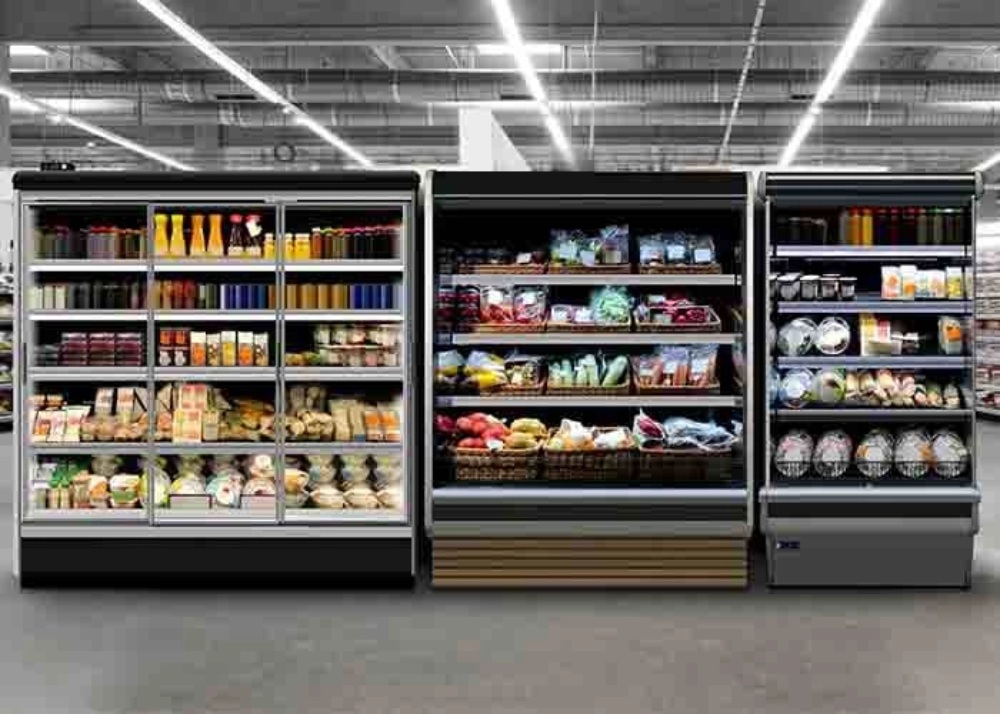
Strong insulation stuff paired with tiny-channel heat exchangers cuts heat loss a lot, and they also lift heat and move at speeds. User-friendly cabinet builds improve goods’ appearance without hurting cooling strength, which matters for buyer pull-in shop spots. Our Supermarket Right Angle Flat Top Service Over Counter shows this well through a clear toughened glass build. It boosts show space while keeping exact temperature control.
Regulatory Frameworks and Industry Standards Influencing System Development
The Kigali Amendment stresses a worldwide pledge to cut HFCs in fields like business cooling everywhere. Area rules such as Europe’s F-Gas Regulation or North America’s EPA SNAP program set limits for allowed coolant kinds based on GWP levels. Create and obtain CE, CB, ETL, ISO, GEMS, ROHS, UL, and IEC certifications. These approvals strengthen the following: not just safety steps, but also green care built into the making steps.
Safety Protocols and Maintenance Standards
New leak-finding tech has become required in current supermarket cooling installs, which ensures ongoing watch against coolant leaks or dirt risks. Upkeep plans backed by worker training stay key when dealing with natural coolants like CO₂ or R290. This is due to their set pressure traits.
Future Outlook for Supermarket Refrigeration Systems
Integration with Renewable Energy Sources
The link between green power generation and business cooling marks a big move toward cutting carbon emissions worldwide. Sun-aided cooling units lessen grid reliance by balancing compressor loads in daylight. Meanwhile, battery holds allow firm work in power-up or no-grid cases. Our New Commercial Butcher Shop Right-Angle Open-Type Meat Display. The freezer fits this path with its green R290 coolant use, which pairs with effective LED light tech made for long use life.
Anticipated Technological Disruptions in Commercial Cooling
Easy-connect modular builds ease setup steps while allowing bendy resets across shop styles. This gives a major edge in changing shop scenes worldwide. Low-GWP coolant steps keep pushing new ideas toward zero-emission aims. Here, full-life cost checks top the starting money spent.
About Create Refrigeration: Pioneering Sustainable Cold Chain Solutions
SHANDONG CREATE REFRIGERATION CO., LTD. is located in Xingfu Industrial Park, Binzhou City, Shandong Province, China. Our product is compliant with every country’s market, first-level energy saving, and level 1 energy consumption. stable product performance, safer food. We provide CO₂ solutions. As China’s largest one-stop procurement manufacturer specializing in supermarket refrigeration equipment—covering island freezers, open chillers, deli showcases, and stainless steel kitchen units—Create Refrigeration has established a global footprint across more than 70 countries spanning North America to Europe and Southeast Asia. Our engineering philosophy centers around professionalism and internationalization; we integrate research development with production excellence to deliver custom OEM/ODM services tailored precisely to client specifications.
Each solution—from concept CAD modeling through full-scale manufacturing—is supported by advanced simulation tools ensuring optimized airflow dynamics within every display case we produce. Whether customers need modular upgrades or complete cold storage solutions integrated into smart retail ecosystems, we deliver consistent quality backed by CE/ETL certification standards that validate both safety compliance and operational durability.
FAQ
Q1: What distinguishes modern supermarket refrigeration from earlier commercial cooler designs?
A1: Earlier designs focused solely on mechanical function; today’s systems integrate digital controls enabling precise temperature regulation while utilizing eco-friendly refrigerants like R290 for sustainability compliance.
Q2: How do natural refrigerants improve commercial refrigeration sustainability?
A2: Natural refrigerants offer near-zero ozone depletion potential combined with higher thermodynamic efficiency compared with synthetic alternatives—reducing total greenhouse gas emissions throughout system operation.
Q3: What services does Create Refrigeration provide beyond equipment supply?
A3: We offer complete project lifecycle support, including CAD-based layout planning, customized OEM manufacturing options, free 3D renderings for supermarket setups, international logistics coordination, and dedicated after-sales technical assistance available worldwide.