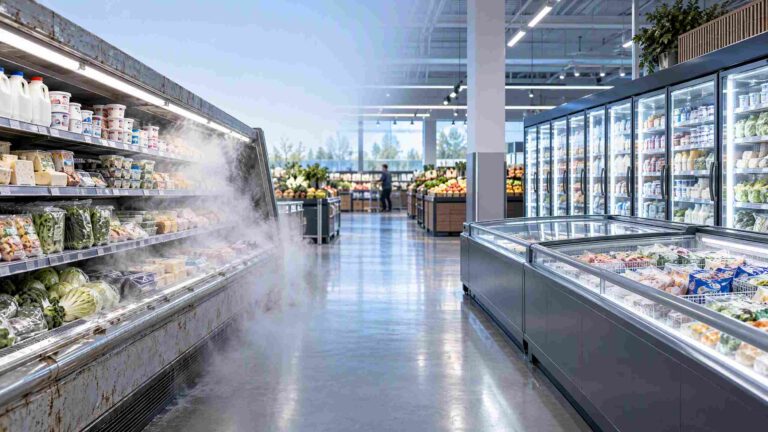
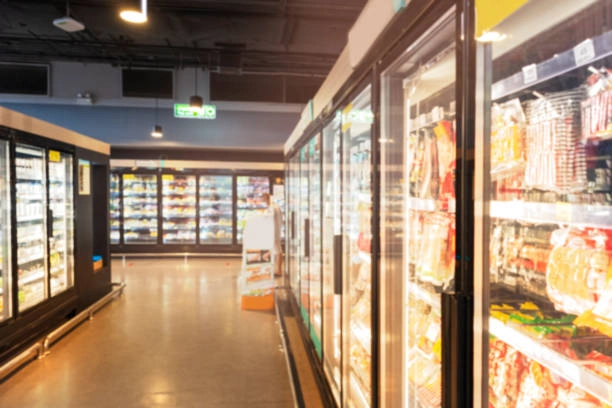
A moldy refrigerator goes beyond a simple visual problem. It poses a major hygiene and food safety risk, which can harm stored goods and the nearby area. Mold spores grow well in damp, food-rich spots. Refrigeration units often create ideal spots for them if upkeep is ignored. For experts handling business refrigeration setups, dealing with unseen mold is just the start. They must also wipe out hidden germ buildup to bring back clean conditions. Full sanitization helps these systems run smoothly, which boosts their durability and stops germ spread between foods and parts.
As a firm focused on expert refrigeration options, we at Create Refrigeration stress the need for clean storage through smart gear design and solid cleaning methods. SHANDONG CREATE REFRIGERATION CO., LTD. sits in Xingfu Industrial Park, Binzhou City, Shandong Province, China. Our items meet the rules in every nation. They offer top energy savings, level 1 use, steady work, and safer food, which focus on excellence shapes our way of handling eco-friendly refrigeration.
Key Factors Leading to Mold Growth in Refrigeration Units
Before starting to clean, it’s key to spot why mold appears in refrigerators or freezers. Bad airflow blocks air movement and holds in wetness. Shifts in temperature let water droplets build up on the inside walls. Food leftovers, like sugars and proteins from spills, feed mold spores. Over time, skipped upkeep speeds up germ piles in seals, edges, and water catchers. Knowing these causes lets experts set up ways to stop future germ issues.
Preparation Before Cleaning a Moldy Fridge
Cleaning a fridge full of mold needs firm safety steps. Experts ought to use nitrile gloves to avoid touching mold bits with skin. Goggles shield eyes, and masks filter tiny particles from the air. Good airflow matters a lot. Open windows or run exhaust fans to push out floating spores while working. Always cut power to the unit before cleaning inside, which avoids shocks when using wet cleaners or washing parts.
Removing Food Items and Components
Throw out all spoiled or old food right away in closed bags, which stops germs from spreading back. Take off parts like shelves, bins, pans, and door seals for washing apart. Keep good items in another working fridge or freezer at the right temps (1°C–4°C for chillers; –18°C for freezers). Such a move keeps the cold chain going without breaks. It also gives full room for inside cleaning.
Advanced Cleaning Techniques for Deep Sanitization
A full cleaning process uses chemical killing of germs and then washing and drying steps. These aim to clear sticky germ films and leftover cleaners.
Selecting Effective Cleaning Agents for Mold Removal
Experts should pick cleaners approved by the EPA that kill fungus bits without bad leftovers. Cleaners based on hydrogen peroxide work well, and they turn into water and air after use. Do not blend bleach with ammonia items, which mix gives off harmful chloramine gas. In places like food prep or store displays, green enzyme cleaners work safely, and they meet clean rules without issues.
Step-by-Step Deep Cleaning Process
Interior Surface Treatment
Start by spreading cleaner over all inside areas with soft cloths or gentle sprayers for an even spread. Let it sit for 10–15 minutes so it can kill deep mold groups well. Then, wash with fresh water to clear any cleaner bits, which keeps future air and food safe from harm.
Component-Level Sanitization
Soak loose parts in germ-killing mix for best cleaning. Scrub them with soft brushes after. Door seals and gaskets need extra care, and they hold water where mold hides easily. Swap them if they look worn. Dry each part fully before putting it back. Leftover wet spots can bring germs back fast.
Odor Neutralization and Air Circulation Restoration
After removing unseen mold, bad smells might linger from rotting stuff. These come from gases in the air. Carbon filters or careful ozone use can kill smells without hurting parts if experts handle it right. Check evaporator coils, too. Buildup there holds smells and blocks air flow. Clean air holes and fans well to bring back strong air movement in the fridge space.
Preventive Maintenance After Deep Cleaning
Temperature and Humidity Control Strategies
Keeping steady conditions inside stops mold from coming back in refrigeration units. Set chillers to 1°C and 4°C, and freezers to –18°C to slow germ growth. Use digital tools to monitor humidity all the time. Hold it under 60% to cut water drop risks that start spore growth.
Regular Inspection and Sanitation Schedule
A planned upkeep routine boosts long-term clean standards. Wipe surfaces weekly with light cleaners to stop small dirt from growing big. In busy spots like stores or eateries, do full cleans every three months for steady work. Keep records of each task for checks and tracking.
Material Considerations in Professional Refrigeration Units
Choosing materials affects how simple it is to clean a fridge after mold hits. Stainless steel insides fight rust and give flat surfaces that make cleaning easier. They beat rough plastics or coated metals that hide germs longer. Anti-germ layers cut sticky films on spots like handles or buttons, too. New refrigeration styles use curved inside edges to remove tight spots where junk builds up daily. Pull-out shelf setups give full reach during clean rounds, which helps a lot when doing full washes after germ events.
Introducing Create Refrigeration – A Reliable Partner in Professional Cooling Solutions
Create Refrigeration focuses on advanced business cooling gear, like chillers, freezers, and show units for clean-needed places. Our factory covers over 360,000 square meters with more than 500 workers around the world. We ship to North America, Europe, Southeast Asia, and more, backed by certs like CE, CB, ETL, ISO, ROHS, UL, and IEC. We push green tech with R290 safe coolants and power-saving compressors. These cut electric use by up to 50% each year. This shows our drive for strong, earth-friendly design.
Product Range Supporting Hygienic Storage Needs
Our lineup has types made for easy cleaning:
Glass Door Chillers & Freezers
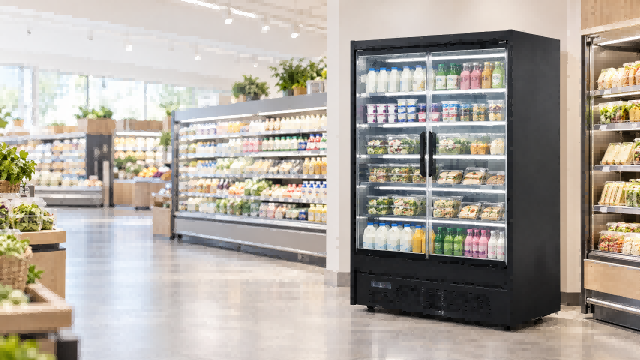
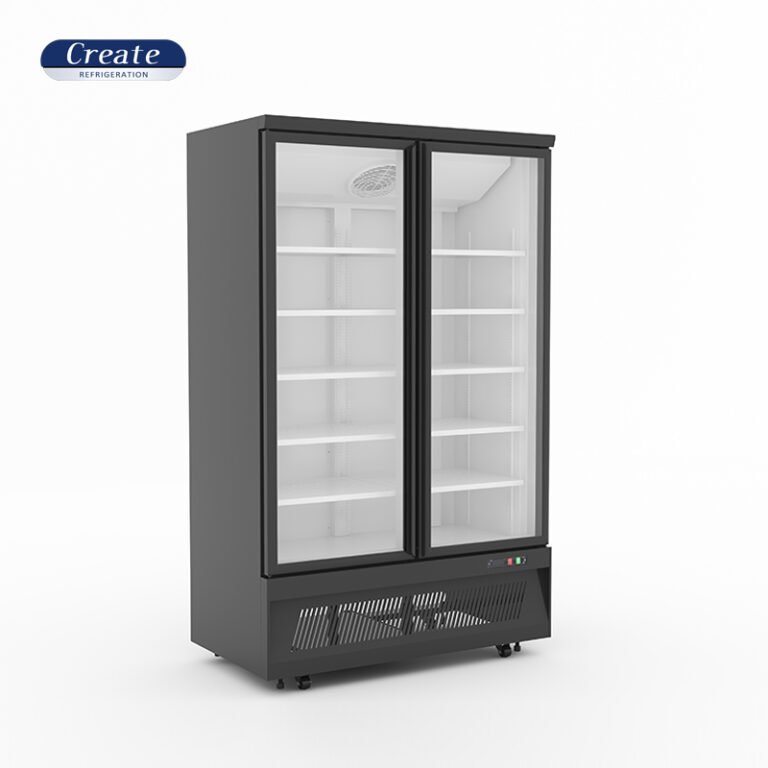
The Supermarket Glass Door Display Commercial Refrigeration has big, clear windows with doors that shut on their own. They save cold air and lower outside germ entry. It’s great for drinks or milk shows that need steady temps.
Customized ODM/OEM Services
We offer a skilled team for OEM/ODM custom work, which covers standard items, changed ones, and made-to-order. It fits all clients’ wants. Our techs work with customer drawings to make cooling fits for space or look needs.
Commercial Display Equipment Examples
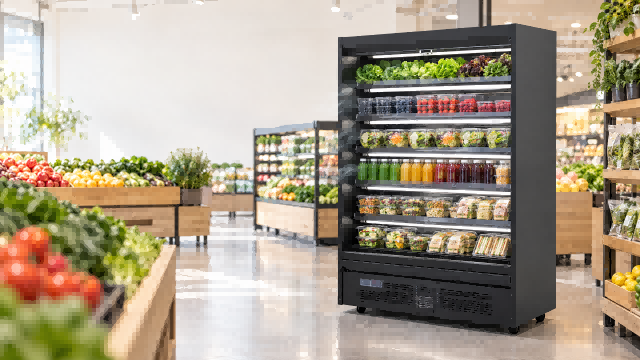
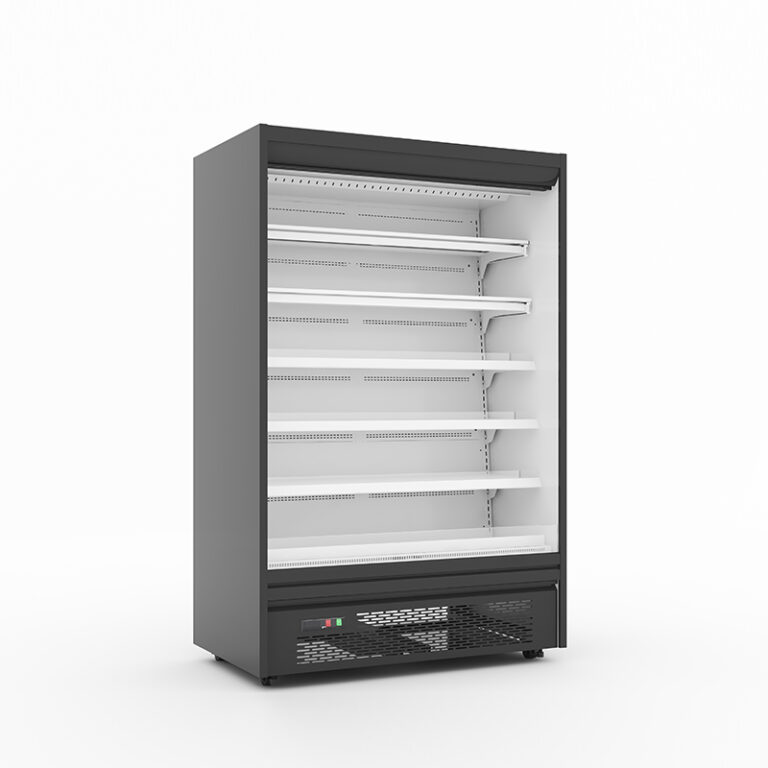
For showing frozen items with good looks and clean safety, our Deep Single Island Refrigerator uses wide glass sides. It boosts views while keeping strong airflow to stop ice buildup. This matters for seafood or ice cream in the long run. Plus, small open coolers like the Semi Multidecks Complete Machine for Mini Market Refrigerator fit tight store setups. They save room yet clean easily for fruit or drink storage that needs quick grabs during open hours.
Conclusion
Full sanitization of a moldy fridge calls for exact steps backed by the right tools and firm cleaning rules for each part, from prep to after-checks, which brings lasting cleanliness without hurting gear strength or power use. By mixing steady upkeep with new designs that stress easy-clean features, like steel insides and pull-out shelves, experts protect buyer health and work steadiness at once. Working with top firms like Create Refrigeration gives entry to high-end business fridges plus full tech help based on years of build know-how for strong cold chains worldwide.
FAQ
Q1: How often should a professional-grade refrigerator be deep cleaned?
A1: Deep cleaning every three to six months is recommended, depending on usage intensity; heavy-duty supermarket units may require quarterly intervals aligned with regulatory sanitation guidelines.
Q2: What type of disinfectant is most effective against mold inside refrigerators?
A2: EPA-approved biocidal agents or hydrogen-peroxide-based cleaners remain preferred choices due to strong antifungal properties combined with safe residue profiles suitable for food-contact environments.
Q3: Can ozone treatment be safely used inside commercial refrigerators?
A3: Yes—but only under controlled application by trained personnel—to ensure effective odor removal while avoiding material degradation within internal components when properly ventilated afterward.