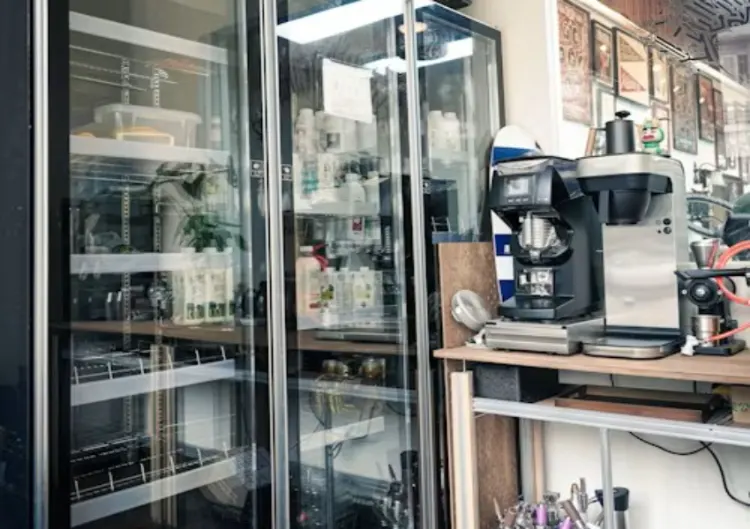
A commercial refrigerator can look perfectly ordinary on a quotation and still be the wrong choice for a store that regularly sees 40C+ air. The issue is not simply whether the cabinet can start. The real question is whether it can reject heat, recover after stocking, run through defrost, and protect the product at the specified installation condition. That calls for a model-level answer, not a broad claim that a commercial fridge hot weather setup will always be stable.
Ambient temperature is the air around the cabinet. It is not the same thing as cabinet temperature, product temperature, compressor discharge temperature, or condensing temperature. As the room or outdoor air rises, the condenser has less favorable air for releasing heat. At the same time, door openings, warm product loads, lighting, shoppers, and a nearby cooking area may add to the load. This is why commercial refrigerator ambient temperature belongs in the RFQ from the first discussion.
What Does 40C+ Ambient Actually Mean For A Cabinet?
A 40C+ statement needs context before it has procurement value. Is that the maximum outdoor temperature, the average inside the sales area, the air at the condenser inlet, or a short heat spike near a loading bay? A remote system can place its condenser in a different environment from the display case. A plug-in cabinet rejects heat into the room where it stands. They should not be assessed as if they face the same condition.
Ambient Temperature Is Only One Part Of The Load
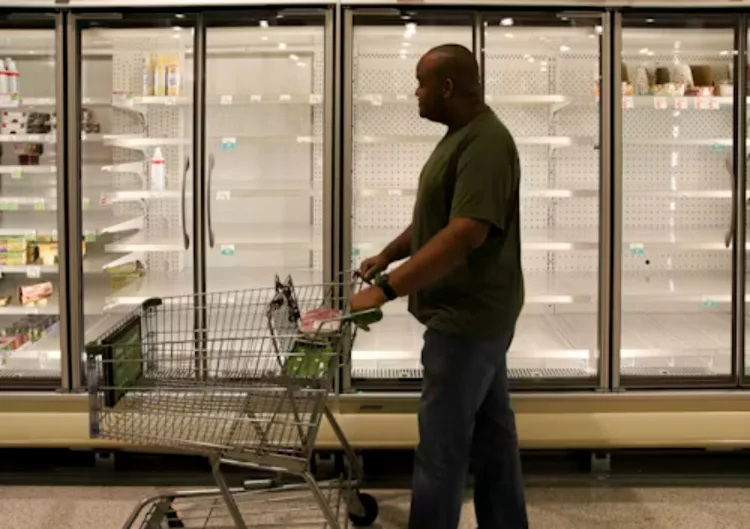
High temperature refrigeration is shaped by several loads working together. Product arriving warm requires pull-down capacity. Frequent door openings replace cold air with warmer air. An open-front display depends on its air curtain and can be affected by a nearby entrance or air-conditioning discharge. Glass, insulation, lighting, fans, defrost heaters, and cabinet loading can all change the result. Asking only for a maximum ambient figure leaves too much unresolved.
Condensing Conditions Need Their Own Question
The condenser needs a clear path for air in and out. When its intake air is hot, blocked, or recirculated, the refrigeration system works under more pressure. A cabinet set against a wall, boxed into joinery, or placed beside a hot appliance may have a worse condenser environment than the store thermostat suggests. Ask for the required clearance, airflow direction, service access, and whether the rating is based on plug-in or remote refrigeration.
Which Cabinet Features Matter In Hot Stores?
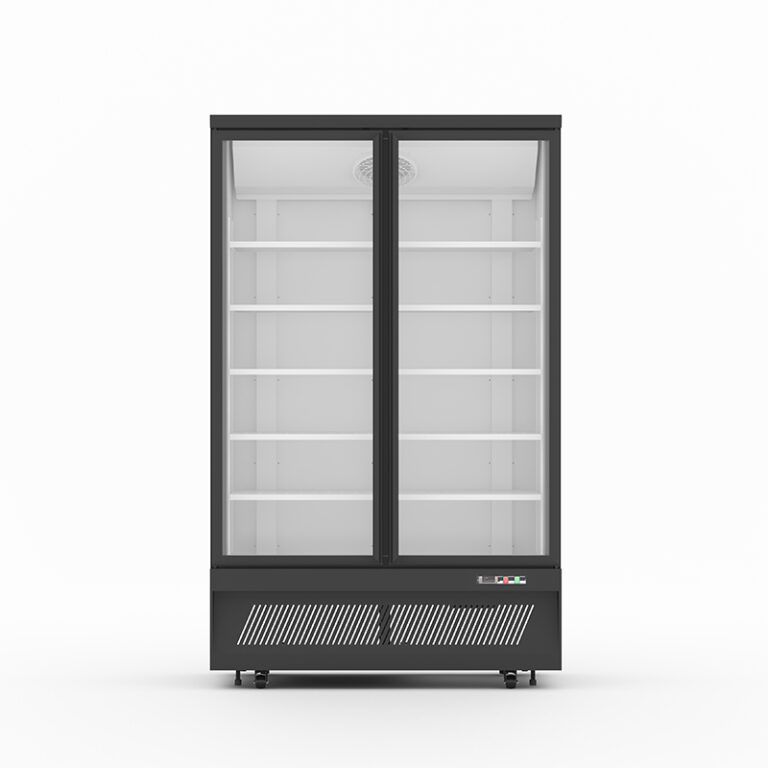
Construction details do not replace performance evidence, but they show what needs to be matched to the application. Create Refrigeration’s glass-door range is described with self-closing glass doors, double-layer insulating glass, a high-quality air-duct design, a high-efficiency heat exchanger, thick insulation, and air-cooled circulation with rear and back compensation air delivery. These are useful points to verify against the exact cabinet, not a blanket promise for every model.
Door And Glass Choices Change Daily Heat Gain
A glass door refrigerator can limit repeated exchange with store air when doors close properly. Yet the answer still depends on how long they stand open during replenishment, whether a door is held open, the number of doors, the glass package, anti-fog heating, and the product load. A buyer should compare the supplied door arrangement with the one used for any stated performance result.
Airflow Is A Practical Store Issue
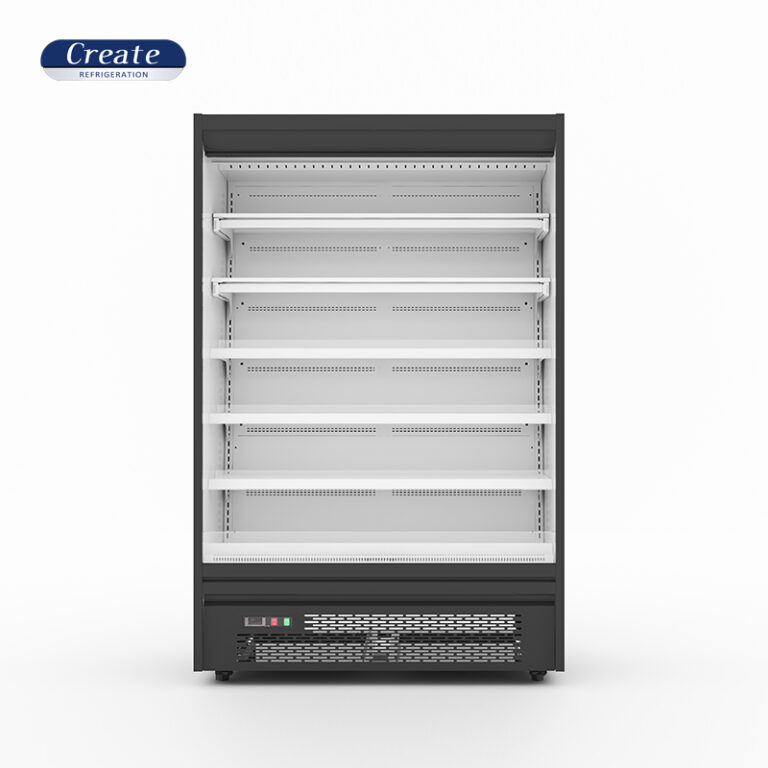
For a display chiller, shelf loading and nearby airflow deserve attention. Create Refrigeration’s air-curtain information includes rear-board outlets, adjustable shelves, night curtains, a thick foaming layer, and double-layer air-curtain circulation. In a hot store, cartons pushed into an outlet or a strong draft crossing the cabinet face can disturb the intended air path. The installation drawing should show clearances and the permitted loading line.
Create Refrigeration‘s air-curtain information includes rear-board outlets, adjustable shelves, night curtains, a thick foaming layer, and double-layer air-curtain circulation. The exact cabinet configuration still needs to be confirmed before a buyer treats those details as part of a hot-weather order.
How Should Buyers Specify A Hot-Weather Installation?
Start with a site sheet. Record the proposed location, maximum and normal ambient temperature, humidity, direct sun, ceiling height, air-conditioning supply position, nearby heat sources, loading-bay exposure, store opening hours, and expected door or restocking activity. Send photographs and a plan view. This prevents a supplier from evaluating a clean laboratory-like space while the buyer is planning for a hot, crowded sales floor.
Then ask the supplier for the model’s stated climate class or application condition, test basis, allowable installation clearances, compressor and condenser arrangement, refrigerant, controller settings, defrost method, and required electrical supply. The term wide climate class appears in Create Refrigeration’s island freezer information, but a buyer should still obtain the relevant classification and test conditions for the exact SKU. It is not evidence that every commercial refrigerator can operate at 40C+ in every layout.
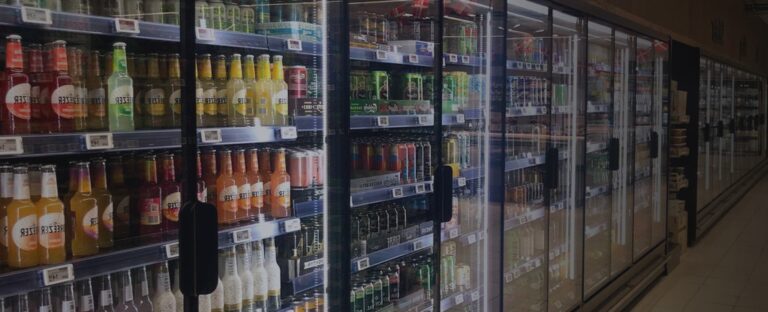
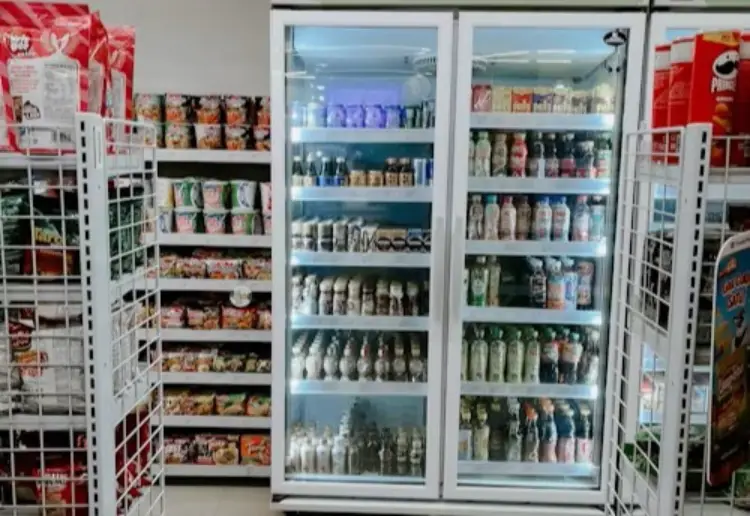
The supermarket display chiller category is useful for reviewing the difference between display access and heat load. For a glass-door or open case, request the delivered cabinet length, shelf layout, lighting, controller, refrigeration arrangement, and approved ambient condition. For remote equipment, include pipe route, condensing-unit location, installer scope, and local service responsibility.
Check The System, Installation, And Handover Together
Refrigerant choice and system configuration matter, but neither is a shortcut around heat rejection. Create Refrigeration records R290 use in many refrigerator models and also lists R404A or R290 options on selected plug-in cases. The correct question is which refrigerant and component set belongs to the quoted model, and whether local rules, ventilation, electrical protection, and servicing arrangements suit that configuration. Do not request a refrigerant change without asking how it affects the model evidence.
For frozen products, the island freezer family combines compressor and fan components, a controller, automatic defrost, modular arrangement, and sliding-glass display features. During a high-ambient review, buyers should ask where the condenser heat goes, how defrost is managed, what alarms are fitted, how product is loaded, and what recovery test is proposed after opening or stocking.
Create Refrigeration also records CAD and 3D layout support, customized project work, pre-production samples, final inspection, a one-year warranty, and spare-parts support for some bulk orders. These services can help a buyer turn site heat, aisle geometry, equipment spacing, voltage, and maintenance access into an approved build. A commercial refrigeration supplier should receive the site constraints before production, not after the cabinets are placed. Continue reading our another guide.
A 40C+ Buyer Checklist
- State the maximum expected air temperature at the condenser intake, not only the city weather forecast.
- Identify plug-in or remote design, condenser location, ventilation clearance, and sources of recirculated hot air.
- Provide the product type, incoming product condition, loading rhythm, door activity, shelf loading, and opening hours.
- Request exact climate-class or test-condition evidence, cabinet configuration, electrical details, refrigerant, defrost method, and controller settings.
- Agree on site commissioning checks: supply voltage, airflow clearance, condenser cleanliness, cabinet alarms, defrost behavior, and recovery after a representative load.
A cabinet may be suitable for a hot market, but only after its model, application, and installation conditions line up. Treat 40C+ as a design input. That approach is more useful than an unconditional promise and gives store teams a clear basis for acceptance and follow-up service.
FAQ
Q1: Can every commercial refrigerator handle 40C+ ambient temperature?
A1: No. Confirm the exact model, climate classification, or stated application condition, installation clearance, load profile, and test basis with the supplier.
Q2: Does a higher ambient temperature always mean the product temperature will rise?
A2: It raises the refrigeration burden, but the outcome also depends on condenser airflow, product load, doors, defrost, controller settings, cabinet condition, and installation.
Q3: What should be checked first in a hot store?
A3: Check air around the condenser, blocked grilles, hot-air recirculation, door activity, shelf loading, electrical supply, alarm history, and the actual cabinet configuration.