A heatwave does not make a supermarket freezer fail in one single way. Sometimes the first sign is a longer compressor run. Sometimes it is a cabinet alarm, fogged glass, a warmer reading after restocking, or a freezer temperature rising in one location while another case looks normal. The common thread is extra heat arriving faster than the refrigeration system can remove it under the current conditions.
The response should be practical and ordered. Confirm the temperature reading, protect food according to the store’s food-safety plan, reduce unnecessary load, inspect airflow and heat rejection, and record what changed. A heatwave is also a revealing test of the installation: blocked condenser air, poor clearance, warm air recirculation, heavy loading, and repeated door opening become more consequential when outside conditions are already difficult.
Why Does A Heatwave Push Freezers Harder?
A supermarket freezer heatwave begins with the air around the equipment. In a plug-in case, the cabinet’s condenser rejects heat into the sales area, and that room air returns to the condenser. In a remote system, the condenser may be elsewhere, but pipework, controls, display conditions, and room heat still matter. Higher surrounding air makes it harder to release heat. It does not automatically prove a fault, but it narrows the operating margin.
The Cabinet Has More Than One Heat Load
Warm product, frequent restocking, open doors, shoppers standing at a case, lighting, defrost, air leaks, and poor gasket condition all add load. A cabinet can appear closed and still be under stress when a back-room team repeatedly opens it or loads product above the intended line. During commercial freezer hot weather events, the team should separate a persistent cabinet issue from temporary load caused by a delivery or busy promotion.
Condensing Air Often Decides The Next Move
The most useful first inspection is often around heat rejection. Check that grilles are unobstructed, condenser fins are not loaded with dust, hot discharge air is not being pulled back into the intake, and the cabinet has the clearance stated by its supplier. For a plug-in unit, turning down the room thermostat does not solve every problem if the condenser space remains crowded or dirty.
What Does Freezer Temperature Rising Look Like In Practice?
A single display reading is a signal, not a diagnosis. Compare it with the product check required by the store procedure, the cabinet’s alarm history, door activity, and nearby cases. Look for a pattern: only one end of a line, only after defrost, only after a delivery, only in late afternoon, or only near a sunny entrance. That pattern helps the service team investigate the right cause.
Warnings Need A Clear Escalation Path
Set alarm thresholds and response roles before a heatwave arrives. The first alert may require a local check of doors, loading, and air paths. A continued alarm may call for a product assessment, transfer plan, or service escalation. Record the time, display reading, product check, ambient condition, action taken, and recovery trend. An alarm without a response record is little help when repeated warm events have to be compared.
Recovery Time Reveals The Remaining Margin
After restocking, a door-open event, or a defrost cycle, the cabinet needs time to return toward its normal operating condition. Watch the direction and duration rather than promising one universal recovery time. The relevant comparison is the same model, load, product, and store condition. If recovery becomes progressively slower through a heatwave, check condenser conditions, defrost behavior, airflow, load, and electrical supply before assuming the controller is the only issue.
How Do Product Features Affect Heatwave Planning?
Create Refrigeration’s island freezer information includes a compressor and fan motor, environmental refrigerant and insulation materials, wide voltage and climate-class options, a microcomputer controller with LED indication, automatic defrost, and a sliding glass top for frozen food display. Those listed features give buyers a sensible order list: exact controller, defrost, glass, refrigerant, power supply, and climate condition must be confirmed by the ordered model.
The ice cream display freezer format adds another loading pattern. Curved sliding glass, baskets, a mechanical thermostat, and a digital display are useful operating features, but a cabinet must still be loaded so product does not interfere with lids or airflow. During peak heat, keep access brief, return products to their intended basket positions, and avoid leaving a lid open while a full delivery is sorted.
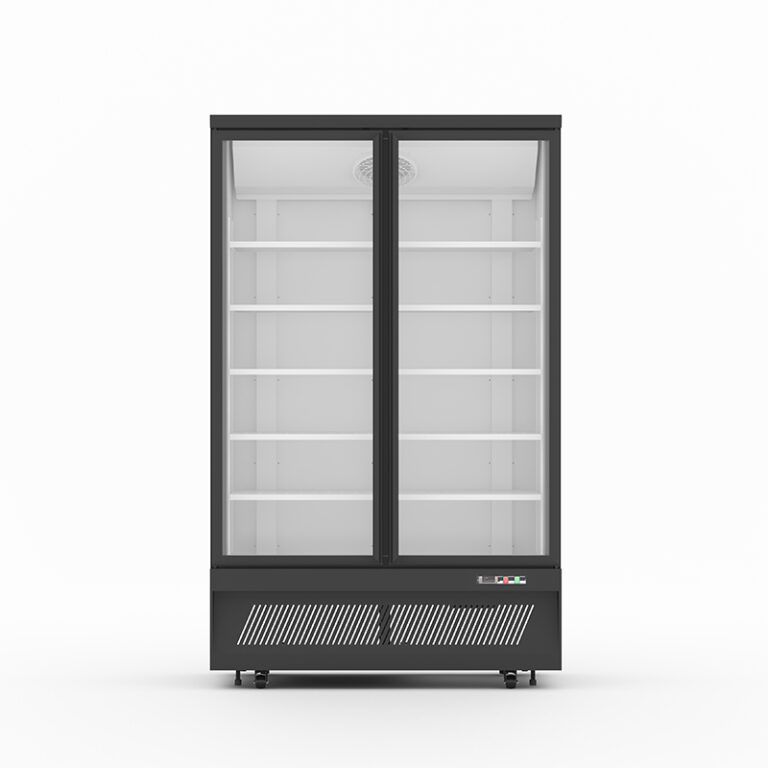
A glass door freezer can reduce repeated exchange with sales-floor air when doors close, but the result depends on the actual door opening pattern, gaskets, glass heating, and stocking routine. Create Refrigeration’s compact island notes include LOW-E double-layer glass with electric heating and electronic defogging. These functions should be reviewed as part of a complete heatwave configuration, including electrical load and service access.
What Should Store Teams Do During The Event?
- Verify the alarm and product status using the store’s food-safety procedure. Do not silence an alert without recording the check.
- Reduce avoidable heat load: shorten door-open periods, stage stock before loading, keep products below loading limits, and avoid unnecessary display rearrangement.
- Inspect airflow: clear cabinet grilles, remove cartons from intake or discharge paths, check room air around plug-in condensers, and report any hot-air recirculation.
- Clean only within the approved maintenance procedure. A dirty condenser can limit heat rejection, but powered equipment and fins require safe service practice.
- Track recovery after the intervention. If temperature does not trend back as expected, escalate with photos, alarm history, supply information, and the model details.
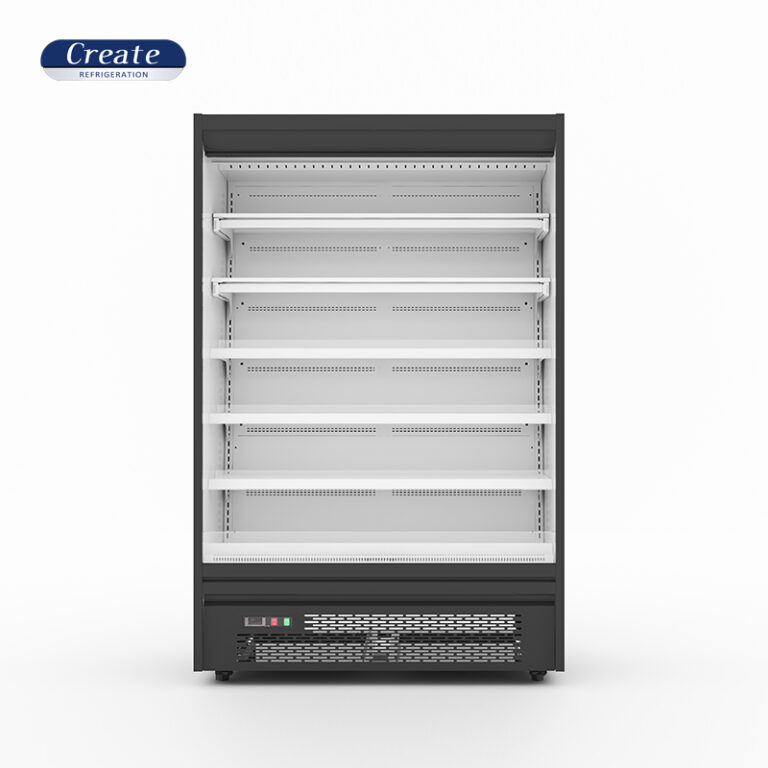
For a line of open display, the supermarket open chiller upright freezer should also be checked for loading and cross-drafts. The air curtain is part of the cabinet’s refrigeration approach, not a barrier that can ignore a blocked intake or a strong warm draft. Separate the operating problem from the equipment type before moving food or changing controller settings.
Create Refrigeration‘s air-curtain information includes rear-board outlets, night-curtain insulation, adjustable shelves, a thick foaming layer, standard LED lighting, and double-layer air-curtain circulation. During a heatwave, those details are useful inspection prompts only when the delivered cabinet matches the quoted configuration.
Use The Heatwave To Improve The Next Order
Heatwave lessons belong in the next purchase specification. Record peak ambient conditions, alarm sequence, location, cabinet type, loading habits, condenser cleaning findings, recovery behavior, and any service action. Ask suppliers to review those conditions when they quote a replacement or expansion. A generic commercial freezer hot weather claim is less useful than a documented site condition and an agreed test or commissioning plan.
Create Refrigeration has CAD and 3D store layouts, customized and OEM/ODM work, samples, final inspection, voltage options, a one-year warranty, and bulk-order spare-parts support. A supermarket refrigeration project can use that support to plan aisle space, condenser clearance, cabinet grouping, power, and maintenance access before installation. The Riyadh island-cabinet project also shows why climate conditions, lighting, shelf levels, and layout should be discussed together rather than as separate late changes.
The aim is not to run every freezer at its limit. It is to recognize when heat is changing the operating condition, protect the product, and give service teams clear facts. That makes the next heatwave less disruptive and makes the next equipment decision more defensible. If you are also wondering more, our article answers that.
FAQ
Q1: Why is a supermarket freezer temperature rising during a heatwave?
A1: Higher ambient air can reduce heat rejection, while loading, door openings, dirty condensers, blocked airflow, defrost, and electrical issues may add further load.
Q2: Should staff lower the controller set-point during a heatwave?
A2: Do not make unexplained setting changes. Check the food-safety procedure, the model limits, alarms, heat rejection, loading, and service guidance first.
Q3: How can a buyer prepare a new freezer project for hot weather?
A3: Give the supplier the real site ambient conditions, cabinet location, clearance, product load, door activity, electrical supply, ventilation, and required test or commissioning evidence.