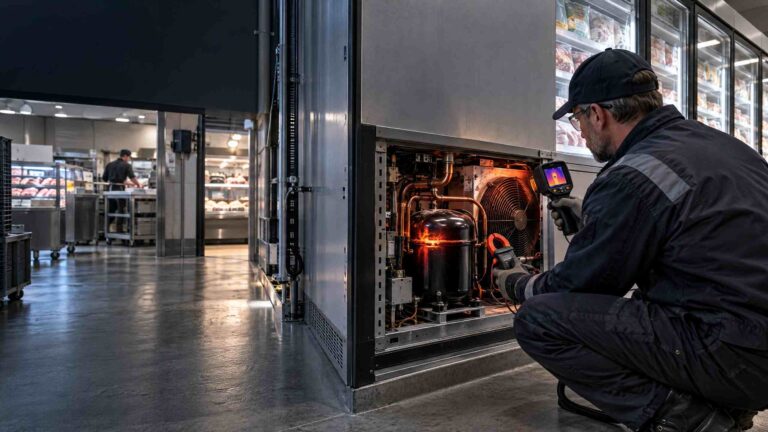
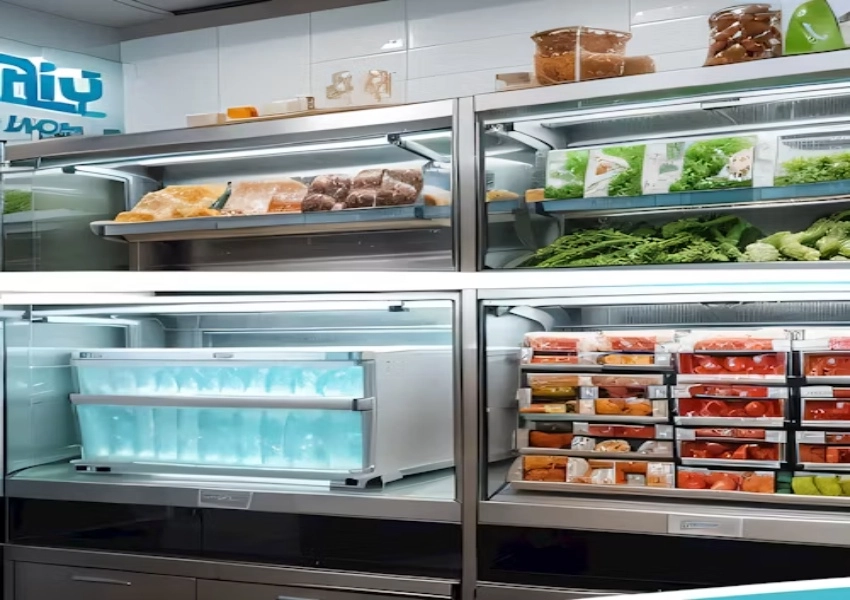
R290 has become common in plug-in commercial refrigeration because many buyers want lower environmental impact and simpler self-contained installation. The buying risk is that R290 is propane. A propane refrigerant display case can be a good choice, but it cannot be treated like an ordinary cabinet with a different label. The R290 charge limit, safety file, electrical design, airflow path, warning label, and service plan all need a real check before an order is placed.
The safest approach is simple: do not ask for a universal charge number in an email and then move on. The allowed charge depends on the appliance design, circuit layout, applicable standard edition, local adoption, installation environment, and certification file. Buyers should ask for the actual refrigerant charge on the nameplate, the declared safety standard, the test report or certificate, and the maintenance instructions that technicians will use in the field.
Why Is The R290 Charge Limit A Model-Level Question?
The charge limit is often discussed too casually. A cabinet supplier may say a unit uses R290, but the buyer still needs to know how much refrigerant is in the circuit, whether the circuit is sealed, where the compressor and condenser sit, and whether the model was tested as supplied. A small plug-in merchandiser and a long-island freezer do not create the same risk profile.
Do Not Treat R290 As Only A Refrigerant Choice
R290 commercial refrigerator safety starts with the full appliance, not only the refrigerant cylinder. Cabinet size, internal volume, airflow, electrical parts, compressor compartment, labeling, installation clearance, and service access all matter. A buyer comparing two R290 cabinets should ask for model-specific data instead of assuming that any R290 option has the same approval path.
Nameplate And Certificate Must Match The Quotation
The charge stated in the quotation, nameplate, technical drawing, and compliance file should match. If a seller changes compressor size, cabinet length, voltage, condenser position, or refrigerant during production, the buyer should ask whether the safety file still applies. This is especially important for private-label projects and modified products.
Where Does IEC 60335-2-89 Fit Into The Check?
IEC 60335-2-89 refrigeration language appears often in global commercial refrigeration discussions. Buyers should treat it as a safety file topic, not a marketing phrase. The standard relates to commercial refrigerating appliances, but the exact edition, national adoption, product category, and test pathway must be checked for the destination market.
Ask Which Edition And Market Rule Apply
Some markets refer to IEC, EN, UL, etc. standards when it comes to flammable refrigerants. A buyer of plug-in refrigerators needs to check which standards are listed on the certificate, for which country or region they are valid, and whether the information provided on the product label and in the manual as well as for the spare parts corresponds to the above file. If there are chain stores involved in the project, this question needs to be cleared before the roll-out, not after the first shipment.
Avoid Unsupported Charge-Limit Claims
When a supplier gives a fixed R290 charge limit, ask for the document behind it. The right answer may depend on the standard edition and cabinet construction. A safer purchasing rule is to reject guessed gram values and verify the declared charge, test basis, label, and service instructions for the exact model being purchased.
Which Safety Features Should Buyers Check First?
Safety features are visible in several places. Some are on the nameplate. Some are inside the compressor compartment. Some are in the installation manual. Others appear only during maintenance. A buying team should review them before approving samples or bulk production.
Ventilation And Heat Rejection
A plug-in cabinet rejects heat into the store and needs enough airflow around the condenser. If warm discharge air is trapped under counters, behind decorative panels, or inside a tight alcove, the cabinet may run hotter, and maintenance access becomes harder. For R290 equipment, clear ventilation and cleaning access are part of safe operation, not only performance.
Electrical Protection, Labels, And Service Access
R290 service should be done by trained technicians using the right procedures. Buyers should check warning labels, wiring protection, sealed electrical areas where required, fan and compressor compartment access, and whether the manual tells technicians how to handle flammable refrigerant work. A good RFQ also asks which spare parts are approved for the model.

How Does Store Layout Change R290 Plug-In Risk?
A compliant appliance can still be installed badly. Small rooms, poor ventilation, blocked condenser grilles, untrained staff, and crowded retail layouts can turn a good plug-in cabinet into a maintenance headache. The installation plan should be reviewed with the same care as the cabinet specification.
Small Stores Need Clearance Discipline
Convenience stores can often have plug-in refrigeration placed and moved quickly. This creates bad habits with the refrigeration cabinets being pushed against walls, side panels of the cabinets being blocked by shelves, and cleaning access being removed. If using R290 refrigerant, stores must keep the required clearance, warning labels, and service access visible. Buyers must consider the location of an island freezer or glass door refrigerator.
High-Traffic Aisles Need Durable Protection
Such units will sit where carts, stocking trolleys, and shoppers touch the cabinet all day. Therefore, buyers must consider the use of bumpers, casters, door hinges, glass protection, condenser cleaning, etc. Buyers must also consider how staff will be able to access the service area without moving heavy displays of merchandise. A safety feature that cannot be reached during maintenance is not very useful in a busy store.
Product Examples Buyers Can Use In RFQs
R290 is a common environmentally friendly refrigerant option, along with CO₂ solutions, green materials, efficient refrigeration systems, stable air curtain systems, and foaming materials. Create Refrigeration also has CE, CB, ETL, ISO, GEMS, ROHS, UL, and IEC certifications at the company level. Buyers should still request model-specific certificates and charge information for each R290 cabinet, especially when the product is modified or private-labeled.
Glass–Door Refrigerators
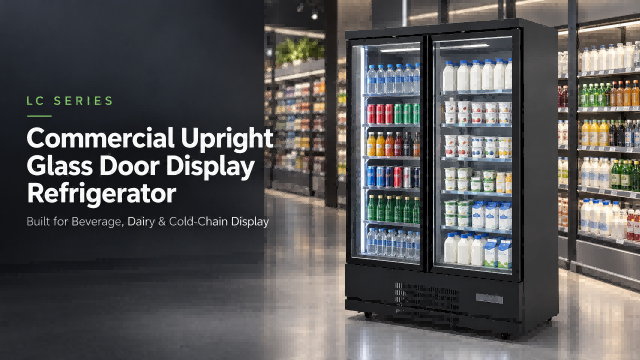
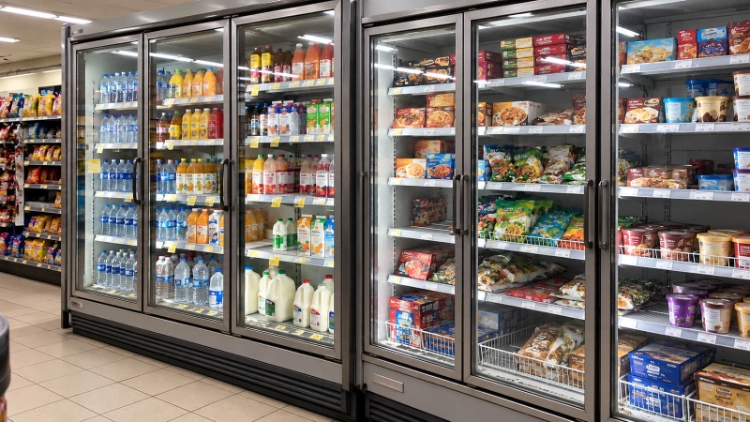
Create Refrigeration’s glass–door refrigerator is a plug-in 1-4 door chiller/freezer family with automatic defrost, five shelves, one-piece foaming, LED 6000K lighting, low-E coated glass, R404A/R290 options, an Elitech thermostat, a Secop compressor, a copper tube evaporator, an Ebm fan, and a C-P 70 mm panel. For R290 commercial refrigerator safety, buyers should ask where the charge appears on the nameplate, how ventilation clearance is shown, and which service parts are approved.
Island And Plug-In Freezers
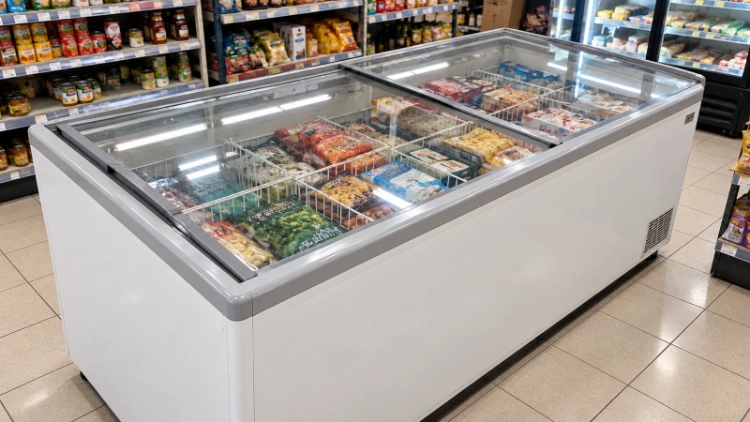
For frozen food promotions, an island freezer may carry heavier traffic and more contact from carts. Create Refrigeration’s island freezer product is presented with a plug-in format, automatic defrost, R404A/R290 options, an Elitech thermostat, a Secop compressor, a copper tube evaporator, an Ebm fan, low-E coated top glass, LED 6000K lighting, baskets, and a -18 to -23 degrees C range. A buyer considering an R290 plug-in freezer in a combination format should also check independent compressor areas, thermostat access, cabinet clearance, and whether the upper and lower sections have separate safety data.
Project Support And After-Sales Records
Create Refrigeration is based in Xingfu Industrial Park, Binzhou City, Shandong Province, and supplies commercial supermarket refrigeration equipment, supermarket shelves, stainless steel equipment, western kitchen equipment, and cold storage projects. The knowledge base records CAD drawings, 3D supermarket layout renderings, OEM/ODM service, conventional, modified, and customized products, voltage options including 110V/60Hz and 220V, DDP service when an address is provided, one-year warranties, strict inspection standards, and spare parts support for some bulk orders. Those records matter because R290 safety is partly a documentation and training job after the cabinet leaves the factory. For more detail, see our guide on this article.
R290 Buying Checklist Before Bulk Orders
A clean RFQ keeps the discussion concrete. Buyers should ask for the exact model file, not only a product photo or catalog line.
1. What is the actual R290 charge on the nameplate?
2. Which safety standard and edition are declared for this model?
3. Does the certificate cover the quoted voltage, cabinet size, and compressor package?
4. Are warning labels, manuals, and service instructions supplied in the buyer’s language?
5. What condenser clearance and room ventilation are required?
6. Which electrical parts and spare parts are approved for service?
7. What technician training or after-sales guidance is available for flammable refrigerant work?
8. Does any customization change the compliance file?
FAQ
Q1: Is one R290 charge limit valid for every plug-in refrigerator?
A1: No. The accepted charge depends on model design, safety standard, country rules, circuit layout, certification file, and installation conditions.
Q2: What should buyers ask about IEC 60335-2-89 refrigeration compliance?
A2: Ask for the standard edition, certificate scope, tested model, declared refrigerant charge, labels, manual, and whether modifications affect compliance.
Q3: Is an R290 plug-in freezer safe for small stores?
A3: It can be suitable when the model is properly certified, labeled, installed with required clearance, serviced by trained technicians, and used under the stated conditions.