
Supply-chain analysis for international grocery investors and retail infrastructure directors
Why Local Dealer Markups Are Pushing Grocers to Factory-Direct
For a small supermarket investor, the equipment budget can move faster than the sales forecast. A local distributor may quote one beverage case, one freezer line, a deli counter, seafood equipment, and a few back-room cabinets from different manufacturers. Each item carries its own margin, delivery promise, warranty language, and service arrangement.
The buyer sees one invoice. The project team inherits five supply chains.
In several new-store budgets reviewed by retail engineers, local dealer markups of 40% to 60% appeared between the factory price and the installed cabinet price. The percentage is not always pure profit. It can include warehousing, financing, local handling, installation coordination, warranty risk, and import uncertainty. But the buyer still pays for every layer, even when the layers do not communicate with each other.
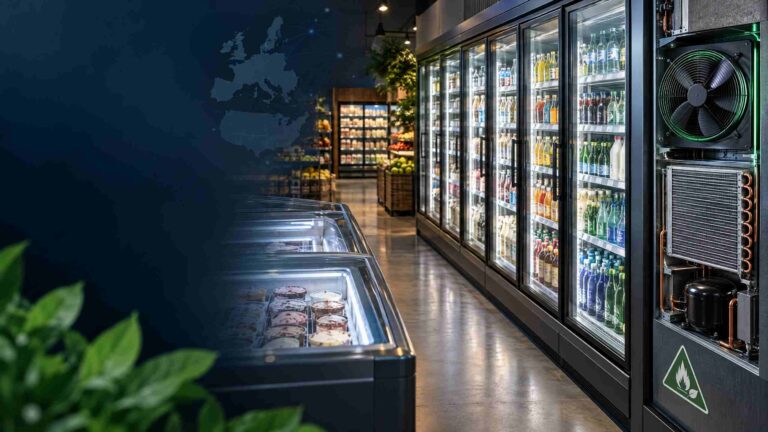
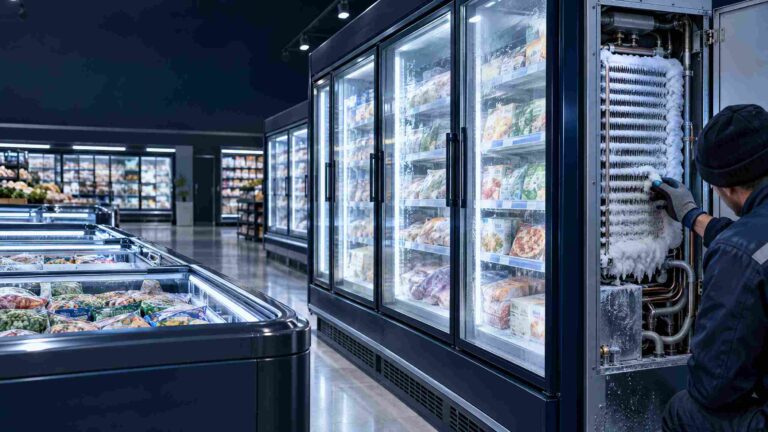
A typical local purchase of cooling equipment for supermarket use may also produce an inconsistent line-up. The fridge for supermarket comes from one brand, the freezer supermarket units from another, and the glass-door cases from a third supplier. Door heights do not match. End panels use different colours. Condenser exhaust paths face each other. Electrical loads arrive with different plug types and control requirements.
The store can open with that arrangement. It may not open on time, and it may not run quietly or efficiently.
Lead time is another pressure point. A distributor may have some equipment in stock but need to wait for a special corner cabinet, an unusual voltage, or a replacement glass panel. A two-month delay in one cabinet can hold up floor finishing, electrical testing, merchandising, and the opening campaign.
That is why more small and mid-sized grocery investors are asking source manufacturers to quote the store as a complete cold-chain package. The purpose is not simply to remove a middleman. It is to make the equipment, layout, electrical schedule, shipping plan, and installation sequence answer to one project brief.
Pre-Engineering Store Layouts Before Cutting Steel
The factory-direct process starts before production. The buyer submits the architectural floor plan, ceiling height, entrance positions, columns, drainage points, electrical service, HVAC outlets, and product categories. The engineering team converts that 2D plan into a 3D store view before steel is cut.
That step catches expensive errors early.
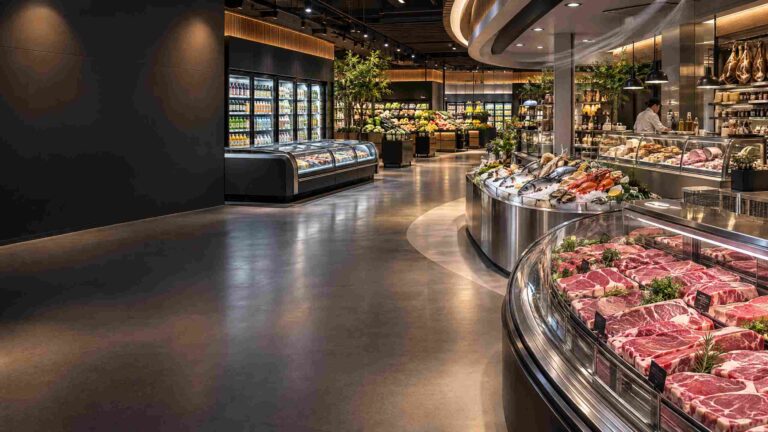
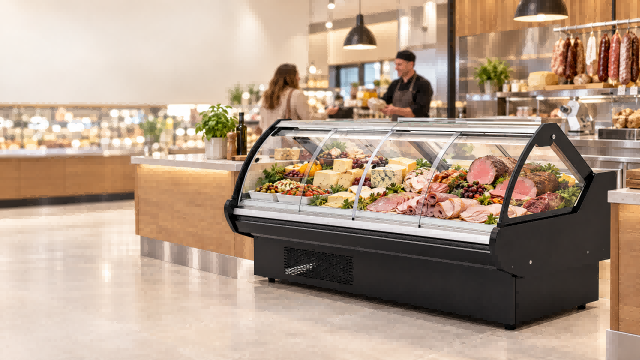
A supermarket meat display case may need a service aisle wider than the sales aisle suggests. A supermarket seafood chiller needs a practical drainage route, washable surfaces, and enough working room for ice handling. A deli counter supermarket must allow staff to replenish from behind without forcing boxes through customer traffic.
The 3D model also shows what a simple plan can hide: door swings colliding with shopping trolleys, a column blocking the eye-level product zone, a condenser discharge aimed at a neighbouring case, or a narrow rear gap that leaves no room for cleaning and service.
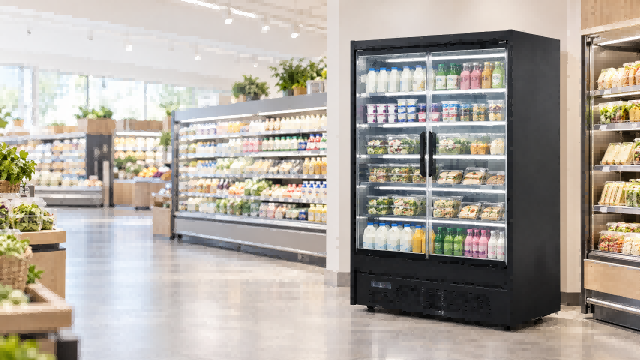
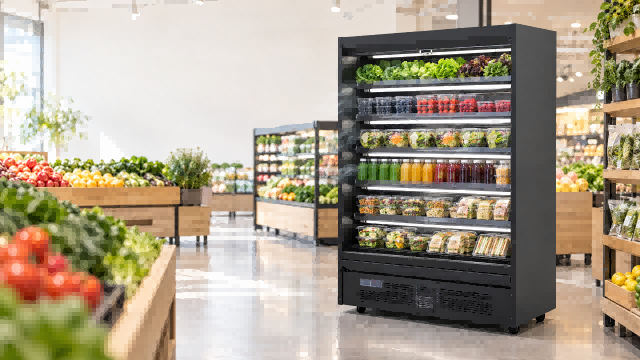
The factory layout team can position a full line of supermarket beverage display cases along the impulse route without blocking the checkout queue. It can place a supermarket ice cream freezer where customers naturally slow down, while keeping its lid or door operation clear of the main trolley path. A supermarket refrigerator showcase can then anchor the chilled wall with matching heights, end panels, and lighting.
This is where createrefrigeration has built its project proposition: one engineering discussion covering the cabinet list, product temperatures, traffic flow, heat rejection, service access, electrical points, and shipping dimensions. The 2D-to-3D review is intended to reduce rework before production. Project teams can submit drawings and equipment schedules through www.createrefrigeration.com for a factory layout discussion.
The same model helps the buyer plan equipment families rather than isolated units. A supermarket equipment refrigeration package may include a beverage wall, fresh-meat case, seafood counter, deli line, frozen islands, and back-room storage. Every cabinet adds heat, electrical demand, access requirements, and a delivery footprint. The 3D model puts those factors in one view.
Electrical and Mechanical Compatibility Before Shipment
Factory-direct sourcing only works when the technical schedule is complete. The buyer must state the destination country, voltage, frequency, plug standard, ambient design temperature, refrigerant preference, local safety requirements, and whether the equipment will operate on a single-phase or three-phase supply.
The common questions are basic and expensive: Is the store running at 110V or 220V? Is the frequency 50Hz or 60Hz? Does the compressor controller accept the site voltage? Are the fan motors, heaters, lighting drivers, and defrost controls matched to the same supply? Will a local electrician have the correct breaker and cable data before the container arrives?
A factory quotation should show these details line by line. “220V” is not enough if the project needs 220–240V, 50Hz, a specific plug, and a different phase arrangement. The buyer should request wiring diagrams, rated current, starting current where relevant, control voltage, heater wattage, and the recommended protection device.
Mechanical compatibility matters as well. Cabinets from different sources may use different rear clearances and condenser discharge directions. If a supermarket refrigerator showcase exhausts into the intake of a nearby unit, the store may create a heat-rejection problem on the first hot day. If an island freezer blocks the service route, a routine cleaning visit becomes a labour project.
A coordinated package from CREATE Refrigerator can be designed around one electrical schedule and one rear-ventilation plan. That does not remove the buyer’s responsibility to have local code review and qualified installation. It does reduce the chance of discovering three incompatible control systems after the equipment has landed.
How DDP Ocean Shipping Eliminates Import Headaches
DDP, or Delivered Duty Paid, is often discussed as if it were a magic shipping button. It is not. It is a commercial arrangement that must spell out who handles export documents, main carriage, import clearance, duties, taxes, delivery, unloading, and any installation scope. The buyer should confirm whether local destination rules allow the seller or its appointed party to act as importer of record.
When the responsibilities are clear, a DDP ocean shipment can remove several headaches from a small supermarket opening. The factory consolidates the cabinet list, prepares the export paperwork, books the container, arranges destination clearance under the agreed terms, and coordinates truck delivery to the store or project warehouse.
1. Container planning and packing
Large cabinets are not treated like ordinary cartons. A supermarket refrigerator showcase with curved or straight tempered glass needs clearance around the glass, corner protection, vibration control, and a crate designed to resist tipping and impact. A supermarket ice cream freezer needs its lids, sliding glass, handles, and internal fittings secured before loading.
The packing list should identify cabinet numbers, dimensions, net and gross weights, crate numbers, spare parts, electrical accessories, and installation tools. Photographs taken before the container doors close give the buyer a useful loading record.
Heavy units require a loading plan that respects axle weight, centre of gravity, forklift access, and unloading sequence. The cabinets needed first at the store should not be buried behind equipment for the final aisle. That sounds obvious. It is often ignored when the loading team is trying to use every cubic metre.
2. Export documents and destination clearance
The shipping file normally needs the commercial invoice, packing list, bill of lading, certificate of origin where applicable, product descriptions, and any documents required for the destination country. Refrigeration equipment may also require electrical conformity documents, refrigerant declarations, timber-packing compliance, and product safety information.
The importer should confirm tariff classification before production, not after the vessel arrives. Incorrect descriptions can delay clearance and create unexpected duty or inspection questions. A DDP quote should state whether duties, import taxes, port handling, customs brokerage, and delivery appointments are included.
Demurrage fees are the cost that appears when the container remains in the port or terminal beyond the free period. Missing documents, an unavailable importer number, inspection delays, or a consignee who cannot receive the container can turn a “delivered price” into a second invoice. The buyer should ask who pays demurrage caused by each type of delay and how long the agreed free time lasts.
3. Truck delivery, unloading, and installation
The delivery plan must match the site. Can a truck reach the entrance? Is there a loading bay? Is a tail lift required? Can the doors accept the crate dimensions? Does the project have a forklift, pallet jack, ramp, or enough labour to unload a large cabinet safely?
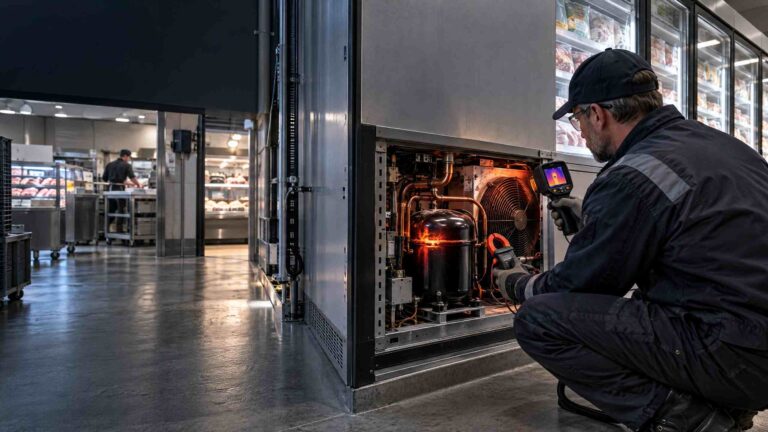
Factory-direct packages often include installation guidance, cabinet levelling, joining kits, wiring diagrams, start-up checks, and remote technical support. The scope must be written clearly. Delivery to the kerb is not the same as placement inside the store. Placement is not the same as electrical commissioning. Commissioning is not the same as food-temperature validation.
This distinction protects both sides. The investor knows what the DDP price covers, and the factory can prepare the correct tools, spare glass, replacement gaskets, controllers, and service instructions before the container leaves.
Managing Glass, Damage Risk, and After-Sales Support
Glass damage is a major concern in cross-border refrigeration shipments. Curved glass and large straight tempered panels can fail after a hard impact, a twisted crate, or incorrect unloading. The packing method should separate glass from steel frames, restrain the doors, protect corners, and keep impact indicators or inspection instructions where appropriate.
The buyer should photograph the crates before opening them and inspect the glass before signing a clean delivery receipt. If damage is visible, the carrier and seller need immediate notice under the agreed claim procedure. Waiting until the installation crew finds a cracked panel can make the evidence weaker.
Spare parts should be planned with the opening date, not added after a breakdown. A sensible first shipment may include door gaskets, hinges, handles, controllers, fan motors, LED drivers, heaters, drain components, sensors, and glass-care materials. The exact list depends on the equipment range and local service capacity.
CREATE Refrigerator presents its factory-direct offer as a turnkey cold-chain package: design coordination, cabinet production, export packing, shipping support, and technical documents in one project file. The value is measured in fewer handoffs. A source factory cannot remove every port or site risk, but it can make the responsibility map visible before the order is released.
Turnkey Sourcing vs. Local Distributors Table
| Procurement route | Total cost and equipment coordination | 3D customisation, logistics, and customs position |
| Local distributors with batch purchasing | Often carries layered margins of 40%–60%; different brands can create mismatched heights, controls, heat rejection, and warranty contacts | Usually based on available catalogue units; buyer or distributor manages separate deliveries and may face port storage or demurrage exposure |
| Factory-direct supermarket equipment refrigeration package | One project quote can combine cabinet production, accessories, packing, and technical documents; total cost depends on Incoterms, duties, local work, and site conditions | 2D plan can be developed into a 3D layout before production; DDP scope must state clearance, taxes, delivery, unloading, and installation responsibilities |
| Factory-direct staged opening package | Equipment can be prioritised by opening sequence, with spare parts and service documents shipped in the same project plan | Useful for expansion or renovation; electrical frequency, voltage, glass protection, rear ventilation, and unloading route are checked before dispatch |
The table is a procurement framework, not a promise that factory-direct is always cheaper. A local distributor may be the better choice where the market requires local stock, licensed installation, rapid service, or a specific importer arrangement. The comparison should use the delivered and commissioned cost, not the factory unit price alone.
What Investors Should Put in the RFQ
A serious request for quotation should include the architectural plan, 3D ceiling or HVAC information if available, product temperature ranges, aisle widths, operating voltage and frequency, expected ambient temperature, drain locations, door and glass preferences, unloading conditions, and the planned opening date.
The equipment schedule should list the freezer supermarket units, counter supermarket sections, supermarket refrigerator showcase line, fridge for supermarket applications, supermarket beverage display cases, supermarket meat display case, and supermarket seafood chiller by location rather than by a loose product name. That makes the 3D model and the packing list match the store.
The buyer should also ask for a signed technical submittal showing refrigerant type, electrical data, control sequence, cabinet dimensions, rear clearance, crate dimensions, gross weight, warranty terms, spare-parts availability, and the boundary between factory work and local work.
For a new supermarket or a renovation, the most useful question is not whether a supplier can ship a cabinet. It is whether the supplier can show how the cabinet will arrive, enter the building, connect to the site, fit the planned aisle, reject heat, and be serviced after opening.
createrefrigeration supports this factory-to-store planning model for investors who want one equipment schedule rather than a collection of disconnected purchase orders. Submit the store drawings through www.createrefrigeration.com to request a 2D-to-3D layout review, DDP shipping scope, and a complete equipment quotation.
The route from factory to supermarket is not automatically simple. It becomes manageable when the technical drawing, electrical schedule, crate plan, customs file, delivery appointment, and installation boundary are prepared as one project. That is the real reason factory-direct sourcing is gaining ground among smaller international grocers.