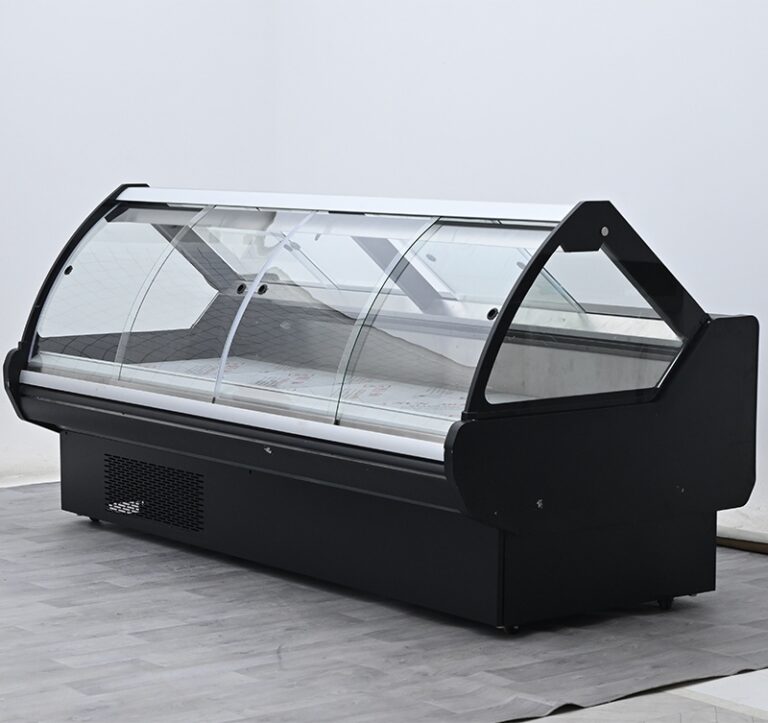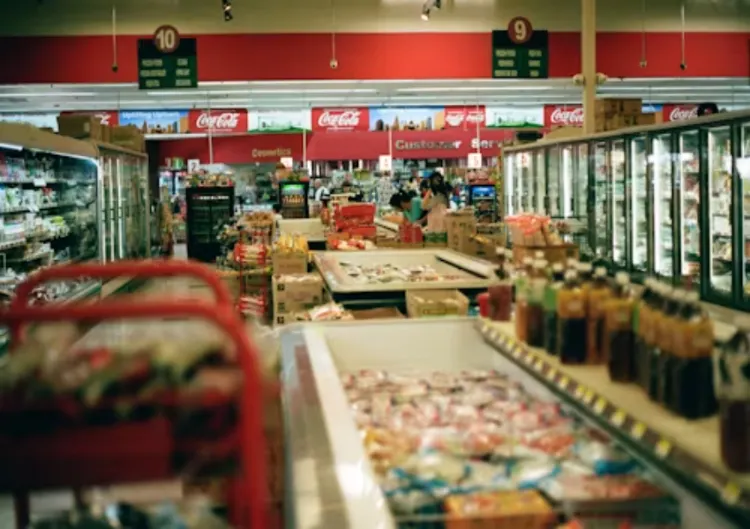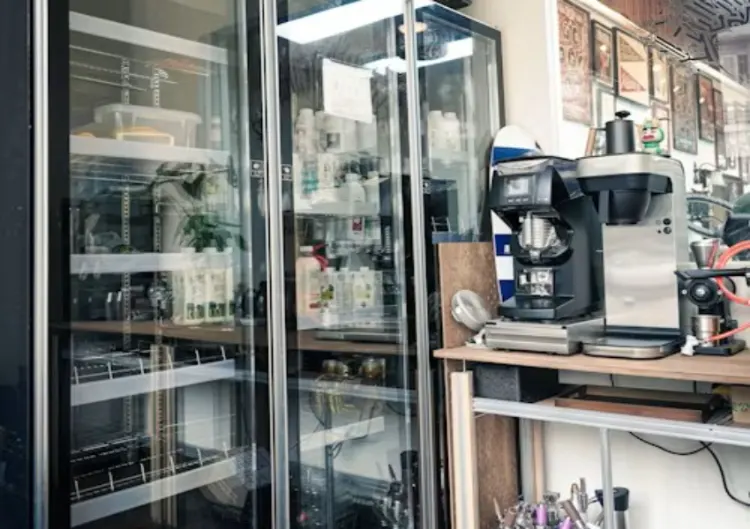
A grab-and-go refrigerator earns its floor space every hour. In a convenience store, supermarket beverage aisle, or compact food hall, the upright glass door merchandiser is where chilled drinks meet the customer’s hand. It shows the product. It protects the cold chain. It also takes a daily beating from door openings, restocking carts, wet floors, and warm aisle air.
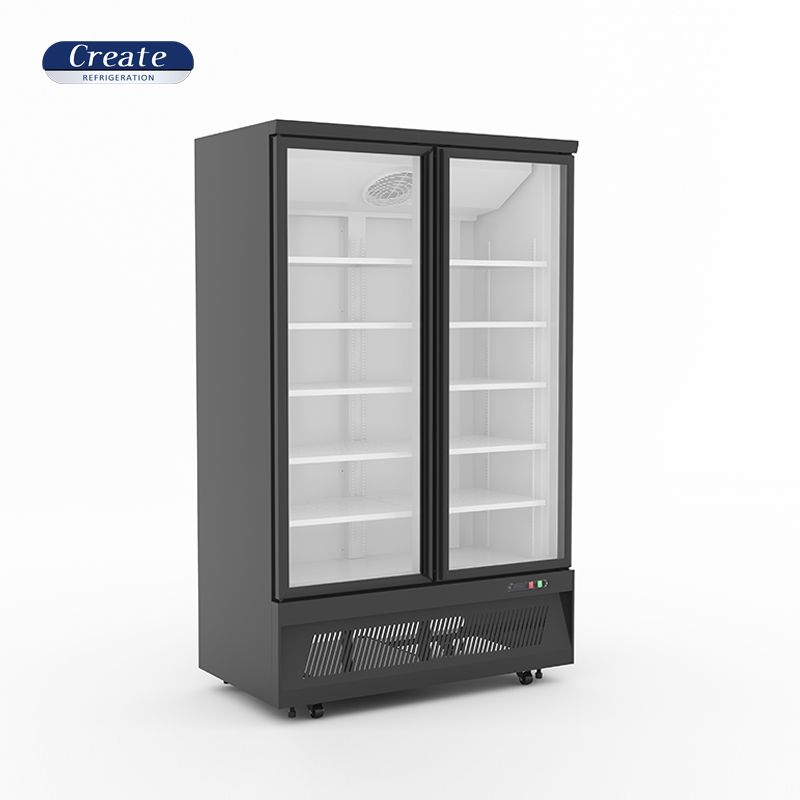
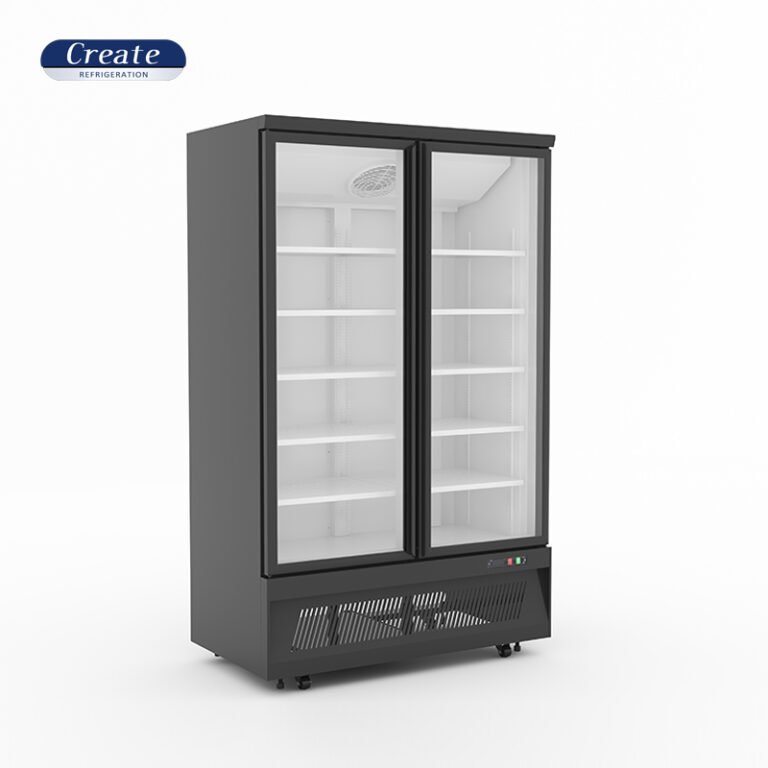
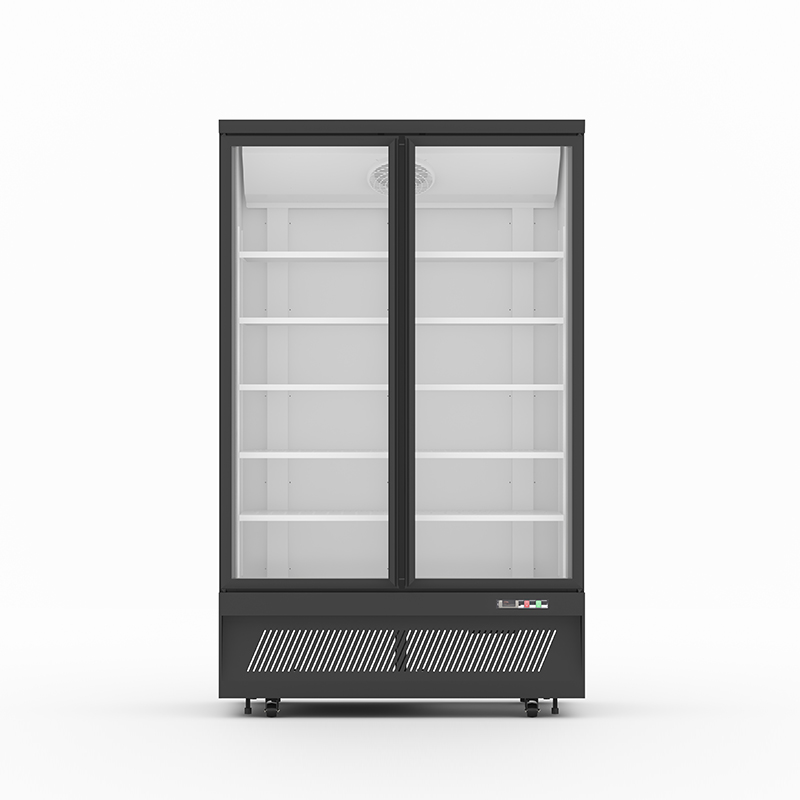
The LC Commercial Glass Door Display Refrigerator is built around that reality. It is part of the createrefrigeration commercial equipment line, developed for operators who need dependable display cooling rather than showroom promises. Direct factory resources, layout guidance, and export communication are available through www.createrefrigeration.com.
The operating target is straightforward: keep packaged drinks and other chilled merchandise at a true +2°C to +8°C range, with stable recovery after repeated door openings. That sounds basic. It is not. A cabinet can show a low reading at midnight and still struggle during an evening rush.
Glass Doors, Condensation, and Heat Loss
The LC cabinet uses a double- or triple-glazed Low-E tempered glass door assembly, depending on the selected configuration. The Low-E layer reduces radiant heat transfer. The air or insulated gap between panes adds another barrier. Tempered glass provides safer breakage behavior and the stiffness needed for repeated commercial use.
High humidity is where weak door design becomes obvious. On a summer afternoon, warm aisle air can turn the front glass cloudy within minutes. That blocks package graphics and makes a full cabinet look poorly maintained. Heated door frames and embedded wire elements keep the perimeter above the local dew point, stopping condensation before it spreads across the viewing area.
The details around the door matter just as much. Self-closing torsion hinges reduce the chance that a customer leaves a panel ajar. Heavy-duty magnetic gaskets close the remaining gap and are easier to replace when they eventually split or lose elasticity. A torn gasket is not a cosmetic defect. It creates a micro-gap, pulls in humid air, extends compressor run time, and can leave front merchandise with frost crusting while the rest of the cabinet cycles unevenly.
Store teams should inspect gasket corners, hinge alignment, and door return speed during routine cleaning. Five minutes on the floor can prevent weeks of excess energy use.
Airflow Across Every Shelf
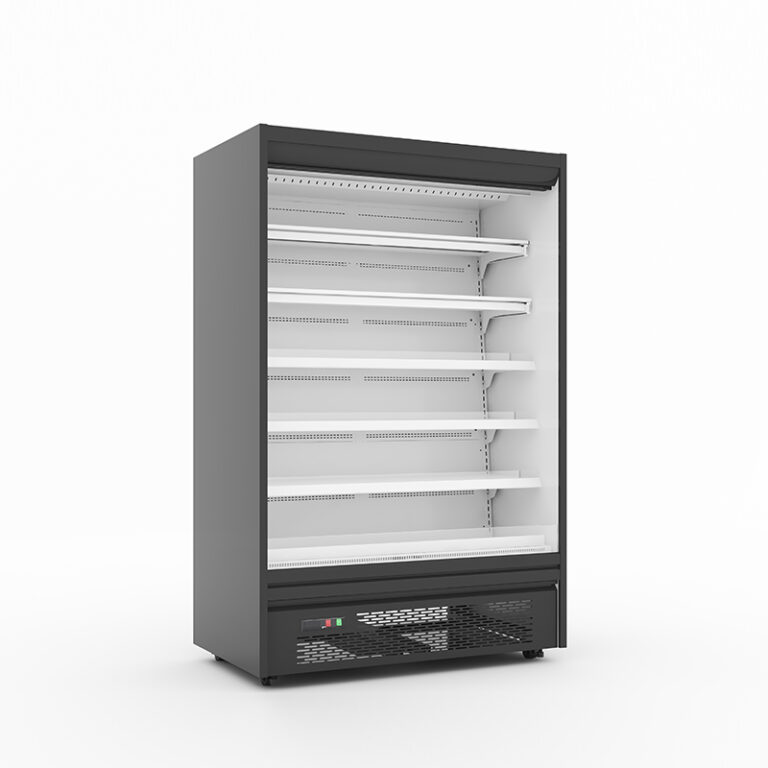
The coldest air should not simply fall onto the bottom row. It must be distributed across the cabinet. The forced-air circulation engineered by createrefrigeration is intended to balance airflow across all tiers, so milk and juice on the bottom shelf do not freeze while the top rows drift warm.
That balance depends on loading discipline. Product should not be pushed against the discharge or return-air paths. Oversized cartons should not bridge the shelf front and block the air curtain. When staff overfill a cabinet, the controller may still report an acceptable average temperature while individual packages experience very different conditions.
The practical benchmark is recovery. After a busy period of door openings, the cabinet should return to its working range without long compressor overrun or visible frost buildup around the merchandise. During commissioning, operators should check temperature at the top, center, and bottom shelves—not only at the controller probe.
Heavy-duty reinforced wire shelving with integrated price channels supports the stock that actually sells: craft beer multipacks, soda cases, large juice bottles, and dairy cartons. Proper reinforcement helps prevent shelf sagging under heavy beverage multipacks. Sagging changes the load path, narrows the airflow space, and makes front-facing product harder to maintain.
Vertical LED mullion lighting provides high-CRI illumination along the product zone. The purpose is practical. It should make package graphics readable from the aisle without creating hotspot glare on the glass or excessive heat near the front row.
Commercial Build and Export Configuration
The LC platform can be specified with a built-in monoblock compressor, keeping the refrigeration package compact and serviceable. A digital temperature controller gives store staff a clear operating reference and supports consistent setpoint management. Controller placement and probe location should be confirmed during the RFQ because service access varies by cabinet layout.
For markets requiring lower-impact refrigerants, R290 configurations can support eco-friendly refrigerant compliance where local codes, charge limits, ventilation rules, and service qualifications permit. Refrigerant selection is not a label exercise. The importing country’s electrical and safety requirements must be reviewed before production.
Export readiness is part of the equipment, not an afterthought. createrefrigeration can prepare plywood crating for long-distance transit, with protection around glass corners, door faces, and compressor service areas. Voltage adaptation is available for common 110V/220V systems and 50Hz/60Hz supply conditions, subject to the final model and destination requirements.
Procurement teams should provide the destination voltage, frequency, ambient temperature, preferred refrigerant, door count, shelf dimensions, and any plug or certification requirements. Those details prevent avoidable revisions after the order is placed. The engineering team can also support direct RFQs when a standard cabinet needs changes for a particular aisle, container plan, or beverage mix.
Four-Row Technical Comparison
| Area | Standard LC Configuration | Optional / Project Configuration | Procurement Check |
| Door and condensation control | Double-glazed Low-E tempered glass, heated frame, self-closing torsion hinges | Triple glazing, project-specific wire heating and door layout | Confirm humidity, ambient conditions, door width, and hinge orientation |
| Temperature and refrigeration | Forced-air circulation, digital controller, built-in monoblock compressor | R290 refrigerant configuration and custom control settings | Verify +2°C to +8°C target, local refrigerant rules, and service capability |
| Interior merchandising | Reinforced wire shelves, integrated price channels, vertical high-CRI LED lighting | Shelf quantity, spacing, finish, and lighting arrangement by SKU mix | Test heavy multipacks and preserve air passages during loading |
| Export and electrical supply | Export plywood crating, standard factory documentation | 110V/220V and 50Hz/60Hz adaptation, direct RFQ engineering support | Confirm destination voltage, frequency, crate dimensions, and certification needs |
An Engineer’s Buying View
Buy the cabinet for the aisle you have, not the brochure you were shown. Measure the available width. Check the summer ambient. Count the door openings during the evening rush. Identify the heaviest package that will sit on each shelf.
Then ask for a temperature map, electrical specification, gasket and hinge details, crating dimensions, and service access information. These are ordinary questions. They reveal whether the equipment is ready for a working store.
For factory configuration, project pricing, and technical clarification, contact createrefrigeration through www.createrefrigeration.com. Give the engineering team the destination market and the actual beverage load. The right cabinet is the one that keeps the glass clear, the shelves straight, and every saleable drink inside the real +2°C to +8°C operating range.