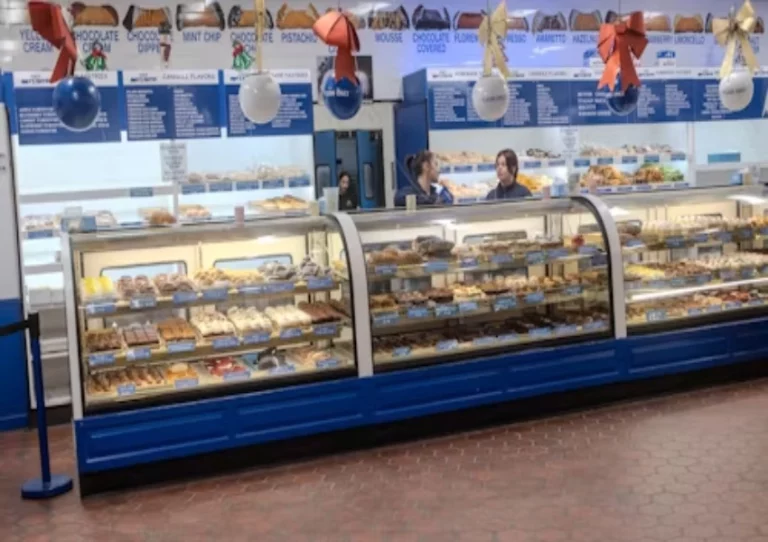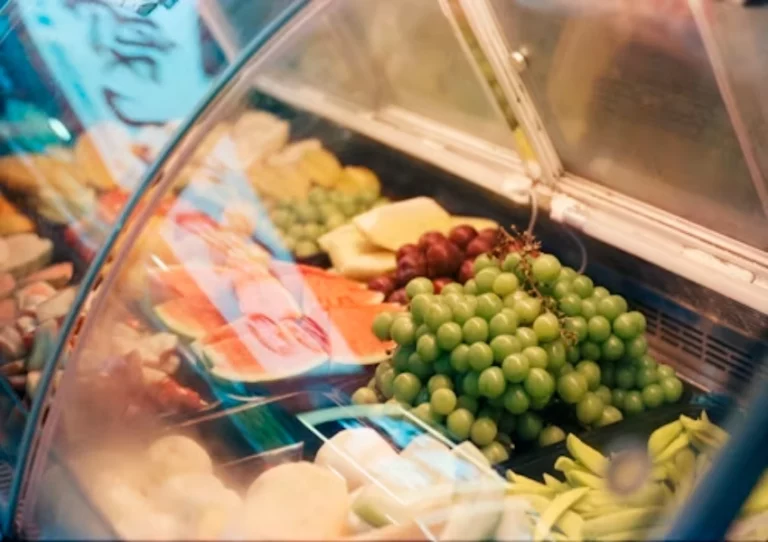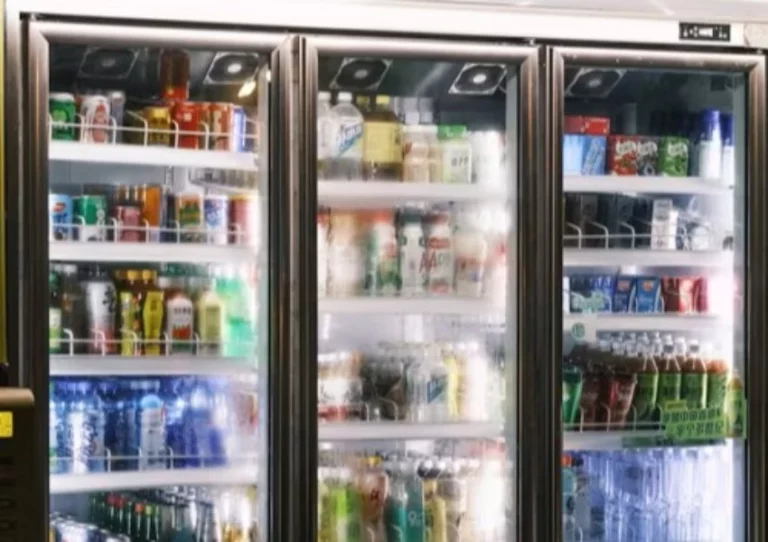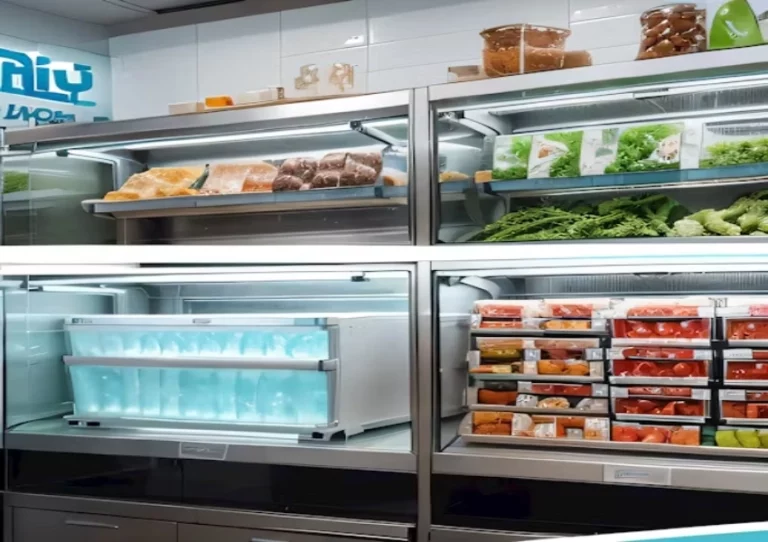
Open multideck chillers sell well because shoppers can see, reach, and compare products quickly. That open front is also why stores worry about power bills after closing. Cold air keeps spilling toward the aisle unless the cabinet has a barrier. For many supermarket teams, the night curtain vs glass door chiller decision comes down to one question: how much energy can be saved without making the fresh aisle harder to shop?
A multideck chiller night blind is the lighter answer. It covers the opening after business hours and reduces warm-air mixing while the store is closed. Supermarket refrigerator doors are the heavier answer. They put a glass barrier in front of the display during the whole trading day, not just at night. The better choice depends on opening hours, product type, humidity, service access, and whether the project is a new installation or a refrigerated display case retrofit.
Create Refrigeration manufactures supermarket refrigeration equipment for domestic and overseas projects, including multideck open chillers, glass door freezers and coolers, stainless steel equipment, western kitchen equipment, and supermarket shelves. The company works from Xingfu Industrial Park in Binzhou, Shandong, with 27 years of refrigeration experience, 12 subsidiaries, a 360,000 square meter production base, and more than 500 employees. Doors, curtains, air curtains, shelves, lighting, and refrigeration systems all need to be planned as one store system.
What Night Curtains Actually Save
Night curtains, often called night blinds, are designed for the hours when no one is shopping. They reduce direct air exchange between the chilled case and the warmer sales floor. The compressor sees less heat load, the evaporator is less exposed to moist air, and product temperature can stay calmer overnight. For stores that close for eight to twelve hours, this can be a meaningful part of open-chiller energy saving.
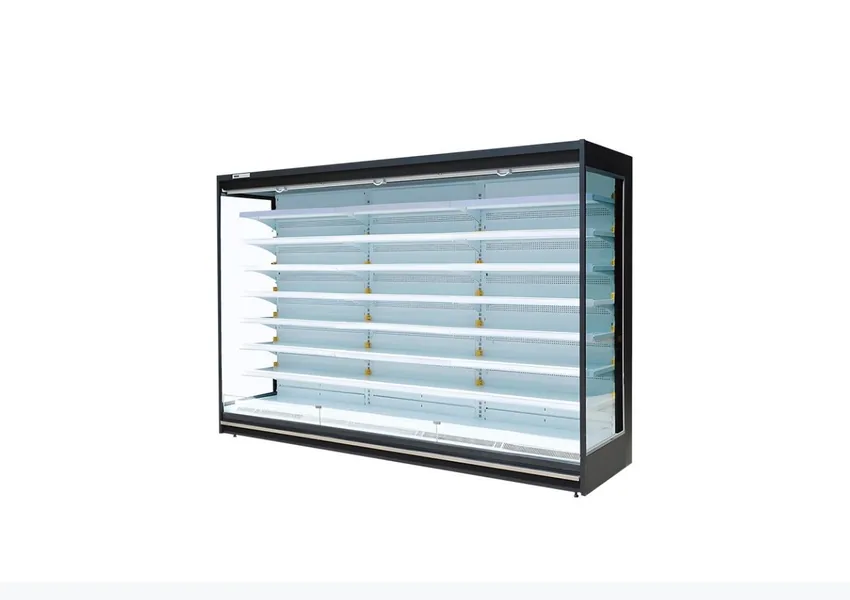
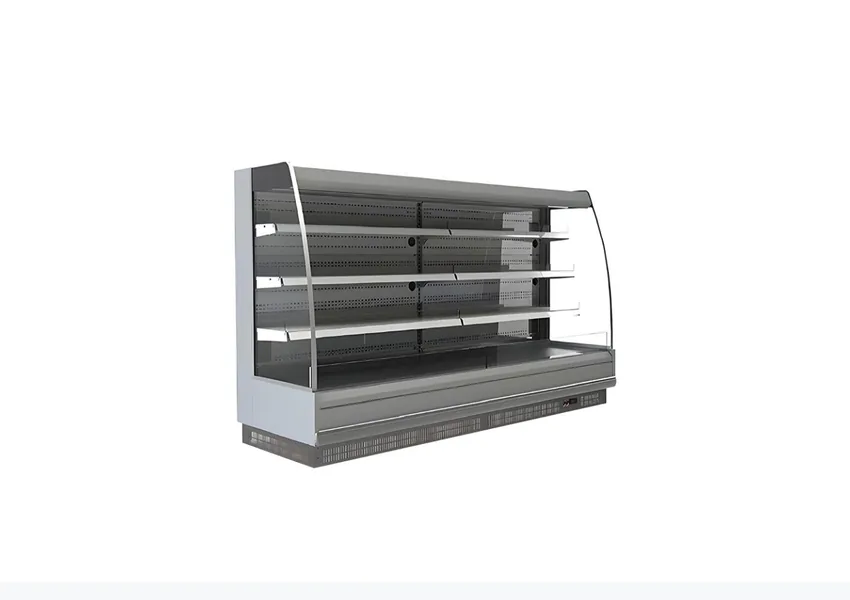
Create Refrigeration’s air-curtain display fridge fits this use case well. The cabinet can use high-quality night curtain insulation, multi-layer adjustable shelves, interior rear-board air outlets, standard LED lighting, and fast cooling, and a more even temperature for fruits, vegetables, beverages, yogurt, and other supermarket products. The double-layer air curtain is meant to reduce energy consumption while keeping cooling speed and temperature uniformity strong.
That makes night curtains sensible where product access matters during the day. A store can keep a grab-and-go feel, then lower the blind after closing. Purchase cost is usually lower than a full door retrofit. The weakness is clear: during trading hours, the case is still open. If a store runs twenty-four hours, or if the chiller stands near warm entrances, night curtains alone may not solve the real energy problem.
What Glass Doors Change During the Whole Day
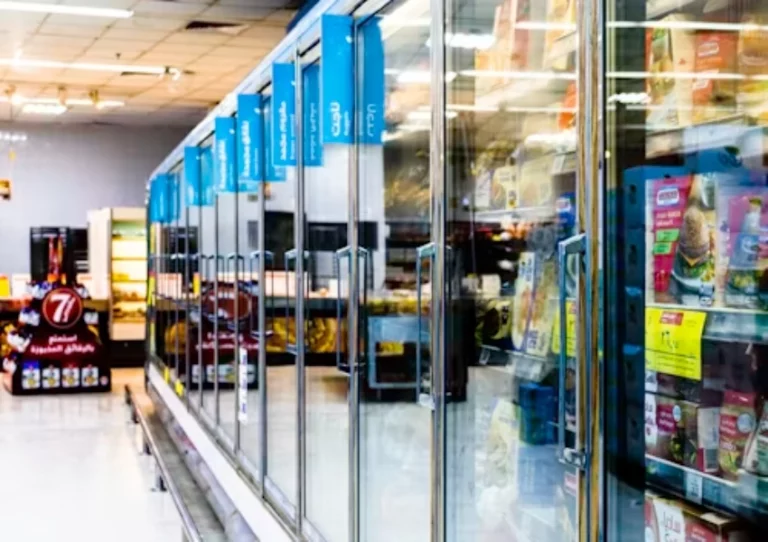
Glass doors work all day. They reduce infiltration while shoppers are browsing, not only after closing. In humid regions or high-traffic aisles, that can bring a steadier cabinet load. Less warm air enters the case, frost pressure can drop, and product temperature can recover faster.
The trade-off is merchandising. Open multidecks feel easy. Shoppers can pick up milk, drinks, fruit packs, or ready meals without touching a door. Add glass doors, and the display becomes more controlled but less immediate. For fresh produce or high-volume impulse categories, the store has to judge whether door friction changes buying behavior.
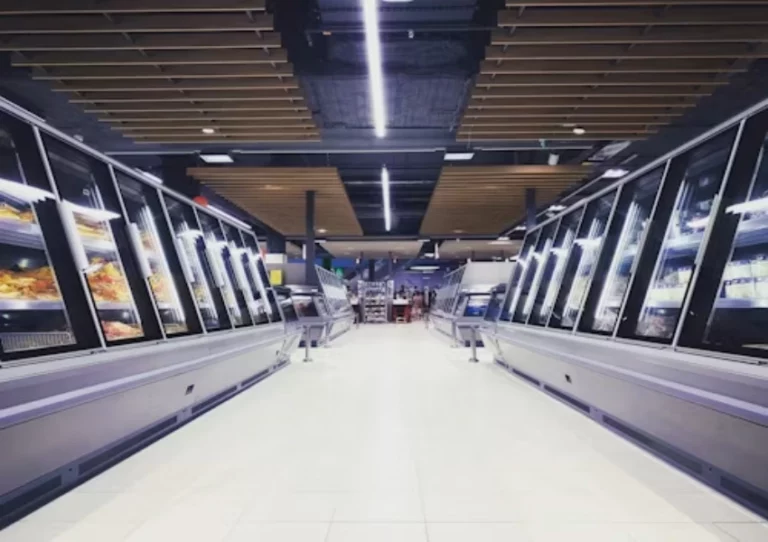
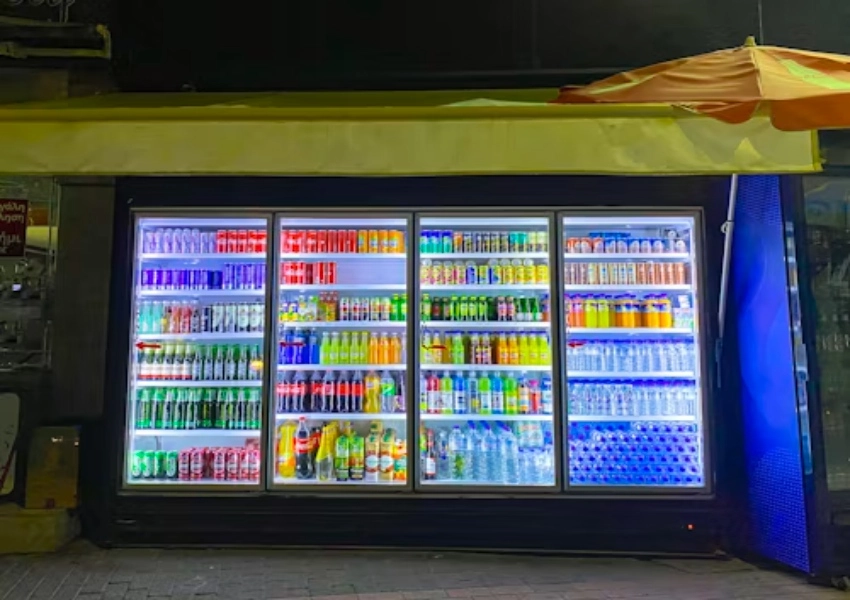
Door design decides a lot. Create Refrigeration’s glass door freezer and cooler information highlights a large display area, no blind spot, self-closing glass doors, transparent double-layer insulating glass, LED light bars on the frame, and high-quality air ducts for uniform cabinet temperature. The same ideas apply when supermarket refrigerator doors are added to a chilled display.
New Installation or Retrofit: The Cost Picture Changes
For a new store, the choice is easier to design correctly. Refrigeration load, cabinet length, aisle spacing, lighting, shelf depth, and electrical supply can be planned together. Create Refrigeration can provide supermarket CAD-based design and 3D layout support, which helps buyers see whether doors will affect customer flow or product restocking.
A refrigerated display case retrofit is different. Adding doors to an existing open chiller can require stronger frames, hinge support, heater wiring, control changes, airflow adjustment, and sometimes evaporator or expansion valve review. Doors may reduce cabinet load, but the air curtain pattern will change. Shelf lighting and staff access may also change.
Night blinds are usually easier to add. They are less invasive, cheaper, and quicker to install. For older cases where the main waste happens after closing, a multideck chiller night blind may bring a reasonable payback. For cases that lose energy all day, doors may still win after checking structural strength, condensation risk, heater load, and user behavior.
How Store Conditions Tip the Decision
Opening hours come first. A store that closes every night can benefit from curtains because the closed period is long enough to matter. A store that trades nearly all day gets less value from an after-hours solution. In that case, doors may save more because they work during peak load.
Product category comes next. Fruits, vegetables, yogurt, drinks, and ready-to-eat foods often sit in multideck chillers because shoppers want fast access and good visibility. Create Refrigeration‘s air curtain cabinet notes adjustable shelves, bright LED lighting, and fast, even cooling to support preservation. Night curtains keep the open-shopping advantage. Doors may be better for higher-value chilled products, humid sites, or cases near hot food counters and entrances.
Climate and building airflow are just as important. A dry, air-conditioned supermarket can get solid value from night curtains. A humid coastal store may keep pushing warm, wet air into open cases throughout the day. Doors reduce that exposure, but heated or low-E glass, gasket quality, and frame insulation still need review.
Maintenance also matters. Curtains need daily use and cleaning. If staff forget to pull them down, the saving disappears. Glass doors need hinges, gaskets, handles, and sometimes heaters maintained. The right answer is the one the store can actually operate every day.
Why the Cabinet Supplier Should Be Part of the Decision
Multideck energy savings should not be treated as a single accessory choice. Create Refrigeration focuses on safer, energy-saving, and environmentally friendly commercial refrigerator manufacturing, including efficient refrigeration systems, stable air curtain systems, environmentally friendly refrigerants, and foaming agents for low-energy operation. More than 80% of its refrigerators use R290 refrigerant, and the company also provides CO2 solutions from design to production.
The company’s OEM/ODM service can support conventional, modified, and customized products. It accepts customer logos, mixed-product orders from one unit, and voltage requirements, including 220V/50Hz, 220V/60Hz, and 110V/60Hz. For supermarket chains, this helps when one store needs night blinds, another needs door retrofits, and a third needs a mixed refrigeration line.
Certification and after-sales details should also be part of procurement. Create Refrigeration lists with CE, CB, ETL, ISO, GEMS, ROHS, UL, and IEC certifications, one-year warranty coverage, factory inspection before delivery, and spare parts support for bulk orders. A door or night curtain only saves money when the cabinet arrives correctly built and fits the store’s layout.
A Practical Buying Rule
If the store closes at night, values open access during the day, and mainly wants to reduce after-hours loss, night curtains are usually the first move. If the store runs long hours, sits in a humid climate, or has open chillers working hard during business hours, glass doors may save more over the full day. If the case is old, check the frame, airflow, wiring, lighting, and merchandising plan before choosing a refrigerated display case retrofit.
For many supermarkets, the answer is mixed. Produce and high-turnover dairy may stay open with night curtains. Beverages, premium chilled goods, and freezer-adjacent runs may move to doors. A supplier that can provide multideck open chiller lines, glass-door cabinets, store layout support, and customized production gives buyers more room to match equipment to the real aisle. Continue reading our another guide.
FAQ
Q1: Do night curtains save more energy than glass doors?
A1: Night curtains can save a meaningful amount after closing, especially in stores with long closed periods. Glass doors often save more across the whole day when open-case load is high.
Q2: Are glass doors always better for multideck chillers?
A2: No. Glass doors reduce air mixing, but they change shopper access and may require more retrofit work. Fresh produce and fast-turn categories may still perform better in open cases with night blinds.
Q3: What should be checked before a refrigerated display case retrofit?
A3: Check frame strength, hinge space, wiring, anti-fog glass, gasket quality, airflow pattern, shelf lighting, product access, installation time, and service support.