Refrigeration systems form the foundation of temperature control in various industries. They help preserve perishable items, keep environments stable, and boost process efficiency. Industrial refrigeration and commercial refrigeration both rely on basic thermodynamic rules—compression, condensation, expansion, and evaporation. However, they differ greatly in size, goals, and design details. Industrial setups handle large-scale, ongoing tasks like chemical processing or cold storage in logistics. Commercial ones target smaller, local cooling needs, such as those in supermarkets or restaurants.
Both kinds of systems include key parts. Compressors move the refrigerant around. Condensers let out heat. Evaporators pull in heat from the area to cool. Expansion devices control the flow of refrigerant. Control systems now use automation for steady temperatures and better energy use. People pick refrigerants based on rules that favor low global warming potential options, like CO₂ or blends with hydrocarbons.
Industrial Refrigeration Systems: Scale and Functionality
Characteristics of Industrial Refrigeration Applications
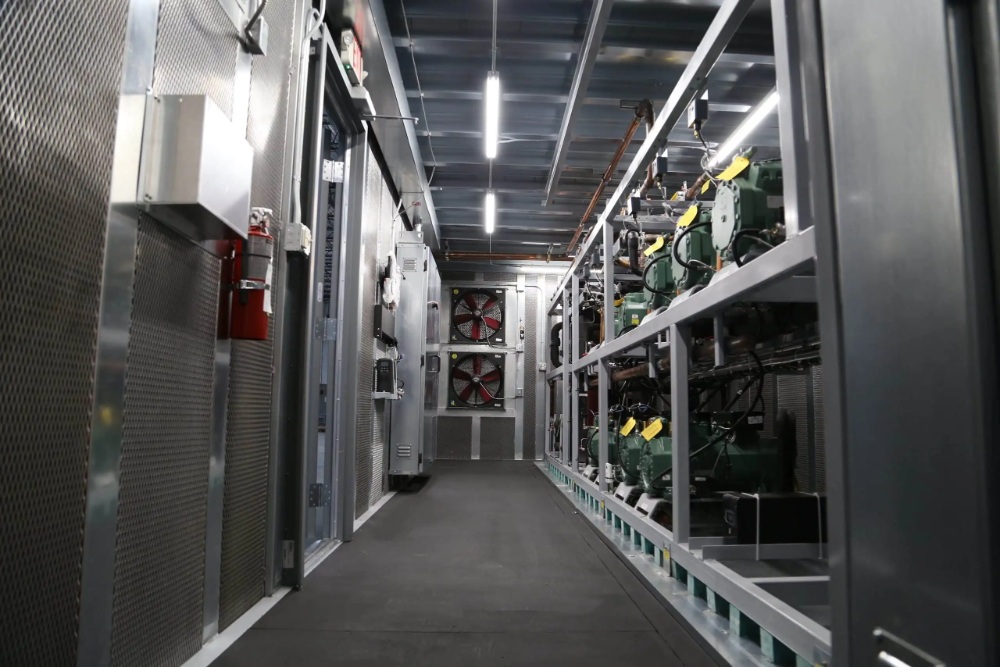
Industrial refrigeration systems aim for toughness and strong performance in tough settings. They support big networks of cold rooms or factory areas where heat loads hit megawatt levels. These setups feature robust compressors, wide piping systems, and smart safety features to keep things reliable during round-the-clock runs. Often, they act as central plants that send refrigerant to many zones for major cooling jobs, such as food processing or petrochemical work.
Engineering Design Considerations in Industrial Systems
Engineers focus on efficiency and eco-friendliness when building industrial refrigeration. Ammonia (NH₃) stays popular because of its excellent thermodynamic traits and no ozone depletion risk. CO₂ is rising in use as a green choice for transcritical setups. Tailored designs matter most—factories need custom plans that fit their exact workflows, not off-the-shelf pieces. Linking with process automation helps match refrigeration needs to production schedules. This approach cuts energy use throughout the whole site.
Maintenance and Operational Requirements
Since these systems run nonstop, they need strict upkeep plans. Workers check compressors, valves, pressure vessels, and safety relief devices often. Trained experts follow tight safety steps when dealing with high-pressure refrigerants like ammonia or CO₂. Now, predictive maintenance uses data analysis to spot problems early. It helps avoid shutdowns by fixing things based on real conditions.
Commercial Refrigeration Systems: Purpose and Configuration
Typical Applications of Commercial Refrigeration
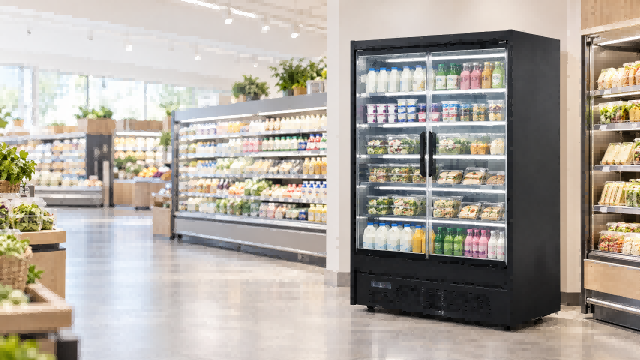
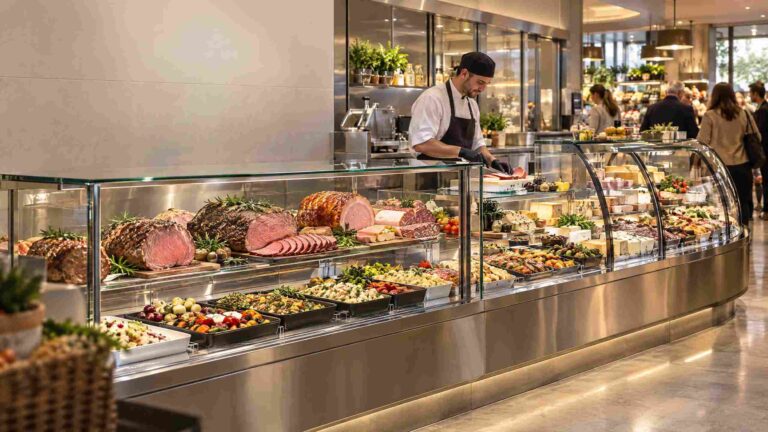
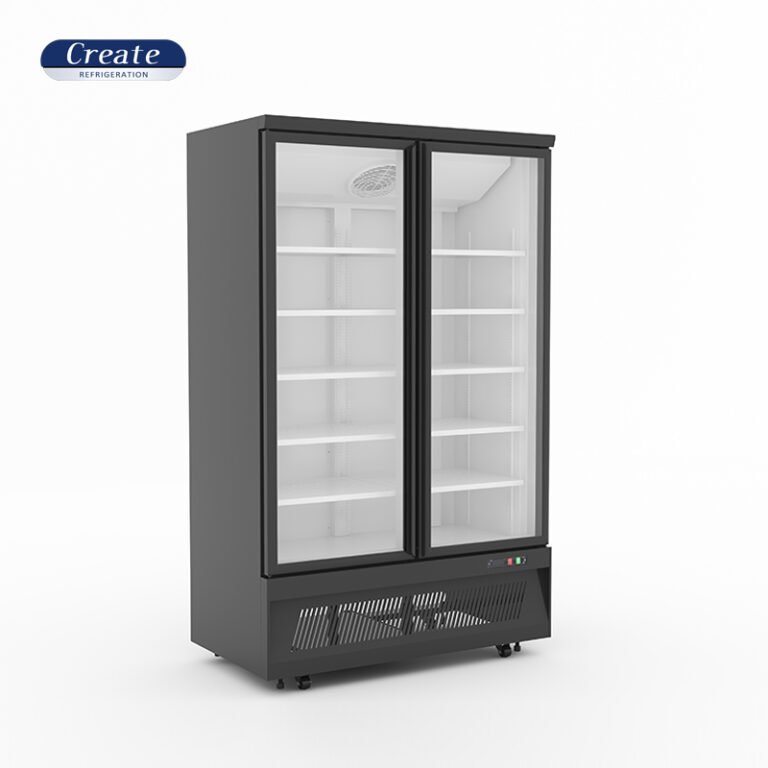
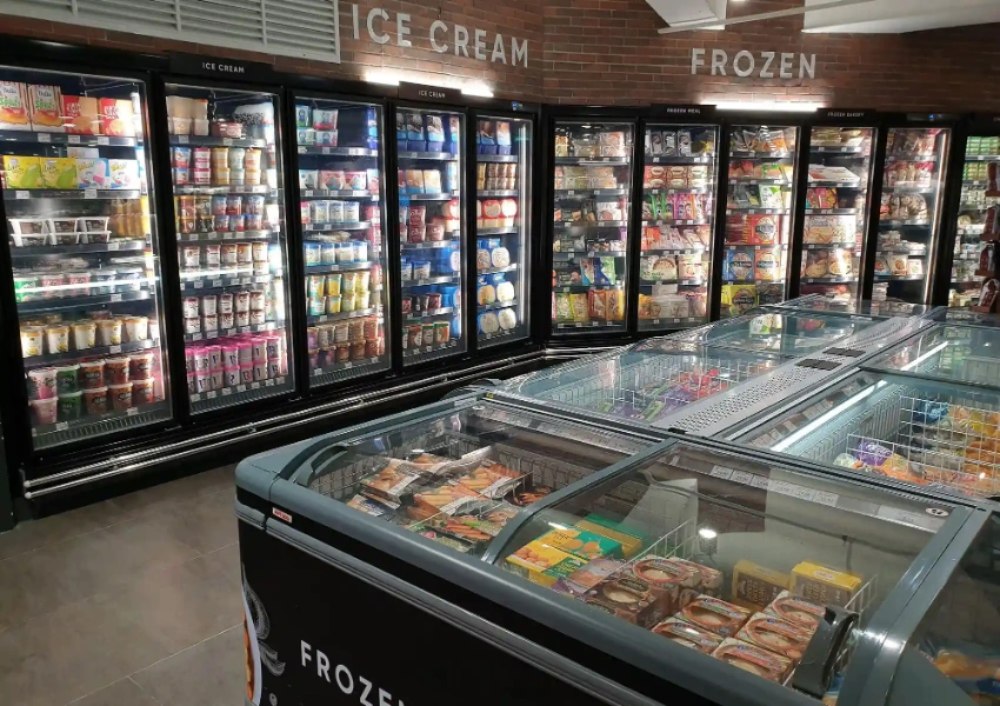
Commercial refrigeration matters a lot in retail spots like supermarkets, small shops, eateries, and hotels. There, showing products clearly and making them easy to reach are key. Units such as Supermarket Glass Door Display show this well. They mix good cooling with clear views of items on display. These pieces usually come as ready-to-use modules or standard builds for simple setup and swaps. All the while, they hold steady temperatures for goods that spoil easily.
Design Features of Commercial Refrigerators
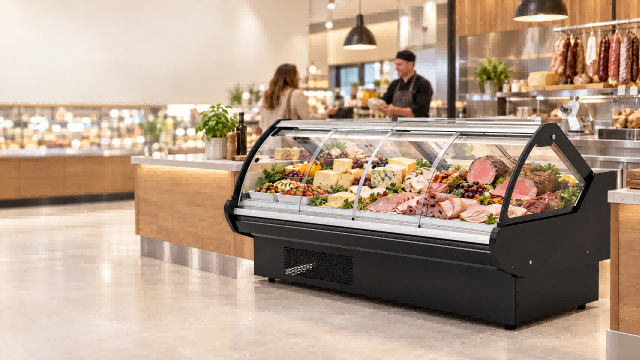
Commercial refrigerators stress small size, good looks, and ease for users, all while keeping up solid work. Sealed compressors built for average workloads run quietly, which fits spaces where customers gather. Many types add LED lights to make products stand out better. They also have clever controllers that adjust cooling to changing loads—think of features in a commercial front curved glass display. New energy-saving ideas, like tech that changes frequency, can cut power costs by over 50% each year.
Maintenance Practices in Commercial Settings
Regular upkeep is vital to keep commercial refrigeration running well. Cleaning condenser coils often stops overheating. Defrost cycles help evaporators work properly. Plans for preventive care lengthen equipment life by fixing small problems before they grow into big fixes. Most of these units allow fast part changes—swap a compressor or fan without taking apart the whole thing. This keeps store work going with little interruption.
Comparative Analysis: Industrial vs Commercial Refrigeration Systems
Differences in Scale and Capacity
Scale sets the biggest difference apart. Industrial refrigeration deals with huge heat loads in multi-area sites, often in megawatts. Commercial ones handle local cooling jobs in kilowatts. Factories might use central ammonia chillers that feed many evaporators through long pipes. On the other hand, commercial spots use standalone plug-in units for single display cases.
Variations in System Architecture and Control Mechanisms
Industrial designs use central control setups with SCADA (Supervisory Control And Data Acquisition) tools for live tracking of spread-out parts. Commercial ones favor separate units with built-in digital thermostats for exact local control. Yet, they offer less room for broad linking.
Energy Efficiency and Environmental Considerations
Industrial sites stand out with energy recovery methods. They grab waste heat from condensers to warm water or air flows in the building, raising overall energy use rates. Commercial buildings aim to meet rules like ENERGY STAR® certification. They do this with good insulation, like C-P panels and green refrigerants that follow worldwide climate rules.
Technological Advancements Shaping Both Sectors
Automation and Smart Monitoring Technologies
Automation keeps changing industrial refrigeration and commercial refrigeration alike. IoT tools enable watching platforms that give live info on compressor work, temperature shifts, and power patterns. Predictive tools tweak compressor steps to match loads well and cut part wear. This shows up now even in gear for small supermarkets.
Sustainable Refrigerant Transitions Across Industries
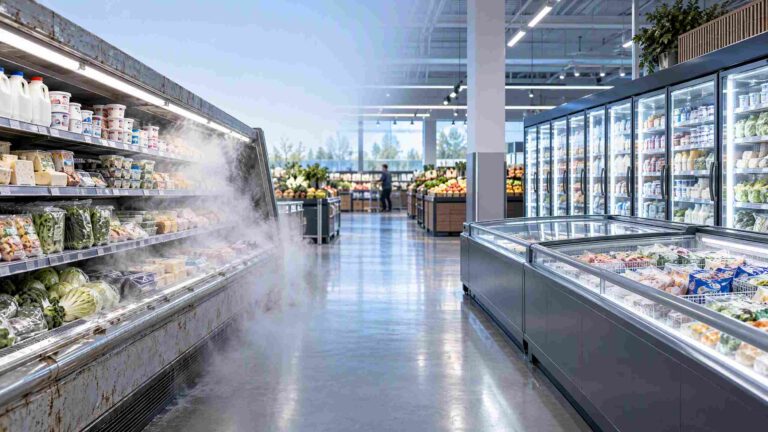
Moving to green refrigerants marks a major change in both fields. Rules from the Kigali Amendment speed up the use of low-GWP gases like R290 (propane), common in items such as island cabinet freezers for frozen food and supermarket glass display refrigerators. Mixed designs that pair mechanical compression with natural airflow lower carbon marks further. They also build stronger systems against changing weather.
Selecting the Appropriate System Based on Application Needs
Key Factors Influencing System Choice
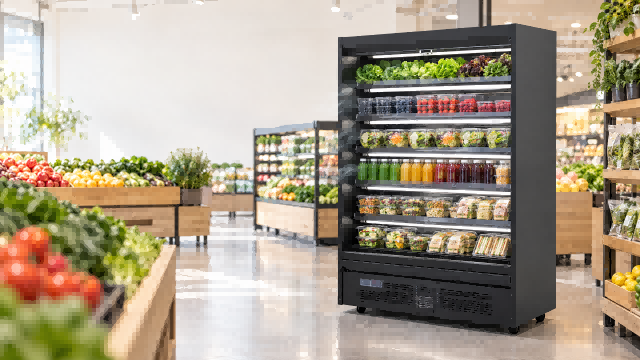
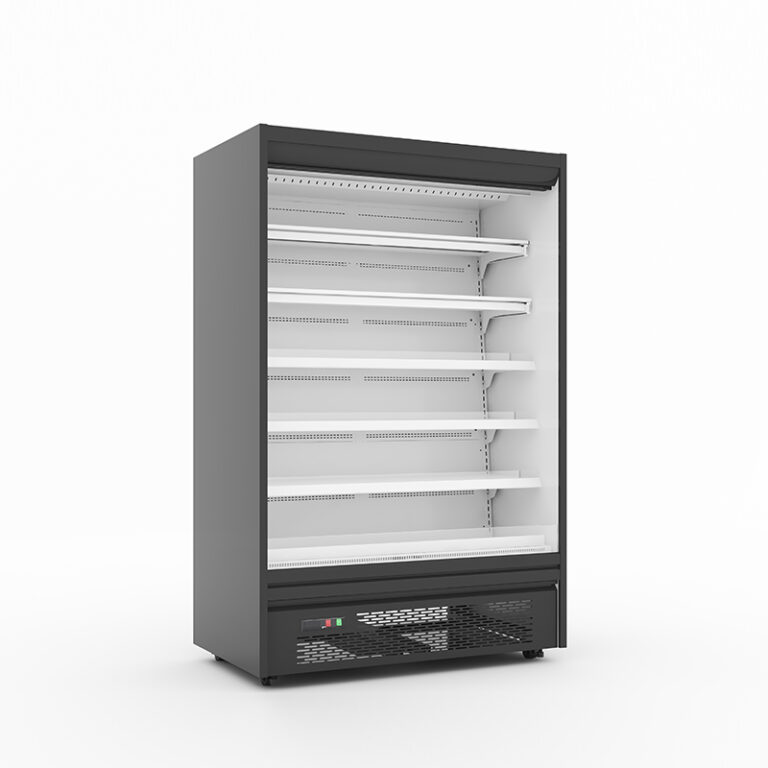
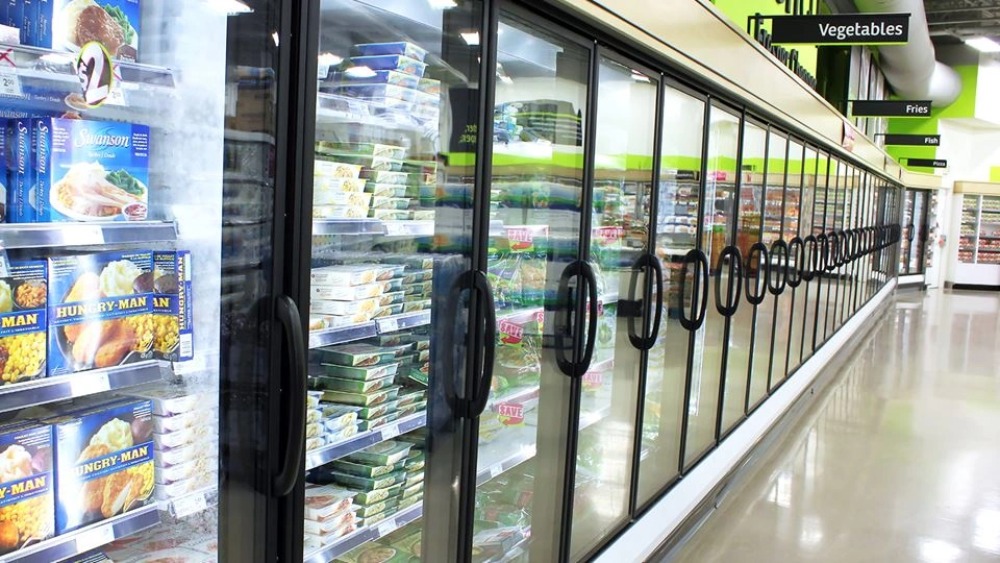
Picking industrial or commercial refrigeration hinges on work scale, energy aims, regulatory needs for compliance, and full cost reviews from setup to upkeep. Sites that run all day under big loads benefit from industrial strength. Smaller shops value the easy fit and style blend in pieces like a commercial refrigerator for food and drink display or a vegetable refrigerator for supermarkets and open chillers.
Strategic Integration for Performance Optimization
Mixing traits from both types yields the best outcomes. Industrial toughness plus commercial adaptability builds tough setups that adjust to shifting market needs. Data-based tools with IoT analysis aid ongoing upgrades tied to green goals in worldwide supply lines.
Before wrapping up this talk on refrigeration areas, note our place in this growing field at Create Refrigeration. Create Refrigeration stands as China’s top one-stop buyer spot for supermarkets and engineering jobs. It works as a foreign trade manufacturer that blends design, making, research and development, and sales. We stick to ideas of skill, tech, and global reach. Our focus lies in offering full factory-direct sales to clients at home and abroad. Create Refrigeration chiefly makes cooling gear for commercial supermarkets, stainless steel items, western kitchen tools, and store shelves. We commit to building worldwide commercial cold chain answers and custom services. Our know-how covers 27 years, aiding more than 10,000 customers globally via tailored supermarket cold chain plans. These include goods like the Commercial Vegetable & Fruits Display Refrigerator Showcase for Supermarkets, which joins use with fresh styles for varied retail spots.
We keep putting big funds into new ideas. Our semi-vertical chillers, for example, Supermarket Right Angle Flat Top Service Over Counter, show how user-friendly shapes meet exact temperature-handling requirements. They use advanced Elitech thermostats with Secop compressors for lasting strength in different weather.
To check custom fixes or talk with our engineering group on full cold chain projects—from industrial plants to modular supermarket uses—we ask pros to contact us right on our site. There, our experts give complete project checks, from CAD layout plans to tweaks after setup.
FAQ
Q1: What distinguishes industrial refrigeration from commercial refrigeration beyond capacity?
A1: Industrial systems serve as custom central builds that handle large thermal loads nonstop over many zones. Commercial systems act as modular plug-in pieces tuned for local display or storage roles in retail areas.
Q2: How do modern technologies improve energy efficiency across both sectors?
A2: IoT watching paired with inverter compressors better load matching. Predictive tools cut extra starts, leading to less power use while holding steady performance.
Q3: Which factors should guide businesses when selecting between these two system types?
A3: Choices should weigh run times; cooling power needs tied to site size; rules on refrigerants like R290 or CO₂; plus full life costs that cover upkeep rates and expected long service.