In today’s engineering world, refrigeration systems form the foundation of worldwide cold chain logistics and daily comfort. Energy efficiency serves as a major design focus, since newer refrigerators now combine smart controls, environmentally safe refrigerants, and improved thermodynamic cycles to cut down on energy waste. Efficiency’s importance goes further than just saving money—it shows how well a system turns electrical power into cooling power while cutting back on gases that warm the planet.
SHANDONG CREATE REFRIGERATION CO., LTD. sits in Xingfu Industrial Park, Binzhou City, Shandong Province, China. Our products meet standards for every country market, offer first-level energy saving, level 1 energy consumption, reliable product performance, and safer food. We promote green technology and stick to sustainable development by putting green environmental protection ideas into design, materials, energy efficiency, and engineering.
Core Principles of Refrigeration System Efficiency
Good refrigeration relies on fine-tuning the vapor-compression or absorption cycle. In vapor-compression setups, compressors squeeze refrigerant vapor to high pressure before it turns to liquid in the condenser. Then the refrigerant passes through an expansion valve to expand, and it evaporates in the evaporator to take in heat. The way each part is built impacts total efficiency: better compressors cut power use; microchannel condensers enhance heat removal; and accurate expansion valves reduce losses from throttling.
Picking the right refrigerant matters a lot for both output and environmental rules. Choices with low-GWP, like R290 or CO₂, fit with global standards such as the Kigali Amendment, and they keep strong thermodynamic efficiency. We supply CO₂ solutions, from design to production. Create commitments to using eco-friendly R290 refrigerants and fresh energy-saving materials in products.
Energy Consumption Metrics and Performance Indicators
People often measure refrigeration efficiency with the Coefficient of Performance (COP) and Energy Efficiency Ratio (EER). These measures show how much cooling you get for each unit of electrical input. Engineers also look at how loads change under various ambient settings to guarantee steady work in different weather. Advanced modeling tools measure losses from friction in pressure drops in pipes, leaks at joints or seals, and heat issues in insulation materials.
Technological Developments Enhancing Refrigerator Efficiency
Changes in compressor tech have changed modern refrigeration systems. Compressors that adjust speed change their work based on load needs, which stops wasteful cycling. Inverter-driven types give smoother running with less noise, and they improve partial-load output by up to 30%. Adding electronic expansion valves helps fine-tune temperature control even more.
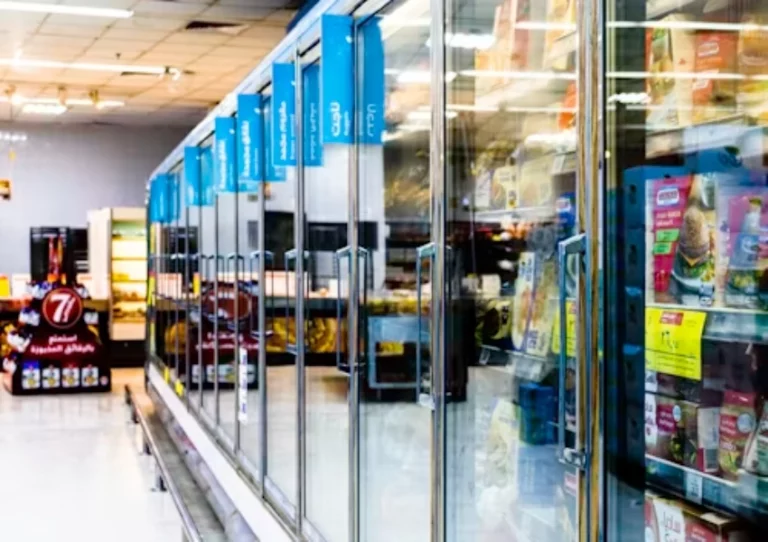
Our commercial product line shows these changes with items like the Mini 2 Doors Beer Fridge, which uses real air-cooling tech for even temperature spread and automatic condensate evaporation without manual drainage—making operations easier and saving energy.
Smart Control Systems and Sensors
Smart refrigeration brings in IoT-based monitoring for planned maintenance and instant checks. Controllers based on microprocessors keep temperature exact, while adaptive algorithms adjust defrost times based on real use patterns instead of set schedules. Platforms for data analysis gather performance data over time to forecast part wear before breakdowns happen—this cuts downtime and boosts efficiency over the full life cycle.
Eco-Friendly Refrigerants and Sustainable Materials
Moving from refrigerants with high-GWP to natural ones like R290 shows a worldwide push for sustainable cooling tech. Insulation materials help a lot with keeping heat out; polyurethane foams with low thermal conductivity make things last longer while cutting heat entry. Following international rules like the F-Gas Regulation ensures modern designs balance care for the environment with top technical quality. By using the leading brand inverter compressor known in the industry, we make our products more energy-saving, steady in performance, and able to cut electricity bills by up to 50% in one year.
Design Strategies for Modern Refrigerator Systems
Component-Level Design Considerations
Improvements in compressor design center on scroll or linear setups that lessen vibration losses while keeping good volumetric efficiency at different pressures. For condensers, better fin shapes raise surface area for improved heat release without making the size bigger. Expansion devices need to balance price with quick response—electronic valves give better control accuracy than old capillary tubes.
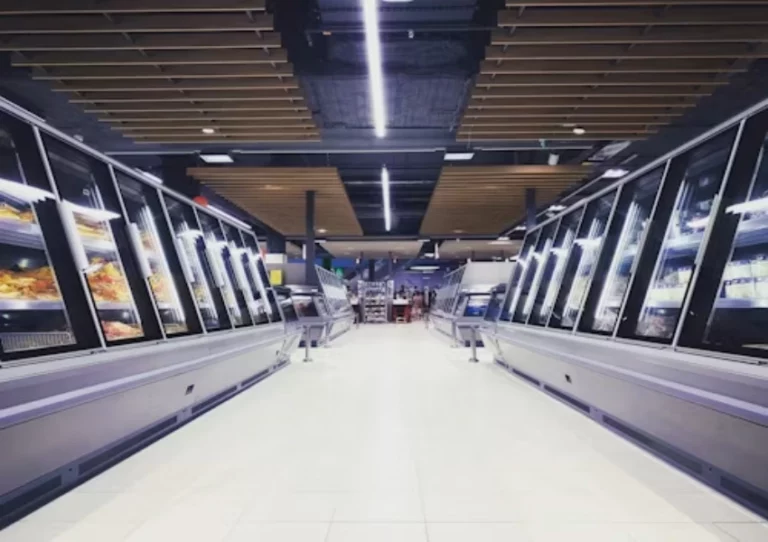
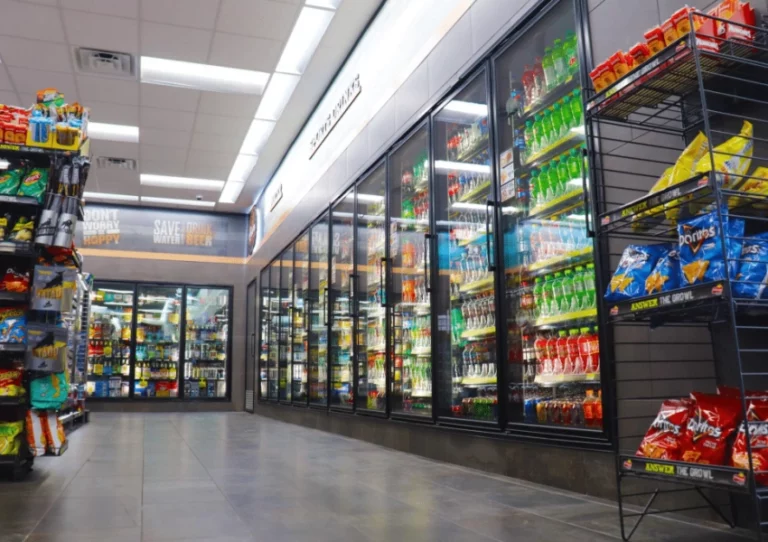
Our Supermarket Freezer shows this method with built-in LED lighting on each shelf for better visibility, plus all-around cold air flow that ensures even cooling—a clear sign of good thermal handling.
System Integration for Performance Enhancement
Putting systems together improves overall trust through modular builds that let you scale capacity for business uses like supermarkets or cold storage spots. Mixed setups that blend mechanical compression with thermoelectric modules or absorption units offer flexibility in changing ambient conditions, and they add backup during high loads.
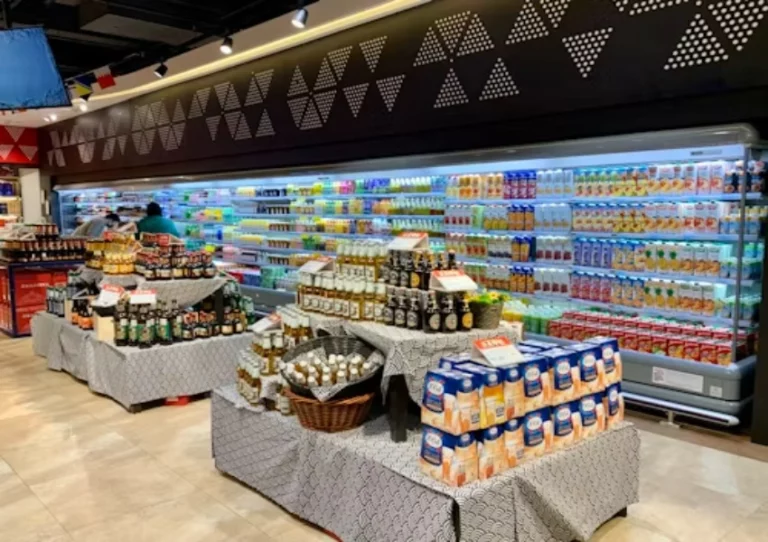
Our Supermarket New Commercial Display Island Freezers apply frequency conversion tech that can save over 55% on electricity bills each year—this shows how mixed control methods can bring big energy wins without losing steady performance.
Evaluation Methods for Refrigeration System Efficiency Analysis
Lab tests in controlled settings stay key for checking theoretical models. Factors like steady suction pressure, changes in discharge temperature, compressor current use, and even cabinet temperature are measured over long times to judge steady operation across shifting loads.
Simulation and Modeling Techniques
Simulations with Computational Fluid Dynamics (CFD) let engineers see airflow inside refrigerated spaces—spotting areas where air sits still and might lead to uneven cooling or frost buildup. These details help with redesigns that improve heat transfer by convection while lowering power needs for fans.
Lifecycle Assessment (LCA) Applications
Lifecycle assessment looks at full environmental effects from making to throwing away—including energy used in materials, electricity during operation over the service life, how often maintenance happens, and rates of recycling at the end. This full view helps with smart choices in sustainable design as it grows.
Create Refrigeration: A Reliable Partner in Efficient Cooling Solutions
For 27 years, the Create Refrigeration has grown into China’s biggest one-stop procurement manufacturer. As a skilled supplier focused on commercial refrigeration gear like chillers, freezers, display cabinets, supermarket coolers, stainless steel kitchen equipment, and cold storage units, we give full cold chain solutions made for clients around the world in North America, Europe, Southeast Asia, Australia, and more.
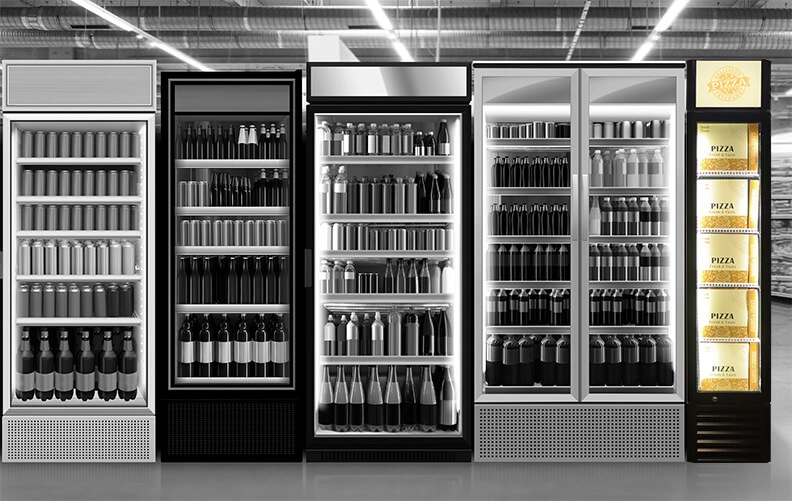
Our forward-thinking lineup covers glass door chillers & freezers, great for keeping beverages or frozen food fresh, island freezers tuned for supermarkets, meat display counters built for holding freshness, and bakery showcases that mix looks with exact humidity control; all are supported by certifications including CE, CB, ETL, ISO, ROHS & UL standards that ensure fit for global markets. We also offer ODM/OEM customization services, so businesses can adjust size specs or branding choices easily into their store setups—backed by pro CAD-based supermarket layout plans given free when buying our gear.
Conclusion
Ongoing advances in compressor tech, paired with eco-friendly refrigerant use, push big improvements in refrigeration system measures like COP gains of over 20%. Smart controls add to this by using adaptive learning methods for planned maintenance that lengthen equipment life and lower the total costs of ownership.
The coming wave of efficient refrigerator systems will blend digital smarts right into hardware parts with built-in sensors that talk in cloud-based management setups run by AI analysis. Together with insulation foams that break down naturally or recyclable metals from checked suppliers, these steps will shape sustainable refrigeration that meets future worldwide climate goals well. For talks on custom commercial refrigeration projects or tech partnership questions about advanced cooling setups tied to sustainability aims, we invite experts from around the world to reach out via our official contact page.
FAQ
Q1: What are the main factors affecting the efficiency of a refrigeration system?
A1: Efficiency relies on compressor setup quality; refrigerant type choice (best low-GWP); steady insulation thickness over cabinet surfaces; ambient conditions that affect condenser load use rates; plus stable precision control in microprocessor modules that manage thermal cycles overall.
Q2: How can manufacturers improve refrigerator energy performance?
A2: By adding variable-speed inverter compressors linked with electronic expansion valves for better control in changing loads, tuning evaporator coil shapes with CFD modeling to cut pressure drop losses, and using smart IoT monitoring systems to predict maintenance times and keep top efficiency throughout the full life.
Q3: What makes Create Refrigeration a trusted supplier?
A3: Our firm blends research-based engineering skill with international certifications that ensure fit across many markets; we stress eco-friendly making with R290 refrigerants and modular system builds that adapt to various store types, giving trust and clear cuts in yearly energy costs known in commercial refrigeration fields.