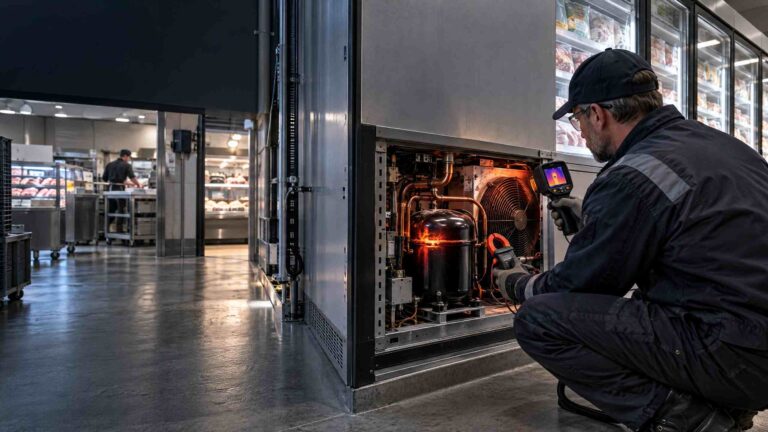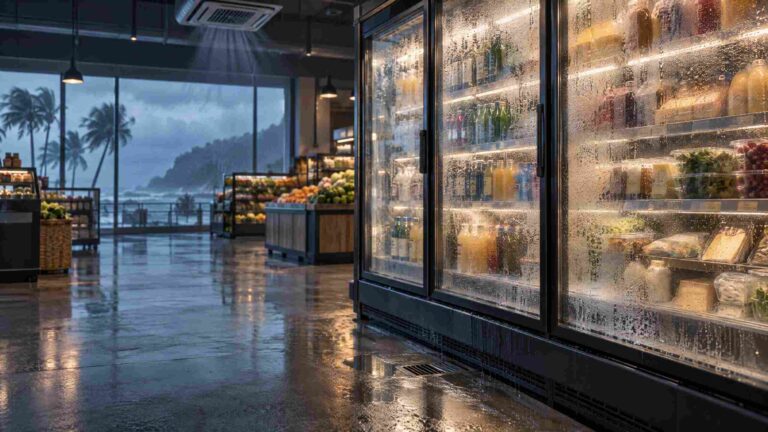

A supermarket refrigeration alarm is only useful when it points to the right problem early enough for staff to act. Many stores install a remote refrigeration monitoring platform, add a few sensors, and then discover that the alerts are too noisy, too late, or too vague. The night manager receives a high-temperature message, but no one knows whether the issue is a door left open, a long defrost cycle, a failed fan, a warm restock, or a sensor mounted in the wrong spot.
For B2B buyers, alarm design belongs in the equipment specification, not as an afterthought. A supermarket temperature monitoring system has to match cabinet type, product risk, store traffic, local food rules, and how staff actually respond after hours. The goal is not to create more messages. The goal is to separate normal cabinet behavior from conditions that can damage food, cause warranty arguments, or force a store to pull product from sale.
What Should A Temperature Alarm Prove Before It Rings?
A good alarm rule starts with context. A freezer door opening for thirty seconds is not the same event as a cabinet drifting upward for half an hour. A display refrigerator recovering after a delivery is not the same as a dead evaporator fan. Buyers should ask the monitoring vendor and cabinet supplier how the system filters these cases before it wakes up a store team.
Use Product Risk Before Generic Thresholds
Alarm limits should come from the food category, store policy, and local compliance rules. Ice cream, frozen meat, beverages, dairy, and ready-to-eat chilled foods do not all carry the same risk. A commercial freezer alarm for frozen seafood may need different escalation than an alert on a beverage chiller. Buyers should avoid fixed factory presets unless those presets are reviewed against the store’s product list and cabinet layout.
Build In A Sensible Time Delay
Every refrigerated case has normal movement. Doors open, defrost cycles start, staff restock, and air temperature bounces around faster than product temperature. If every small air-temperature jump becomes an alert, staff stop trusting the system. A practical rule combines threshold, delay, sensor position, and recovery behavior. That combination tells the team whether the case is correcting itself or sliding into a real fault.
Which Alarm Types Belong In A Supermarket System?
Different stores use different software, but the alarm list should cover the same operational risks. Buyers do not need exotic features first. They need the basic failure modes covered cleanly, with clear names and escalation routes.
High And Low Cabinet Temperatures
High temperature is the obvious alert, but low temperature matters too. A chilled cabinet running too cold can freeze salads, drinks, meat surfaces, or delicate dairy packaging. A freezer running too warm can soften product before staff notice it visually. Remote refrigeration monitoring should show which cabinet, which sensor, how long the condition has lasted, and whether the value is still moving in the wrong direction.
Door-Open, Power, And Communication Loss
Door-open alerts are useful in glass door cases, back-room units, and high-traffic beverage sections. Power-loss alerts matter even more after closing, when a full cabinet can sit unattended. Communication-loss alerts are less dramatic, but they stop a blind spot from hiding for days. If a cold chain temperature sensor cannot report, the system should flag the missing data rather than leave a quiet gap in the record.
Defrost And Recovery Behavior
A defrost cycle can create a normal temporary temperature lift. The problem is the cycle that runs too long, repeats too often, or fails to recover cleanly afterward. Buyers should ask whether the IoT refrigeration monitoring platform can separate a scheduled defrost event from a fault. Recovery time after defrost, restocking, or repeated door openings is often more revealing than a single peak reading.
Where Should Sensors Be Placed In Commercial Cabinets?
Sensor placement decides what the alarm really means. A probe mounted beside a cold air outlet may make the case look safer than the warmest shelf. A probe placed in a return-air path may catch recovery problems faster. Product simulant sensors, air sensors, and controller probes each tell a different story.
Glass Door Cases Need Door-Area Discipline
In glass-door cabinets, the front of the shelf often sees more disturbance than the rear. Door openings pull warm and humid air into the cabinet, while staff may load new cartons close to the front for visibility. Buyers configuring a supermarket temperature monitoring system should ask for a sensor map: door zone, return air, top shelf, lower shelf, and any known warm corners from commissioning tests.
Freezers Need Frost And Airflow Context
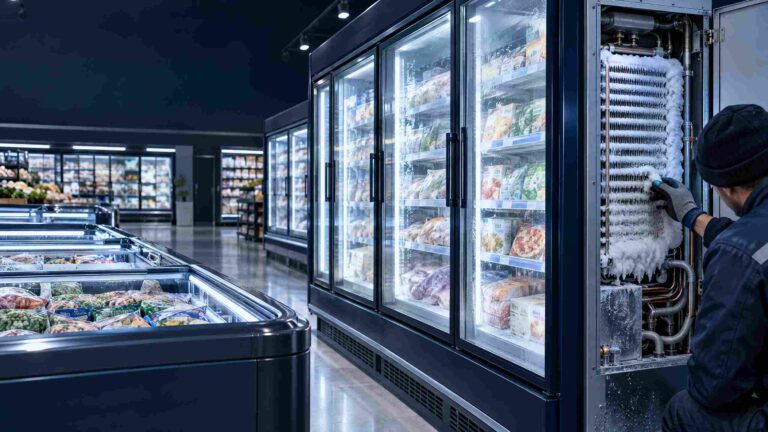
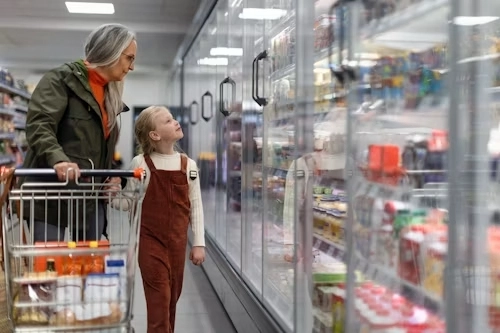
Freezer alarms should not be interpreted without airflow and defrost context. Heavy frost, blocked return air, poor gasket contact, or a weak fan can make one area warm while the controller still reads within range. A commercial freezer alarm becomes more useful when it is linked to a maintenance checklist, not just a temperature number.
How Cabinet Choice Changes Alarm Priorities
A monitoring system cannot rescue a cabinet that is badly matched to the store. The case still needs suitable doors, airflow, insulation, controls, and defrost logic. This is where equipment pages and RFQ discussions should connect with monitoring requirements.
Glass Door Refrigerators And Beverage Traffic
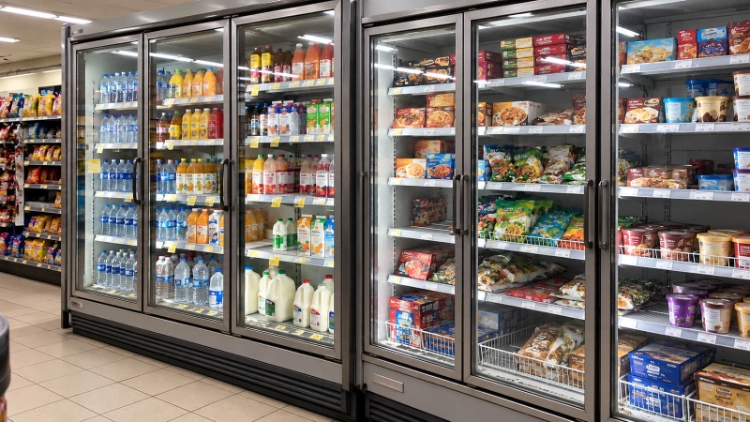
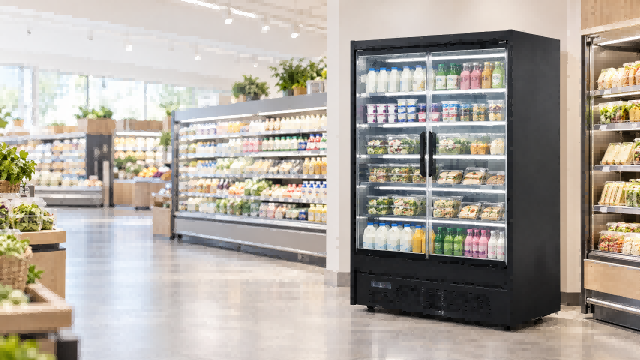
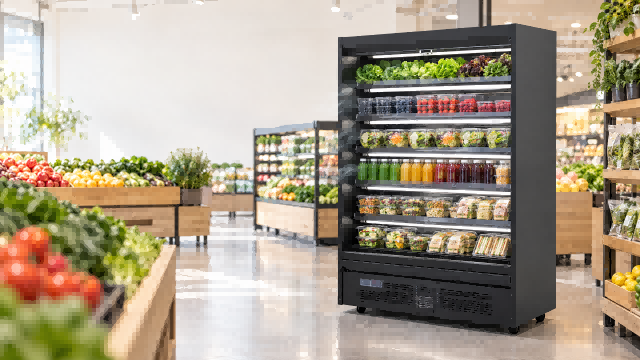
Create Refrigeration’s commercial refrigerator is a plug-in 1-4 door chiller/freezer family with five shelves, LED 6000K lighting, automatic defrost, casters with brake, one-piece foaming, and two-layer chiller glass or three-layer freezer glass with electric heating. It has R404A/R290 refrigerant options, an Elitech thermostat, a Secop compressor, a copper tube evaporator, an EBM fan, a low-E coated glass, and a C-P 70 mm panel. For monitoring, that kind of cabinet calls for door-open logic, recovery alerts after beverage rushes, and sensor placement that catches front-shelf drift.
Ice Cream And Frozen Promotions
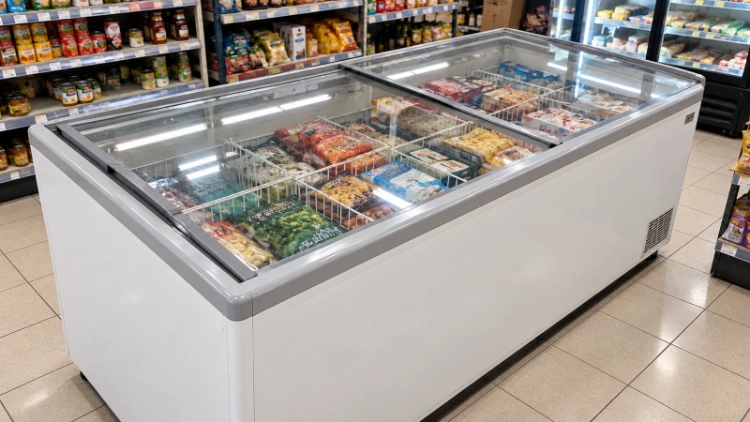
An ice cream freezer needs a different alarm personality. Create Refrigeration’s curved-glass-top chest freezer uses a plug-in format, automatic defrost, R134A refrigerant, an Elitech thermostat, a Secop compressor, a copper tube evaporator, an Ebm fan, LED lighting, baskets, a lock, and a curved sliding tempered glass lid. A buyer should ask how the alarm platform treats lid-open events, low battery sensor warnings, and slow recovery after staff load frozen cartons during trading hours.
Long Glass Door Lineups
Larger refrigerated aisles can have several doors, several probes, and several stocking patterns. The commercial fridge in Create Refrigeration’s 2-5 door range uses automatic defrost, low-E glass, LED 6000K lighting, R404A/R290/R448A options, an Elitech thermostat, a Secop compressor, a copper tube evaporator, and Ebm fan. Alarm grouping matters here: one door, one sensor, or one section should not bury the status of the whole lineup.
Buyer Checklist For Alarm Configuration
Before signing off the monitoring package, buyers can use a short checklist during RFQ review. It keeps the conversation practical and avoids vague promises about smart refrigeration.
1. Name every cabinet and zone in plain store language, not only model numbers.
2. Set high and low alerts by product category and local compliance rules.
3. Add a delay rule so normal door openings do not create nuisance alerts.
4. Separate door-open, power-loss, sensor-fault, and communication-loss alarms.
5. Ask how defrost events and recovery time are logged.
6. Confirm who receives first, second, and overnight escalation.
7. Keep alarm records exportable for audits, claims, and staff training.
Supplier Details Worth Adding To The RFQ
Monitoring also works better when the cabinet supplier understands store planning. Create Refrigeration is based in Xingfu Industrial Park, Binzhou City, Shandong Province, and works across commercial supermarket refrigeration equipment, supermarket shelves, stainless steel equipment, western kitchen equipment, and cold storage projects. The company supports CAD drawings, 3D supermarket layout renderings, OEM/ODM service, conventional, modified, and customized products, 110V/60Hz and 220V options, DDP service when an address is provided, one-year warranty, and spare parts support for some bulk orders.
Those details are useful because a cold chain temperature sensor is only one part of the operating plan. Share the store drawing, cabinet list, product categories, stocking schedule, alarm escalation team, voltage, and preferred refrigerant before production. For wider product selection, buyers can compare the glass door freezer and cooler category with frozen display, chilled beverage, and mixed supermarket layouts, then decide where alarms need stricter escalation. For more detail, see our guide on this article.
FAQ
Q1: What alarms should a supermarket temperature monitoring system include?
A1: Start with high temperature, low temperature, door open, power loss, sensor fault, communication loss, defrost exception, and slow recovery alerts.
Q2: Does every cabinet need the same commercial freezer alarm setting?
A2: No. Settings should reflect product type, cabinet design, sensor location, local rules, traffic level, and staff response time.
Q3: Can IoT refrigeration monitoring replace good cabinet selection?
A3: No. Monitoring warns the team, but cabinet airflow, doors, insulation, defrost logic, and maintenance still decide recovery performance.