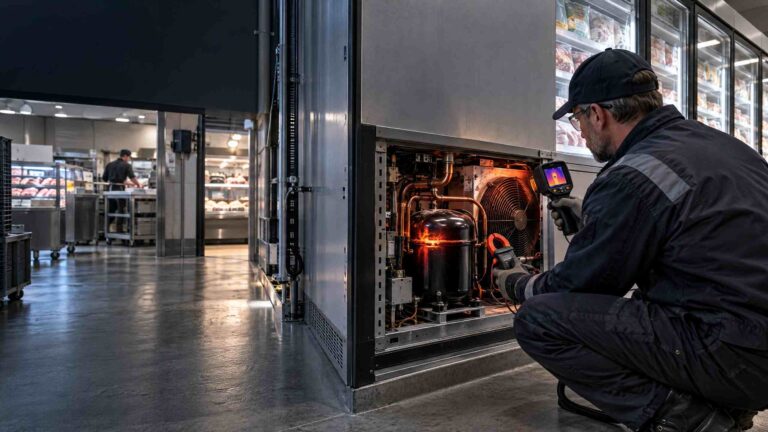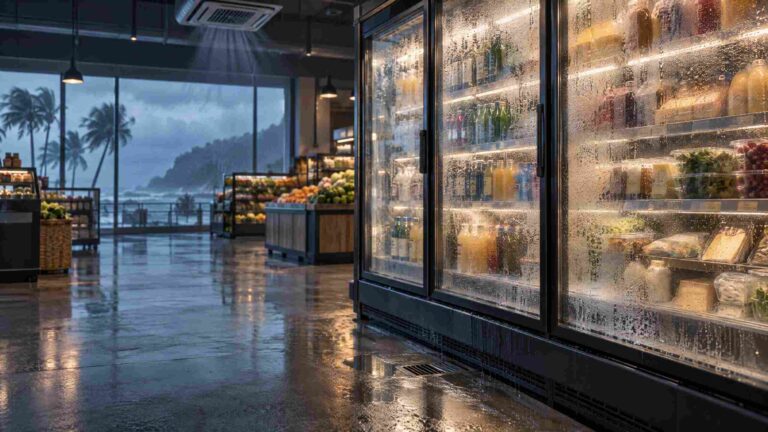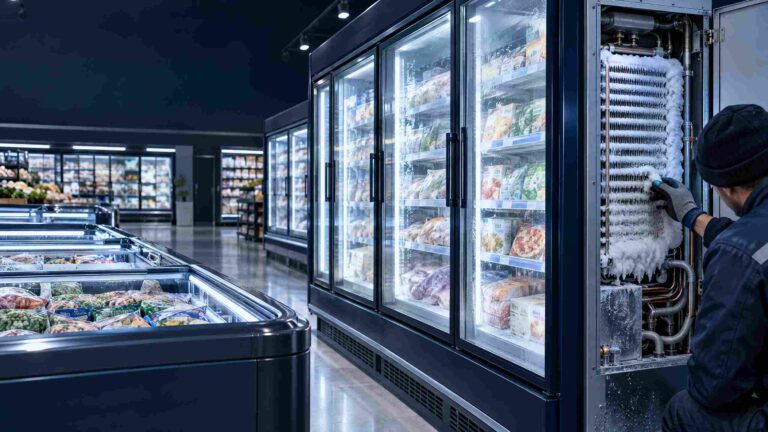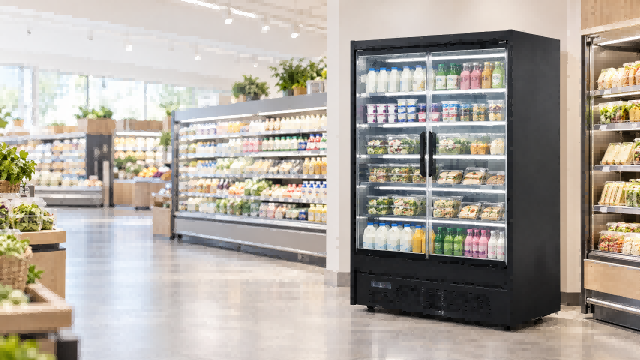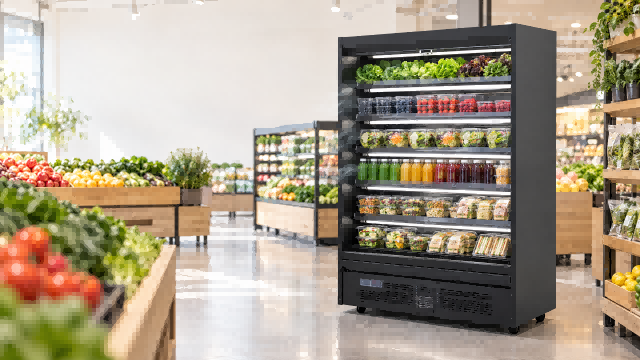
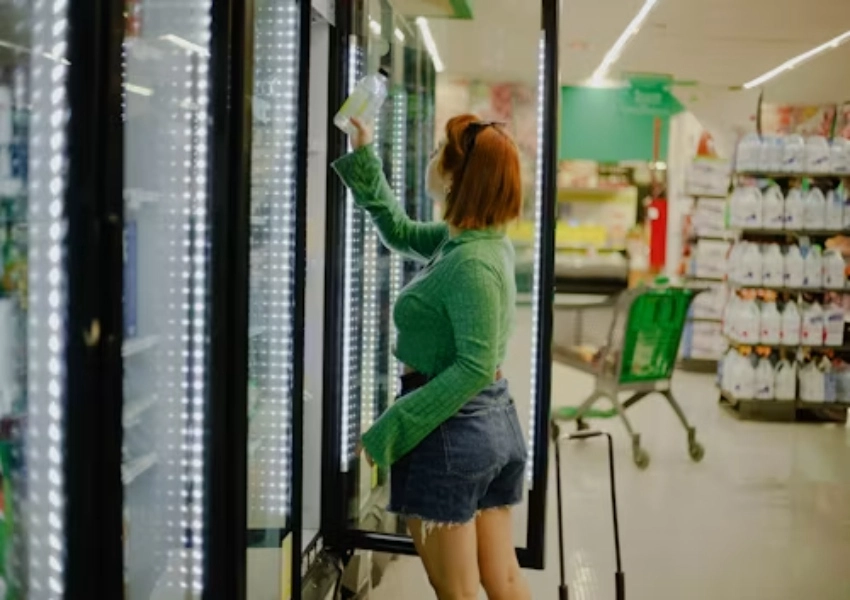
Restocking looks harmless from the aisle. Staff open cartons, face up the front row, fill empty shelf space, and move on before shoppers notice the gap. Inside the cabinet, though, the system has just taken a real load. Warm cartons, blocked airflow, longer door-open periods, and crowded shelves all change commercial refrigerator temperature recovery. If the case cannot pull the zone back into range quickly enough, the store may lose product quality long before a shopper sees anything wrong.
The sharper question is what happens after a planned restock, especially when chilled or frozen product arrives warmer than the display zone, staff load is above the air path, or the case is asked to recover during peak business. For B2B buyers, refrigeration pull-down time and recovery behavior deserve a place in the equipment review, staff SOP, and warranty conversation.
Why Restocking Creates A Different Temperature Problem
A door opening adds warm air. Restocking adds warm mass. That difference matters. Product cartons, plastic packaging, trays, and hands all bring heat into the cabinet. The evaporator has to remove that heat while still protecting the stock already on display.
Pull-Down Time Is Not The Same As Daily Recovery
Refrigeration pull-down time usually refers to how a cabinet brings a load down from a warmer starting condition. Daily recovery is messier. The cabinet may already be operating, doors may be opening, shelves may be crowded, and the store may be warm. Buyers should ask suppliers how a model behaves after realistic restocking, not only how it performs in a clean empty-cabinet condition.
Product Temperature Moves More Slowly Than Air
Air temperature can recover faster than the product sitting on a tray or inside a carton. That is why a display case restocking temperature check should not rely on a single air reading near the outlet. If warm product is loaded deep into a shelf, the front probe may look acceptable while the middle of the load stays warmer for longer.
Where Warm Spots Usually Start After Restocking
Most recovery problems have ordinary causes. They are not always compressor failures. Many begin with loading habits and cabinet selection. A case that performs well at half load may struggle when every shelf is packed to the front edge on a busy afternoon.
Blocked Return Air And Overfilled Shelves
When staff push product past the load line or stack cartons against the rear duct, cold air cannot travel cleanly across the shelf. Return air may short-cycle, and the controller may read a value that hides a warm pocket. This is a common path from poor loading to supermarket food waste because the product looks merchandised, but the airflow is no longer doing its job.
Mixed Product Temperatures
A restock that mixes already-chilled product with warmer incoming cases can create uneven recovery. The cabinet has to cool the new load while holding the older load safely. Frozen product is even less forgiving because surface softening, frost, and packaging moisture can appear after repeated warm handling. Buyers should treat restocking practice as part of refrigerator recovery performance, not only staff training.
What Buyers Should Ask Before Approving A Display Case
The buying conversation should move beyond capacity and appearance. Shelf count, display area, glass type, fan layout, air duct design, controller logic, and defrost behavior all affect recovery after loading. The best questions are practical and easy for store teams to test.
Ask For The Airflow Path
A supplier should be able to explain where cold air leaves the case, where it returns, and which shelf areas are sensitive to blocking. For open multidecks, the air curtain has to stay stable. For glass door cabinets, the front zone changes every time staff refill. For meat cases, the display surface and rear working area both matter because staff may load and trim during business hours.
Ask How Defrost And Recovery Interact
Automatic defrost helps keep the evaporator working, but it also changes short-term temperature behavior. If a restock happens close to defrost, the case may need more time to recover. Buyers should ask how controls restart fans, how temperature is displayed, and what maintenance signs point to a slow recovery problem before it becomes a waste problem.
Product Specs That Connect To Recovery
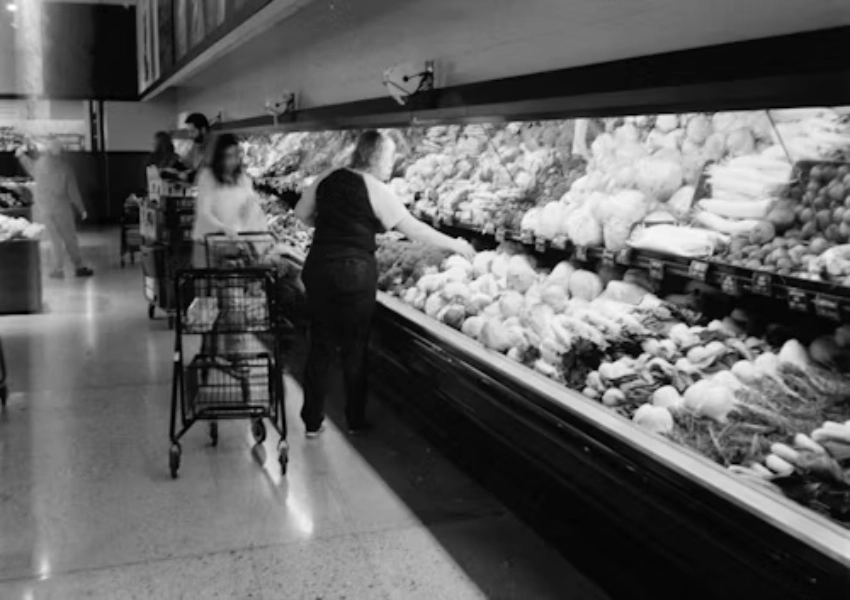
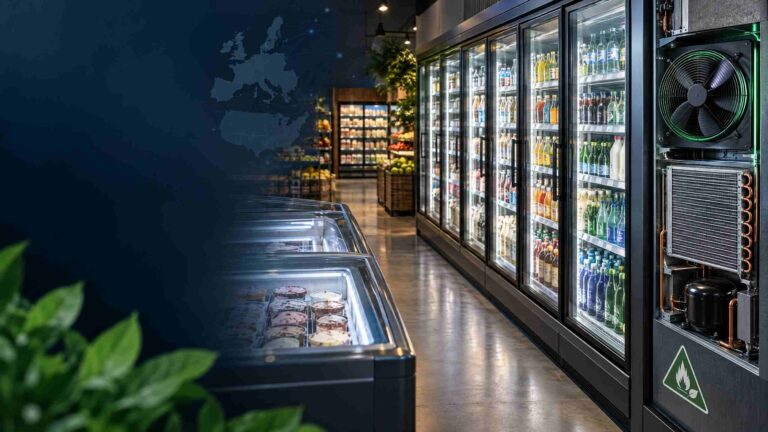
Create Refrigeration gives several useful examples for this topic. Its glass-door freezer and cooler notes point to self-closing glass doors, double-layer insulating glass, high-quality air duct design, LED lighting on the door frame, efficient heat exchanger design, thickened insulation, and 360-degree cold-air circulation. Those features matter because recovery after restocking depends on keeping the cold path open and bringing disturbed zones back down without dead corners.
Multideck Chillers For Chilled Produce And Drinks
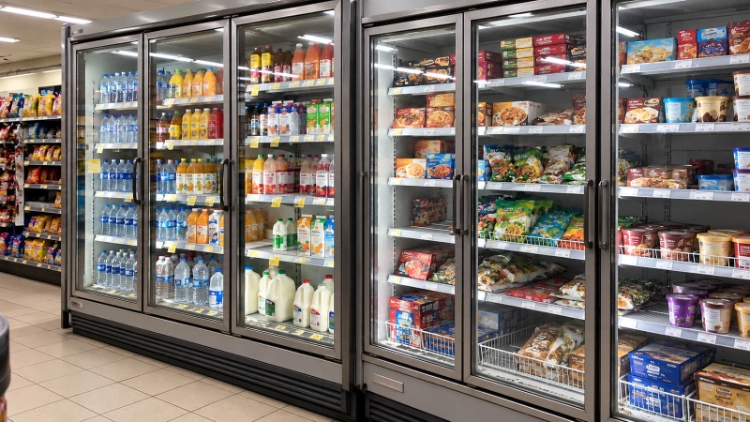
A multideck chiller is often restocked several times a day with drinks, dairy, fruit, vegetables, or prepared food. Create Refrigeration’s half-multideck cooler uses a slow-speed night curtain, Elitech thermostat, EBM fan, Danfoss expansion valve, LED lighting, four adjustable shelves, and a double-layer air curtain design. It has digital temperature control and a 2-8 degrees C range. For buyers, those facts connect directly to shelf loading discipline and recovery after a busy refill.
Meat And Self-Service Displays
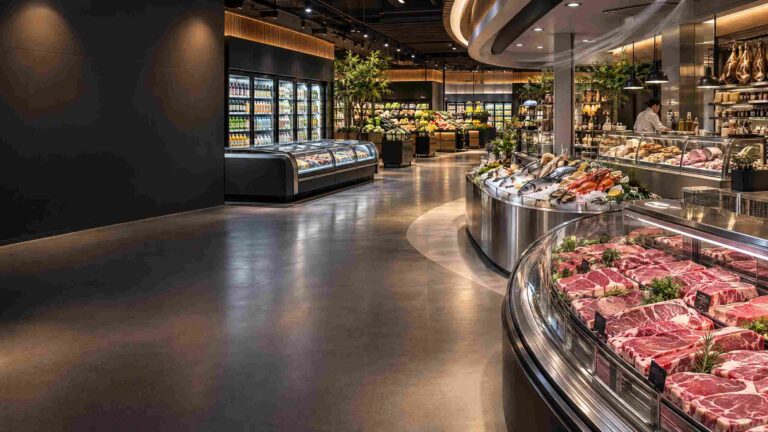
Fresh meat merchandising needs extra attention because product quality can suffer from warm display surfaces, blocked air, and repeated handling. Create Refrigeration’s meat display freezer is listed as a plug-in or remote self-service counter with LED 6000K lighting, free combination, an anti-collision guardrail, double-layer 8 mm tempered side glass, R290 refrigerant, automatic defrost, an Elitech thermostat, a Secop compressor, a copper tube evaporator, an Ebm fan,a C-P 60 mm panel, and a -2 to -3 degrees C range. That information helps buyers discuss whether the store needs tighter restocking windows, more probe checks, or a different counter format.
Frozen Promotion And Glass Door Cases
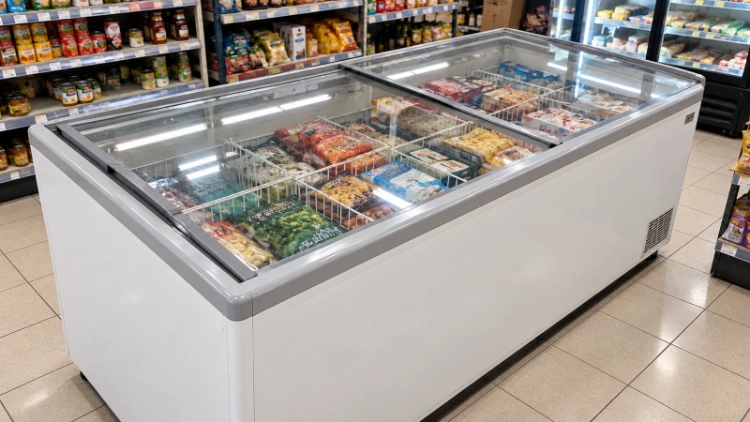
Frozen promotions often create fast turnover and heavier restocking. A commercial display freezer in Create Refrigeration’s island range uses a plug-in format, automatic defrost, R404A/R290 options, an Elitech thermostat, Secop compressor, a copper tube evaporator, an Ebm fan, low-E coated top glass, 6000K LED lighting, baskets, a push-up glass top, and a -18 to -23 degrees C range. For vertical frozen sections, the glass door freezer range uses low-E glass, automatic defrost, five-shelf formats, and chiller or freezer temperature options. Recovery testing should match the actual product mix, not a generic freezer label.
How Stores Can Reduce Food Waste During Restocking
Equipment choice helps, but daily habits still decide a lot. Stores should stage products near the cabinet only when staff are ready to load. Warm cartons should not sit in the aisle while doors stay open. Staff should keep return air clear, respect load lines, avoid burying probes, and load high-risk products in smaller batches where practical. A simple restocking log can show whether slow recovery happens after deliveries, promotions, or staff shift changes.
A practical restocking check can stay short:
1. Pre-chill product before display loading whenever the supply process allows it.
2. Keep doors or lids open for the shortest workable period.
3. Leave return-air paths and front discharge zones clear.
4. Do not stack above the cabinet load line.
5. Watch the recovery trend after a major refill, not only the instant reading.
6. Pull damaged, softened, or temperature-abused product before it becomes a customer complaint.
Supplier Support In Store Planning
For a new store or remodel, recovery problems should be discussed before equipment ships. Create Refrigeration is based in Xingfu Industrial Park, Binzhou City, Shandong Province, and supplies commercial supermarket refrigeration equipment, supermarket shelves, stainless steel equipment, Western kitchen equipment, and cold storage projects. Its support includes CAD drawings, 3D supermarket layout renderings, OEM/ODM service, conventional, modified, and customized products, voltage options including 110V/60Hz and 220V, DDP service when an address is provided, a one-year warranty, and spare parts support for some bulk orders.
That support matters when the buyer is trying to reduce supermarket food waste across a full store, not just one case. Share the replenishment schedule, product categories, expected shelf load, aisle traffic, climate notes, and monitoring plan. Then ask which cabinets have the right airflow, door style, defrost logic, and service access for the way the store actually restocks. If you would like to learn more, please read this article.
FAQ
Q1: Why does commercial refrigerator temperature recovery slow down after restocking?
A1: Warm product, longer door opening, crowded shelves, blocked return air, and defrost timing can all slow recovery after a refill.
Q2: Is refrigeration pull-down time enough for judging a display case?
A2: No. Buyers should also check recovery after real restocking, product loading, door openings, and normal store temperature conditions.
Q3: How can stores reduce supermarket food waste during restocking?
A3: Pre-chill product where possible, load in smaller batches, keep airflow clear, respect load lines, track recovery trends, and train staff on cabinet limits.