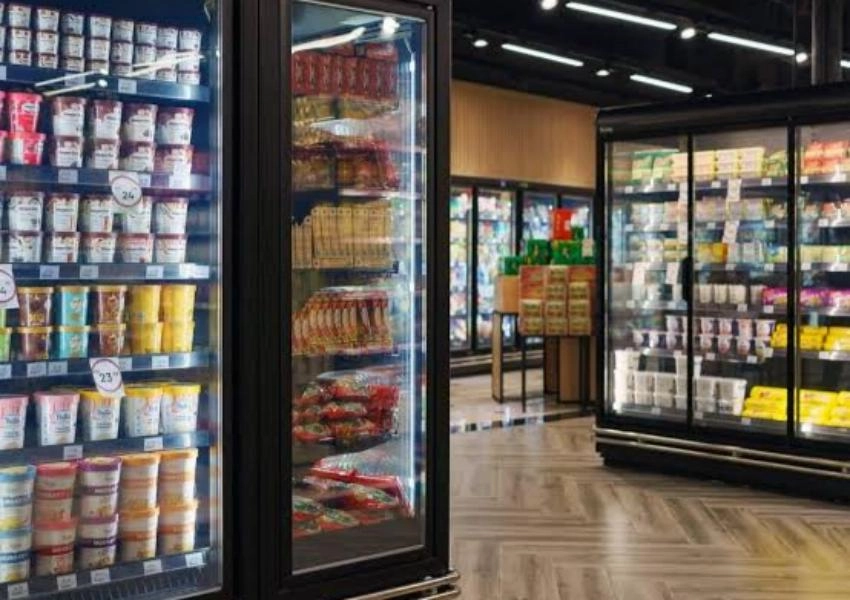
For grocery retailers operating in the EU, UK, and other countries with low-GWP policies for future refrigerants, F-gas compliance is a particularly important issue as they look to reduce emissions from supermarket refrigeration systems, which are some of the largest contributors to greenhouse gas emissions from the retail sector. Achieving compliance will reduce a supermarket’s environmental impact whilst also making their refrigeration equipment more efficient and reliable, helping to ensure stable operation by better use of their current refrigerant and more regular checks as opposed to risk of penalties and bad press, which could also severely affect a retailer’s brand image and potentially lose customers’ trust.
The Role of Refrigeration Systems in Emission Control
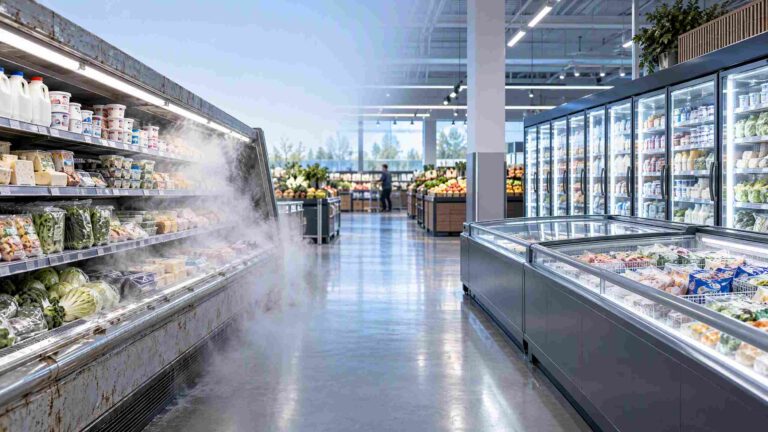
Supermarket refrigeration systems are key to managing emissions. They directly affect how much power a store uses and how often gases leak. Checking freezer temperature levels regularly stops the equipment from working too hard. This extra strain is what usually causes leaks or poor cooling. Using good leak prevention steps helps lower supermarket refrigeration emissions. It also keeps cooling steady across all display cases.
What Are the Key Elements of F-Gas Regulations Affecting Grocery Retailers?
Scope and Objectives of F-Gas Legislation
The F-gas laws cover all machines that use fluorinated gases. This includes freezers, refrigerators, chillers, and air-conditioning units inside retail shops. The main goal here is to slowly remove the high-GWP refrigerants that stores have used for years. At the same time, the rules push stores to switch to low-GWP options. Common alternatives include CO2 systems and R290 hydrocarbon refrigerants. Making this change helps stores follow the law. It also boosts energy efficiency across all daily supermarket tasks.
Specific Requirements for Supermarket Operations
Supermarkets have to follow a few strict duties under the F-Gas rules. For instance, they must do regular leak checks. The timing of these checks depends on the gas charge size and the GWP number. Stores must also keep clear records of all repair work. They need to log leak test results and track any recovered gases. Also, only trained and certified workers can handle F-gases inside freezer or refrigerator systems.
How Can Grocery Retailers Achieve Full F-Gas Regulation Compliance?
Reaching full compliance takes a clear plan. Stores need to mix new tech with strict daily habits.
Implementing Effective Leak Detection Programs
Continuous monitoring systems are vital for cutting supermarket refrigeration emissions. Modern infrared or sound-based sensors can spot small leaks right away. This early warning stops large gas losses over the months. Planned check-ups help keep freezer temperature levels perfectly stable. They also create the paperwork needed for official rule checks. On top of that, automatic data gathering makes reporting much easier.
Transitioning to Low-GWP Refrigerants
Moving away from old hydrofluorocarbons (HFCs) is an important step. Switching to low-GWP choices like CO₂ or R290 hydrocarbons creates lasting compliance. Older refrigerator units might need new parts to handle this change. Even so, these updates bring long-term benefits. Stores get better cooling power and lower running costs over the years. Low-GWP gases do more than just pass legal tests. They also lead to real drops in greenhouse gas levels for every bit of cooling produced.
Maintenance Practices Supporting Compliance
Routine Inspection Procedures
Normal check-ups are very important for keeping supermarket refrigeration systems running at their best. Technicians check seals, valves, compressors, fans, and piping. They also verify that freezer and chiller temperatures stay within safe operating limits. They also make sure the freezer temperature stays within the safe limits. Fixing things before they break stops leaks from happening. This proactive care prevents expensive fixes and protects stores from breaking environmental laws.
Recordkeeping and Documentation Standards
Good paperwork is the core of any strong compliance plan. Detailed logs need to record emission control steps for every refrigerator unit in a company. This data helps with inside checks and outside government reviews. It also shows that the store truly cares about protecting the planet.
| Compliance Area | What Retailers Should Check |
| Refrigerant type | Whether the system uses high-GWP HFCs or lower-GWP alternatives |
| Leak checks | Whether inspections are done at the required interval |
| Service records | Whether maintenance, leakage, recovery, and repair records are kept |
| Technician qualification | Whether service work is handled by certified personnel |
| Refrigerant recovery | Whether old refrigerant is recovered correctly during repair or replacement |
| Equipment planning | Whether new purchases reduce future dependence on high-GWP refrigerants |
How Do Technological Innovations Enhance Refrigeration Efficiency?
New tech changes how grocery retailers handle their refrigeration equipment under F-gas limits.
Smart Monitoring Systems for Freezer Temperature Control
Web-linked sensors now let managers watch freezer temperature changes in real time. They can track many display cases all at once. Automatic alarms tell staff when the heat rises or falls too much. These shifts might point to hidden leaks or poor running states. Such issues often cause higher emissions or wasted power. These smart tools connect smoothly to central dashboards. This setup helps owners make smart, data-backed choices.
Energy-Efficient Refrigerator Designs for Retail Environments
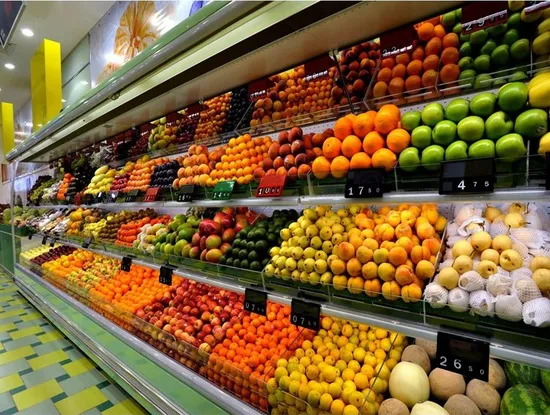
Today’s commercial refrigerator models use high-tech foam insulation. They also feature variable-speed compressors and better airflow setups. These features lower the chance of gas leaks. They also keep the cooling power very steady. Connecting these units to a building’s main control system is a smart move. It allows stores to link their lights, room air, and cooling loads together. This teamwork boosts the whole shop’s energy savings. Best of all, it never puts food safety at risk.
Why Is Create Refrigeration Considered a Reliable Equipment Supplier?
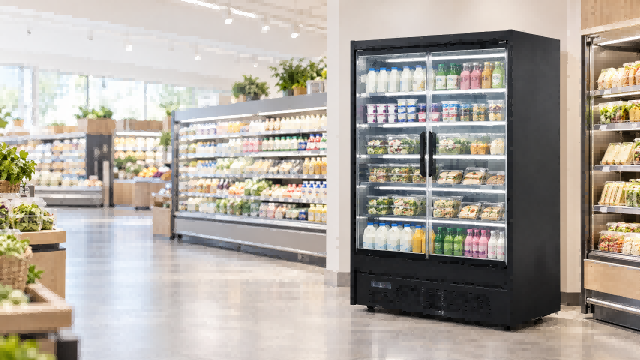
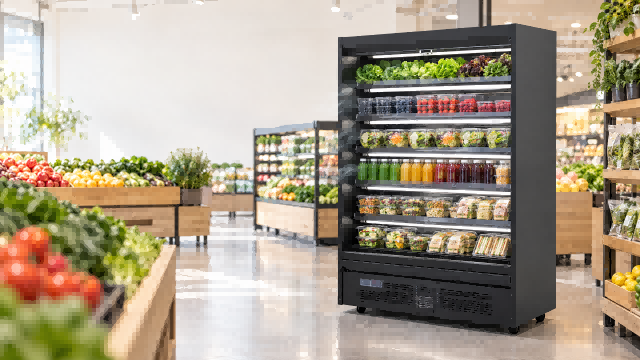
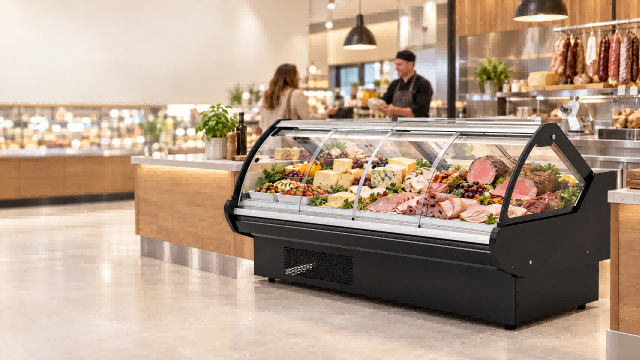
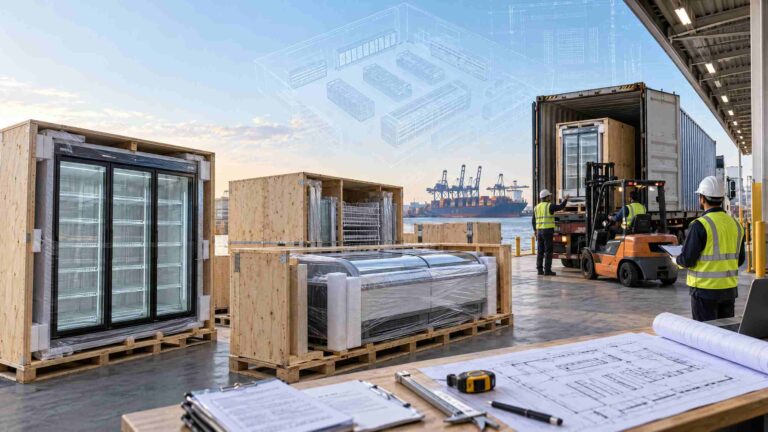
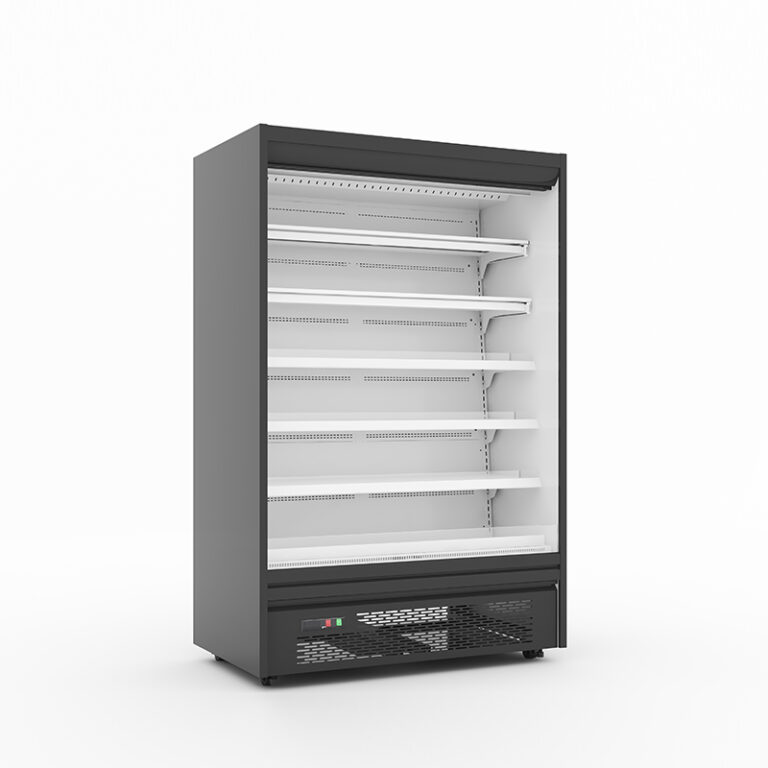
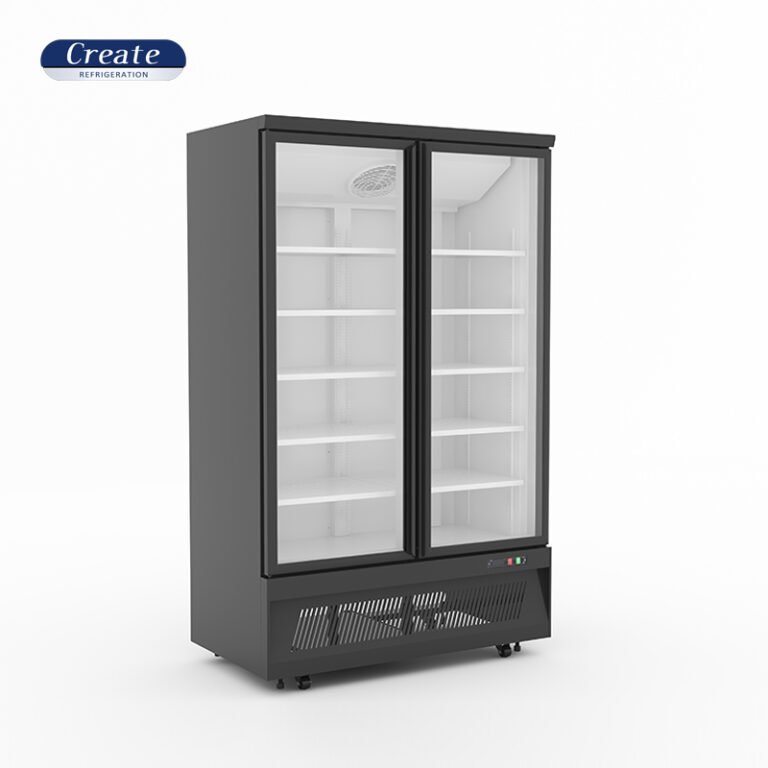
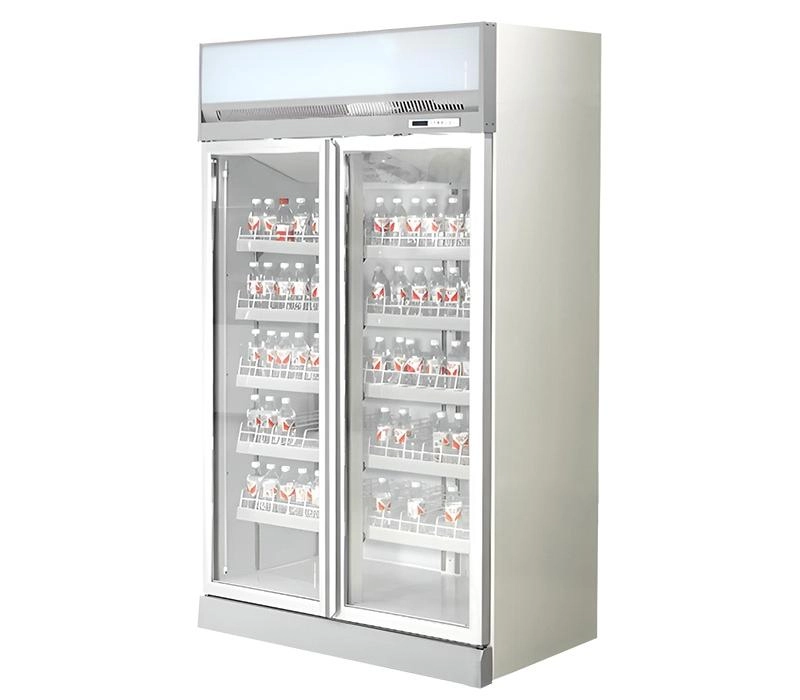
SHANDONG CREATE REFRIGERATION CO., LTD. is based in Binzhou, Shandong Province, China. Create Refrigeration provides commercial refrigeration equipment for supermarkets and engineering projects, including glass door coolers, glass door freezers, island freezers, open chillers, and display cabinets. The company supports OEM/ODM customization, CAD-based store layout assistance, R290 refrigerant applications, and energy-saving materials. Its products hold certifications including CE, CB, ETL, ISO, ROHS, UL, GEMS, and IEC. Buyers should confirm the required certification and refrigerant configuration for the destination market before ordering. Our item list features a modern 2-door commercial upright beverage & ice cream cooler. It has double-glass doors with a special low-E coating.
Conclusion: Strengthening Compliance Through Sustainable Practices
Grocery retailers can make F-gas compliance easier to manage by improving leak detection, service records, refrigerant planning, and equipment selection. They just need to blend smart tech with strict repair routines. This mix keeps freezer temperature levels steady in every aisle. It also drops supermarket refrigeration emissions by catching leaks early. Using fewer high-GWP gases helps stores follow the law. It also proves they care about the earth, which is vital for modern shops. Working with trusted manufacturers like Create Refrigeration brings peace of mind. Stores get solid machines backed by global safety marks. This support lets owners hold onto great cooling standards. This can help retailers prepare for stricter refrigerant policies and reduce compliance risks over time. If you would like to learn more, please read this article.
FAQ
Q1: What are the main sources of supermarket refrigeration emissions?
A1: Most gas leaks happen inside freezers, open chillers, and drink coolers. They also come from any refrigerator systems running on high-GWP fluids. These leaks usually happen during normal daily use or when mechanics do repair work.
Q2: How often should leak checks be performed under F-gas regulations?
A2: The timing for leak checks relies mostly on the gas charge size. Most stores do them every three to twelve months. The exact schedule depends heavily on the GWP scores of the refrigerator systems placed in the shop.
Q3: Why choose Create Refrigeration equipment for compliance efforts?
A3: Create Refrigeration can support buyers with R290 refrigeration options, OEM/ODM customization, CAD layout assistance, and documentation for commercial refrigeration projects. Buyers should confirm final compliance requirements according to the destination market.