In commercial and industrial refrigeration, classification plays a key role in making sure each fridge or refrigerator fits particular operational needs. Experts base these categories on technical differences like cooling methods, temperature levels, and build styles. Such proper grouping leads to better energy use, steady system performance, and safe food keeping. Refrigeration designs have grown over time to meet various business demands, from tiny cafes needing small drink coolers to big cold storage sites requiring central control setups.
As a skilled manufacturer in this area, SHANDONG CREATE REFRIGERATION CO., LTD. sits in Xingfu Industrial Park, Binzhou City, Shandong Province, China. Our items meet worldwide market rules and use top energy-saving tech for reliable work and better food safety. We focus on creating modern commercial cooling options that blend high efficiency with green practices.
The Purpose of Classification in Refrigeration Systems
Grouping fridges and refrigerators acts as a common way for engineers and workers to communicate. It lets users pick the best gear for certain temperature needs, whether for cooled drinks or deeply frozen fish. Plus, it helps set standard performance measures among manufacturers. This way improves work dependability and ensures following global rules like CE, ETL, and ISO certifications.
Core Categories of Refrigeration Equipment
Domestic cooling setups aim mainly at ease of use, with small sizes, low noise, and good looks that fit into home kitchens well. On the other hand, commercial systems get built for toughness and non-stop work under tough conditions. They include stronger insulation material and strong compressors that hold steady temperatures even with often-opened doors or hot surroundings.
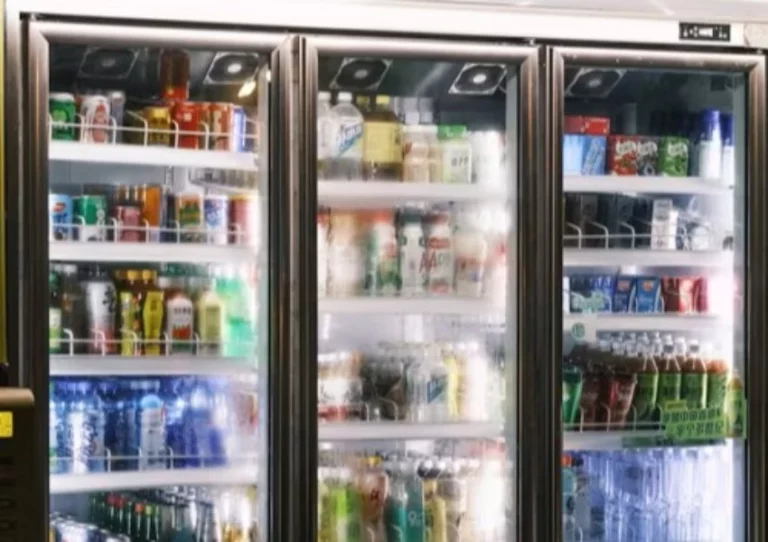
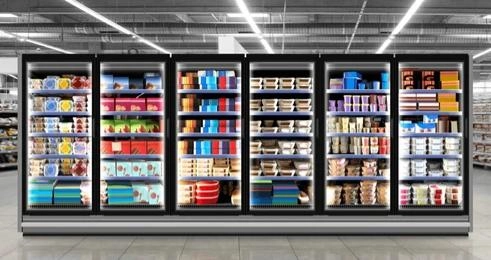
Our 3 doors glass-door fridge shows this gap clearly. It has a solid frame, LED lights, flexible shelves, and an auto-defrost feature, which suits bars or eateries that need both good looks for display and solid cooling results.
What Defines Industrial Refrigeration Systems?
Industrial setups get made for big tasks like food plants or cold shipping hubs, where even temperatures matter a lot. These often link into central cooling webs using smart coolants such as R290 propane or CO₂ to cut down on harm to the environment while boosting energy savings. We offer CO₂ options from planning to making and stick to using green R290 coolants in our goods.
Technical Classification by Cooling Mechanism
Vapor compression remains the top choice for cooling because of its strong output and fit for many uses, from store display units to big freezers. The setup uses four main parts: compressor, condenser, expansion valve, and evaporator. How well it works relies much on the compressor kind: piston types fit small boxes, whereas scroll or screw types drive larger ones.
When Are Absorption-Based Systems More Suitable?
Absorption cooling works without moving compressors by drawing on heat from gas or leftover warmth rather than electric motors. These fit best where quiet running counts or power is hard to get, like far-off hotels or moving food services. Though their cooling power is not as high as compression types, they last longer with little part wear.
Temperature-Based Classification of Fridges and Freezers
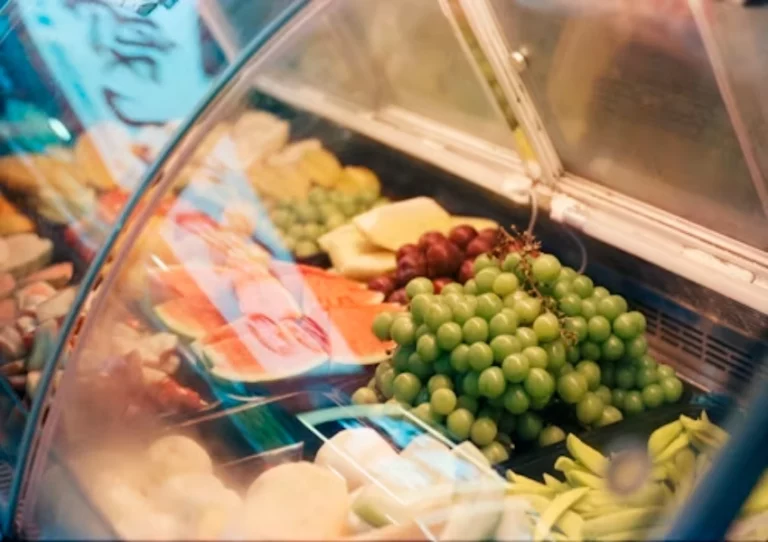
Chillers keep inside temperatures from 0°C to 10°C, which works for drinks, milk items, fruits, and veggies that need light cooling instead of freezing. You often see them in stores or dining spots where easy reach and eye-catching setups are important.
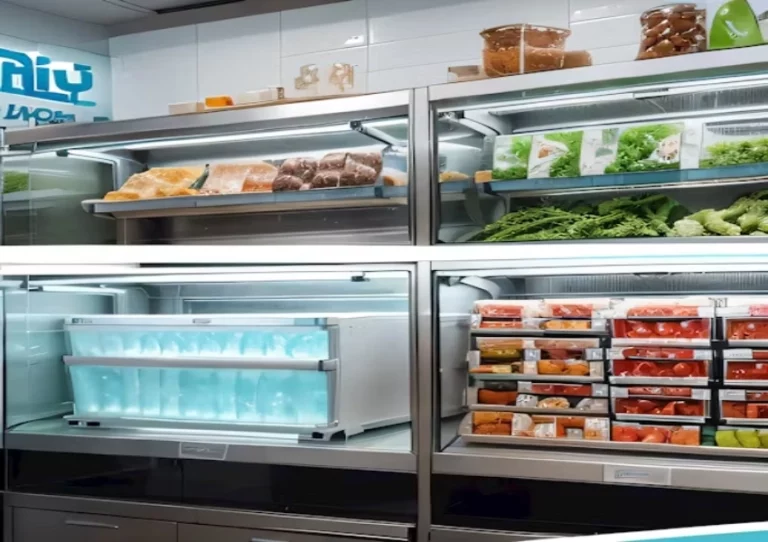
Our Commercial Showcase Multideck Open Chiller shows these traits well. It comes as a plug-in unit, with a clear night cover, auto-defrost setup, flexible metal shelves, and power-saving LED lights that boost item views while keeping even temperatures all around.
What Distinguishes Freezers for Deep-Freeze Applications?
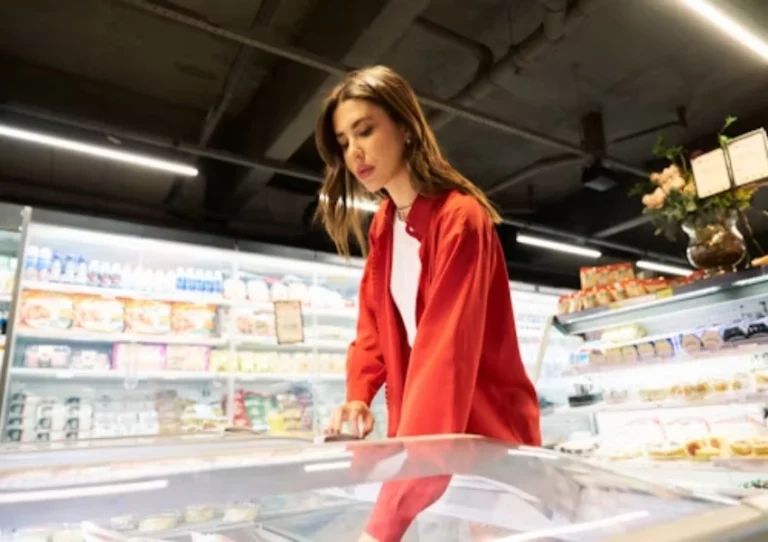
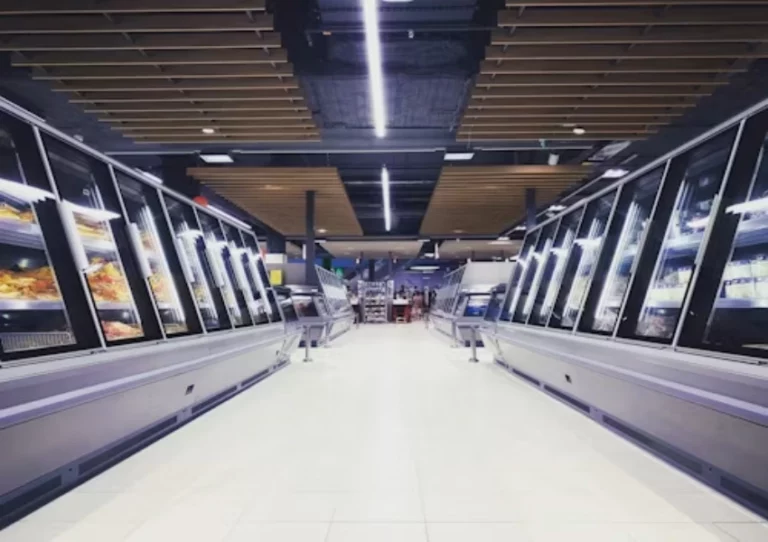
Freezers run under -18°C to keep frozen foods like meat or ice cream fresh for long periods. These need tough insulation to stop heat loss during regular use patterns common in shops. The Supermarket Display Glass Door Combination Freezer mixes top chiller areas with bottom freezer parts using separate compressors. This smart hybrid saves space and gives flexible storage for varied temperature spots.
Structural Classification Based on Design Configuration
Upright display fridges make the most of tall spaces with several shelf levels that let customers see items easily, a big plus for shops selling plans. Their user-friendly shape allows simple restocking, and they keep a steady air flow on every tier. For instance, our multideck open chillers apply double air-curtain designs that speed up cooling and cut energy use, so they work great for small stores showing milk goods or bottled drinks.
When Are Horizontal Counter-Type Units More Effective?
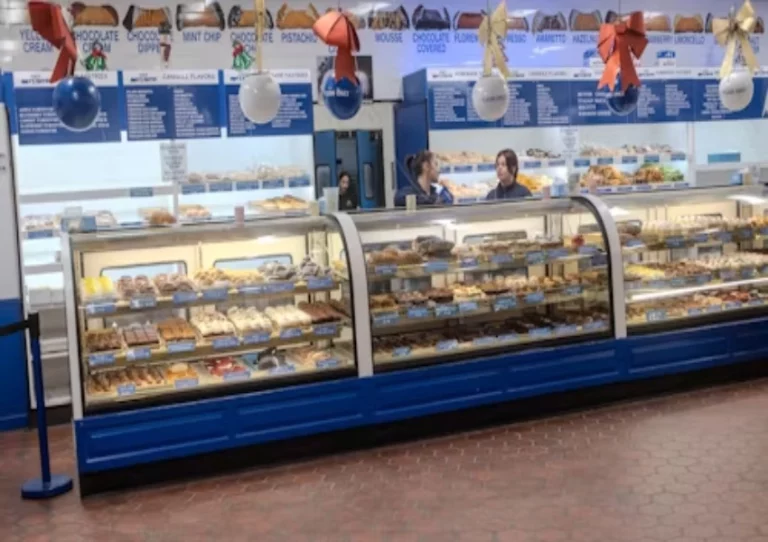
Horizontal counter fridges suit spots like deli areas or meat shops, where broad tops help with direct customer service. Better air flow ensures even temperatures over items like meats or fish. The Supermarket Right Angle Flat Top Service has strong glass sides with lift-up doors that make cleaning straightforward while lifting the display quality. It balances clean standards with item draw. Likewise, our Supermarket Meat Display Fridge uses fog-proof glass tech along with even air paths to hold freshness on all shown goods without too much water loss.
Energy Efficiency and Technological Advancements in Refrigeration Equipment
Newer cooling units add digital temp controls tied to IoT watch platforms that allow exact temp handling over many units at once. Smart upkeep tools check compressor runs to spot issues early, which cuts stoppages a great deal.
Why Are Eco-Friendly Refrigerants Becoming Industry Standard?
World green aims have sped up changes to low-harm coolants like R290 propane or CO₂ mixes that lower gas releases without losing cooling strength. By using leading brand inverter compressors known in the field, we make our products more power-saving and steady in action, while cutting electric costs by up to 50% in a year. This fits with global green laws that push lasting care in cold chain work.
Create Refrigeration: A Reliable Partner in Professional Cooling Solutions
Shandong Create Refrigeration Co., Ltd. ranks as China’s biggest all-in-one buyer spot for stores and building projects. We combine planning, making, research, and selling into one smooth flow aimed at giving worldwide commercial cold chain answers plus custom help matched to client needs around the globe via ODM/OEM plans.
Technical Expertise & Customization Capabilities
Our engineering group gives 3D store layout plans using CAD sketches for free when buyers get our gear, which ensures smooth fits between building designs and cooling spots for top output.
Product Reliability & Global Reach
We hold various quality check papers like CE, CB, ETL, ISO, GEMS, ROHS, UL, and IEC certifications. Our after-sales help web covers the world, with special teams giving ongoing aid during setup and upkeep times through our official contact page.
Conclusion
Fridge grouping supports every part of today’s cold chain handling, from home kitchens to large industrial hubs, by setting gear based on clear work traits like temp levels or build setups. Each group adds in its own way to keep item quality and boost work output through new tech such as smart controls or green coolants. As a manufacturer driven by fresh ideas and set on green growth worldwide, we keep pushing cooling standards ahead in fields looking for solid long-term fixes at Create Refrigeration.
FAQ
Q1: What is the main difference between a chiller (refrigerator) and a freezer?
A1: A chiller maintains moderate temperatures (0°C–10°C) suitable for fresh food storage, such as dairy or produce; a freezer operates below -18°C, designed specifically for long-term preservation of frozen goods like meat or ice cream.
Q2: How do commercial refrigeration units differ from domestic ones?
A2: Commercial models emphasize durability under continuous operation using reinforced insulation materials and high-performance compressors compared with domestic fridges, focusing mainly on compactness and quiet function within households.
Q3: Does Create Refrigeration provide customized solutions?
A3: Yes—we offer ODM/OEM customization services, allowing clients worldwide to tailor size dimensions, display configurations, temperature ranges, or energy-saving options according to their business requirements, seamlessly integrated into project layouts before production begins.