In commercial refrigeration systems, spotting performance problems early is key to avoiding food spoilage, energy loss, and expensive fixes. Small changes in cooling can point to bigger mechanical or electrical problems. If ignored, these might lead to full system breakdowns. Steady monitoring and quick action keep cooling running smoothly, and they also help meet food safety rules and cut running costs.
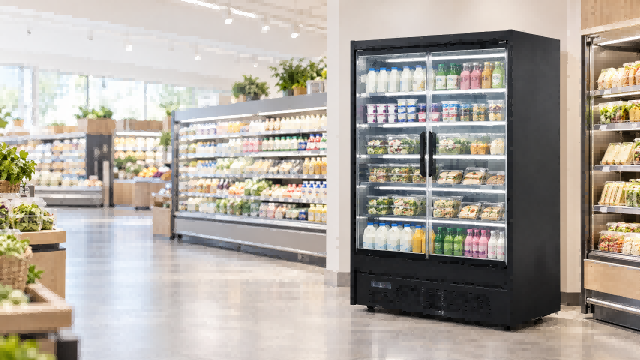
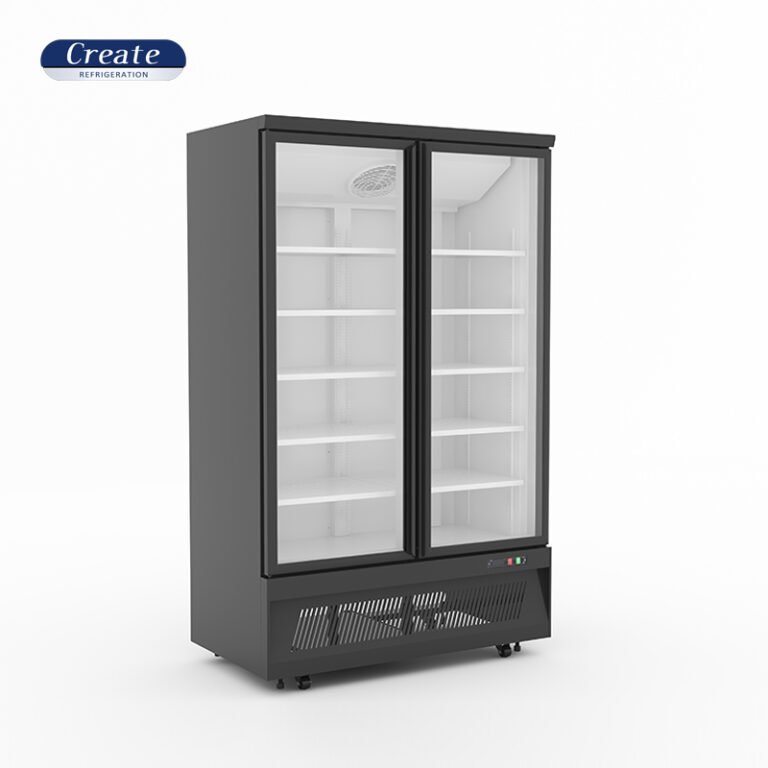
Finding minor issues like compressor stress or fan imbalance ahead of time can greatly lengthen the life of fridges and freezers. Such upkeep cuts downtime, eases strain on key parts, and holds steady temperature control. This control is vital for keeping products fresh in stores or eateries. Units like the 3 Doors Commercial Back Bar Cooler offer reliable work. They come with auto-defrost features and power-saving compressors. These help ensure lasting dependability.
Temperature Irregularities as an Early Indicator
Changes in temperature often serve as the first sign of trouble inside. When fridges cannot keep steady cooling patterns, deeper problems might involve thermostat mistakes or blocked airflow from clogged vents.
Fluctuating Internal Temperatures
A fridge’s inside temperature stays even thanks to accurate sensor input and balanced air flow. If it shifts without reason, a broken sensor or weak fan motor could be at fault. Checking digital records lets workers spot these shifts early, which happens before they harm stored items. In business settings where food safety matters most, keeping exact heat control avoids stock damage and boosts daily workflow.
Warm Spots and Uneven Cooling Zones
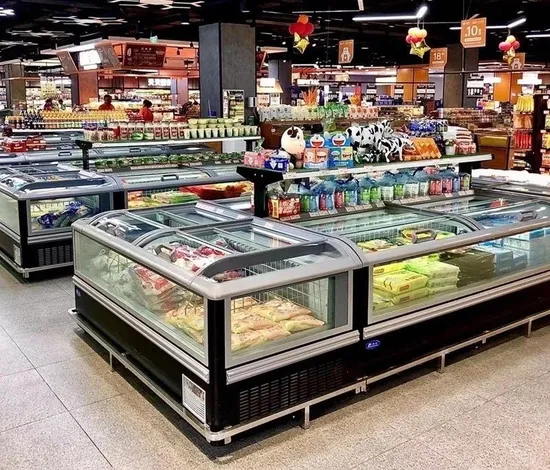
Hot patches in a fridge show poor air movement or broken insulation. Worn door seals or old insulation let in warm air, which lowers overall output. Tools like infrared thermography provide a simple way to find these spots fast. For instance, the supermarket display glass door combination freezer uses separate top and bottom compressors, which have their own thermostats too. This setup ensures even cooling in all areas. Such design reduces risks of uneven temperatures in busy commercial spots.
Unusual Noises from the Refrigerator System
Odd mechanical sounds can uncover hidden faults in refrigeration setups. Keeping track of sound patterns aids experts in spotting part wear before total failure hits.
Identifying the Source of Mechanical Sounds
Sounds like clicking, buzzing, or grinding usually come from compressor pressure or loose bits inside. Steady shakes might stem from crooked condenser coils or loose covers. A fridge under load often makes long humming noises past its usual run time, which hints that motor bearings or fan parts need a look.
Acoustic Patterns Linked to Specific Failures
Each noise type ties to certain system issues: short rattling points to fan blocks, popping sounds may come from refrigerant pipes swelling due to pressure shifts, and ongoing noise after defrost might mean a control board problem. Fixing these sound issues soon stops wider breakdowns in linked parts.
Excessive Frost or Condensation Formation
Too much frost or water buildup can sharply cut energy use while hinting at bigger working flaws in the refrigeration machine.
Frost Accumulation in the Freezer Compartment
Heavy frost often means a bad defrost heater or timer. Ice piles block air around evaporator coils, which causes uneven heat and weaker cooling power. Routine checks on coils are key for good heat swaps and stopping overfrost that pushes compressors too hard.
Condensation Around Doors and Seals
Water drops near doors usually arise from faulty gaskets or wrong humidity settings. High room moisture worsens these problems when insulation weakens. New seals bring back tight closure and save power. This step is vital for stores handling big refrigeration setups.
Electrical and Power Supply Concerns
Power issues often come before major mechanical faults in business fridges and freezers.
Frequent Power Cycling or Startup Delays
If compressors cycle on and off too much or start late, bad relays, worn capacitors, or shaky voltage might be the cause. Over time, this unevenness can harm electronic parts and sensors. Adding surge protectors steadies power to delicate components, which guards equipment life and smooth running.
Indicator Lights and Control Panel Warnings
Newer refrigeration machines have lights that show error codes for issues like loose sensors or circuit overloads. Fading lights might mean low voltage or too much strain on inner wires. Regular wire checks keep safe work and avoid electrical dangers in strong systems.
Odors and Air Quality Issues Inside the Fridge
Poor air inside refrigeration gear harms stored goods and points to germ spread or chemical spills that need fast fixes.
Persistent Unpleasant Smells Despite Cleaning Efforts
If bad smells linger after deep cleaning, mold in drain paths or behind walls could be the culprit. Stuck air from closed vents holds bacteria that cause odors in tight spaces. Carbon filters clear these smells well, and they also better air flow in cooled areas.
Chemical or Burning Smells During Operation
A sharp burnt smell often means wiring heat-up; chemical scents might signal refrigerant escape. These bring risks to the air and safety, so pros must step in. Workers check refrigerant pressure in regular upkeep to prevent more harm.
Introducing Create Refrigeration as a Trusted Supplier
Shandong Create Refrigeration Co., Ltd. stands as China’s top one-stop buyer for supermarket and project needs. As the biggest one-stop procurement firm for supermarkets and engineering in China, it acts as a foreign trade manufacturer blending design, making, research, and selling. We stick to ideas of skill, tech, and global reach. Our aim is to offer full factory-direct sales to clients at home and abroad. Create Refrigeration chiefly builds refrigeration gear for commercial supermarkets, stainless steel tools, western kitchen items, and store racks. We work to build worldwide commercial cold chain answers and custom services. We supply full ranges like display freezers, multideck chillers, service counters, back-bar coolers, stainless steel kitchen units, cold storage rooms, and walk-in coolers. All fit retail spots needing toughness plus good looks.
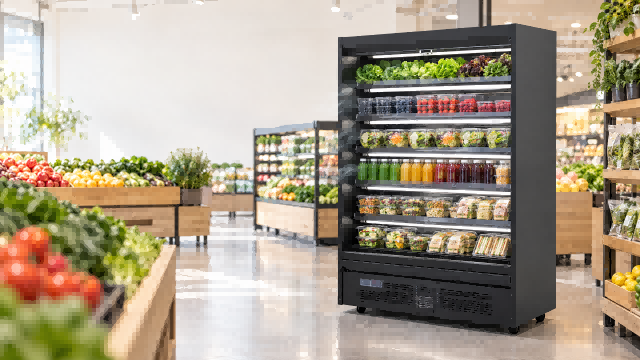
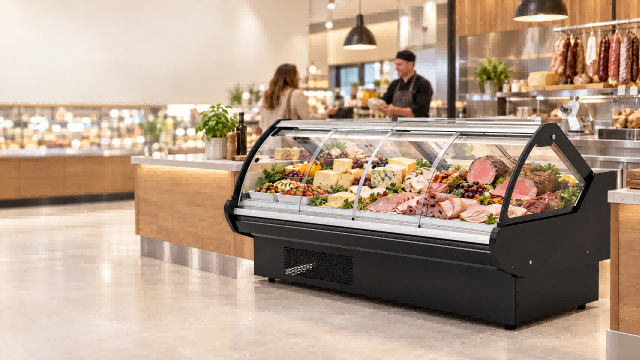
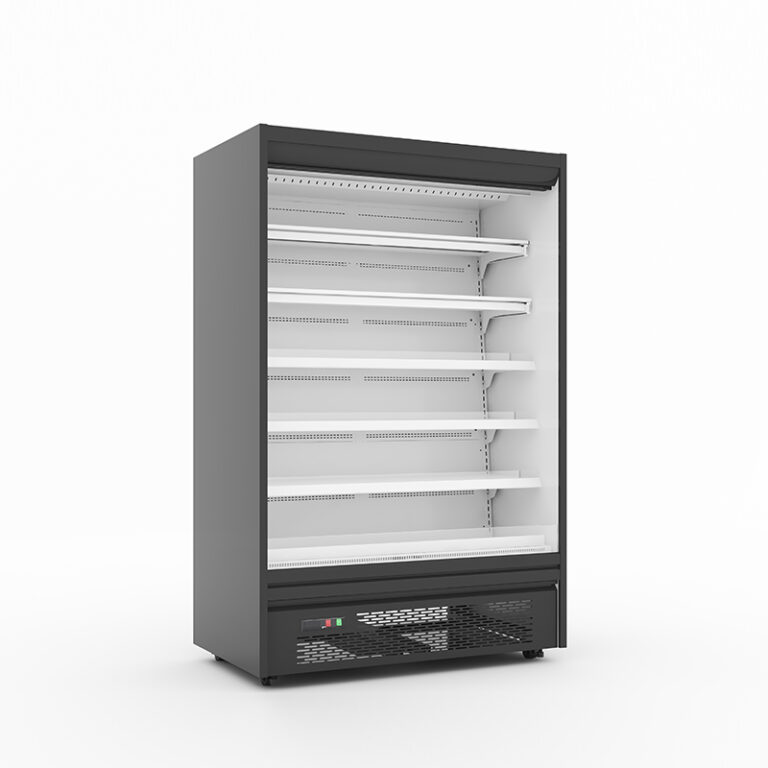
Our top models cover smart units like the Commercial Showcase Multideck Open Chiller, which uses double air-curtain tech for better power savings. We also offer modular options such as combination freezers for small store plans. Plus, user-friendly service counters suit fresh food display in deli areas.
Commitment to Quality and Technical Expertise
The firm always follows rules of quality first, good name first, and service first. Our build approach stresses green practices with earth-friendly coolants and low-power systems. These rely on set making steps for easy setup, upkeep, and long-run output. Every item faces strict tests under world standards like CE, ETL, RoHS, UL, IEC, and SABER, which shows our push for top global rules in over 70 nations. Our tech group gives ongoing help at each project step. From design talks with CAD 3D tools to after-setup tweaks, we ensure smooth fit into client work without losing trust or style.
Conclusion
Spotting fridge faults early is essential for steady work in home units and big commercial cold setups, where stoppages mean direct money loss. By catching signs like heat mismatches, strange sounds, heavy frost, power glitches, or lasting smells soon, workers can act before small flaws turn into big costs. Teaming with a skilled provider like Create Refrigeration gives entry to advanced tech products. These come with pro advice focused on green output gains in every use area, from supermarkets to hotel spots. Our experts stay ready via contact lines for guidance on tailored cold chain fixes. Feel free to contact Create Refrigeration!
FAQ
Q1: What is the typical lifespan of a commercial refrigerator?
A1: With steady upkeep aimed at compressor care and coil cleaning every few months, most commercial refrigerators last between 10–15 years. This depends on how hard they work and outside factors affecting heat load spread.
Q2: How often should preventive maintenance checks be performed?
A2: Full checks should happen every three to six months. They cover thermostat tune-ups and evaporator coil cleans to keep airflow strong and output steady through all run cycles.
Q3: What actions should be taken if a fridge emits chemical odors?
A3: Cut power right away. Then reach out to certified techs via our contact page. Chemical smells often mean refrigerant leaks. These need special handling under safety rules before turning back on.