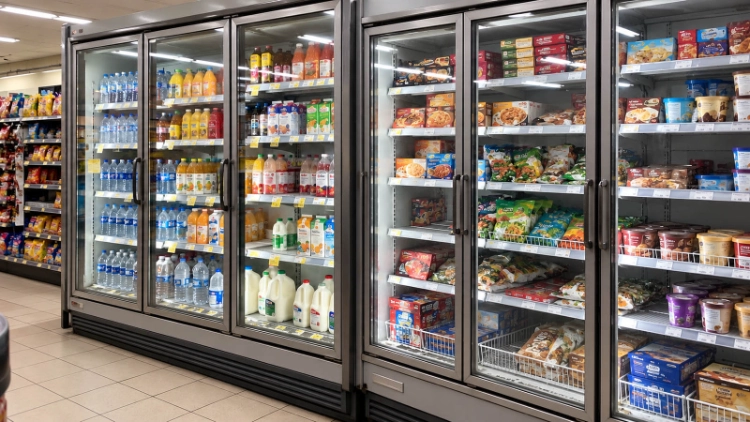

A supermarket does not lose money only at the checkout. It loses money when cut beef dries out before the evening rush, when fish develops cracked ice, when a chilled cabinet runs all night with the cover open, and when a blocked condenser quietly adds hours to compressor operation.
After working with independent supermarkets and fresh-food departments overseas, I have found that the largest avoidable losses usually come from small daily habits. A shelf is loaded two centimetres too far forward. A night blind is left in its housing. A staff member puts a full carton across the return grille. A cleaning schedule says “regularly” but nobody knows whether that means Tuesday or next month.
A sensible operating programme can target a combined reduction of around 30% in avoidable fresh-food shrinkage and refrigeration energy cost, but the result depends on the starting condition, product mix, climate, trading hours and how consistently the team follows the routine. The first step is to make the airflow, loading and cleaning rules visible to every shift.
createrefrigeration designs cabinets with service access, controlled temperature systems and practical cleaning details in mind. Those features help, but a well-built cabinet still needs correct loading and daily care. Equipment cannot compensate for a blocked air path or a door that never closes properly.
Respecting the Load Limit Line
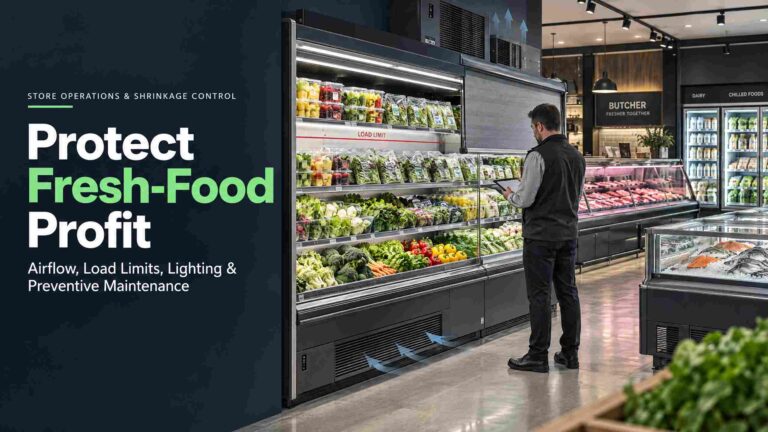
An open case should have a clearly marked Load Limit Line. It may be a small label, a shelf-edge mark or a coloured line on the internal side panel. The rule is simple: stock must stay behind it. Product should not cross into the supply-air path, and cartons must not sit in front of the lower return grille.
The common excuse is that staff are saving steps. During a busy afternoon, a replenisher pushes fruit cups, salad trays and bottled drinks into every available gap in the supermarket open refrigerator. A full carton is placed at the bottom because it will be removed later. A promotional basket is added in front of the return opening. Within an hour, the cabinet may show a low temperature near the coil while the customer-facing product is warm.
The same mistake happens in a commercial supermarket island. Staff see the empty space between packages and fill it with a second row. The cold air cannot travel and return as designed. The product may be cold at the rear and warm at the front, or the fan may draw humid room air into a cold pocket and create frost. The compressor then runs longer without solving the display problem.
When the store displays fruits and vegetables in supermarket format, keep the produce mound below the air outlet and away from the return path. Lightweight leaves and film-wrapped trays should not sit in a strong discharge stream. Berries, cut fruit and salad packs need enough open space around the tray edges for air to pass. Do not use a decorative stack to hide an empty shelf if it blocks the cabinet’s working airflow.
Make the rule operational rather than theoretical. Mark a red line, photograph a correctly loaded shelf, and place the image inside the staff room and on the replenishment trolley. The duty manager should check the line during the afternoon peak, not only at opening. If a case repeatedly fails the check, change the shelf pitch, basket size or delivery pack format instead of blaming the night shift.
The bottom return grille deserves a separate check. It should be visible from the aisle and clear of cartons, price boards, waste trays and loose packaging. A blocked return can cause local icing, unstable shelf temperatures and cold air spilling onto customers’ ankles. It can also make an otherwise serviceable open cabinet appear to have a refrigeration fault.
Stopping Moisture Shrinkage in Meat and Seafood
Fresh meat and seafood are sold by weight and judged by appearance. A small loss in surface moisture is not small when it occurs across hundreds of packs every week. Beef cut faces become darker, sliced products develop a dry edge, and fish or prawns can show cracked or patchy ice when the air movement and defrost schedule are poorly matched.
Start with the supermarket meat display showcase refrigerator. The front display should use a gentle air pattern rather than a hard cold jet aimed at the product surface. Check the fan setting, shelf position, tray depth and the condition of the supply and return paths. If the first row is dry by the end of the day, do not immediately lower the setpoint. First check whether the air velocity is too high or whether the tray is sitting directly under the outlet.
The meat team should record product temperature and visible surface condition at opening, mid-shift and before closing. A controller reading near the return air is not enough. Use a calibrated probe at representative product positions and record whether the pack has lost colour, gloss or weight. The aim is stable product temperature with less unnecessary air movement across the exposed surface.
The rear supermarket meat freezer needs a different routine. Frozen cartons should be loaded without blocking the evaporator return, and the door or lid must close fully after every retrieval. Ice build-up around the gasket is a warning sign, not a cosmetic issue. It can indicate humid air entry, poor closure, a defrost problem or a damaged seal.
In the seafood area, inspect the supermarket freezer for fish after cleaning and after the busiest trading period. Confirm that the drain is open, the base is free of standing water and the product is not pressed against the coldest outlet. Fish and prawns are sensitive to poor wrapping and repeated temperature swings. A clean case with a stable defrost interval is easier to manage than a freezer that is repeatedly forced to recover from heavy ice.
The cabinet design can reduce labour when it is chosen with the cleaning shift in mind. A unit with a hydraulic flip-up front glass, an accessible customized storage box and a SUS 304 stainless-steel interior allows the morning and evening teams to reach the lower deck, storage compartment and corners without dismantling the counter. With the right hose, detergent and sanitation procedure, staff can complete a thorough wash-down and disinfection in about ten minutes for a manageable cabinet section. The exact time depends on cabinet length, soil level, local hygiene rules and the number of staff assigned.
SUS 304 is helpful around salt, brine and acidic marinades, but it is not a permission slip to leave residue overnight. Wipe spills promptly, use the approved detergent concentration and dry the working surfaces. createrefrigeration can configure these food-contact areas and cleaning-access details for the product category. Project specifications and factory support are available through www.createrefrigeration.com.
Colour Temperature Is Part of Shrinkage Control
Lighting changes how customers judge meat. A harsh cool-white tube can make beef look grey, pale or dry. That encourages unnecessary markdowns even when the product is within its sales window. Use a dedicated pink or warm-white fresh-food light for the meat display, subject to local lighting and food-presentation requirements. Avoid a lamp that makes the product look unnaturally red; the goal is clear, believable colour, not a false signal.
Fish and seafood need clean neutral presentation so surface condition can be judged honestly. Do not use one lighting setting for every category simply because the fixtures share a ceiling circuit. Review colour temperature, glare, reflections on glass and heat added to the cabinet. A light that creates strong reflections also encourages staff to wipe the glass repeatedly instead of checking the product and shelf condition.
Lighting checks should be included in the opening walk. Look at the display from the customer’s position, not from behind the counter. Confirm that labels are readable, the front glass is not fogged, and the product has an even appearance from end to end.
Cutting Kilowatt-Hours on Vertical and Frozen Lines
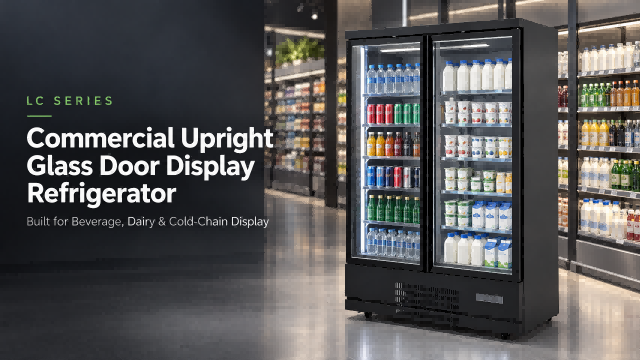
A full run of supermarket vertical showcase fridge equipment can use significant power when the doors are opened frequently or the condenser is dirty. Check the magnetic door gasket with a paper-strip test at the top, centre and bottom. The strip should hold with similar resistance around the perimeter. A loose lower corner allows warm humid air to enter and keeps the compressor running longer.
Inspect hinges, self-closing action and door alignment. A door that stops a few millimetres short of the frame may be missed during a quick walk-through but can create a constant refrigeration load. Replace damaged gaskets before they pull moisture into the frame and create a larger repair.
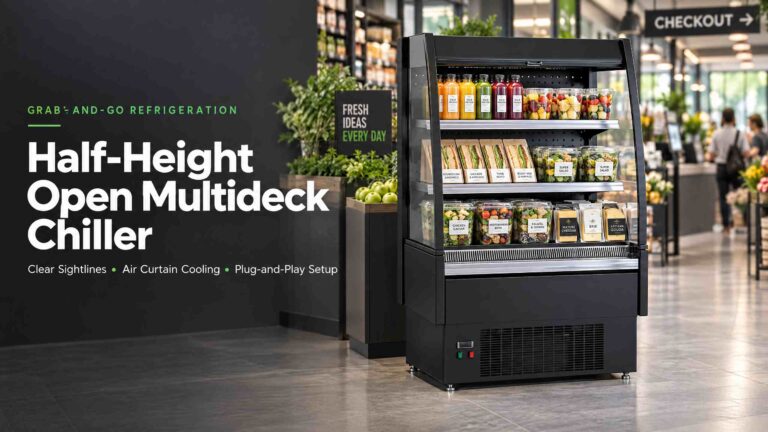
The supermarket display cabinet needs the same discipline. Check shelf loading, internal fans, air returns, lighting and the cleanliness of the lower grille. A display cabinet that is packed tightly against the rear panel can restrict circulation even when the shelves look neat from the aisle.
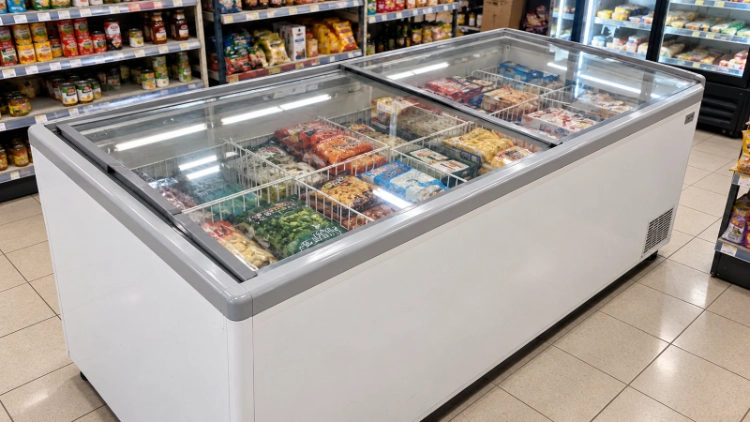
For a supermarket frozen food display freezer, check the lid or door seal, frost pattern, defrost interval and condenser condition. Frost is not always a sign that the setpoint is too low. It may be caused by humid air entry, a poor seal or a blocked drain. Changing the setting without finding the cause can increase energy use and damage product quality.
Every quarter, clean the condenser fins with a soft brush and a vacuum cleaner. First isolate the equipment according to the site safety procedure. Remove lint, dust and greasy film from the fin face and the surrounding grille. A dirty condenser cannot reject heat efficiently, so head pressure rises and compressor run time increases. The exact saving depends on cabinet size, ambient temperature and how dirty the coil was, but many stores can see a measurable reduction in current draw and running hours after a neglected condenser is restored. Track the meter or controller data before and after cleaning rather than quoting a universal percentage.
Record the amperage, cabinet temperature and room temperature during the check. If current remains high after cleaning, inspect the fan motor, refrigerant charge, airflow clearance and defrost controls. A clean condenser is a starting point, not a complete diagnosis.
Some buyers compare createrefrigeration equipment with high-priced supermarket refrigerator freezer italian brands. The useful comparison is not the logo on the fascia. Compare door-seal performance, controller stability, condenser access, service parts, recovery after opening and measured energy use under the same conditions. An equipment line with clear cleaning access and correct preventive maintenance can operate reliably for years without requiring the premium badge to do the work.
The Closing Routine: Lower the Night Load Before Leaving
The night blind is only useful when it is actually lowered. The standard closing action should be short and repeatable:
- Remove damaged or temperature-abused product and record the waste.
- Face the remaining stock without pushing it past the Load Limit Line.
- Confirm that the return grille and drain area are clear.
- Wipe spills, check the controller reading and close every door or lid.
- Pull down the slow-retracting night blind fully and check that its lower edge is seated.
- Record the closing time and any alarm, unusual noise or frost observation.
A blind left half-open, folded against the supply outlet or trapped behind a promotional tray does not provide the intended protection. The duty manager should include a photograph of the correct closed position in the closing checklist. This is especially important for a store with several open cases and changing seasonal staff.
The next morning, raise the blind before the first customer arrives, check the product temperature and look for condensation or abnormal frost. A night blind reduces overnight air exchange; it does not replace the morning equipment check.
Store Manager’s Maintenance Routine Table
| Frequency | Core check | Loss or energy benefit |
| Daily | Check Load Limit Line, return grilles, door closure, product temperature, lighting and night-blind position | Prevents warm shelves, blocked airflow, avoidable shrinkage and overnight cold-air loss |
| Weekly | Inspect gaskets, hinges, shelf loading, drain points, fan noise and visible frost; review waste notes | Finds small seal, loading and defrost faults before product quality falls |
| Monthly | Clean accessible grilles and drain areas; verify controller readings with a calibrated probe; review temperature logs | Improves airflow control and exposes sensor or setpoint drift |
| Quarterly | Isolate and brush/vacuum condenser fins; inspect electrical connections, fan motors and service clearances | Reduces heat-rejection losses, compressor stress and unplanned downtime |
A Practical Operating Standard for Every Department
The same rules should appear in the meat, seafood, produce and frozen departments, but the acceptance checks should match the product. Produce needs gentle air and an uncluttered return. Meat needs stable temperature, suitable warm-white lighting and protection from surface drying. Seafood needs clean drainage, corrosion-resistant contact surfaces and controlled defrost. Frozen food needs tight seals, correct loading and a clear condenser path.
Train by showing staff the consequence, not only the rule. Put an overfilled tray beside a correctly loaded tray. Show the temperature difference above a blocked return grille. Let the team see how quickly a door gasket fails the paper test. Once the reason is clear, the checklist is easier to follow.
A cabinet’s operating life is shaped by these routines. CREATE Refrigerator combines easy-clean construction, controlled temperature systems and lower-energy engineering, but the store still has to keep the air path open, clean the heat-rejection side and close the night blinds. For operators who want to upgrade to lower-consumption, easier-to-maintain supermarket refrigeration, contact the factory engineering team through www.createrefrigeration.com.