
Exporting a self-contained commercial refrigerator to Europe is not just a question of choosing a refrigerant with a lower global warming potential. The buyer, seller, importer, distributor, installer, and service partner may each hold a different piece of the compliance chain. A quotation can look complete while leaving the important questions unanswered: which exact model is covered, what refrigerant is charged, what label belongs on the appliance, and who is responsible after the cabinet arrives.
For EU F-gas commercial refrigeration, the cleanest starting point is the product definition. Is the unit self-contained or part of a remote system? Is it a chiller, a display cabinet, an island freezer, or another appliance type? Is the quoted refrigerant a fluorinated greenhouse gas or a hydrocarbon such as R290? The answer affects the legal route and the documents the buyer should request. A product family name is not enough; the review should follow the exact model and configuration.
Start With The Current EU F-Gas Framework
Regulation (EU) 2024/573 is the current EU F-gas Regulation. It regulates fluorinated greenhouse gases and applies to products and equipment placed on the Union market. Its Annex IV includes restrictions for certain refrigeration and freezing equipment. For self-contained refrigeration and freezing equipment other than chillers, the 2026 restriction is particularly important: equipment containing fluorinated greenhouse gases with a GWP of 150 or more cannot be placed on the market. This is a product-category rule, not a shortcut for classifying every cabinet.
That distinction matters when discussing low-GWP refrigeration equipment. R290 is propane and is not a fluorinated greenhouse gas. Choosing R290 does not remove the need to check electrical safety, flammability-related instructions, CE obligations, transport information, national requirements, or customer specifications. It means the F-gas restriction and F-gas equipment labeling questions need to be separated from the separate safety case for a flammable refrigerant.
Do Not Mix Self-Contained And Remote Equipment
A self-contained cabinet contains its refrigerating circuit within the appliance. A remote cabinet depends on external equipment and site work. The distinction affects installation, who handles the circuit, and how the buyer reviews the F-gas restriction. Commercial chillers have their own treatment in the regulation and should not be grouped casually with plug-in display refrigerators. Where a quotation mixes remote and plug-in lines, list each model separately before asking for compliance declarations.
Match The Date To The Market Event
For commercial refrigerator export to Europe, the relevant question is normally whether the equipment may be placed on the Union market, not simply when it left a factory or a port. The importer should confirm the applicable date with its compliance adviser and retain evidence for the commercial transaction. A production date, shipping date, and market-placement date can be different, especially when stock moves through a warehouse or distributor.
Build A Model-Level Technical File
For a buyer to check a quote against a delivered product, the technical file should contain the model code, cabinet, power supply, refrigerant, amount of refrigerant, GWP, electrical data, market, drawings, etc. of the product. It should also contain a declaration of conformity, relevant test reports and certificates, the user manual, nameplate artwork, and change-control records for private-label or customized products.
Check Refrigerant And Charge Before Ordering
A low-GWP statement is not sufficient. Ask for the refrigerant and its charge for the exact model, including any difference between a standard cabinet and a customized voltage, compressor, length, glass, or condenser arrangement. If a fluorinated gas is involved, the buyer should evaluate the GWP and Annex IV position for that equipment type. If the model uses R290, confirm the flammable-refrigerant safety file and instructions for the destination market instead of assuming F-gas compliance answers those questions.
Keep Labels And Manuals In Scope
F-gas equipment labeling applies to equipment containing fluorinated greenhouse gases and should be checked against Article 12 of Regulation (EU) 2024/573. The regulation sets content and placement requirements; buyers should request the approved label artwork and confirm that it matches the refrigerant, charge, GWP information where required, and the supplied model. For an R290 refrigerator EU compliance review, request the intended-market warning labels and manual from the appliance safety file. Do not invent label wording from a sales sheet.
Separate Legal Duties From Customer Specifications
Retail groups often add requirements that go beyond the baseline law. They may ask for a specific language set, a supplier declaration, a preferred refrigerant policy, a named test laboratory, spare-parts availability, packaging marks, or serial-number traceability. Those are contractual requirements. They should be written in the purchase specification rather than described as EU F-gas law.
Treat Certification Claims Carefully
A certificate can be useful only when its model scope, standard edition, issue date, and market coverage match the cabinet being bought. Company-level certification lists do not automatically cover every voltage or modified model. Ask whether the document is for the final appliance, a component, or a product family. Put unresolved points on a pre-shipment document checklist rather than relying on a logo on a brochure.
Confirm The Importer And Distributor Role
The EU importer and distributor should agree on who checks documentation, retains the declaration of conformity, handles local language material, and responds to market-surveillance questions. The supplier can provide the equipment and technical evidence, but the commercial terms should identify the party placing the product on the market. That allocation belongs in the contract and project responsibility matrix, not in an assumption made after goods reach the warehouse.
Keep Transport, Installation, And Service Separate
After delivery, protect glass and doors in transit. Confirm electrical supply, condenser airflow, service access, and local installation requirements before the first store receives an R290 cabinet.
Installation Conditions Are Part Of The Purchase
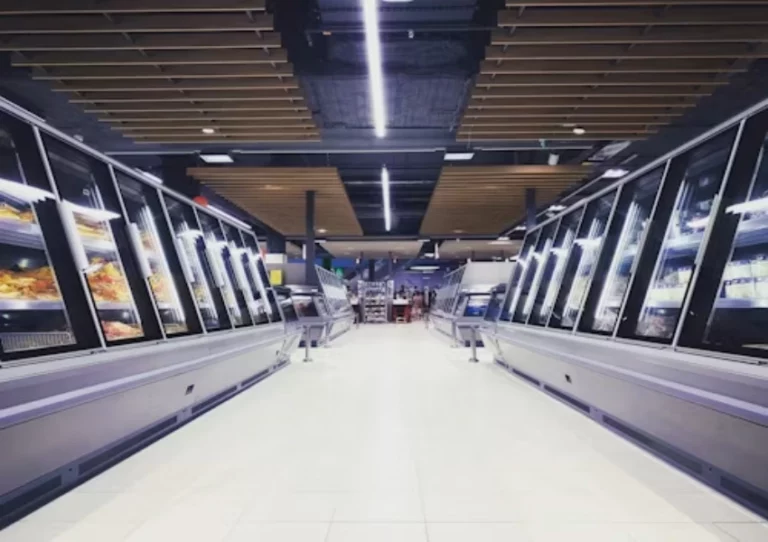
A display cabinet pushed tight against a wall or wrapped in promotional panels may have poor airflow regardless of its refrigerant. Buyers should confirm ambient limits, clearance, plug and voltage, cleaning access, heat rejection, drainage, and where the cabinet can be serviced. This matters for a plug-in cabinet, an island freezer, and a display freezer glass door line alike. It is also where the project team can prevent a compliance file from being undermined by a poor store installation.
Use Product Evidence In The RFQ
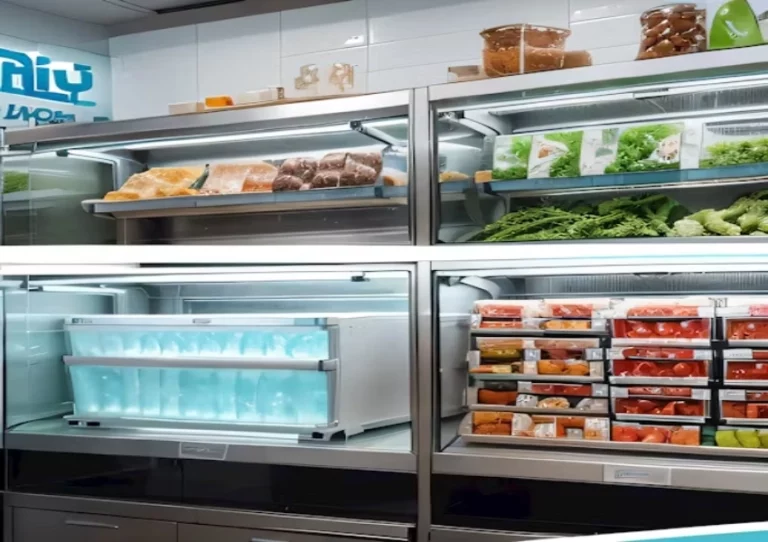
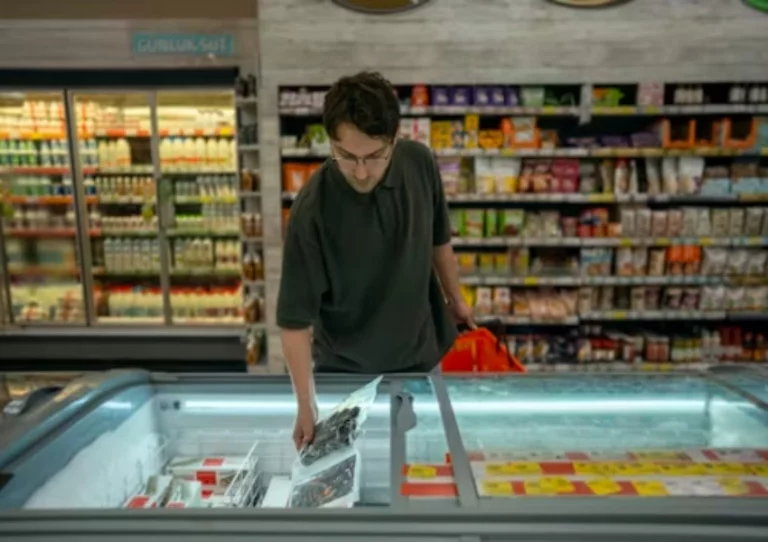
Create Refrigeration shows why configuration needs to be checked model by model. The supermarket combined island freezer features automatic defrost. It lists the use of R404A/R290 refrigerant and a microcomputer controller.
Display And Chiller Formats Need Separate Files
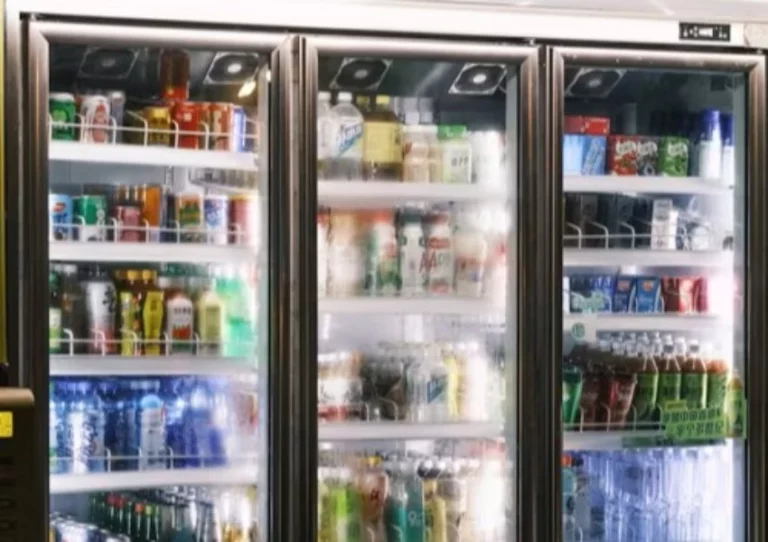
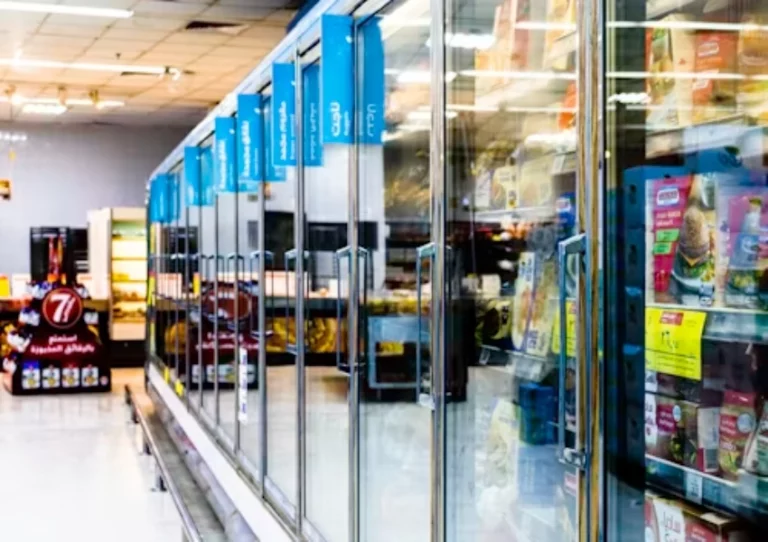
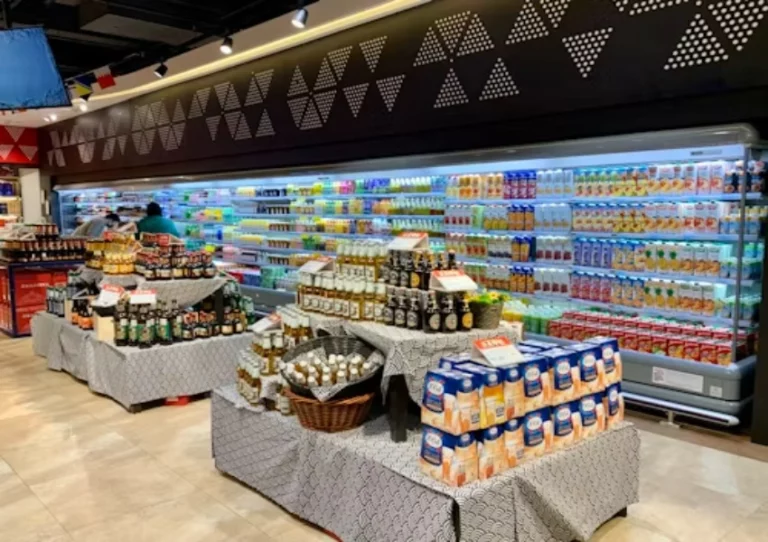
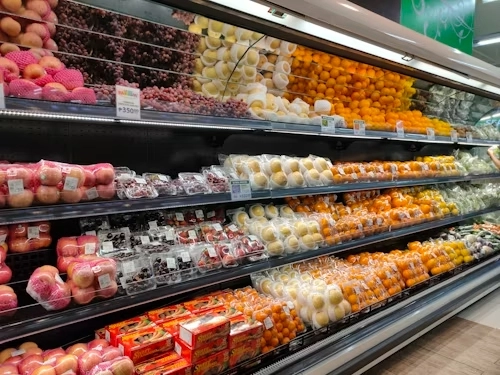
A perspective window wall mounted combination freezer has a different enclosure and retail use from an open chiller. For small stores, the commercial chillers present a self-contained mini-market open-display cooler with digital temperature control and air-curtain cooling. It also identifies use for fruit, vegetables, and drinks, standard LED lighting, three metal shelves, C-P insulation, a 2-8 degrees C range, and a 660 mm depth for the listed model. Product type, door arrangement, refrigerant option, voltage, and installation position should be recorded separately; no broad family statement should stand in for a model file.
Project Support Belongs After The File Is Defined
Create Refrigeration has commercial supermarket refrigeration, supermarket shelves, stainless equipment, western kitchen equipment, and cold-storage projects, alongside CAD drawings, 3D layouts, and OEM/ODM support. The rest of the information on this product page lists R290 use, 110V/60Hz, 220V/50Hz, and 220V/60Hz options, a one-year warranty, strict factory inspection, DDP service when an address is supplied, and 1% spare parts for certain bulk orders. This information can be very helpful in a project review; however, the buyer must first “freeze” the EU configuration and document list before approving a customized production run.
A final Create Refrigeration review can bring cabinet layout, voltage, and service access into the same discussion. The most useful question is not whether a general EU claim appears in a catalog. It is whether the exact unit, label set, document pack, shipping terms, and local handover responsibilities are ready for the order being placed. If you are also wondering more, our article answers that.
FAQ
Q1: Does R290 automatically meet every EU refrigeration requirement?
A1: No. R290 is not an F-gas, but the appliance still needs the relevant product-safety, CE, installation, labeling, manual, and national-market review.
Q2: What is the key F-gas question for a self-contained commercial refrigerator?
A2: Identify the exact equipment type, refrigerant, and GWP. For self-contained refrigeration and freezing equipment other than chillers, the 2025 Annex IV restriction on fluorinated gases with GWP 150 or more is a central check.
Q3: Who is responsible for local installation after import?
A3: The commercial contract should identify the responsible party. Supplier evidence, importer duties, installer work, and service training should be assigned separately before shipment.