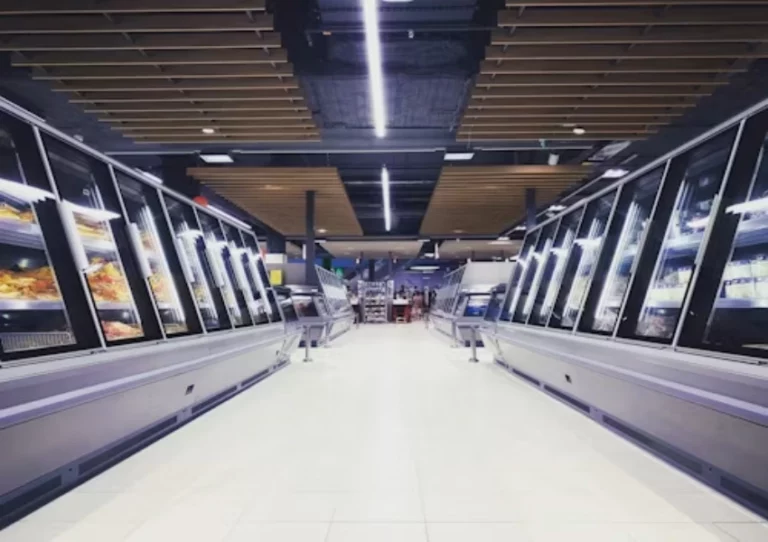

A U.S. refrigeration import can fail long before a cabinet reaches a store. The problem may be an incomplete test file, a rating based on a different configuration, a label that does not match the model, or a supplier who treats a product family as one certified unit. With 2029 on many procurement calendars, buyers need a better question than “Is this freezer energy efficient?” They need to know which U.S. rule applies, what was tested, and whether the delivered cabinet is the same one covered by the evidence.
U.S. commercial refrigeration standards are equipment-specific. A self-contained commercial refrigerator, freezer, refrigerator-freezer, remote case, and walk-in system may follow different requirements. The 2029 date in a purchasing brief should therefore be treated as a planning horizon, not as a universal effective date for every commercial cabinet. Confirm the current rule, test procedure, and any applicable rulemaking for the exact product before a purchase order is released.
Start With The Exact Equipment Category
Importers should describe the cabinet in technical terms, not only by its sales name. Record whether it is self-contained or remote, open or closed, refrigerated or frozen, upright or horizontal, and intended for commercial food display or storage. Cabinet volume, door type, operating temperature, defrost method, condenser arrangement, and refrigerant can affect which data and documents are relevant.
Do Not Treat A Product Family As One Rating
A three-door glass case and a five-door case may share a cabinet style but still differ in heat load, lighting, fan count, compressor package, and tested energy use. A supplier should identify the exact model, options, voltage, frequency, door configuration, and control package used for the U.S. evidence. A family brochure is useful for selection; it is not a substitute for model-level support.
Separate Federal Rules From Store Requirements
Federal efficiency requirements, state or local rules, utility incentives, retailer specifications, and voluntary environmental targets are different layers. A chain buyer may ask for a performance level that is stricter than the federal minimum. The purchase specification should say which requirement is legal, which is contractual, and which is a preferred operating target.
Ask How The Energy Test Was Run
The useful question is not simply “What is the annual kWh?” Ask which DOE test procedure or applicable standard was used, which edition was followed, and whether the test represented the quoted unit. Request the tested temperature class, ambient condition, loading or test configuration, defrost setting, lighting state, door condition, and measurement period. Without those details, two energy numbers can look comparable while describing different operating conditions.
Commercial Freezer Energy Test Details Matter
For a commercial freezer energy test, confirm that the tested cabinet has the same insulation, glass, shelves, doors, controller, compressor, fan motors, defrost arrangement, and refrigerant as the production model. Ask whether an optional night curtain, heated glass, anti-sweat circuit, or different condenser changes the result. A changed component can require a new review even when the model name remains similar.
Request Data In A Usable Format
A procurement team should receive a signed specification sheet, test report or certification evidence where applicable, model drawing, nameplate artwork, wiring information, and a change-control statement. The data should identify units, test conditions, and the responsible manufacturer or laboratory. A screenshot with no model number is difficult to use during customs questions, retailer approval, or a later service dispute.
Check Labels, Files, And Importer Duties
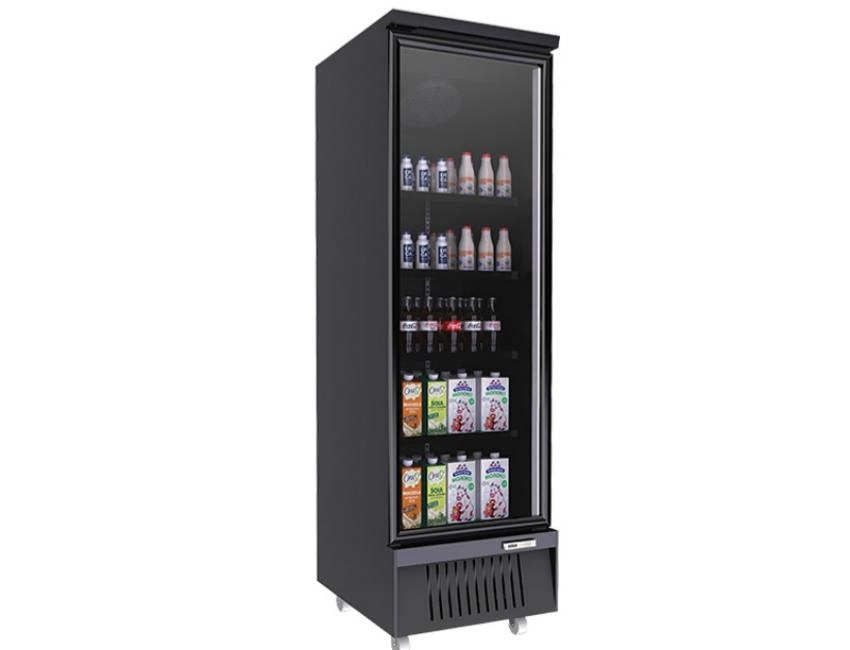
Refrigerator import compliance is a document exercise as much as a product exercise. Before shipment, check the nameplate, electrical marking, refrigerant information, serial-number method, installation instructions, safety warnings, and energy information required for the destination and sales channel. Confirm who keeps the technical file, who responds to a request from a U.S. authority or retailer, and how revisions are recorded.
The Nameplate Must Match The Shipment
Compare the approved drawing and label with the pre-production sample and the final inspection photos. Check voltage, frequency, phase, model code, rated current, refrigerant, charge information where required, and any certification mark. Do not allow a factory to substitute a compressor or controller after approval without recording the change and checking whether the original evidence still applies.
Ask About The 2029 Planning Risk
Commercial refrigerator 2029 standards should be handled as a forward-looking procurement question. Ask the supplier which current U.S. requirements were used, which future rulemakings are being monitored, and whether the cabinet can be supported with updated documentation if a rule changes. Do not accept a claim that every product must meet one unspecified 2029 number. The correct threshold, date, and test path depend on the equipment category and the rule in force.
Use The Product Specification As A Cross-Check
Create Refrigeration has commercial supermarket refrigeration, glass-door coolers and freezers, island freezers, air-curtain displays, automatic defrost, adjustable shelves, LED lighting, insulated glass, insulation materials, and controller and compressor options. Those details are useful procurement checkpoints because each can affect energy use or the declared configuration. They should be matched to the U.S. test file instead of being treated as generic marketing language.
Glass Cases Need An Option List
The supermarket glass door display commercial refrigeration is a practical starting point for a model review. Before importing, ask for the exact door, glass, light, controller, compressor, defrost, refrigerant, voltage, and condenser combination. The same cabinet format can have different energy behavior when a buyer changes door heating or lighting for a U.S. store.
Island Freezers Need Operating Conditions
For frozen food, the ice cream display freezer connects the product type with curved sliding glass, LED display, baskets, wheels, and mechanical or digital temperature control options. The buyer should ask which exact option was tested, how the cabinet is defrosted, and whether the quoted energy data covers the supplied glass and controls.
Layout Support Does Not Replace Compliance Evidence
Create Refrigeration records, CAD drawings, 3D supermarket layouts, OEM/ODM services, conventional and customized products, voltage options including 110V/60Hz and 220V/50Hz, one-year warranties, strict inspections, and DDP services when an address is provided. For an island cabinet freezer project, that support can help coordinate store design and installation, but it does not replace the model-specific U.S. test and documentation review.
A final Create Refrigeration discussion should therefore end with a document list: exact model, options, test basis, energy data, label artwork, certification scope, inspection record, spare-parts plan, and change-control contact. That list is more useful than a broad promise of compliance.
Pre-Order And Pre-Installation Checklist
Before ordering, confirm the equipment category, applicable U.S. requirement, current test procedure, model configuration, energy data, label, certification scope, importer record, and future-change contact. During inspection, compare the sample with the approved drawing, verify nameplate details, photograph the compressor and controller, and retain serial numbers. At site, confirm voltage and phase, airflow clearances, ambient conditions, defrost operation, temperature pull-down, and controller settings before stocking food. Continue reading our other guide.
FAQ
Q1: Is 2029 a single U.S. efficiency deadline for every commercial refrigerator?
A1: No. Treat 2029 as a planning horizon and confirm the rule, equipment category, effective date, and test procedure for the exact model.
Q2: What should an importer request for a commercial freezer energy test?
A2: Request the model-specific test basis, conditions, configuration, energy result, report or certification evidence, and a statement showing whether production options match the tested unit.
Q3: Can a supplier’s CE or factory certificate prove U.S. efficiency compliance?
A3: Not by itself. U.S. efficiency and import documentation need the applicable U.S. evidence, model scope, labels, and responsible-party records.