
Frequency is easy to overlook because a quotation often shows voltage in a large typeface and leaves hertz in a small specification line. That shortcut creates avoidable trouble. A 220V 50Hz commercial freezer is not automatically interchangeable with a 220V 60Hz unit, and a 110V 60Hz display refrigerator is not defined by voltage alone. Frequency, voltage, phase, motor design, controls, defrost, plug, and site power have to be checked as one operating package.
The purchase question behind 50Hz vs 60Hz refrigerators is practical: will the cabinet start, cool, defrost, and recover as intended on the power available at the store? Importers should freeze the electrical configuration before production, then verify it on the nameplate, wiring diagram, sample, shipping documents, and site commissioning record.
Keep Frequency And Voltage Separate
Voltage describes the electrical potential supplied to the equipment. Frequency describes the cycle rate of alternating current. They interact, but one does not replace the other. A buyer can have the right voltage and the wrong frequency, or the right frequency and the wrong voltage. Phase, current capacity, plug format, protective device, and local wiring add further conditions.
Write The Full Electrical Line In The RFQ
The RFQ should state voltage, frequency, phase, allowable tolerance if applicable, plug type, rated current, and whether the unit is single-phase. It should also state the market and installation address. “220V” alone is not a complete commercial refrigerator voltage specification.
Check Every Component That Uses Power
The compressor is only one part of the review. Condenser fans, evaporator fans, pump or drain heaters, door heaters, LED drivers, electronic controllers, relays, transformers, and defrost components can have their own electrical requirements. A changed frequency may affect motor speed, heat rejection, airflow, run time, or control timing even when the cabinet still appears to operate.
Confirm Compressor, Fan, And Controller Compatibility
Ask for the exact component part numbers in the quoted configuration. The compressor data sheet should identify approved voltage and frequency combinations. Fan motors and controllers should be checked separately. If the supplier offers a 50Hz/60Hz option, ask whether it uses a different motor, controller parameter, compressor, relay, or complete electrical assembly.
Do Not Accept A Generic Motor Answer
A supplier may say that a motor is universal. That statement needs a part number and a data sheet. Some motors accept a range; others are designed for one frequency and rely on a specific control or capacitor. The buyer should record the approved combination rather than relying on a sales description.
Control Settings Need A Commissioning Record
Electronic controllers may retain different parameters for defrost interval, fan delay, compressor protection, temperature display, and alarm behavior. The commissioning sheet should record the delivered settings and the measured supply. If a controller is replaced later, the replacement part and programmed values should stay in the service file.
Review Defrost, Plug, Phase, And Site Power
Electrical mismatches often appear during defrost or peak loading rather than at idle. A heater, fan bank, or compressor start can push current above what a static circuit expects. Confirm breaker size, receptacle, earthing, phase, plug and cable, start current, running current, and whether the store uses a generator, inverter, or unstable supply.

Test The Cabinet Under Real Conditions
At commissioning, measure supply voltage and frequency at the cabinet while the compressor starts and while defrost or door heating operates. Check rotation or motor behavior where relevant, fan airflow, cabinet temperature, defrost termination, alarm reset, and recovery after loading. A no-load start test does not prove that the cabinet is ready for a busy store.
Treat Plugs As Part Of The Specification
The plug must match the destination socket, current rating, grounding arrangement, and local code. A plug adapter is not a solution for an incorrect voltage, frequency, phase, or circuit rating. Importers should approve a plug drawing or sample before mass production and photograph the delivered plug during inspection.
Use The Supplier Product Data Carefully
Create Refrigeration has 220V/50Hz, 220V/60Hz, and 110V/60Hz as available demand options. It also records R290 as a common refrigerant option, OEM/ODM customization, CAD and 3D layout support, the automatic defrost in island freezer products, digital temperature controllers, and compressor, evaporator, and fan component choices. These facts support an electrical RFQ, but the importer still needs the exact model and component list for the selected frequency and voltage.
For A 220V 50Hz Commercial Freezer
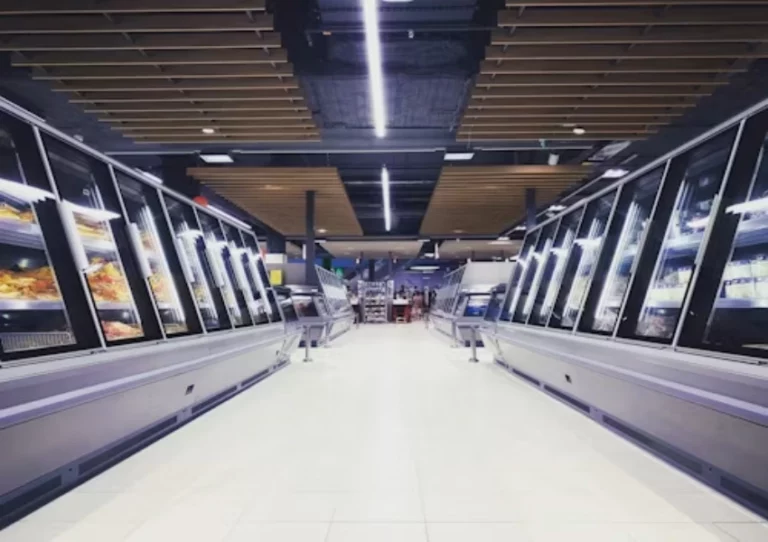
The supermarket display refrigerator product category is a useful place to ask for the complete electrical option sheet. Record whether the quoted unit is a chiller or freezer, the compressor and fan part numbers, automatic defrost arrangement, the controller supply, the plug, and the tested temperature range. The product title alone cannot answer a frequency question.
For A 110V 60Hz Display Unit
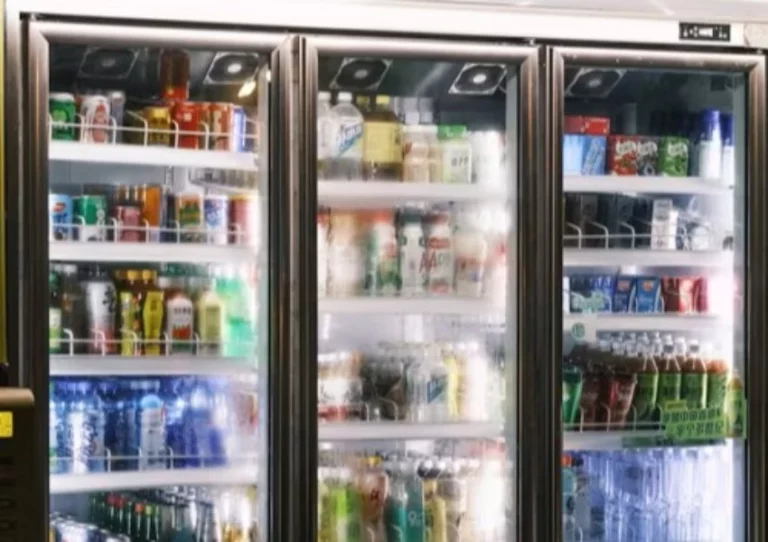
A 3 doors commercial used glass door refrigerator for a 110V/60Hz market should be checked at the motor, controller, lighting driver, and plug level. Ask for the nameplate, wiring diagram, rated current, start behavior, and spare-parts list for that exact option. Do not assume that changing the plug converts a 220V model into a 110V model.
For Imported Refrigeration Equipment Projects
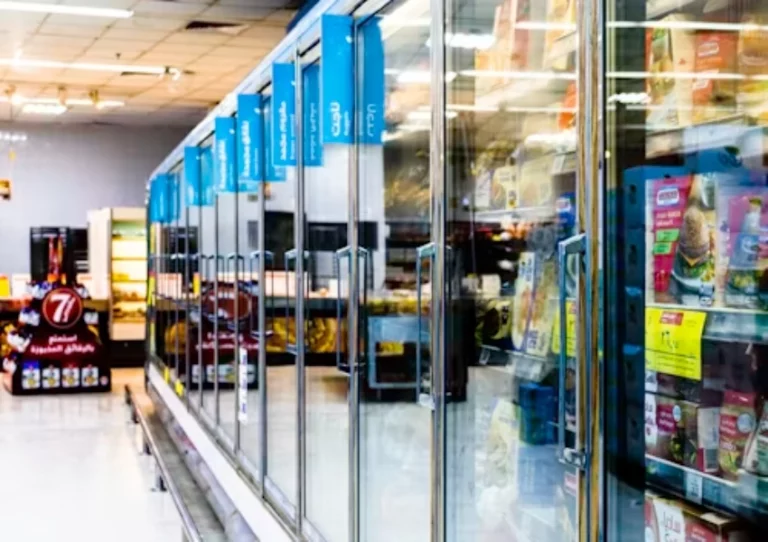
Create Refrigeration has supermarket equipment, shelves, stainless equipment, western kitchen equipment, cold storage, CAD drawings, 3D renderings, OEM/ODM, a one-year warranty, inspection, DDP service when an address is supplied, and spare-parts support for some bulk orders. The 7 doors upright showcase chillers category can be used to align cabinet length and store layout with the electrical schedule, but the final voltage and frequency must remain on the model documents.
A final imported refrigeration equipment review should connect the factory file with the local electrician, installer, and service team. Share the approved electrical schedule before shipment, then retain the measured commissioning values and replacement-part references after installation.
A Buyer-Side Order And Handover Checklist
Before ordering, write the full electrical line, approve the plug and wiring diagram, verify component part numbers, and confirm the tested configuration. During inspection, compare the nameplate, compressor, fan, controller, heaters, cable, and plug with the approved documents. At site, measure voltage and frequency under load, check start current and defrost, record temperature recovery, and train the service team on the correct replacement parts. These records are more valuable than a general statement that the cabinet supports both frequencies. If you are also wondering more, our article answers that.
FAQ
Q1: Can a 50Hz refrigerator run on 60Hz power?
A1: Only when the complete model and components are approved for that supply. Confirm the compressor, motors, controller, heaters, electrical protection, and test evidence with the supplier.
Q2: Is 220V 50Hz the same as 220V 60Hz for a commercial freezer?
A2: No. The voltage is the same, but frequency can affect motors, compressors, controls, defrost, current, and operating performance.
Q3: What should be measured during commissioning?
A3: Measure voltage and frequency at the cabinet under load, then check start behavior, current, fan operation, defrost, alarms, temperature recovery, plug, and grounding.