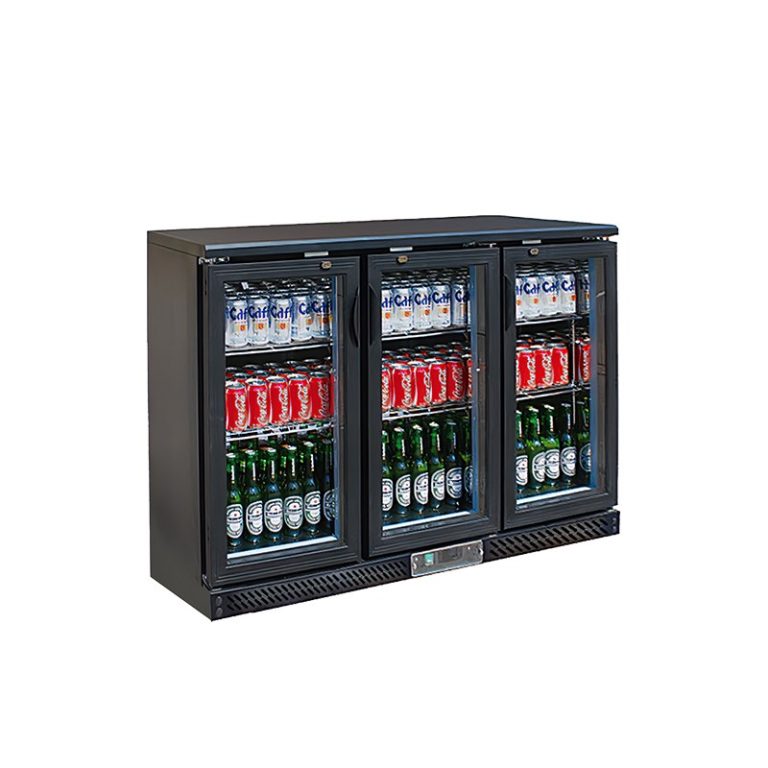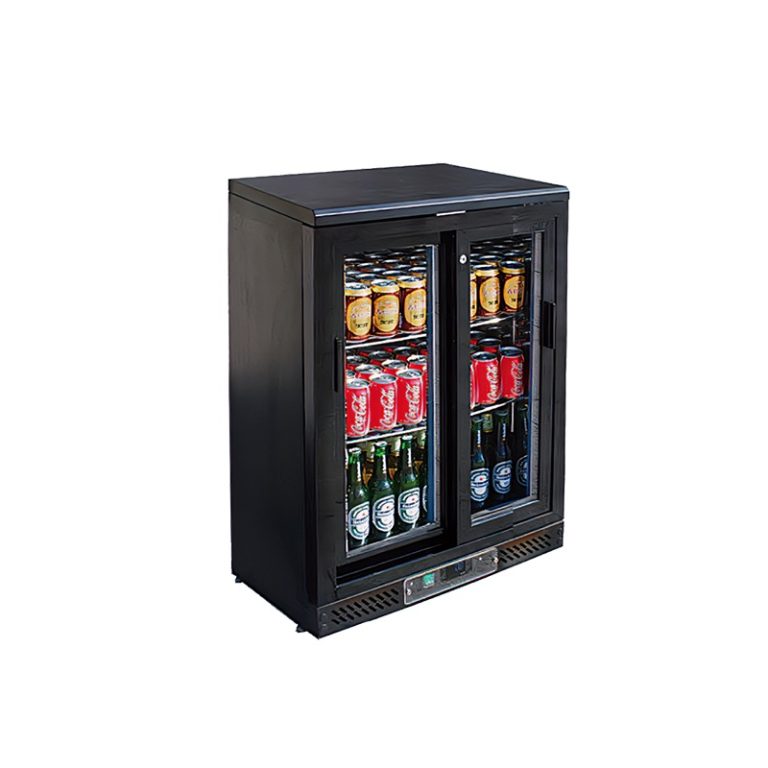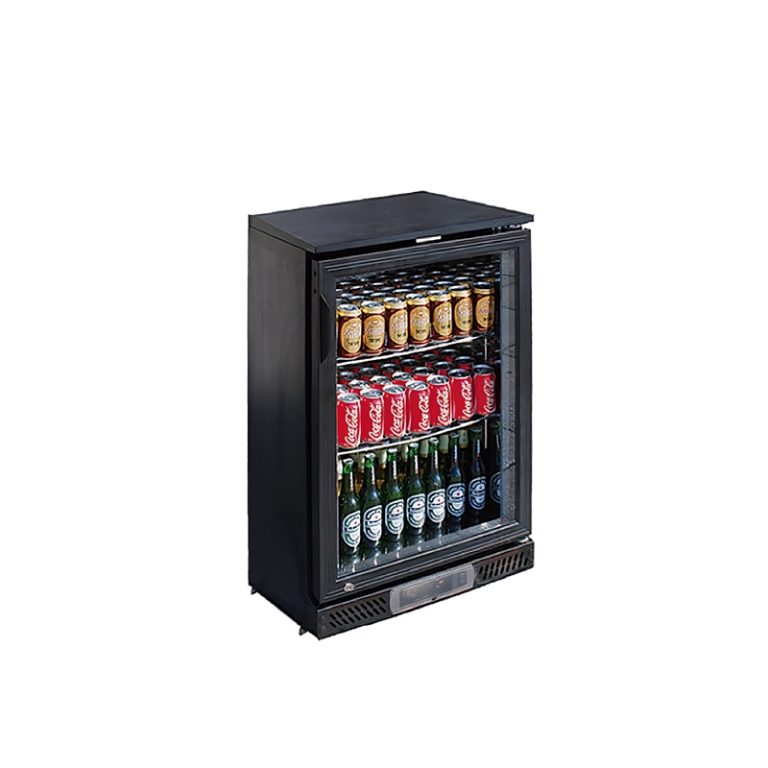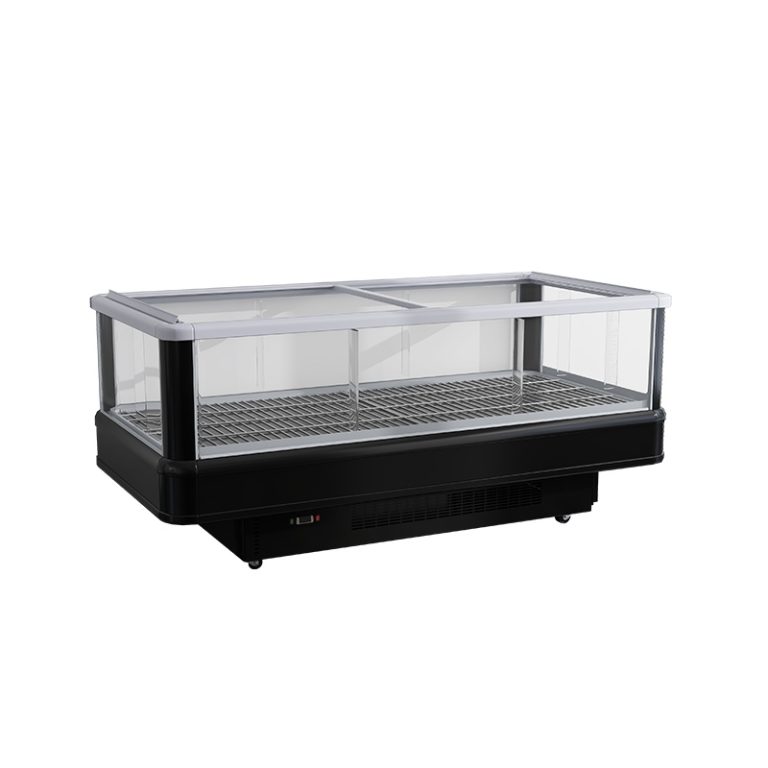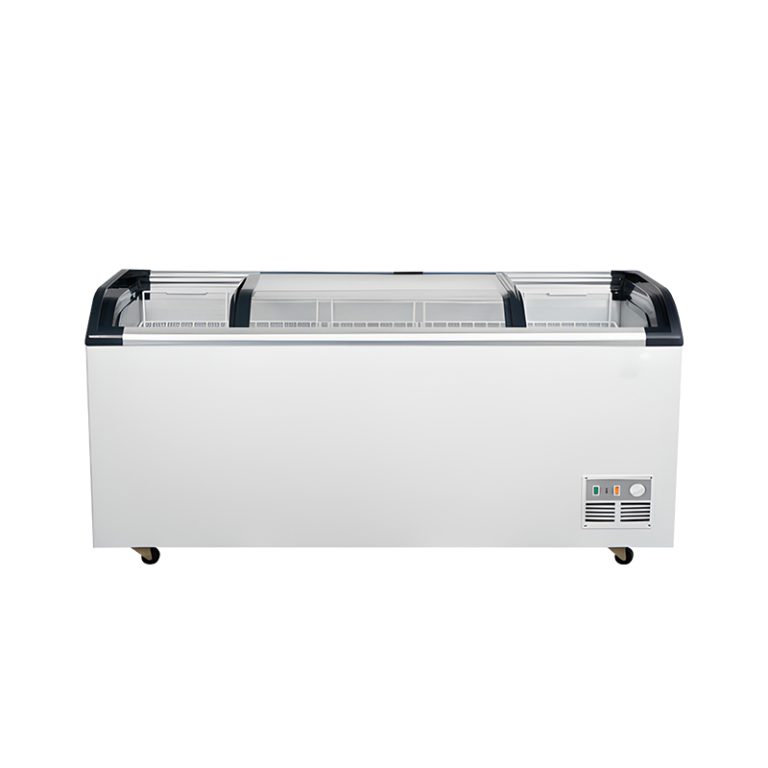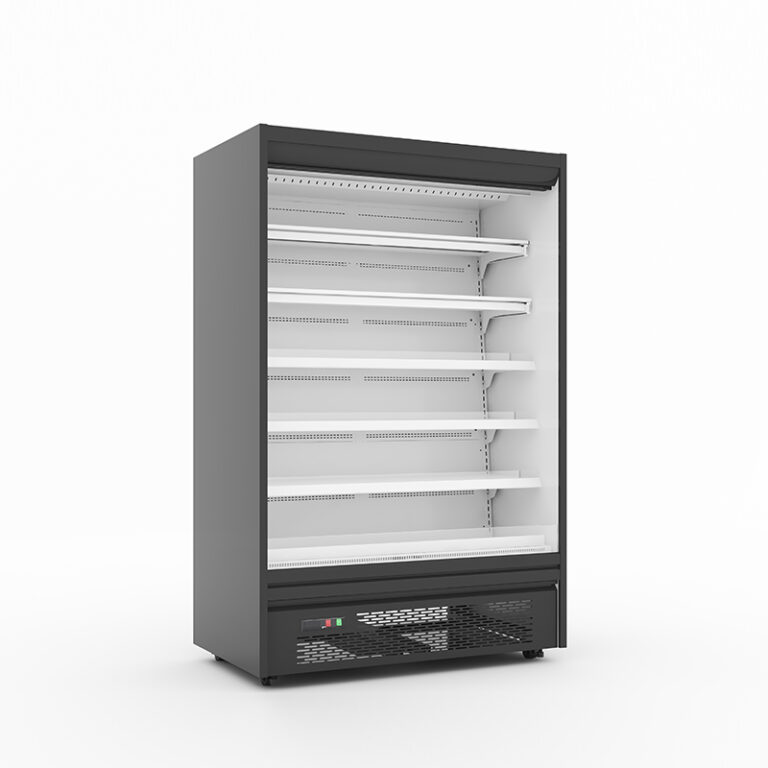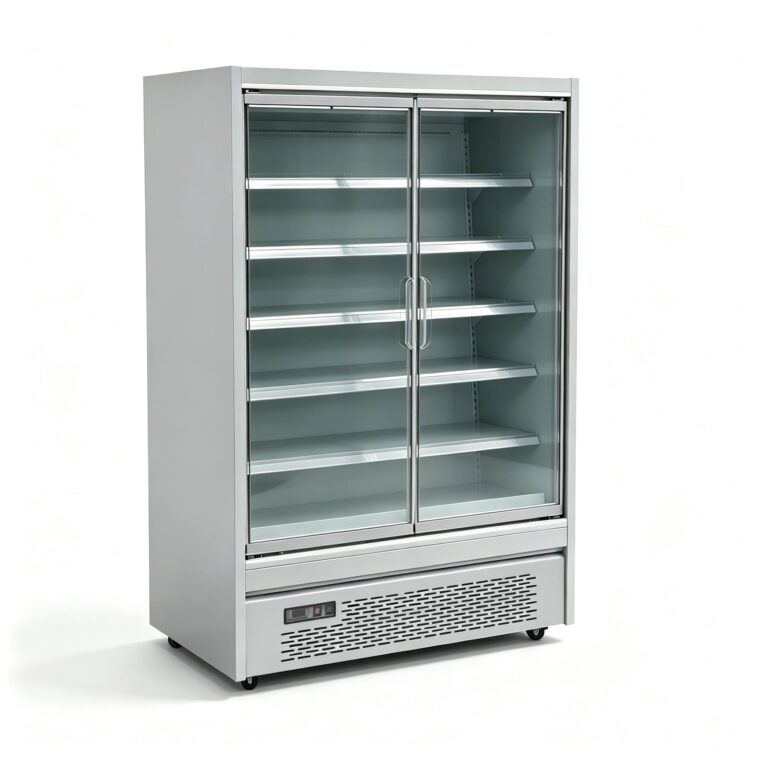
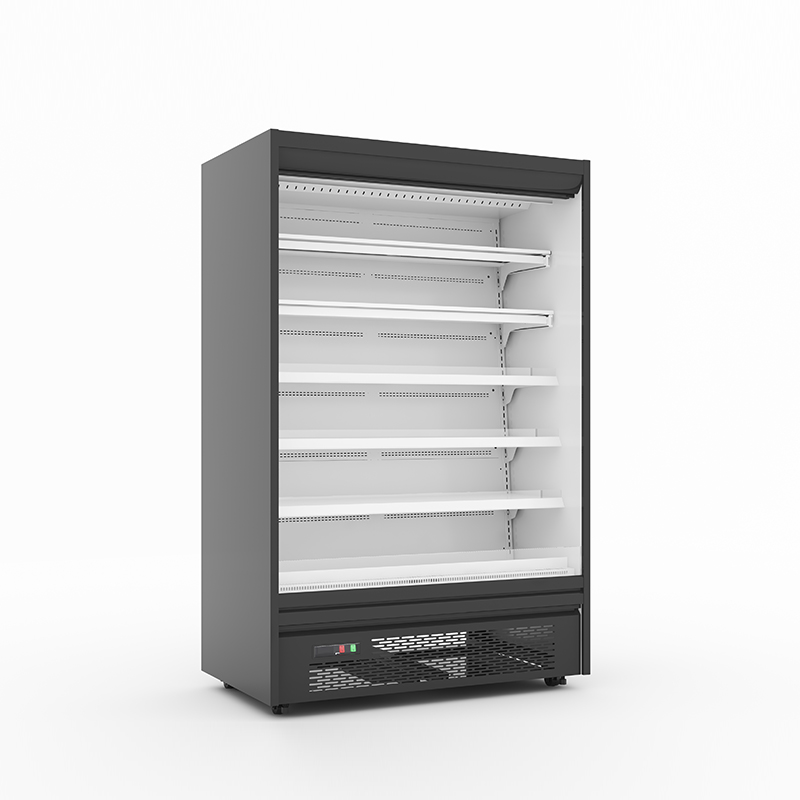
A supermarket does not always need a remote refrigeration system. Sometimes it needs a commercial refrigeratorthat can be rolled into position, leveled, plugged in, loaded, and put to work before the next trading day. The LFB Plug-In Floor-Standing Open Air Curtain Merchandiser is designed for that job.
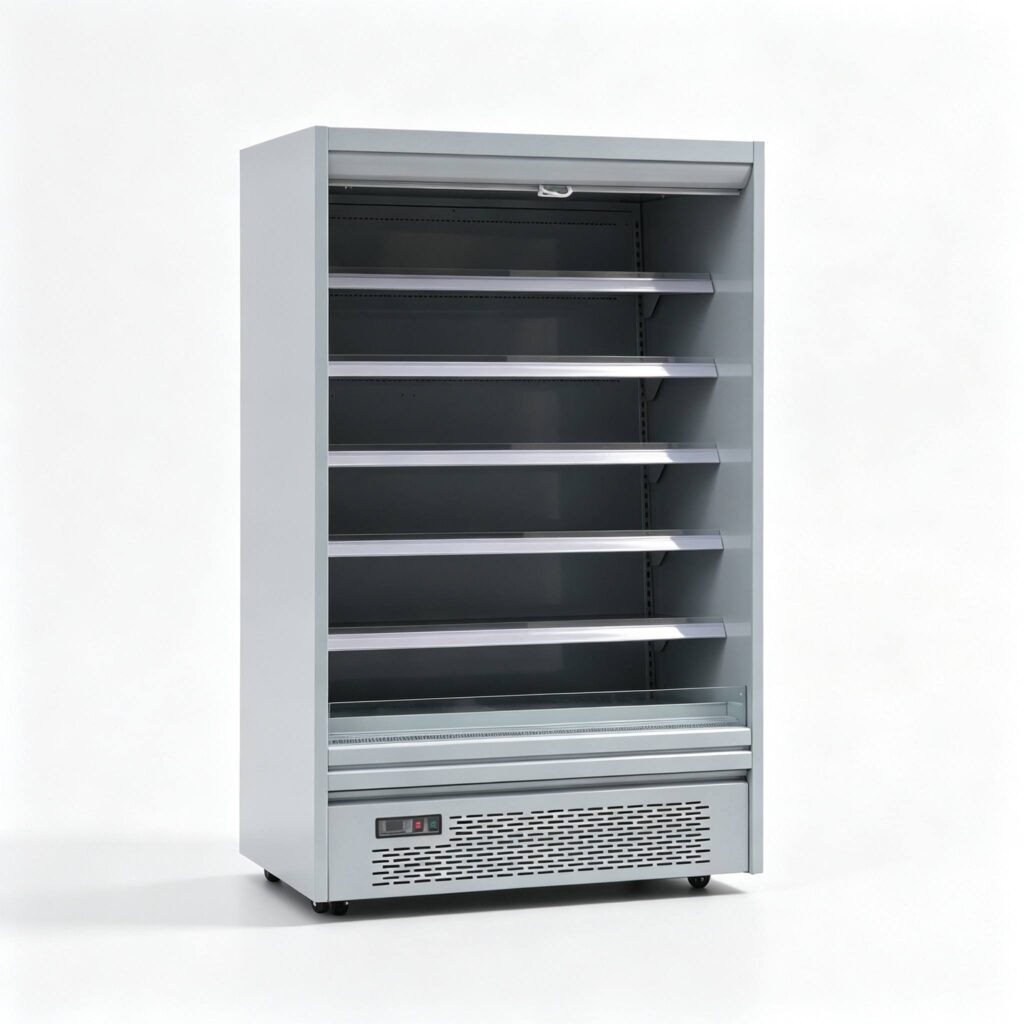
The self-contained LFB cabinet comes from the createrefrigeration equipment line. As a high-performance supermarket refrigerator, it carries its own refrigeration package, so an independent grocer does not need to schedule on-site copper piping, brazing, evacuation, charging, or a separate remote-condensing installation. That removes refrigeration contractor fees at the store. It also reduces the delay between delivery and first sale.
This matters on leased retail properties. Store layouts change. A tenant may move a produce island during a refit or need an extra supermarket display refrigeratorfor a seasonal promotion. A plug-in cabinet offers a direct electrical connection and a shorter deployment path. It is not a substitute for checking the circuit, ambient conditions, and ventilation clearance. It is a practical way to avoid turning a small layout change into a construction project.
Engineering data, configuration guidance, and case portfolios are available at www.createrefrigeration.com
. Procurement teams selecting specialized display refrigeratorsshould still request the final electrical load, operating ambient, temperature range, and shipping dimensions for the selected model.
Air Curtain Aerodynamics and Produce Freshness
An open cabinet has no glass door to separate the merchandise from the room. The air curtain must do that work. In the LFB multi-deck open display refrigeratordesign, an aerodynamic honeycomb discharge screen straightens the outgoing air into a more even sheet. The result is an invisible cold barrier across the cabinet opening, helping limit warm room air infiltration.
The barrier is only as good as the aisle around it. Cross-drafts from entrance doors, ceiling fans, HVAC registers, and nearby loading areas can push the curtain aside. A cabinet placed directly in a strong room draft may show unstable temperatures even when its refrigeration circuit is functioning correctly. Floor layout is part of commissioning.
The air movement should also be gentle enough for a dedicated fresh food display refrigerator. Low-velocity laminar airflow reduces the rough turbulence that can pull moisture from leafy greens, berries, and cut fruit. Produce still needs sensible loading, correct misting practice where applicable, and stock rotation. No air curtain can rescue bruised stock or a display packed above the return-air path.
The practical inspection is simple. Check temperature at the top and bottom of the opening. Look for warm spots near the discharge edge. Inspect lettuce leaves, berry surfaces, and cut-fruit trays for early moisture loss. The createrefrigeration airflow layout is intended to keep the display cold without turning the front row into a dry wind tunnel.
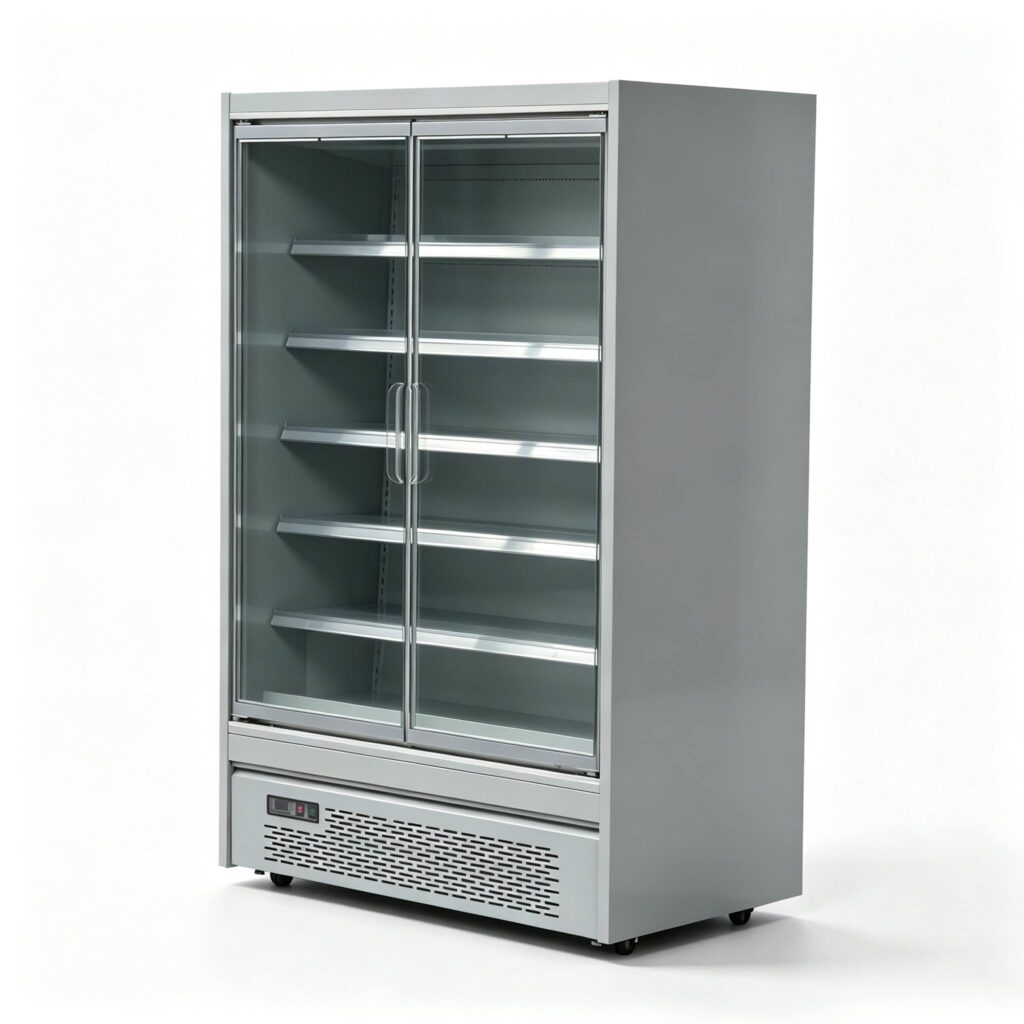
Floor Footprint and Daily Handling
The low-front base profile gives customers a clearer reach into the cabinet and preserves usable internal volume below the display opening. That is valuable in a busy produce aisle, where shoppers want to select individual items without leaning over a high front panel.
Multi-tier adjustable angled shelves support a waterfall arrangement for fruit and vegetables. When deploying this unit as a supermarket showcase refrigerator, staff can tilt the shelves for visibility, change pitch for different trays, and maintain a fuller front-facing presentation without stacking product dangerously high. Shelf loading still needs discipline. Heavy cartons belong in the lower zone. Air returns must remain open.
Night curtains are a small component with a measurable job. Pulling the curtain down at closing reduces the open-face heat load during unoccupied hours. The compressor has less work to do, and the cabinet can hold its product temperature with lower energy draw. That can also reduce compressor cycle fatigue over the long term.
Night curtains need maintenance. Dust on the track, a damaged leading edge, or a curtain that no longer seats evenly leaves warm air leaking into the cabinet all night. Store teams should clean the guide, check the pull handle, and confirm full closure as part of closing duties. It is a two-minute task with a direct refrigeration effect.
Defrost, Drainage, and Service Reality
The evaporator coil requires controlled defrost cycles to clear accumulated ice and maintain heat transfer. Defrost timing should match the store’s ambient humidity, opening hours, and product load. Too little defrost allows ice to restrict airflow. Excessive or poorly timed defrost adds unnecessary heat to the cabinet and can disturb delicate produce.
A self-evaporating water drainage pan removes the need for external floor-drain plumbing in normal operating conditions. Condensate is collected and evaporated by system heat, subject to the cabinet’s rated ambient and installation requirements. Staff should still inspect the pan and drain path. A self-evaporating pan is not a license to ignore dirt, blocked drain channels, or abnormal water accumulation.
The base can be specified with reinforced casters and leveling feet. Casters help position the unit during a refit. Leveling feet stabilize it afterward and help keep shelves and drainage paths correctly aligned where the design requires. Robust sheet metal construction is suited to supermarket handling, but pallet jacks and cleaning equipment can still damage lower panels if operators rush.
Manufacturing and Export Readiness
The LFB is a self-contained cabinet, but export preparation remains technical work. The factory should confirm destination voltage, frequency, plug format, refrigerant requirements, ambient rating, shelf layout, and required product temperature before production release.
createrefrigeration can prepare containerized seaworthy packing for this commercial display refrigerator, with heavy protection for the coil section, casters, shelf components, and cabinet corners. Procurement should review the packed dimensions and loading plan before the container is booked. A cabinet that fits the sales floor may still need a different crate orientation for efficient container use.
Before acceptance, the buyer should check that the unit starts cleanly, reaches its specified operating range, and maintains an even air curtain after the shelves are loaded. Record the initial current draw, cabinet temperature, and defrost behavior. These baseline readings help service teams separate an installation issue from a later refrigeration fault.
Four-Row Technical Specification Comparison
| Area | Standard LFB Configuration | Operational Benefit | Procurement Check |
| Air curtain | Multi-deck honeycomb discharge with low-velocity laminar airflow | Limits room heat infiltration while reducing produce drying | Check aisle drafts, HVAC outlets, loading-door exposure, and return-air clearance |
| Refrigeration and defrost | Self-contained plug-in system with evaporator coil and scheduled defrost cycles | Fast deployment without remote copper piping; maintains coil heat transfer | Confirm temperature range, ambient rating, defrost schedule, voltage, and frequency |
| Merchandising and night operation | Low-front base, adjustable angled shelves, pull-down night curtain | Improves customer reach, waterfall display visibility, and closing-hour energy control | Test shelf load, curtain seating, aisle clearance, and closing procedure |
| Drainage and export build | Self-evaporating pan, reinforced casters/leveling feet, robust sheet metal, seaworthy packing | Avoids normal external floor-drain plumbing and supports container transport | Verify floor condition, crate dimensions, service access, and destination compliance |
An Engineer’s Buying Recommendation
Treat the LFB as both a refrigeration appliance and a floor-layout decision. Confirm the electrical circuit. Measure the aisle draft. Leave service clearance. Decide who will clean the honeycomb screen, inspect the coil, pull the night curtain, and record temperatures.
The plug-in format is strongest where speed, lease flexibility, and low site disruption matter. It gives an independent grocer a usable produce display without waiting for a remote refrigeration build-out. It still requires proper placement and operating discipline.
For configuration advice, engineering data, export packing details, and a project-specific RFQ, contact createrefrigeration through www.createrefrigeration.com
. Send the destination market, produce mix, ambient conditions, electrical supply, and floor plan. That information lets the engineering team judge the cabinet as it will actually operate—not merely as it appears in a catalog.