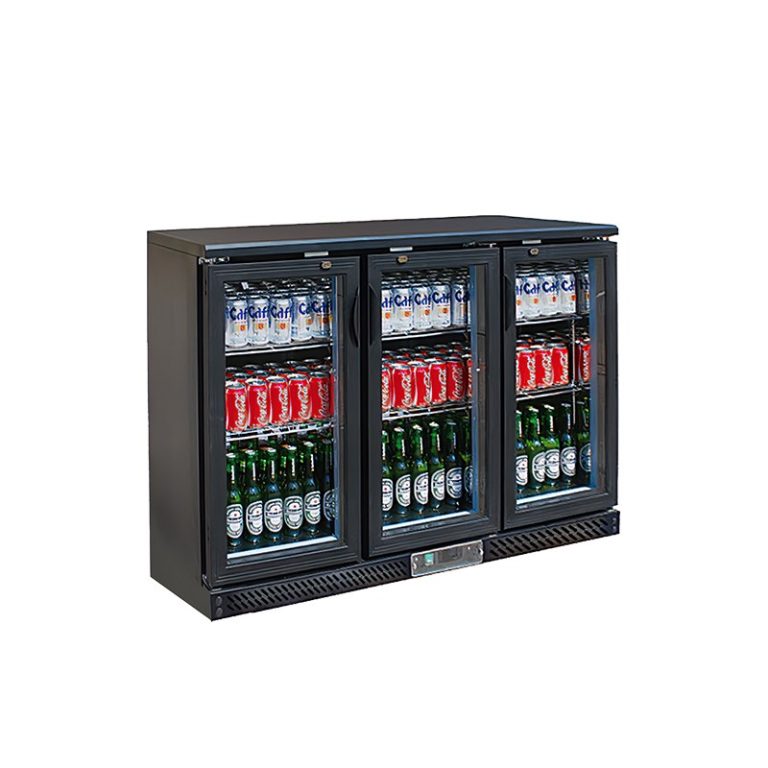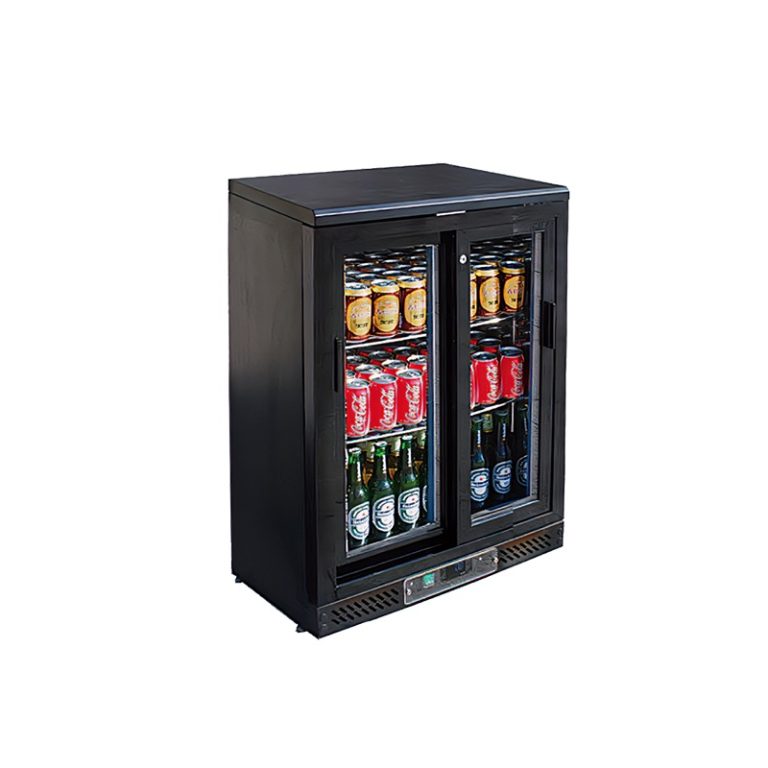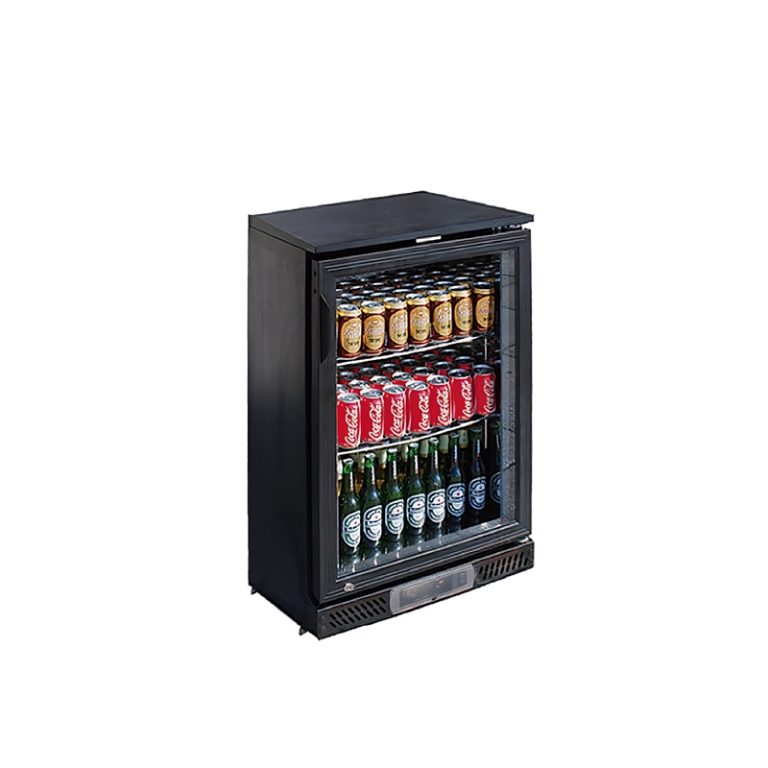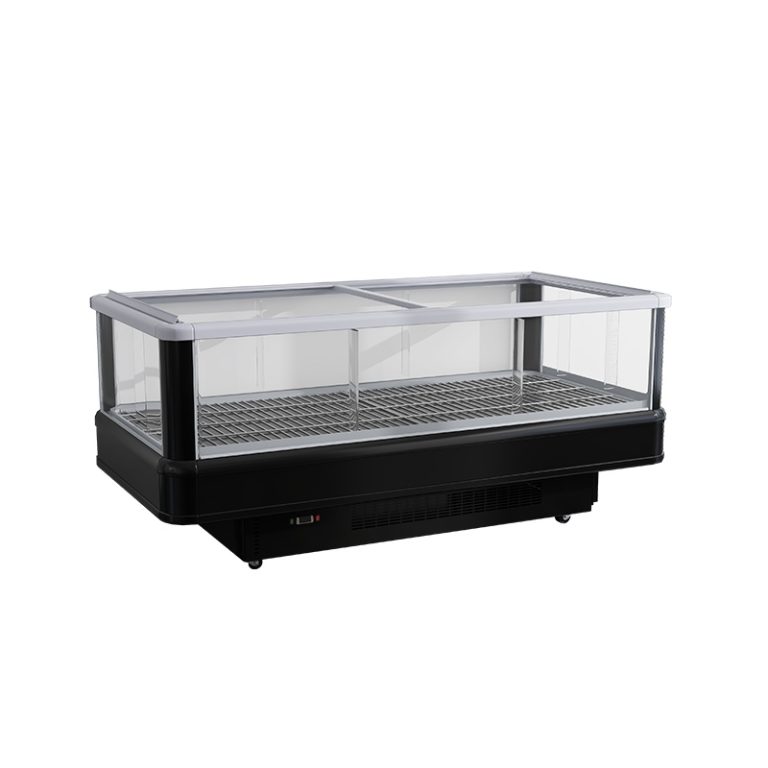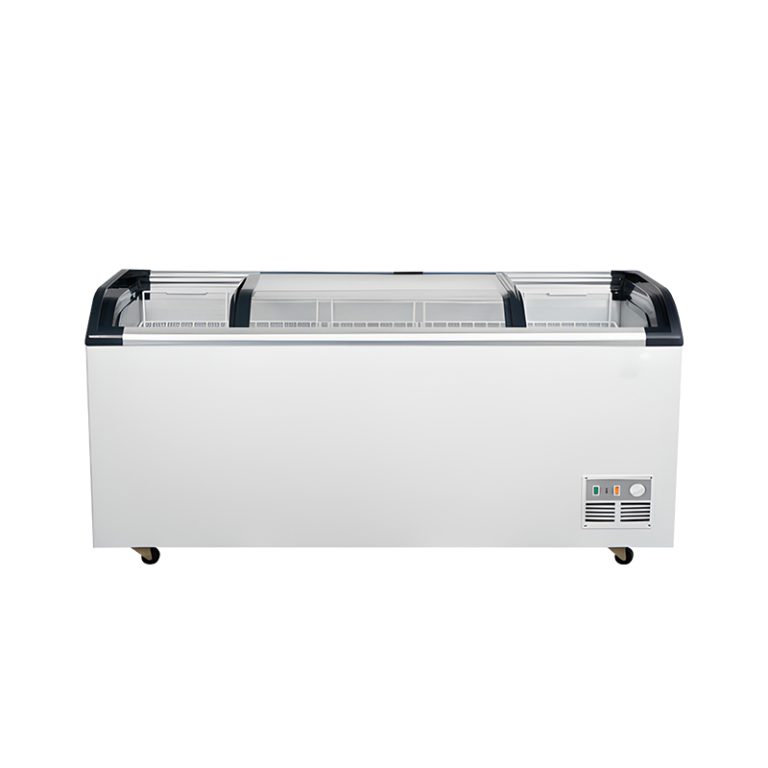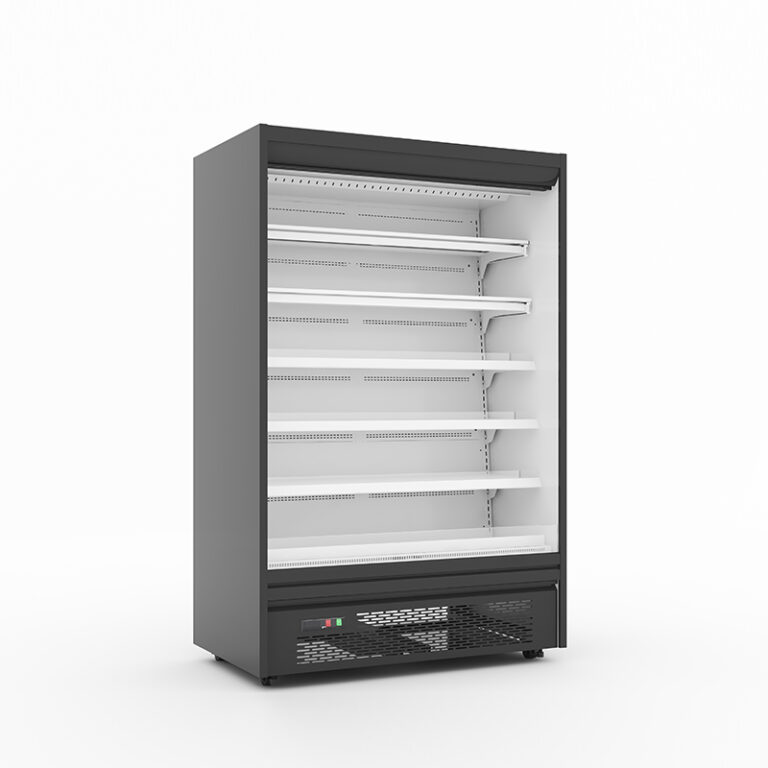

Open multidecks sell well because they show a lot of product. They also expose a large refrigerated opening to the store. Every minute, warm aisle air enters. Moisture follows. The compressor works harder.
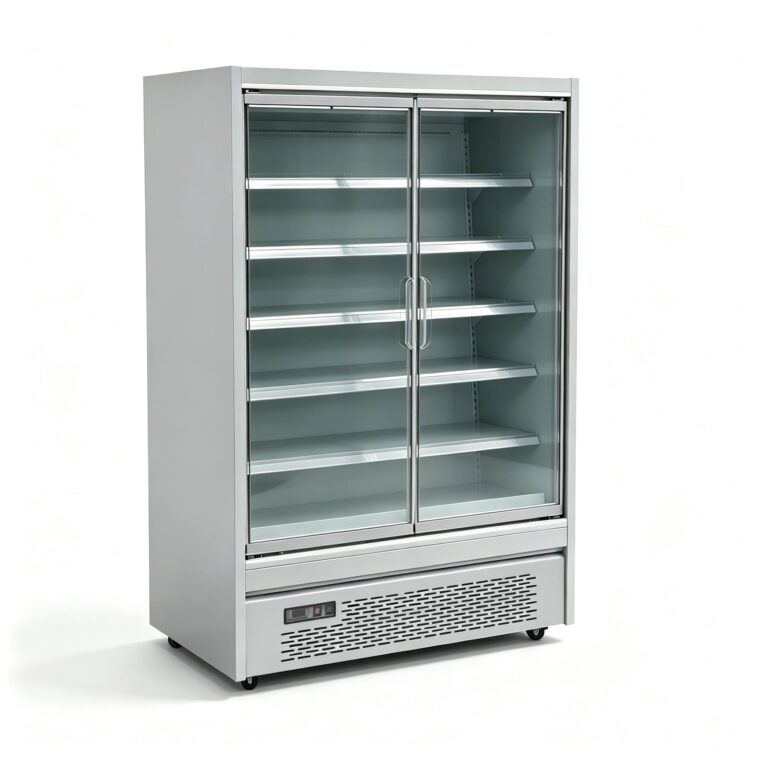
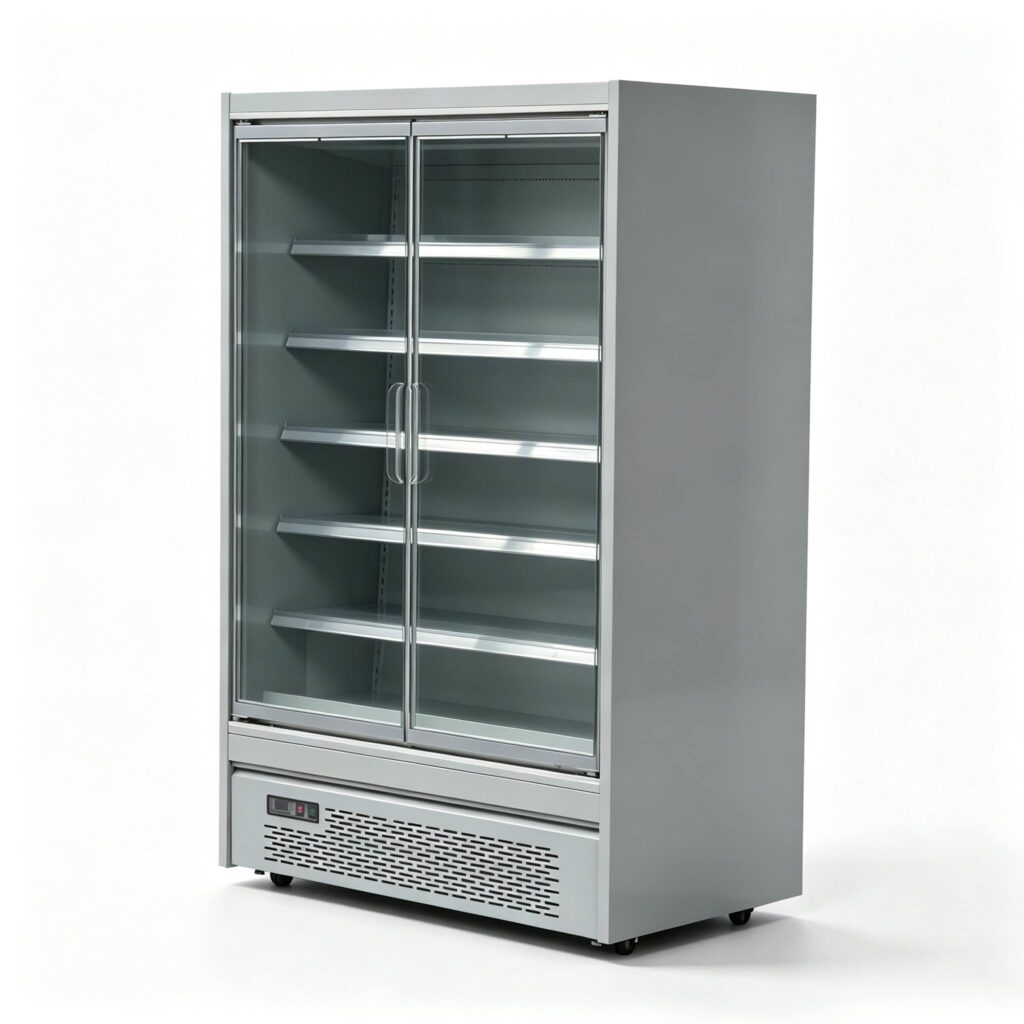
The LFB Plug-In Floor-Standing Glass Door Multideck Chiller takes a different route. It combines the display capacity of a multi-tier air curtain cabinet with the thermal barrier of self-closing glass doors, then packages the refrigeration circuit inside the cabinet. The result is a self-contained unit that can be installed without an external plant room or remote copper-pipe network.
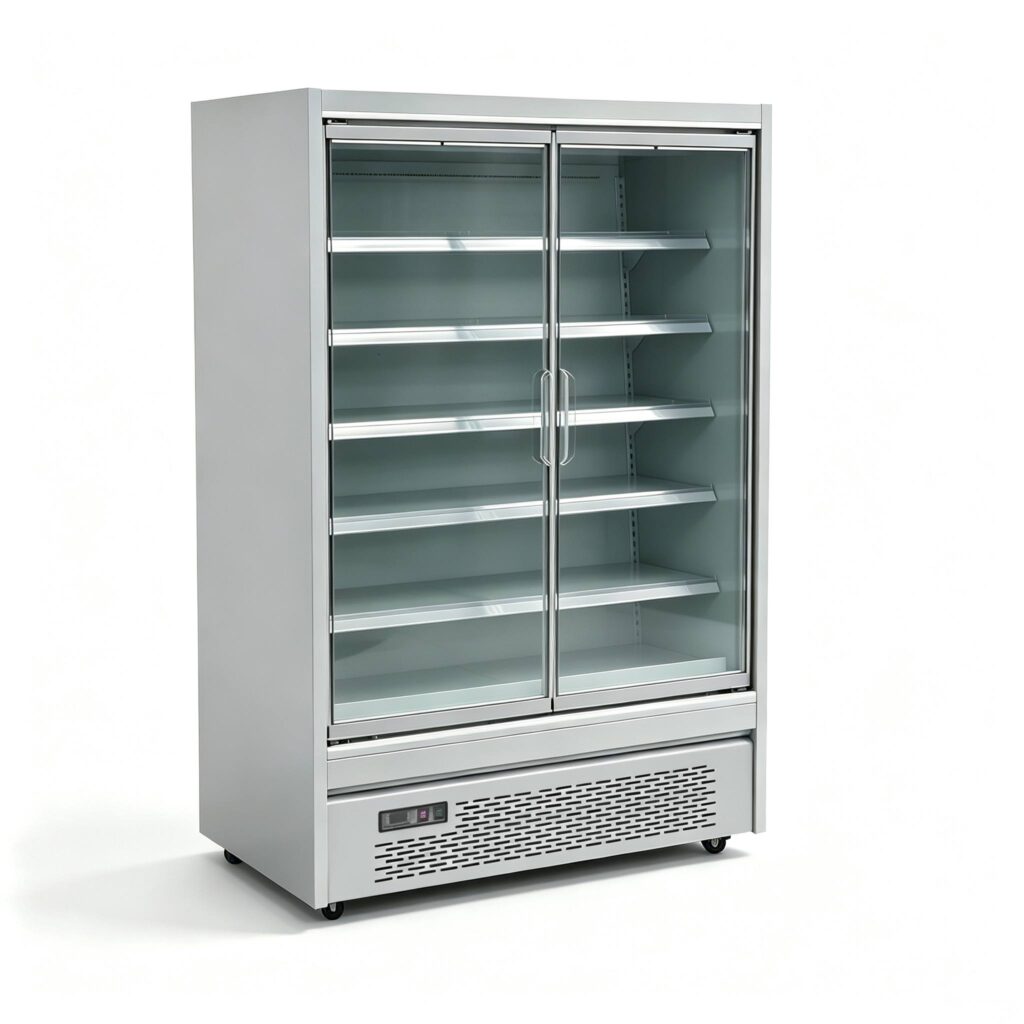
createrefrigeration builds commercial cold-chain equipment around this type of operating trade-off. The cabinet is intended for grocers and convenience chains that need visible packaged foods, dairy, and beverages without accepting an open-front cabinet’s full air exchange. Full specifications and store-layout assistance are available at www.createrefrigeration.com.
This is not a free pass on installation. A plug-in condenser still rejects heat into the room. The cabinet needs clearance, a suitable electrical circuit, and a location where condenser discharge will not recirculate into the intake. Get that wrong and the electric bill will explain it later.
Quantifiable Energy Savings and Thermal Containment
Adding self-closing Low-E tempered glass doors to the createrefrigeration LFB platform can reduce running electricity consumption by approximately 35% to 45% compared with comparable open multidecks, when cabinet size, product load, ambient conditions, setpoint, and operating hours are held reasonably constant. Treat that figure as a project benchmark, not a guaranteed utility result. Measure the installed cabinet.
The physics is direct. The doors reduce the volume of warm room air entering the refrigerated space. Less infiltration means less moisture load, fewer recovery cycles after customer traffic, and a lower average refrigeration burden. For a chain, the difference is visible in kilowatt-hours—not just in a sales brochure.
A simple site audit should record compressor run time, door pull frequency, ambient temperature, product temperature, and daily kWh over comparable trading periods. A cabinet in a quiet back aisle will not produce the same result as one facing a store entrance. Door pulls matter. So do overnight settings and cleaning practices.
Glass also changes the shopper’s experience. An open case can create cold aisle syndrome: customers walk past it, then move away from the chilled air before they finish browsing. A closed multideck keeps more cold inside the cabinet and makes the aisle warmer and more comfortable. Customers can spend more time comparing yogurt, milk, prepared foods, and drinks without standing in a continuous cold draft.
Dual-pane anti-fog glass and heated frame elements address the other common complaint: condensation. Low-E glass reduces radiant heat transfer, but the frame can still become a thermal bridge if it is poorly designed or under-heated. The heated perimeter keeps the frame and door edge above the local dew point during humid store operations. Condensation control depends on correct power, gasket contact, and door alignment—not on the glass coating alone.
Internal Architecture and Merchandising Power
The cabinet uses dynamic top-down ducting to push treated air through the vertical display zone and return it through the lower air path. The design objective is tight holding stability across all shelves within the working range of +2°C to +8°C. That range must be verified with loaded product at the top, center, and bottom—not inferred from one controller reading.
Loading affects the result. Leave the discharge and return paths open. Do not press cartons against the rear duct. Do not use a shelf as a temporary pallet. When air passages are blocked, the top row can warm while the lower row remains overcooled. Product placement is part of temperature control.
Heavy-duty adjustable shelving supports different package heights and SKU plans. Price tag mouldings keep labels aligned and reduce loose plastic strips in the customer zone. Easy-slide shelf loading helps staff replenish the cabinet without removing half the row. Bright vertical LED illumination makes product graphics readable without adding the heat and glare associated with poorly placed lighting.
Shelf pitch should match the product. Dairy cups need a different angle and clear height from tall beverage bottles. A good layout lets staff load from the rear or side, face the front row quickly, and keep the cold-air route unobstructed. The best display is not the one packed to the ceiling. It is the one that sells while holding temperature.
Plug-In Engineering and Global Sourcing
The LFB uses a self-contained cooling circuit with built-in hot gas condensate evaporation. Under normal rated conditions, condensate can be managed inside the cabinet without routing an external drain to the floor. The pan and evaporation path still need inspection. Dust, scale, and blocked airflow can turn a low-maintenance feature into a service call.
Balancing condenser heat dissipation is especially important with a plug-in cabinet. The condenser must reject heat somewhere, and that heat enters the store if the unit is installed indoors. Keep the specified rear and side clearances. Avoid placing two warm-air outlets face to face. Do not trap the cabinet between a wall and a tall display fixture.
Voltage compatibility can be configured for common 110V/220V supplies and 50Hz/60Hz frequencies, subject to the selected model and destination requirements. Factory performance testing should confirm pull-down, holding temperature, electrical current, defrost behavior, and door closure before shipment.
For export projects, seaworthy crating should protect the glass doors, mullions, shelf components, control area, and condenser section. CAD store-layout alignment is worth doing before production. It catches aisle-width conflicts, service-clearance problems, door-swing issues, and condenser discharge errors while changes are still inexpensive.
The engineering team at createrefrigeration can review drawings against the planned product mix, electrical supply, ambient conditions, and container dimensions. Buyers should send those facts early. A late layout change costs more than an early drawing review.
Four-Row Technical Specifications Summary
| Area | LFB Plug-In Glass Door Configuration | Field Benefit | Buyer Verification |
| Energy and thermal containment | Self-closing dual-pane Low-E tempered glass doors, anti-fog treatment, heated frame | Benchmark reduction of 35%–45% in running electricity versus comparable open multidecks | Compare kWh under matched load, ambient, hours, and door-pull conditions |
| Temperature architecture | Dynamic top-down ducting with controlled air return; +2°C to +8°C holding target | More consistent temperature across top, center, and bottom shelves | Test loaded cabinet at three heights and confirm air passages remain clear |
| Merchandising system | Heavy-duty adjustable shelves, price tag mouldings, vertical LED lighting, easy-slide loading | High display capacity with faster replenishment and clear product presentation | Confirm shelf pitch, maximum load, SKU dimensions, and lighting layout |
| Plug-in and export engineering | Self-contained circuit, hot gas condensate evaporation, 110V/220V and 50Hz/60Hz options | No external plant room; suitable for standardized multi-site deployment | Check condenser clearance, factory test report, CAD layout, and seaworthy crate size |
An Engineer-to-Buyer Closing
Do the energy comparison honestly. Use the same store, similar product load, comparable ambient conditions, and a measured kWh baseline. Count door pulls. Check the condenser discharge. Record the product temperature, not just the display on the controller.
The LFB glass door multideck is a strong fit where a retailer wants high visible capacity, a warmer shopping aisle, and a plug-in installation without external plant rooms. It still needs sound layout work and routine gasket, hinge, condenser, and defrost checks.
Send store drawings, target SKUs, voltage, frequency, ambient conditions, and service-clearance requirements for an engineering review and project quote via createrefrigeration at www.createrefrigeration.com. The right proposal starts with the actual floor plan and the actual electric meter.