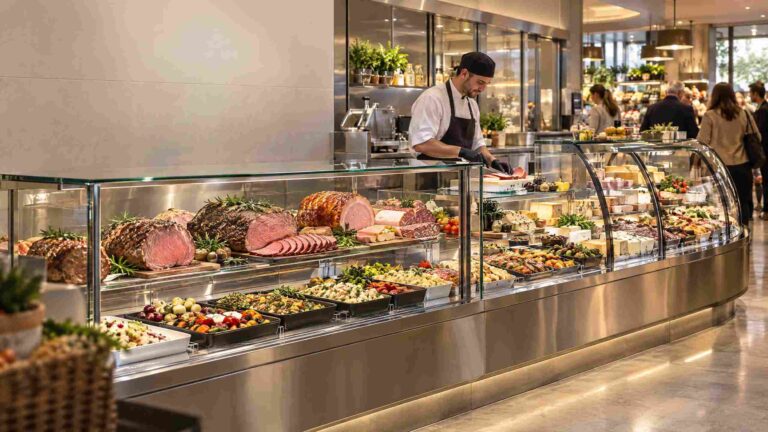
Sizing a supermarket refrigeration system from cabinet length alone is an expensive shortcut. A hot-climate store can have a different load at the entrance, in the frozen aisle, beside a loading door, or near a cooking area. Product temperature, replenishment, doors, glass, lighting, defrost, condenser location, and the store electrical supply all change the answer. Good commercial refrigeration sizing begins with the site and the merchandise, then turns those facts into a model-by-model quotation.
The goal is not to buy the largest compressor on the list. Oversizing can add purchase cost, cycling, noise, and electrical demand, while undersizing can leave cases running for long periods with poor recovery. For a supermarket refrigeration design, the supplier needs enough information to calculate or select the equipment under the actual design condition and to state what has been tested.
Build The Load Picture Before Choosing Capacity
Start by listing every temperature zone and its job. Frozen foods, ice cream, dairy, beverages, fresh meat, produce, prepared food, and cold storage do not share one load profile. Note the product entering temperature, required holding condition, display hours, daily delivery pattern, and whether products are already chilled or frozen before they reach the case.
Ambient And Store Heat Matter
Hot climate refrigeration is not defined only by the weather station. Record normal and peak room temperature, humidity where relevant, direct solar exposure, ceiling height, air-conditioning supply, entrance doors, loading bay openings, nearby ovens, lighting, and condenser ventilation. A plug-in case rejects heat into the sales area. A remote system moves much of that heat elsewhere, but pipe length, condensing conditions, controls, and installation still affect performance.
Opening and Restocking Are Real Loads
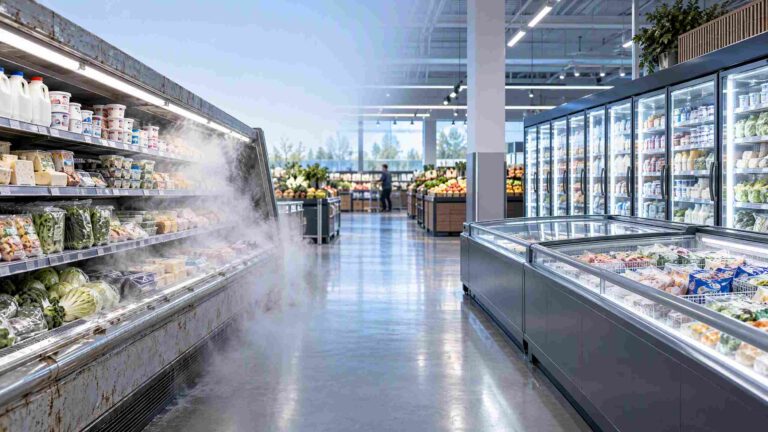
A glass-door line sees repeated shopper access. An open multideck sees warm aisle air continuously and relies on its air curtain. Restocking brings in warm product and keeps doors or lids open at the worst possible time. Capture traffic by zone, restocking windows, delivery batch size, and expected promotion peaks. Those details are more useful to a capacity review than a generic “high ambient” label.
Match Capacity To The Cabinet Type
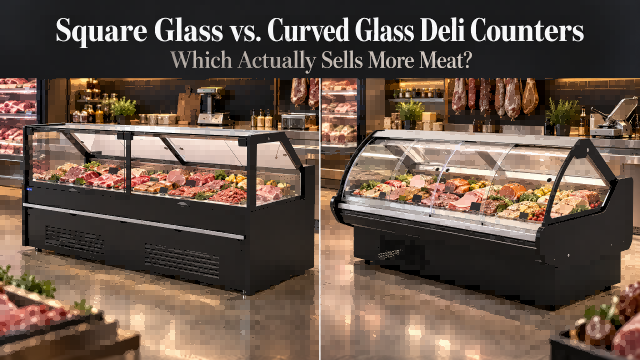
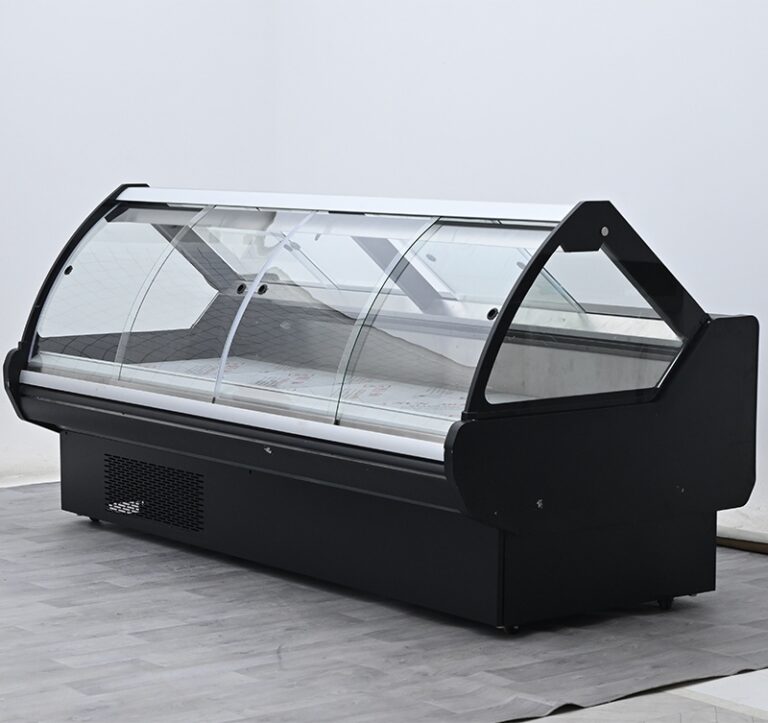
Commercial refrigeration sizing must separate cabinet formats. A glass-door refrigerator, an open display chiller, an island freezer, and a cold room may all be sold to one supermarket, but they do not transfer heat or present product in the same way. The quotation should show which load, air condition, product condition, defrost cycle, and operating schedule support each capacity figure.
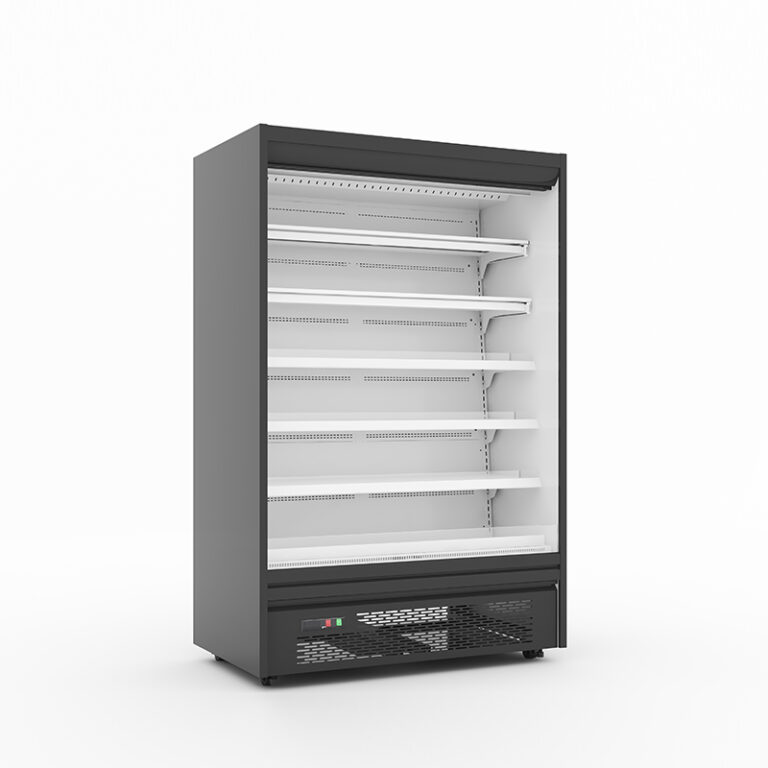
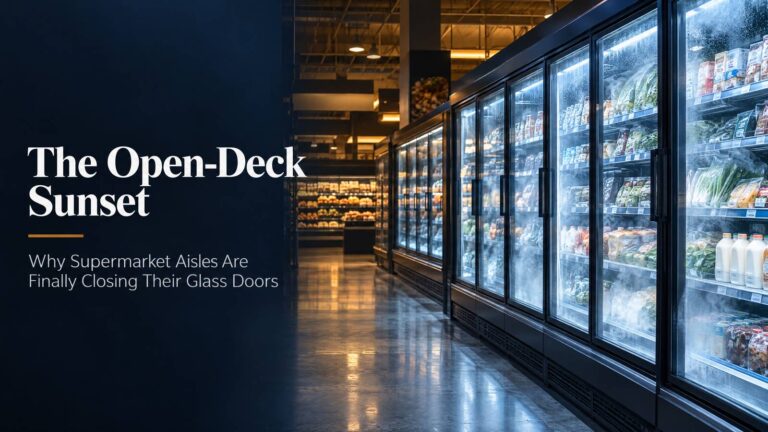
Create Refrigeration air-curtain display information has rear-board air outlets, adjustable shelves, night-curtain insulation, a thick foaming layer, LED lighting, and double-layer air-curtain circulation for supermarket and hypermarket use. These details are useful in a multideck open chiller review because loading lines, cross-drafts, shelf spacing, and aisle position can change the practical load. The exact delivered configuration still needs to be confirmed.
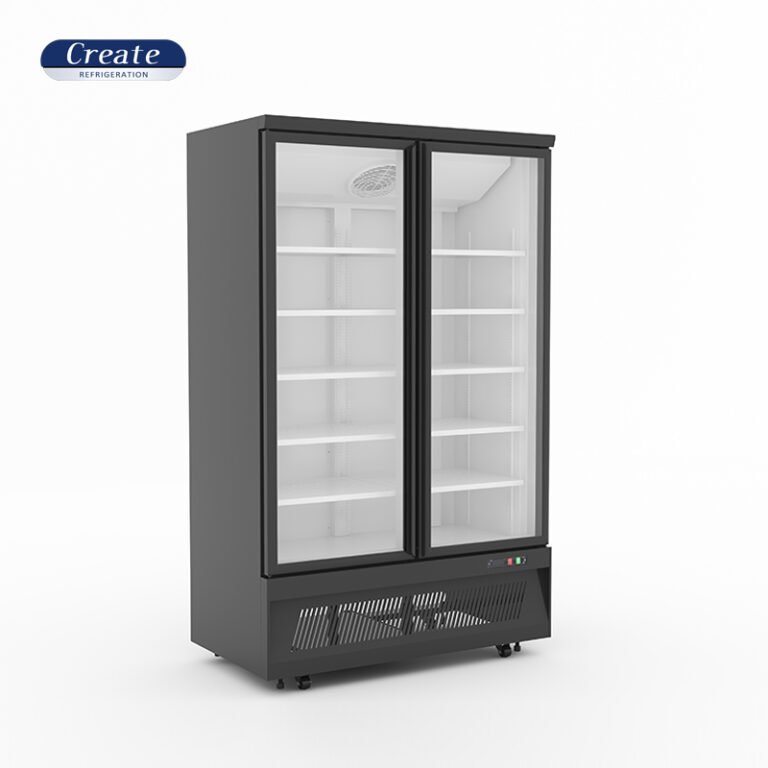
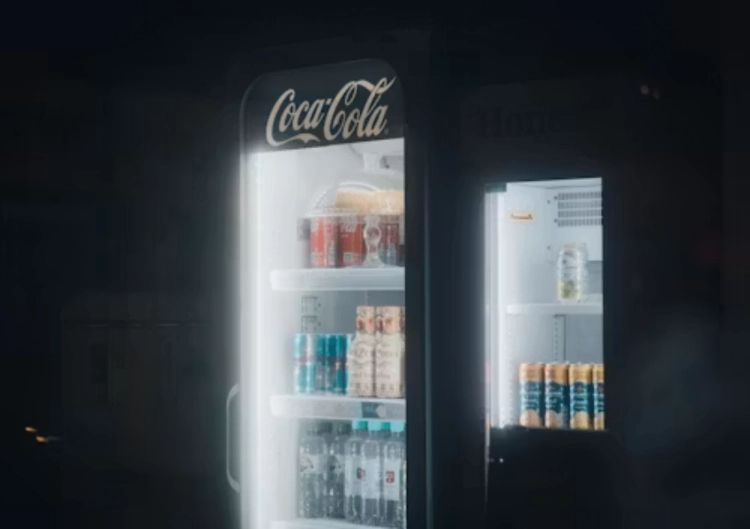
The glass-door product information covers self-closing doors, double-layer insulating glass, a designed air duct, a heat exchanger, insulation, LED door-frame lighting, and air-cooled three-dimensional circulation. For a 7 doors upright showcase chillers, those features can reduce unwanted air exchange or improve display circulation, but they do not remove the need to specify door traffic, loading, ambient, and defrost conditions.
For frozen merchandise, Create Refrigeration island freezer notes that include a high-efficiency compressor and fan motor, environmental refrigerant and C-P insulation, wide voltage and climate-class options, a microcomputer temperature controller with LED indication, automatic defrost, and a sliding glass top. The same information describes static cooling and use for ice cream, seafood, and other frozen foods. A supermarket island freezer should therefore be sized from its actual product and loading pattern, rather than from a chilled-case rule of thumb.
Ask For Capacity Evidence, Not A Single Number
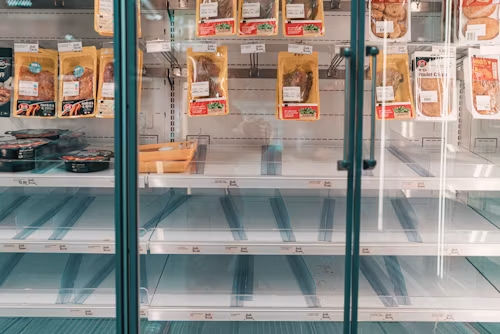
Refrigeration capacity is meaningful only with its conditions attached. Ask whether the number is net cooling capacity at the evaporating and condensing conditions, input power, or a catalog selection value. Request the design ambient, entering product condition, cabinet temperature range, defrost allowance, compressor run assumption, and measurement points. If a supplier cannot provide those details, the number is difficult to compare across brands.
Condensing Temperature Is A Design Variable
The condenser must reject heat to its surrounding air or to another heat-rejection system. In a hot store, high inlet air, recirculated discharge air, a dirty coil, or insufficient clearance can push condensing conditions higher and reduce the margin available at the case. Put condenser location, ventilation, clearance, cleaning access, and service space into the supermarket refrigeration design drawings before equipment approval.
Keep A Margin Without Inventing A Percentage
A project may need spare capacity for heat spikes, a new promotion, extra doors, or a future cabinet extension. The right margin depends on the design method, local code, equipment type, and project risk. It should be shown as an engineering assumption or supplier calculation, not as a universal percentage. Ask what happens if one cabinet is offline, if ambient exceeds the normal design value, or if a condenser room loses ventilation.
Turn Site Facts Into A Useful RFQ
A complete RFQ lets suppliers quote comparable equipment. Include:
- Project city, indoor and outdoor ambient range, humidity, solar exposure, store hours, and nearby heat sources.
- Product categories, entering product temperature, target holding condition, turnover, delivery schedule, and peak restocking load.
- Cabinet type, length, height, depth, door or open-front design, glass arrangement, shelf count, load line, lighting, and merchandising plan.
- Plug-in or remote system, refrigerant, compressor and condenser arrangement, defrost, controller, monitoring, voltage, frequency, phase, and plug.
- Required capacity basis, test conditions, noise limits, drainage, installation clearances, maintenance access, backup expectation, and commissioning record.
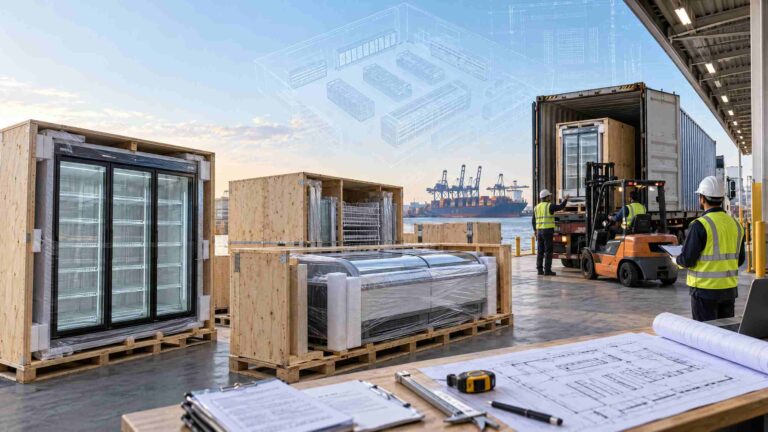
- Packaging, shipment terms, spare parts, warranty, local service responsibility, and training or handover requirements.
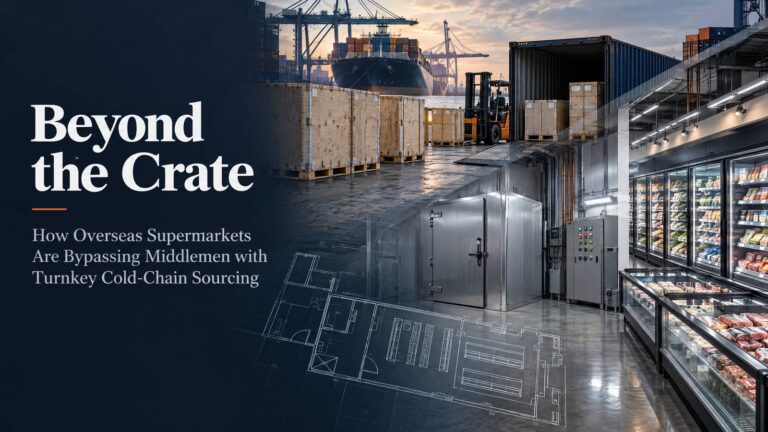
Create Refrigeration has CAD and 3D supermarket layouts, customized products, OEM/ODM work, samples, final inspection, and a one-year warranty. A buyer can send a store CAD drawing and product mix so the proposed line-up, aisle space, cabinet grouping, power, and service routes are reviewed together. The Riyadh fresh-food renovation also involved island cabinets, layout renderings, lighting changes, and shelf-level adjustments, a useful reminder that capacity and merchandising are linked. For projects with a separate cold room, the cold storage equipment should be reviewed as a different load and installation scope.
Check Energy And Backup At The Same Time
Energy review should compare more than compressor input. Include fans, lighting, door heaters where fitted, defrost controls, condenser fans, and the heat released into the sales area. A lower quoted wattage is not automatically a lower operating cost if the cabinet cannot recover under the stated load. Ask for the measurement period and operating condition behind any energy claim.
Backup planning also needs a practical boundary. A spare compressor, a standby circuit, remote monitoring, an emergency transfer procedure, or a second cabinet may be appropriate depending on the product risk. The supplier should identify which parts are stocked, which work is local, and which conditions void the expected performance. Create Refrigeration has a one-year warranty and, for bulk orders, spare parts support; the project contract should state exactly what is included. If you would like to learn more, please read this article.
FAQ
Q1: What is the first input for commercial refrigeration sizing?
A1: Start with the site condition and product load: temperature zones, entering product condition, ambient, door or restocking activity, cabinet type, operating hours, and condenser location.
Q2: Does a larger compressor always solve hot-climate refrigeration problems?
A2: No. Poor condenser ventilation, blocked airflow, excessive door opening, incorrect loading, electrical mismatch, or an unsuitable cabinet can remain problems even with a larger compressor.
Q3: What should a supermarket RFQ request from a supplier?
A3: Request model-level capacity conditions, ambient and product assumptions, cabinet configuration, defrost, refrigerant, power, controls, installation clearances, commissioning evidence, warranty, spares, and local service responsibilities.