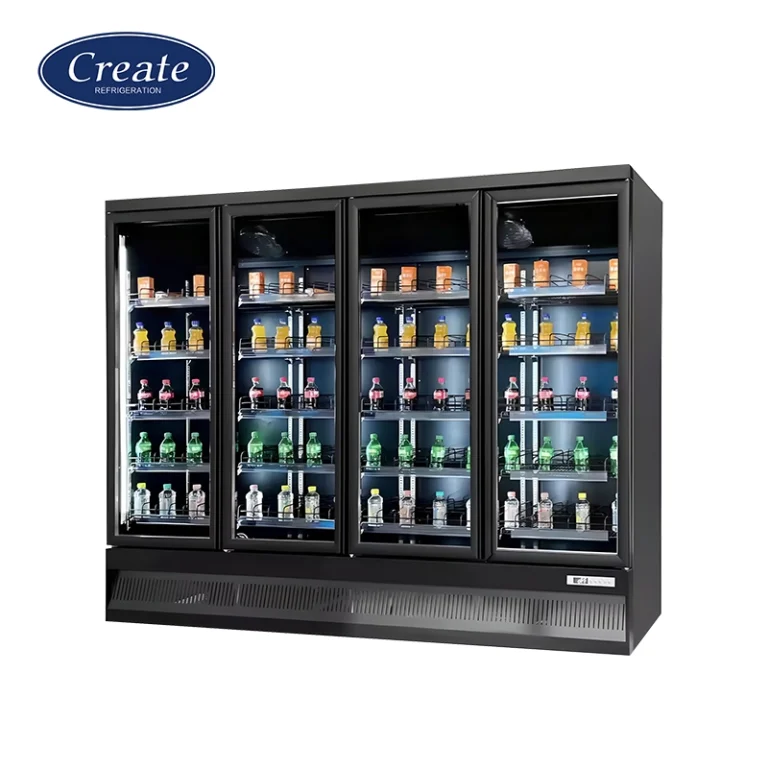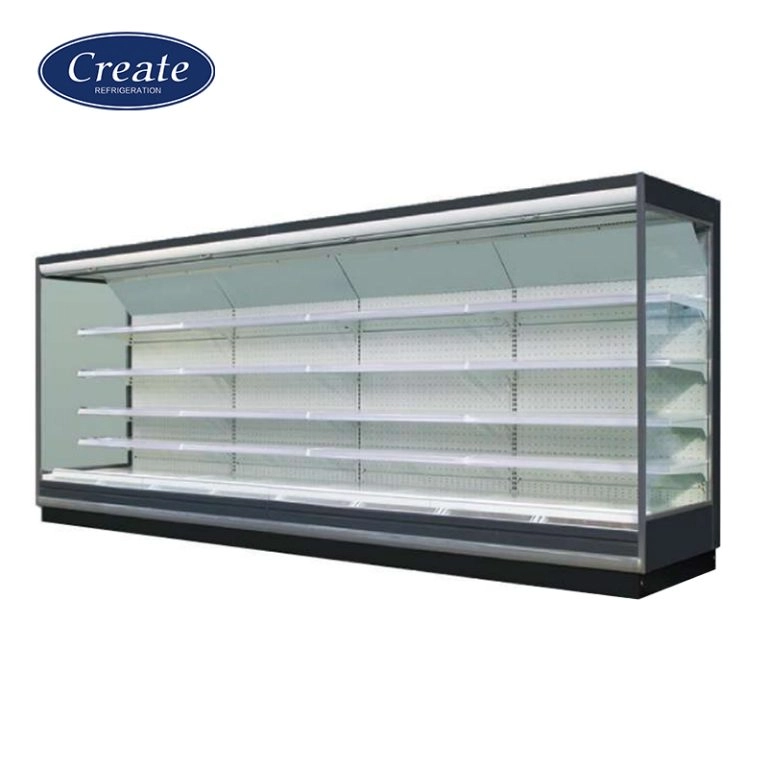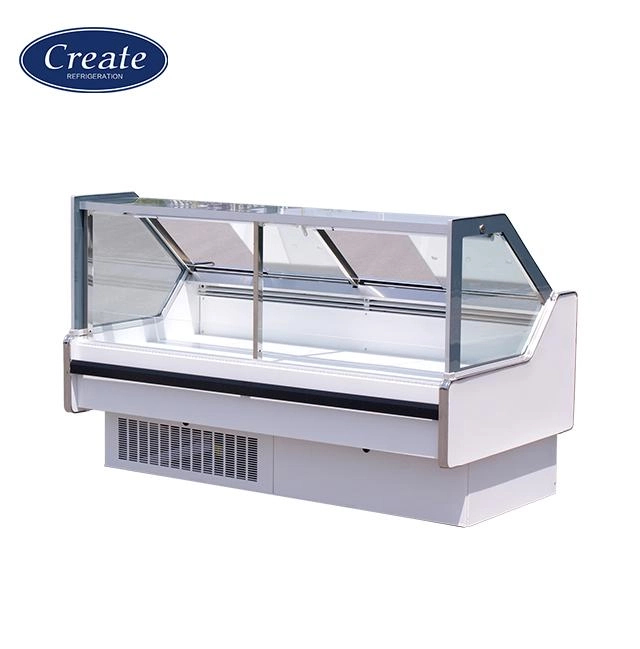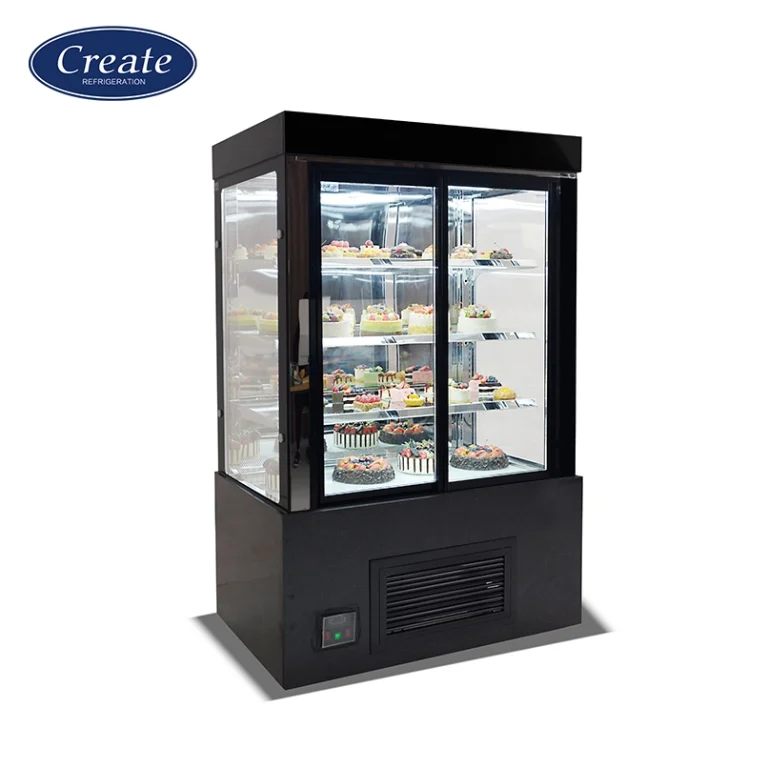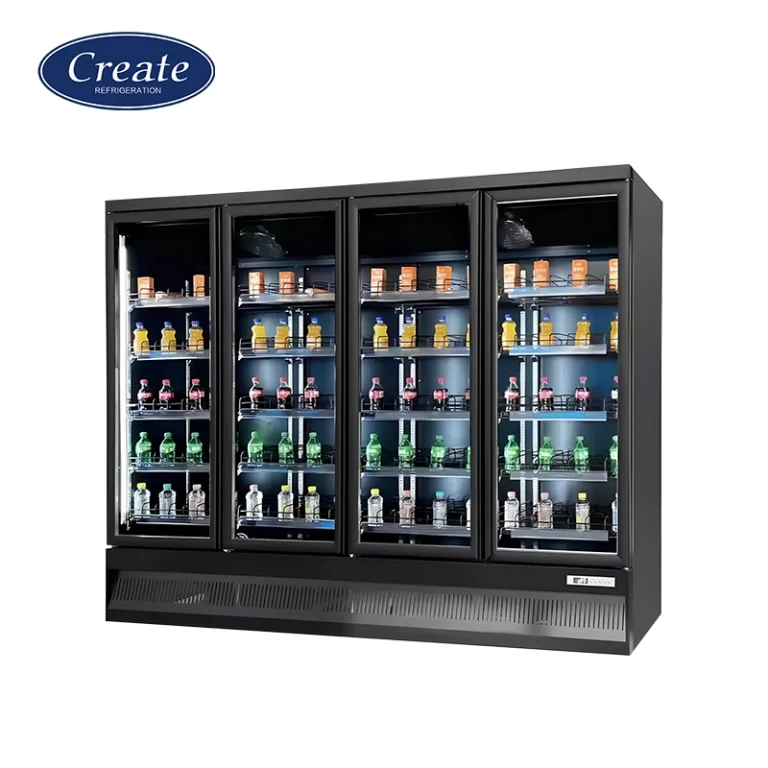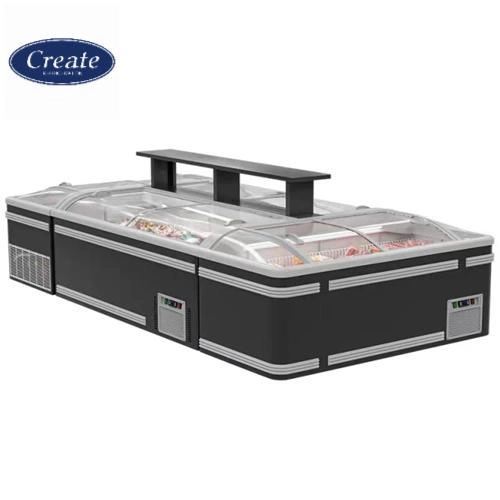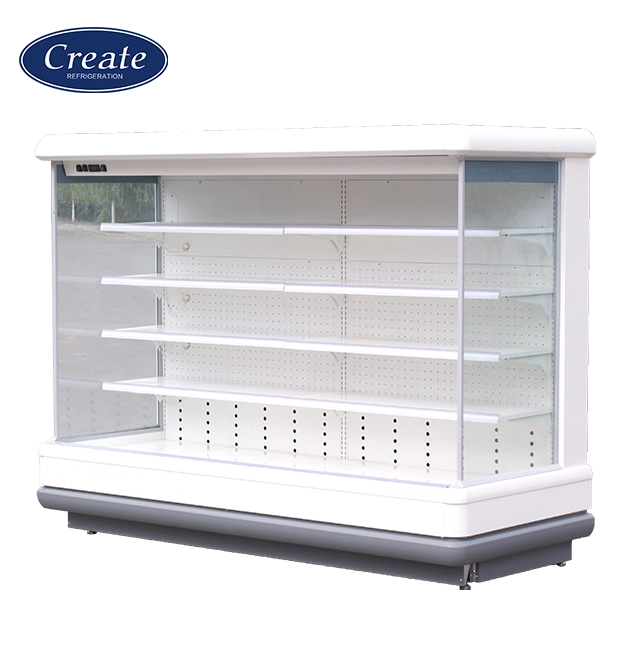
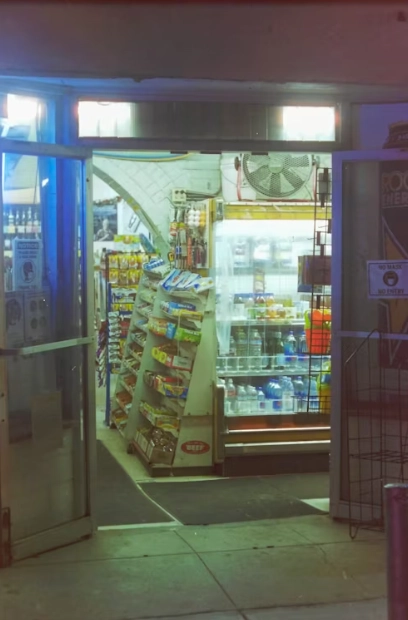
In retail and food service settings, commercial display freezers hold a vital position when it comes to keeping product quality intact and boosting customer interest. These units come with a strong build designed for tough, ongoing work, including solid insulation and tough materials that stand up to round-the-clock use. Take, for example, elements such as lift-up glass lids and dense foam padding; they make reaching items straightforward while also aiding in holding onto the cold temperatures needed for preservation.
Arranging products for visual appeal matters just as much in these areas. Display freezers commonly come equipped with LED lights, flexible metal shelves, and wide glass panels that improve how well shoppers can see the goods inside. The angled window setup boosts the see-through quality of the entire case, and it offers better viewing angles too, which turns out to be quite useful in busy retail spots where people move quickly through aisles.
Capacity for holding items gets plenty of attention, too. These setups get crafted to fit the large stock levels seen in big grocery chains and small corner shops alike. They manage this reliably, even with doors opening often or shelves getting refilled regularly, so nothing spoils during peak hours.
How Do These Units Maintain Performance in Demanding Environments?
These freezers need construction that lets them bounce back to proper chill levels fast after someone opens the door or during routine thawing periods. Builders achieve this goal by using sturdy designs for the evaporator coils combined with fans that push air around evenly to spread the cold consistently.
What Does a Commercial Refrigeration System Require?
Getting the compressor size right stands as a key factor in success. Units with powerful compressors allow the freezers to manage ongoing shifts in workload from restocking routines and shoppers poking around. That said, if the compressor turns out too big or too small, it leads to wasted power and cuts down on how long the whole setup lasts. By doing a careful check on the heat loads involved, operators can guarantee the best run cycles and solid energy results that keep things cost-effective over the long haul.
What Design Considerations Must Be Made for Evaporators and Condensers?
Meanwhile, the condensers require tweaks like enough space between fins and managed air flow to dump heat outside properly. Elements such as fan speeds, ways to handle defrosting, and how fins are laid out all get set up specifically for the heavy schedules of business use, which in turn promises the system holds up well and runs steadily without constant fixes.
How Crucial Is Refrigerant Selection in Commercial Display Freezers?

Refrigerants need to show boiling points that stay low enough for very cold spaces below freezing. Plus, when they have a strong ability to absorb heat during changes from liquid to gas, it boosts how well the cooling works for each bit of fluid moving through the lines. Options from nature, like R290, which is propane, gain more ground because of their solid heat-handling strengths. All our refrigerators (more than 80%) use either R290 environmentally-friendly refrigerants, and these stand out for strong chilling power as well as sticking to worldwide rules on safety and environment.
How Do Regulations Influence Refrigerant Choices?
Groups that set rules across the globe push harder now on limits for gases that harm the air. Must comply with global initiatives such as the Kigali Amendment or EPA SNAP rules, so makers of gear lean toward choices with low global warming impact, including R290 and CO₂, to stay legal and responsible. Safety counts as a big issue here as well.
Which Technologies Optimize Energy Use in Commercial Settings?
Newer setups include compressors that vary their speed along with valves for expansion that adjust electronically based on immediate cooling demands, responding smartly to what’s happening inside. For instance, the Supermarket Combined Island Freezer handles frequency changes, which lets it cut electricity costs by over 55% when stacked against older styles that run at fixed rates without such adaptability.
What Are the Long-Term Implications of Refrigeration Choices?
Systems using hydrocarbons might keep a basic layout that eases some repairs, yet they demand careful planning for protections built in from the start. On top of that, how easy it is to find replacement parts can differ depending on which refrigerant flows through, affecting repair times and ongoing upkeep in practical terms.
What Is the Cost Impact Over Time?
How well the system saves energy drives the total expenses from purchase through years of use in a big way. How often maintenance happens depends on factors like how complicated the build is, methods for defrosting, and how stable the refrigerant stays under stress. Things such as automatic thawing and evaporators made with copper tubes, just like in the New Style Deep Single Island Freezer, cut the time lost to fixes and help keep business flowing without hitches that could disrupt daily sales or stock quality.
What Industry Trends Are Reshaping Commercial Refrigeration?

The push in the market sides with natural options for reasons tied to caring for the planet and trimming down on power use that hits the wallet. Propane, known as R290, fits perfectly for setups in the smaller to mid-sized range thanks to how well it works and its small effect on warming the globe.
Create Refrigeration: An Engineering Leader Committed to Sustainability
If you’re seeking a manufacturer that combines technical mastery with environmental commitment, look no further than Create Refrigeration. Located in Xingfu Industrial Park, China, this firm has evolved over 25 years into the country’s largest one-stop procurement provider for commercial refrigeration equipment. Create is committed to the application of environmentally friendly R290 refrigerants and new energy-saving materials in products, pursuing high efficiency and energy conservation, and leading a green lifestyle by embedding these values into every piece they make and every process they follow.
FAQ
Q1: What makes a freezer “commercial grade”?
A1: A commercial-grade freezer is built with heavy-duty components engineered for continuous use in high-demand environments such as grocery stores or restaurants.
Q2: Why is R290 commonly used in commercial display freezers?
A2: R290 (propane) offers excellent thermodynamic performance with low Global Warming Potential (GWP). It provides superior energy efficiency and is compatible with compact systems—making it ideal for retailers prioritizing sustainability without compromising performance.
Q3: How does refrigerant choice affect maintenance needs?
A3: The chemical stability, operating pressure, flammability level, and component compatibility of a refrigerant all influence maintenance routines in ways that can make a big difference over time.