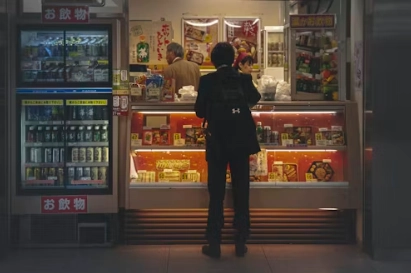
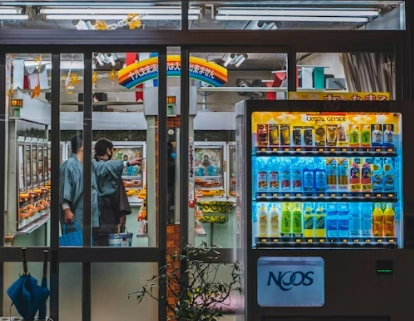
Refrigeration systems play a key role in keeping food fresh, safe, and lasting longer. This applies to items like fresh fruits and vegetables, milk products, or icy meats. Proper temperature control helps stop decay and meets rules for food safety.
In daily operations, these cooling units use a big share of a supermarket’s power. How well they work affects costs for electricity and plans for eco-friendly practices over time. Plus, where they sit and how they look shape how shoppers see goods and decide what to buy.
Today’s stores use many kinds of cooling tech suited to different foods, store setups, and ways customers interact. Fitting these systems in thoughtfully goes beyond just tech, which forms a main part of how stores plan their business.
Classification of Supermarket Refrigeration Systems
Remote setups keep the compressor and condenser away from where customers shop. Often, they go on roofs or into special rooms. Such arrangements cut down on noise and warmth in areas where people browse, and they fit well for big operations. On the other hand, self-contained models pack all parts—the compressor, condenser, and evaporator—right into the display case. These choices give easy setup options, so they work great for small shops or flexible arrangements.
Both kinds affect upkeep, power use, and sound levels in their own ways. Remote types usually save more energy, yet they need expert setup and fixes. Self-contained ones install simply, but they might call for regular checks because of the extra stress on their parts.
What factors influence choosing open vs. closed display cases?
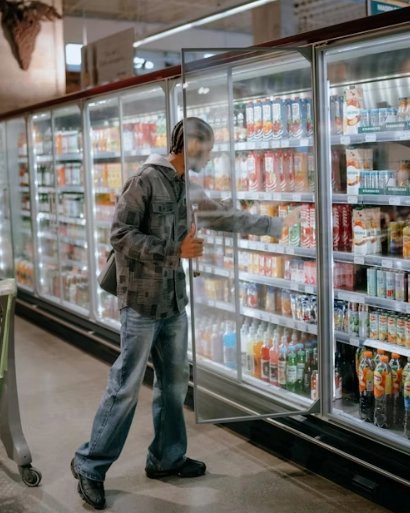
Open displays, like those with air curtains, let shoppers reach items without any walls in the way. They boost quick buys nicely, though they depend a lot on steady air flows to hold coolness inside, which brings up issues with power use. Closed types have clear glass doors that seal the cool space, and these doors limit changes in temperature and boost power savings. They cut down on escaping cold air well and suit designs that focus on lower energy needs. Picking between open and closed depends on sales plans. Stores weigh easy reach against saving power.
Common Types of Refrigeration Units Used in Supermarkets
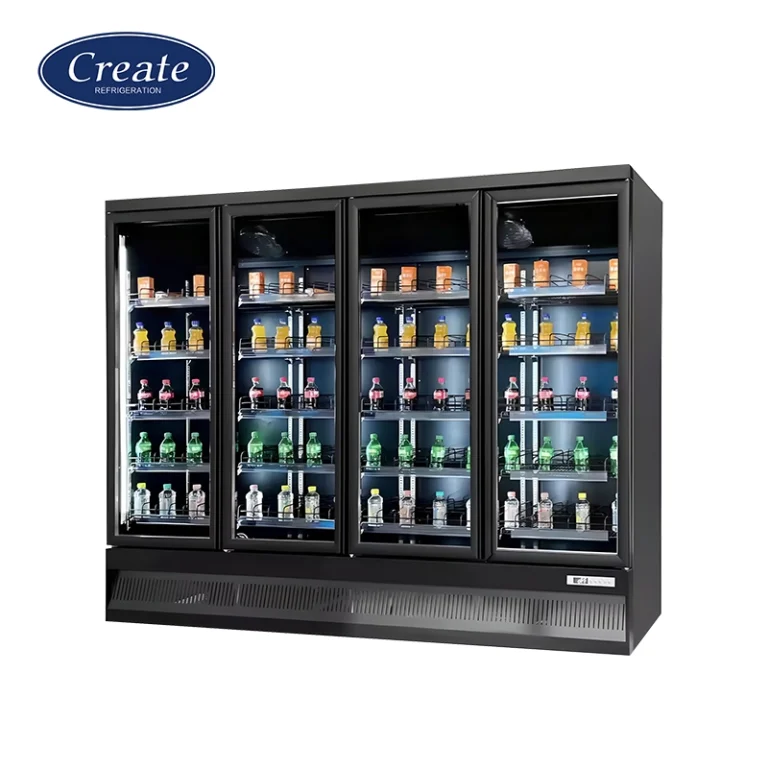
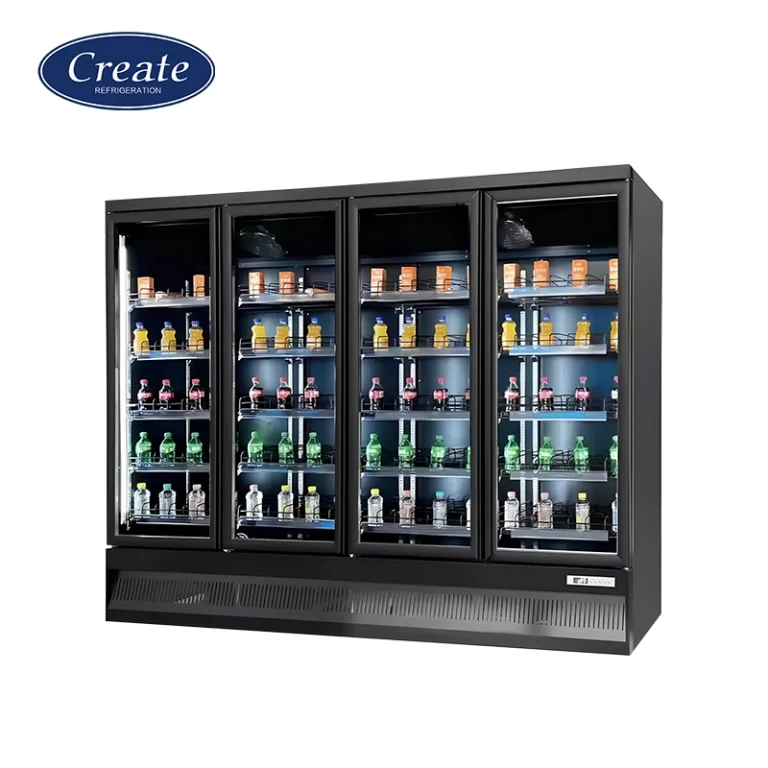
These serve drinks, milk items, frozen meats, fish, and ice cream. Glass door chillers and freezers stand as basics in store cooling because of their clear views and adaptable uses. They come in sizes from one to seven doors, standing tall with double glass that insulates and lets light through easily. For instance, the Commercial Multiple Upright Glass Door Supermarket Freezer mixes strong cooling with good looks for sales, which handles both cool and frozen items effectively.
Details such as doors that shut on their own keep the inside cool and steady. Bright LED lights highlight products, so these units suit showing off chilled and frozen goods alike.
What makes multideck open chillers effective for high-turnover items?
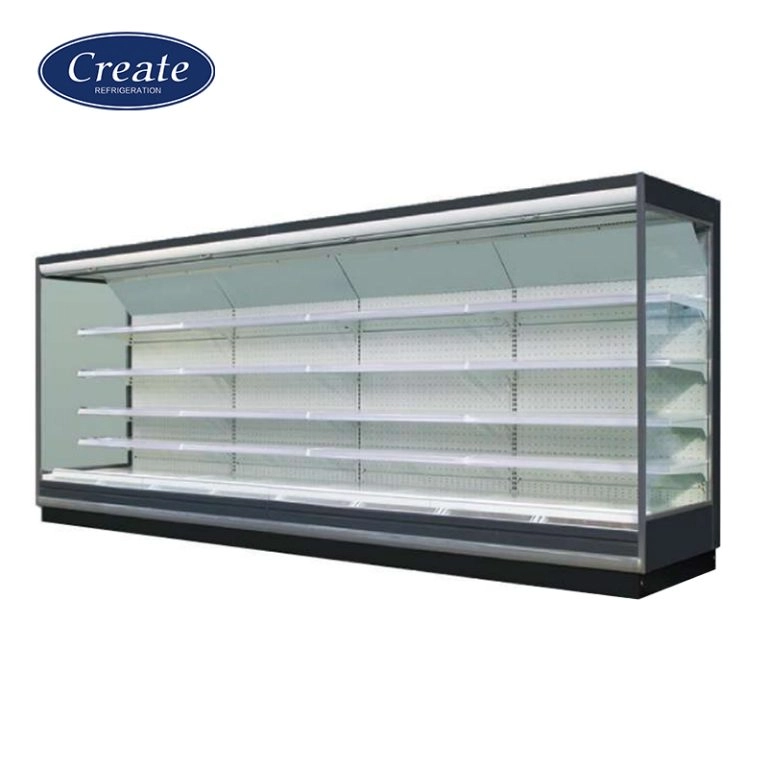
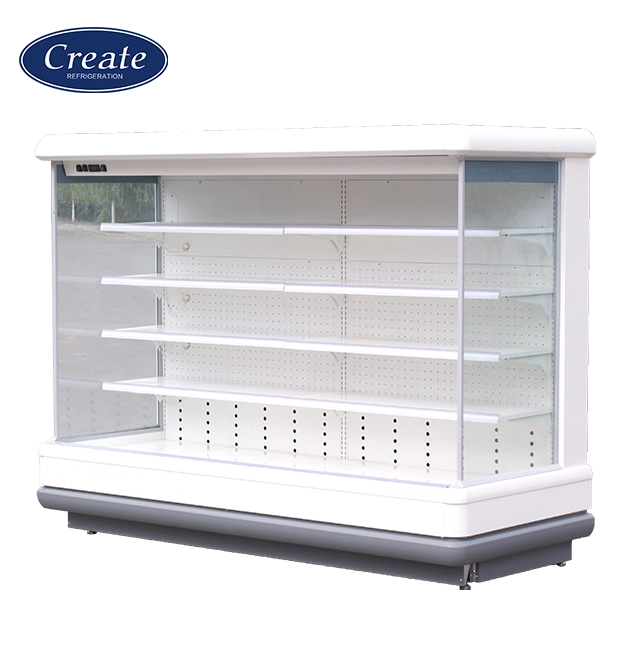
These tall cabinets with open fronts line walls around the edges or middle paths in stores. They fit fresh fruits and veggies, milk products, and foods ready to eat right away. The air curtain setup matters most for how they run. The Commercial Showcase Multideck Open Chiller uses smart air flows to keep cool inside, even without a front cover. After closing time, night covers help save power.
Why are island freezers preferred for bulk frozen foods?
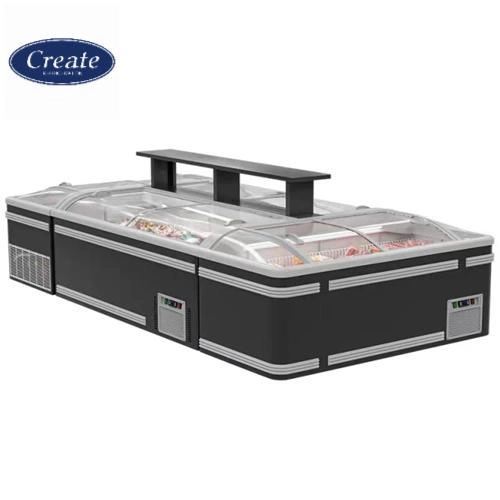
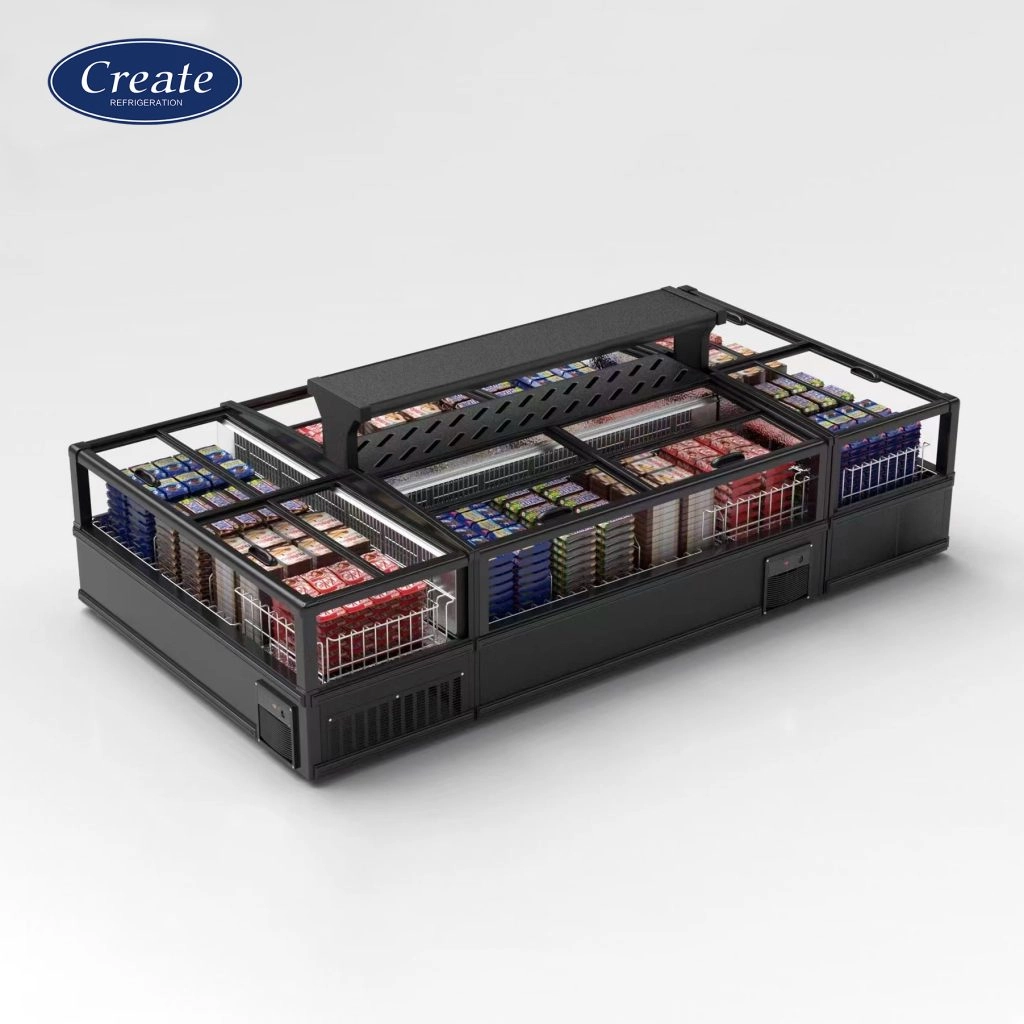
Built for reach from every angle, island freezers offer lots of space in a small area. They give full access to frozen meats, seafood, and meals packed ahead. The Supermarket Combined Island Freezer has sliding glass tops that lift for simple entry. It also has choices like tech that adjusts speed, cutting power costs by more than half. Often, these include steady cooling that uses just a quarter of the power of fan-blown island freezers.
How do deli meat showcases and pastry cabinets cater to specialty displays?
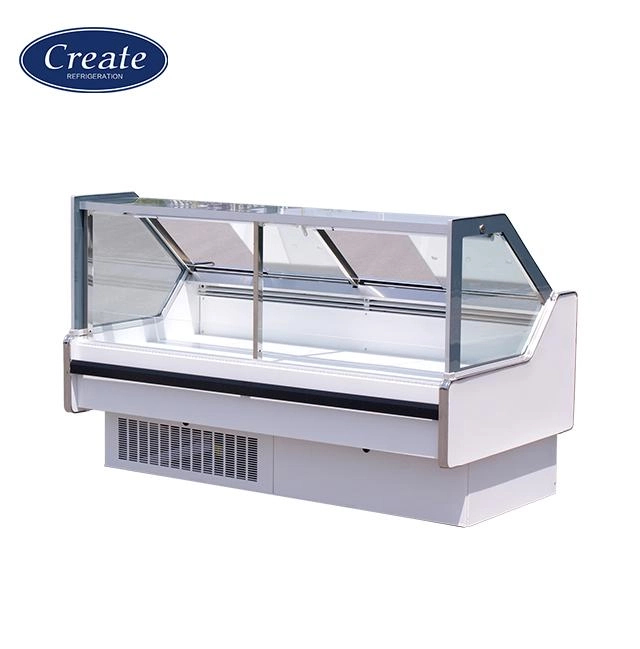
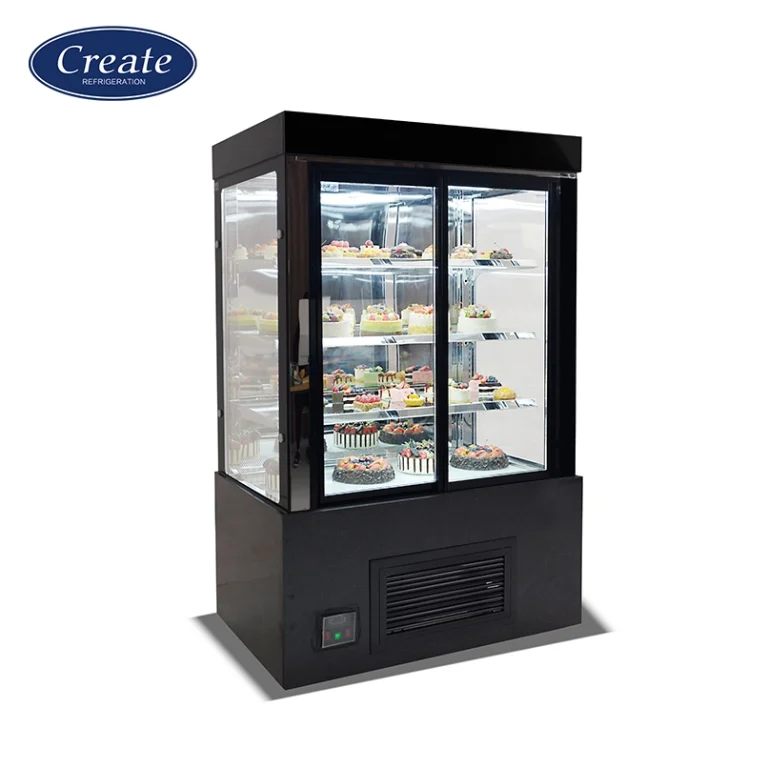
Deli showcases lay out flat for meats, cheeses, and seafood, and they hold the right wetness for those items. Their back setups aid workers in serving smoothly. Pastry cabinets manage moisture and even cooling to keep cakes, sweets, and baked treats from getting soft. Units like the Supermarket Front Open Sliding Door Square Bakery Showcase Chiller use active cooling and layers of glass for display.
How do self-service refrigerated cases optimize convenience?
Self-service cases grow in use in today’s shops. Made for quick grabs like sandwiches, salads, and bottled drinks, they speed up choices and boost sales speed. With see-through fronts and LED lights on each shelf, they make items easy to spot. This setup uses space well while keeping things clear.
Technical Considerations in System Selection
Power savings shape the full cost of running these systems over the years. Using top inverter compressors from trusted brands makes products use less power, run steadily, and cut bills by up to half in the first year. Seek out systems with ENERGY STAR® labels. They include smart valves for expansion, efficient motors, and LED lights.
How does temperature zoning improve operational efficiency?
Various foods—icy ones versus cool milk—need set temperature levels. Systems with multiple zones let stores group gear while keeping safety for food safe. Linking to main controls makes tasks easier and cuts out extra parts.
Why integrate refrigeration with building management systems?
Linking to BMS lets one spot watch many cooling units in a store or group of stores. It tracks changes in temperature, thaw times, or power jumps right away, which helps plan fixes ahead of problems.
Emerging Trends in Supermarket Refrigeration Technology
Rules cutting F-Gas use worldwide push stores toward low-impact natural options like CO₂ (R744) and propane systems with R290. Create Refrigeration focuses on using green R290 refrigerants and fresh materials that save energy in its products. These choices lower harm to the planet, and they also work better in warm settings typical of big stores.
How does IoT transform refrigeration system management?
Smart platforms gather live info from sensors. They watch door uses, how evaporators work, compressor efforts, and more. Online tools analyze this to tweak settings on the fly. Adding IoT aids in saving power, setting fixed schedules ahead, and even changing displays based on shopper paths.
Create Refrigeration: A Trusted Partner in Commercial Cooling Solutions
For more than twenty years, Create Refrigeration has led as China’s top full-service provider for cold chain setups in supermarkets. Its huge 50,000 m² factory ships to over seventy nations. The company handles everything from planning to delivery for needs like glass door cabinets, island freezers, air curtain setups, cold rooms, and beyond.
The firm boasts a skilled design group, and this team can craft 3D plans for your supermarket layout. They supply CAD sketches and vivid 3D images to fit every requirement. Factory-approved systems meet global standards such as CE/ETL/ROHS/UL.
For those wanting adaptable arrangements or custom labels, Create Refrigeration provides complete support, which includes tailored options that match specific store visions, ensuring seamless integration into operations. Their expertise extends to advising on layouts that maximize both functionality and appeal, helping businesses thrive in competitive markets. Moreover, with a commitment to quality, every unit undergoes rigorous testing to guarantee reliability and performance under varied conditions.
FAQ
Q1: What is the difference between a multideck open chiller and a glass door chiller?
A1: Multideck open chillers lack front walls for simple reach, yet they use more power; glass door chillers seal with clear doors to save energy and keep views sharp.
Q2: Which refrigeration unit is best suited for frozen foods like ice cream?
A2: Glass door freezers or island freezers serve well. They hold low temperatures steady, as needed for items such as ice cream or frozen meat.
Q3: How can supermarkets reduce the energy consumption of their refrigeration systems?
A3: Choose ENERGY STAR® certified gear, switch to natural options like CO₂ or R290, add smart tracking tools, and do steady upkeep to keep systems running at peak.