A practical guide to choosing, placing and operating LC glass door refrigerated cabinets
Introduction
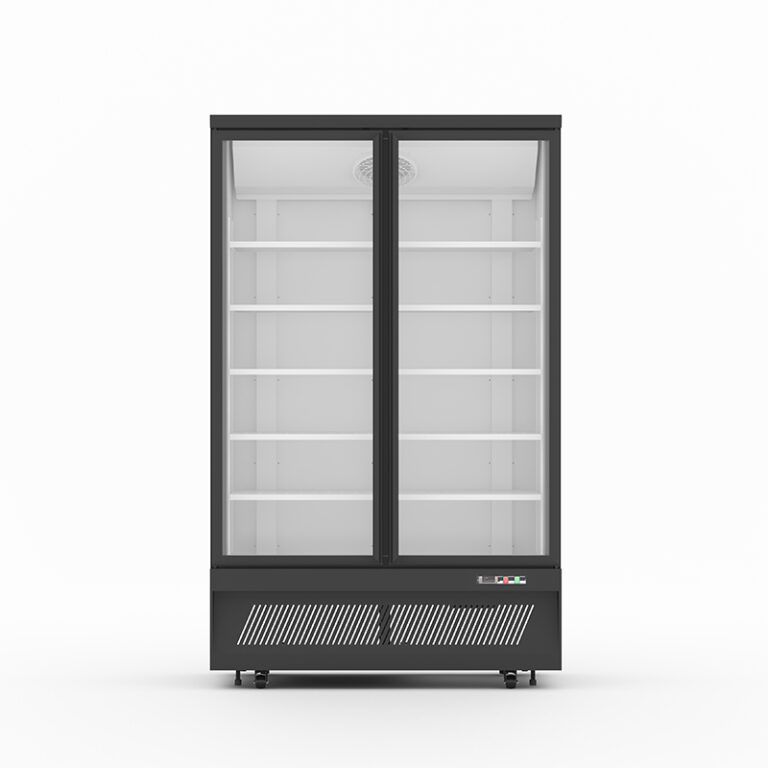
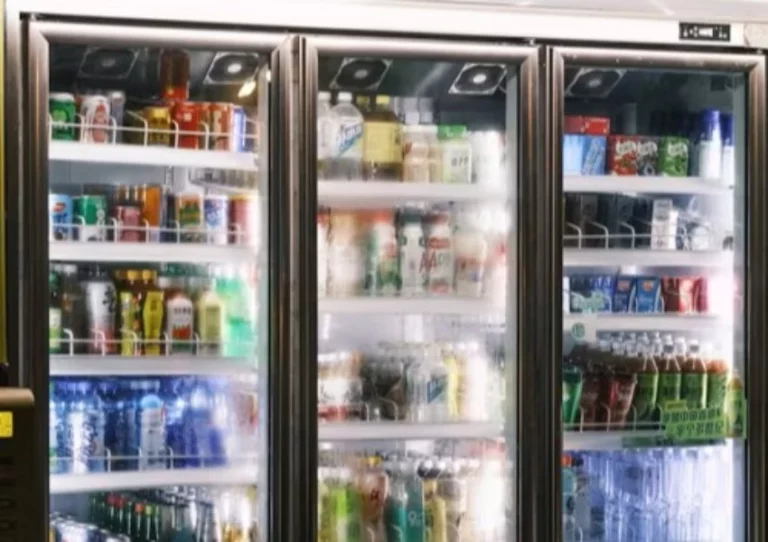
Create Refrigeration LC glass door chillers are designed to solve two problems at the same time: keeping chilled products within a stable temperature range and presenting those products clearly to shoppers. In a supermarket, convenience store or food-service area customers want to see what is available before they open a door. Staff want a cabinet that can be replenished quickly cleaned efficiently and monitored without guesswork. The right glass door chiller turns storage into a visible manageable part of the sales floor.
What Makes an LC Glass Door Chiller Different from an Ordinary Fridge
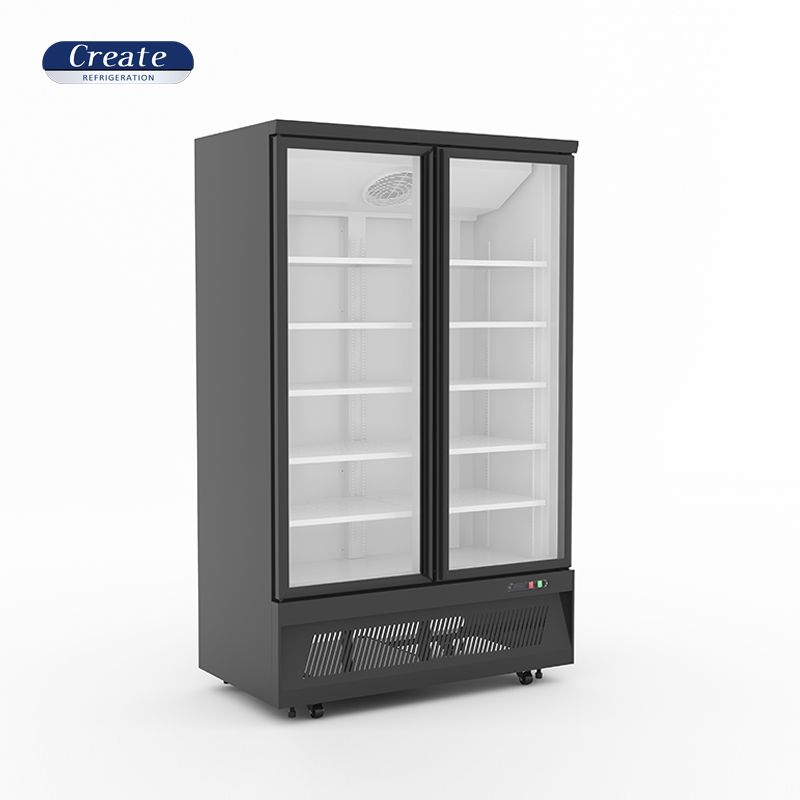
A refrigerator is built around occasional household access. An LC commercial cabinet is built for operating hours repeated door movement and a much higher product turnover. The glass doors create a barrier between the space and the store helping reduce unnecessary cold-air loss while allowing the product range to remain visible. Create Refrigeration also pays attention to shelf loading, door seals, lighting, airflow and service access because these details determine how the cabinet behaves in retail conditions.
The Main Configurations You Will Compare
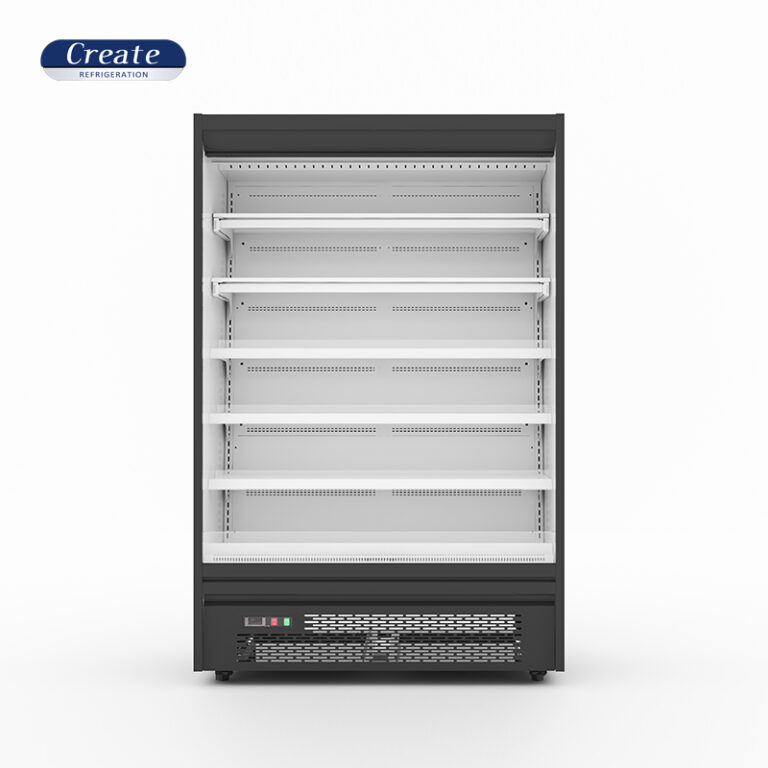
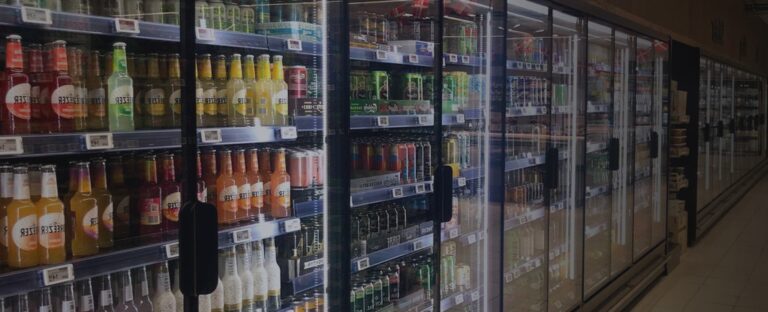
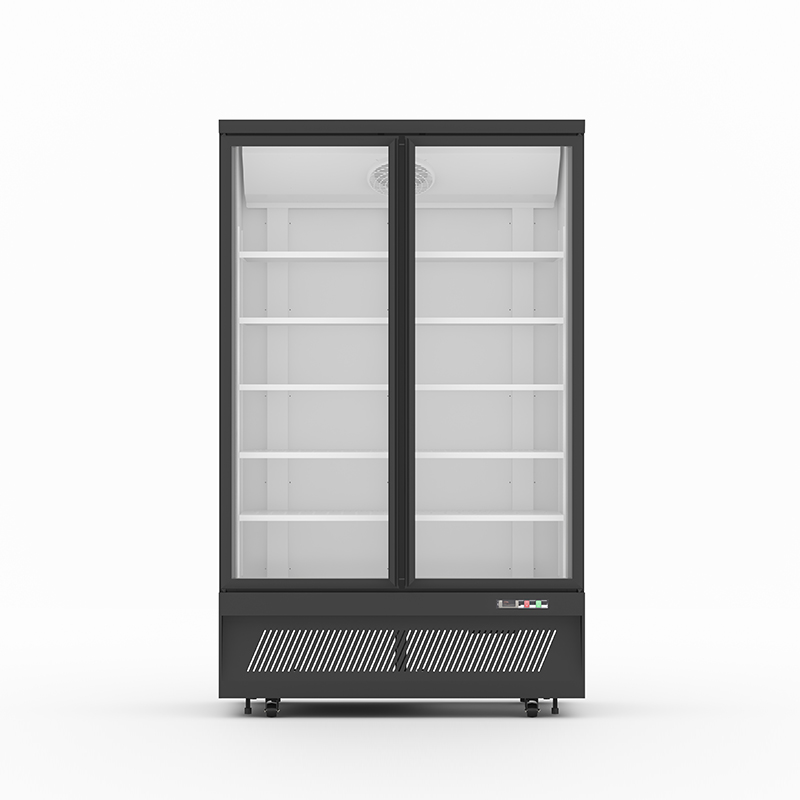
Single-door units suit aisles, small stores and focused categories such as drinks or dairy. Multi-door cabinets provide a display and can create a continuous run along a wall. Low or half-height versions work well where sightlines across the store must remain open. Some projects require refrigeration while others are better served by a self-contained system. Create Refrigeration can help match the cabinet configuration to the floor area electrical conditions and expected stock volume.
The Features Worth Paying Attention To
Door performance is central to the cabinet’s efficiency. Look for hinges, durable handles, replaceable gaskets and doors that close cleanly after every opening. Adjustable shelves should accommodate pack sizes without blocking the return-air path. LED lighting should make labels and product colors easy to read without adding heat. A clear controller, drain and protected electrical components also make routine operation less demanding.
Temperature and Airflow
An LC glass door chiller should maintain an environment across the full cabinet not just near the sensor. Air must circulate around the stock while loading should stay below the recommended line. Products pushed against the wall or placed in front of air returns can create uneven conditions. Create Refrigeration recommends checking the cabinet after delivery during peak replenishment and after repeated customer access than relying only on an empty-cabinet reading.
Glass, Lighting and Product Visibility
Clear, low-emissivity or anti-fog glass helps the display remain attractive in humid stores. Glazed doors can improve insulation while well-positioned LED strips keep the shelves readable from the aisle. The goal is not simply to make the cabinet bright. It is to help shoppers identify the product, price and pack size quickly. Create Refrigeration treats visibility as part of equipment performance because a product that cannot be seen is difficult to sell.
What Sells Best Inside One
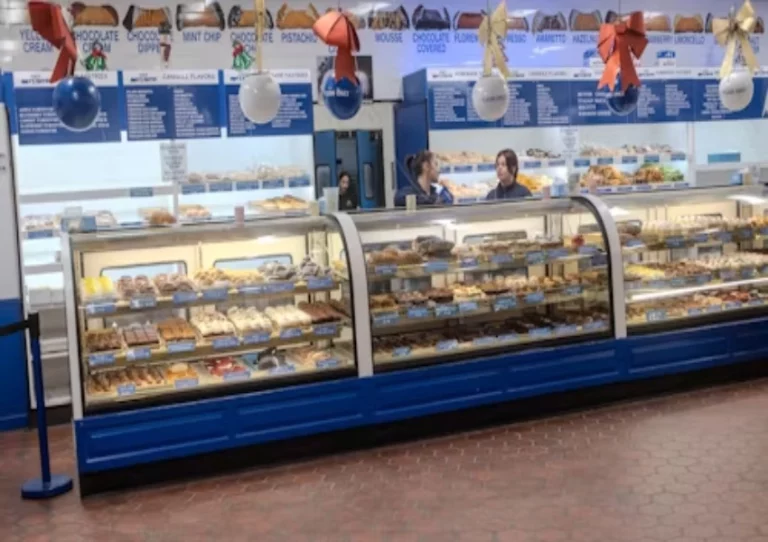
LC glass door chillers are suitable for drinks, packaged dairy, desserts, ready-to-eat meals, sauces and other chilled products that benefit from clear access and controlled exposure. Moving drinks may need wide shelves and strong door hardware. Dairy and prepared food often require attention to shelf height and temperature recovery. A mixed cabinet can work,. Categories with different handling requirements should not be combined without a clear operating plan.
Laying Out the Aisle
Place the cabinet where customers can pause without blocking replenishment routes. A drink-focused unit may perform well near a checkout or meal solution zone. A dairy run needs space for comparison and restocking. Leave service clearance. Ensure doors can open fully without hitting a display, trolley or adjacent cabinet. Create Refrigeration can use floor measurements and a simple layout drawing to confirm door swing, customer flow and service access before production.
Ordering from Create Refrigeration
Create Refrigeration develops refrigeration equipment for retail and food-service environments. An LC glass door project can be discussed around cabinet dimensions, door arrangement, shelf layout, lighting, temperature requirements, branding panels and installation conditions. The supplier should also explain commissioning, spare parts, warranty coverage and the process for requesting service. Clear drawings before production reduce surprises when the cabinet reaches the store.
Frequently Asked Questions
Should I choose sliding or hinged doors? Sliding doors can work well in aisles while hinged doors may provide a wider opening and a familiar user experience. The best choice depends on aisle width, traffic and replenishment practice.
Will glass doors increase energy use? The answer depends on the door design, insulation, seals, lighting and operating discipline. Maintained doors can reduce the cold-air exposure associated with open cases.
How often should the cabinet be cleaned? Daily surface cleaning and regular attention, to shelves door seals, drains and condenser areas help preserve hygiene and performance.
Can Create Refrigeration customize the cabinet? Custom dimensions, finishes, shelf layouts and branding details should be discussed before quotation so the design remains technically practical.
Final Thoughts
An LC glass door chiller sits between storage equipment and a sales display. It protects products gives shoppers confidence and helps staff see what needs to be replenished. Create Refrigeration believes the strongest result comes from combining cooling with clear glass, useful lighting, durable doors, sensible loading and dependable service. Choose the cabinet around the way the store sells. The equipment will do more than keep products cold.
Editing note: This article follows the requested product-guide format, with Create Refrigeration highlighted in the title, opening section and supplier section.