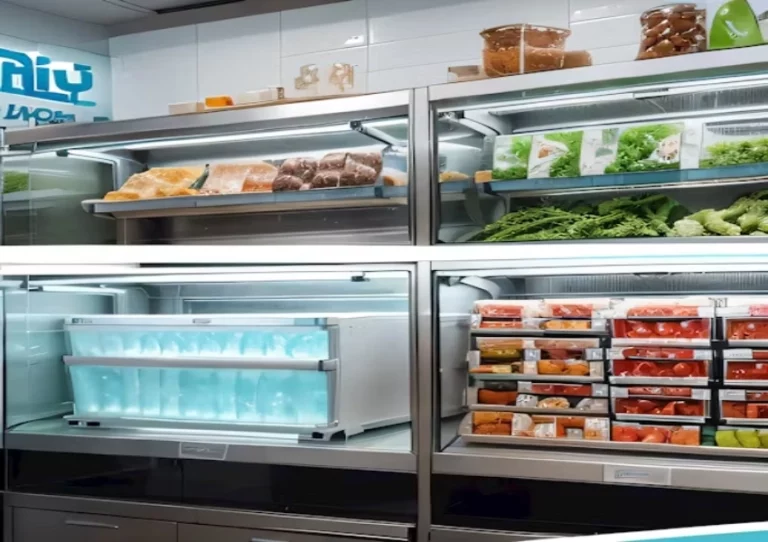
How supermarkets can use open-front refrigerated displays for speed, visibility and fresh-food turnover
Introduction
Create Refrigeration air curtain cabinets are built for the moment when a shopper wants to reach, compare and take a product without opening a door. This open access is valuable in supermarkets, convenience stores and food-service areas, but it also creates a demanding refrigeration task. The cabinet must maintain a controlled cold zone while the front remains open to the store. The result depends on the air curtain, loading practice, ambient conditions, product turnover and staff discipline.
What Makes an Air Curtain Cabinet Different from a Closed Chiller
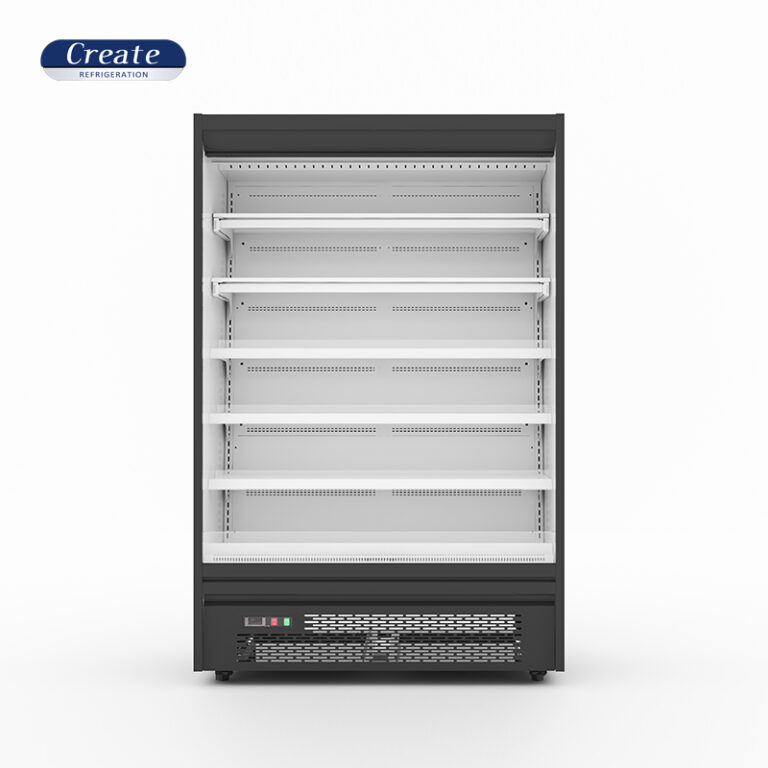
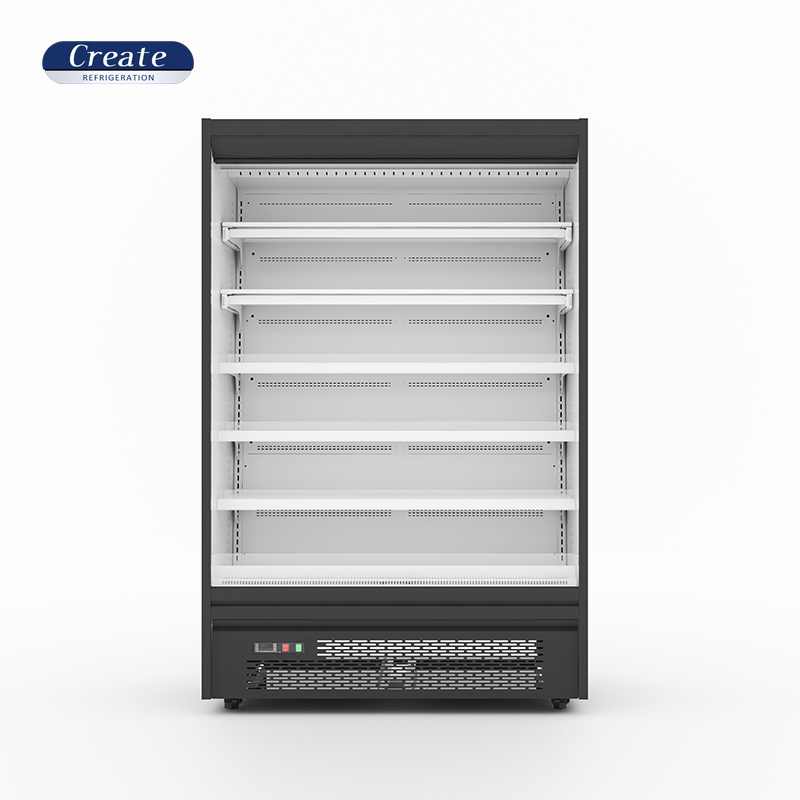
A closed cabinet uses doors to separate the refrigerated space from the shop. An air curtain cabinet uses a carefully directed stream of cold air to create an invisible barrier at the opening. That arrangement supports faster shopping and easier replenishment, but it leaves less room for poor loading or blocked returns. Create Refrigeration designs the cabinet as a working system in which airflow, shelf geometry, insulation, fans and controls must operate together.
The Main Styles You Will Choose Between
Low open-front cases are useful for fresh produce, dairy and grab-and-go food where customers need a clear view from above. Multi-deck cases provide several levels of selling space and suit larger product ranges. Narrow cases can support drinks or meal solutions in high-traffic areas. End-cap models place an open display at the end of an aisle, while longer runs create a continuous category presentation. Create Refrigeration can help select the format according to product height, turnover and available circulation space.
The Features Worth Paying Attention To
The first feature to examine is the air curtain itself. It should form evenly from top to bottom without obvious gaps or turbulence. Return-air grilles must remain accessible, and fans should be positioned for stable circulation rather than simply maximum force. Adjustable shelves, front guards and clear loading marks help staff maintain the designed air path. LED lighting, a readable controller and easy-clean surfaces add value during daily operation.
Loading Height and Airflow
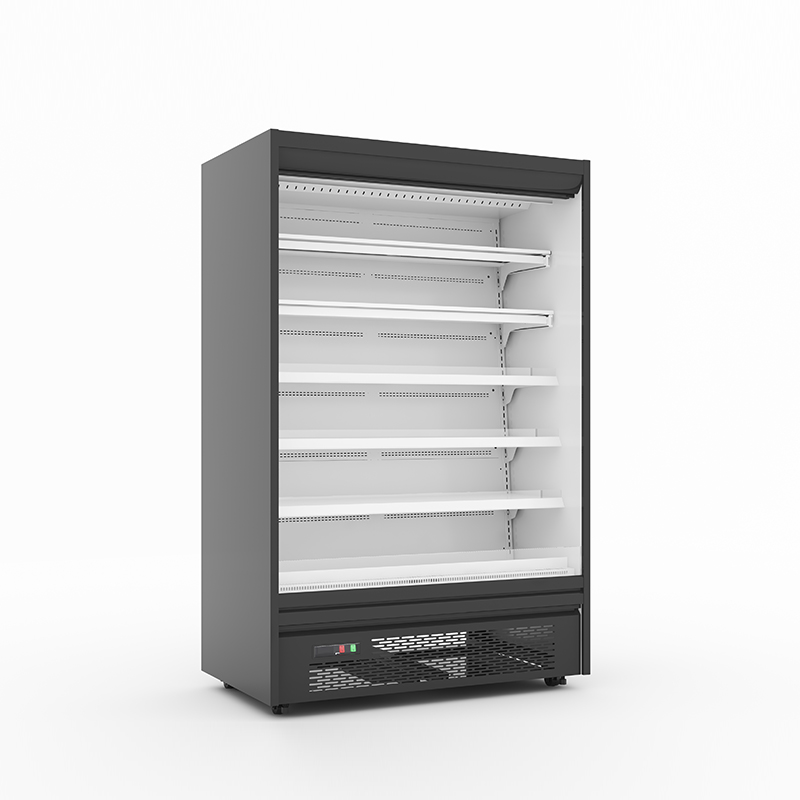
An air curtain refrigerator cannot compensate for cartons stacked above the recommended line or products placed directly across the return air. Warm goods should not be loaded in large quantities during the busiest trading period. Staff should replenish in manageable batches and keep the front edge orderly. Create Refrigeration recommends using a simple loading guide on the cabinet so that the standard remains visible even when the store is busy.
Ambient Conditions Matter
Open-front equipment is affected by nearby doors, ceiling fans, heating outlets, sunlight and strong cross-drafts. A cabinet that performs well in a quiet test room may behave differently beside a frequently opened entrance. Humidity can also increase condensation and frost risk. Create Refrigeration considers the store environment during layout and commissioning because air curtain performance is a relationship between the cabinet and its surroundings.
What Sells Best Inside One
Air curtain cabinets are often used for milk, yogurt, packaged drinks, fresh produce, sandwiches, prepared meals and other fast-moving goods. Fruit and vegetables benefit from easy access, but staff must rotate stock and remove damaged items quickly. Ready-to-eat foods require clear date control and hygienic handling. Products with very different temperature or humidity needs should be separated rather than forced into one open display.
Laying Out the Sales Floor
The open front should face the normal direction of customer movement so shoppers can understand the offer immediately. Leave enough space for people to stop and reach without creating a bottleneck. Keep the back of the cabinet accessible for replenishment and service. Avoid placing it directly in a strong draft. Create Refrigeration can review the aisle width, power location, service clearance and product flow before recommending a cabinet length.
Ordering from Create Refrigeration
Create Refrigeration supplies refrigerated display solutions for supermarkets, food retailers and other commercial settings. An air curtain project can be planned around deck height, shelf number, case length, temperature range, lighting, end panels and the site’s ambient conditions. The order discussion should also cover installation, commissioning, cleaning access, spare parts and the response process if the cabinet develops a temperature alarm.
Frequently Asked Questions
Will an open cabinet use more energy than a closed cabinet? It can, because the front is open. Good airflow design, correct loading and suitable placement help control the difference.
Can I place any fresh food in an air curtain cabinet? No. The product category, turnover and required temperature should be checked before use.
Why does the cabinet feel warmer near the top? Loading above the line, blocked returns or a cross-draft can disturb the air curtain. The cabinet should be inspected before changing the temperature setting.
How should the cabinet be cleaned? Remove stock according to the store procedure, clean shelves and drains, and keep the air path free of packaging and debris.
Final Thoughts
An air curtain cabinet earns its place by reducing friction between the product and the shopper. It creates a broad, accessible display, but it rewards stores that respect airflow and loading discipline. Create Refrigeration believes that open-front refrigeration works best when cabinet design, store layout and staff routine are planned together. When those elements align, speed and product protection can coexist.
Editing note: This article follows the requested product-guide format, with Create Refrigeration highlighted in the title, opening section and supplier section.