
A refrigerant leak is rarely announced at a convenient time. A store may notice an oily fitting, a rising case temperature, a compressor running longer than usual, or an unfamiliar smell in a plant area. In many cases, the first signal is less obvious: a freezer starts struggling during a busy weekend, and a maintenance visit finds a small loss that has been present for days. That is why supermarket refrigerant leak detection needs a plan, not a single device purchase.
The real comparison is not fixed sensors versus people. It is about where each method sees the risk, how quickly it produces a useful response, and what the store can afford to maintain. A fixed commercial refrigeration leak sensor can provide continuous watch in a defined zone. Manual inspections bring judgment, visual checks, and the ability to follow a pipe run or cabinet condition. Strong programs use both, but not in the same way at every location.
What Each Method Can Actually See
Fixed detection works best where a leak could develop between scheduled visits or where a small release would create a high consequence. Manual work is better at identifying loose panels, corrosion, vibration marks, rubbed insulation, dirty condensers, damaged valves, and maintenance issues that no sensor is designed to diagnose. A buyer should begin with equipment maps and risk zones rather than asking which option is universally better.
Fixed Sensors Watch One Defined Space
A fixed sensor is installed for a reason. It may cover a machinery room, rack enclosure, compressor compartment, refrigerated warehouse, or a location near equipment with a known service history. Its advantage is time coverage. If the detection range, sensor placement, alarm threshold, ventilation response, and maintenance interval are appropriate, it can flag conditions that a monthly walk-through would miss.
Manual Inspection Follows The Equipment
Manual inspection is mobile. A qualified technician can listen for abnormal operation, inspect flare joints and brazed connections, check access panels, look for oil traces, and decide whether a second test is needed. That makes it valuable on long pipe runs, mixed equipment rooms, and older stores where the layout has changed. The weak point is the gap between visits. A checklist cannot observe a store at night, after a power event, or during a sudden traffic surge.
Coverage Gaps Are A Store Design Problem
A sensor placed near the ceiling may not represent a low-level equipment compartment. A detector in a clean plant room may say little about a self-contained beverage cabinet on the sales floor. Conversely, asking technicians to inspect every plug-in case on every visit can consume budget without improving the highest-risk areas. Refrigerant leak monitoring needs zones, not a blanket rule.
Separate Central Plant And Sales-Floor Risks
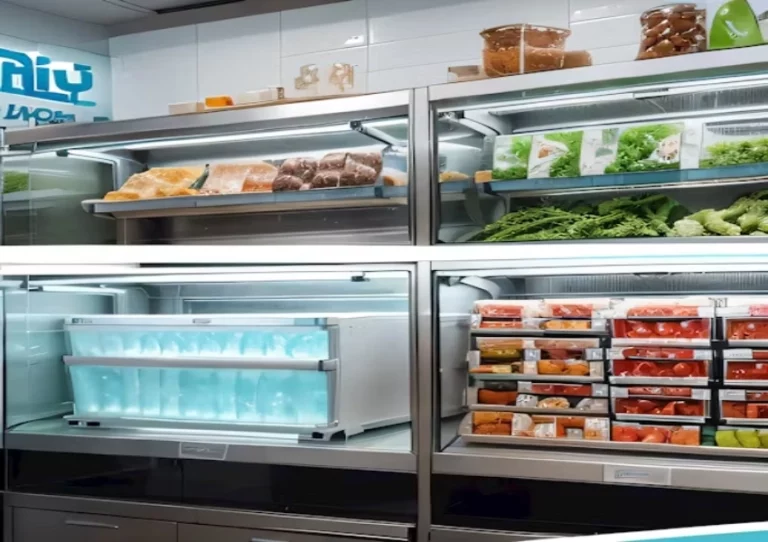
For remote systems, the machine room, rack area, valve stations, and long field piping deserve a different plan from glass door cases and small plug-in merchandisers. A fixed system can have a sensible role in a controlled machinery space. Sales-floor equipment may depend more on service-access checks, cleaning, condenser airflow, and a prompt response when performance changes. The buyer should ask the supplier to identify what is factory-contained and what is installed on site.
Use Cabinet Symptoms As A Trigger
Case performance is not proof of a leak, but it is useful evidence. Longer recovery, weak pull-down after restocking, unusual frost, repeated high-temperature alarms, or a compressor that runs far more than usual should open a maintenance ticket. Staff do not need to diagnose refrigerant faults. They need clear escalation steps, cabinet identifiers, and a way to record what changed before a technician arrives.
Response Time Matters More Than Alarm Count
An alarm that nobody owns is noise. A fixed system should identify the area, time, severity, and contact path. Manual inspections need a record of what was checked, what was found, and whether a repair test closed the job. The right response pattern is short enough for a store manager to use, yet detailed enough for a contractor to avoid repeating the same visit.
Avoid False Confidence From A Dashboard
Every sensor needs inspection, calibration, or replacement according to its manufacturer’s instructions, plus a documented functional check. Dust, water, poor location, a dead communication link, and an unsuitable sensing range can undermine a good purchase. Before approving a system, buyers should ask who checks the detector, who receives the alarm, whether the store can see a fault condition, and how alarm records are retained.
Manual Work Needs A Repeatable Route
A technician should not arrive with only a general instruction to inspect refrigeration. The route should name equipment groups, accessible fittings, likely vibration points, recent repairs, cabinet complaints, and any fixed-sensor events since the previous visit. That makes supermarket refrigeration maintenance more comparable from one contractor visit to the next, and it helps a buyer see whether the spend is preventing faults or merely documenting them.
Budget The Program Around Risk, Not Gadget Count
A smaller supermarket may start with stronger preventive maintenance and a few targeted detection points. A larger store with remote systems, multiple equipment rooms, or a history of incidents may justify broader fixed coverage and centralized records. The decision should account for refrigerant type, equipment density, local safety rules, store hours, service response time, food-loss exposure, and the cost of false alarms. It should also account for the practical cost of keeping sensors healthy after installation.
How Equipment Choice Affects The Maintenance Plan
The equipment format changes the inspection route. A glass-door cabinet has door gaskets, hinges, condenser airflow, internal fans, drain paths, and product loading to check. An open display line adds air-curtain discipline and shelf loading. A remote system adds field connections and plant-room components. Keeping those differences visible in the asset list gives both fixed detection and manual work a clearer role.
Glass Door Displays Need Clear Asset Names
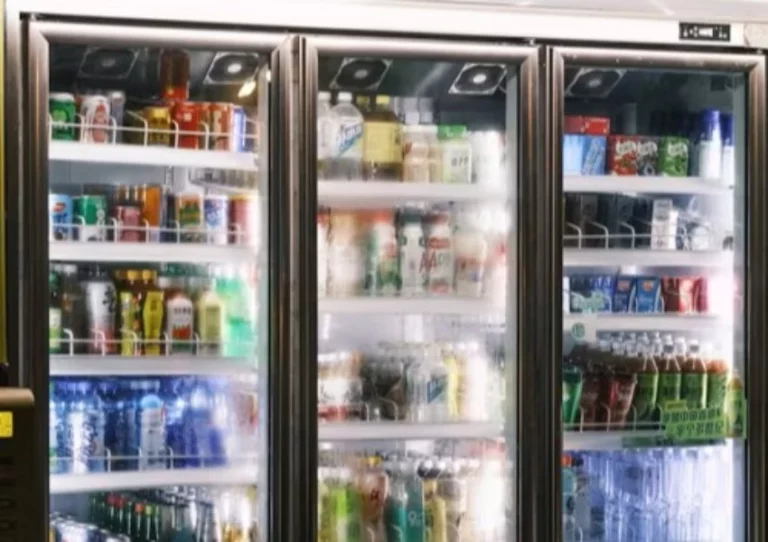
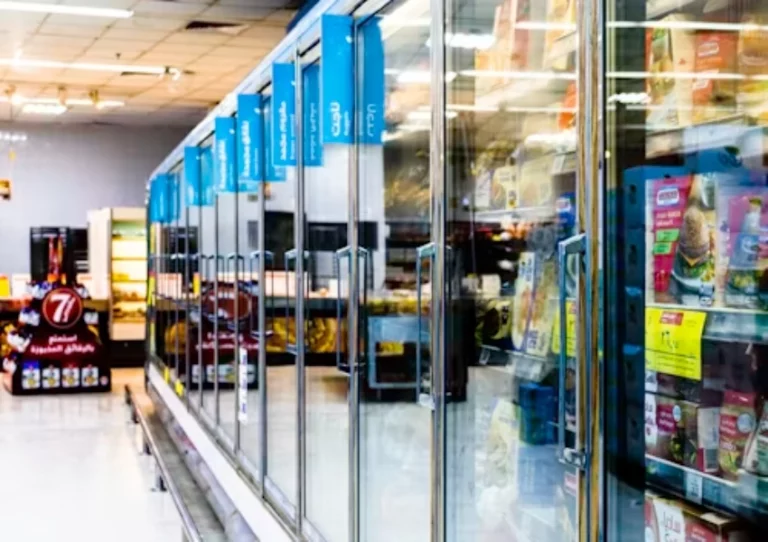
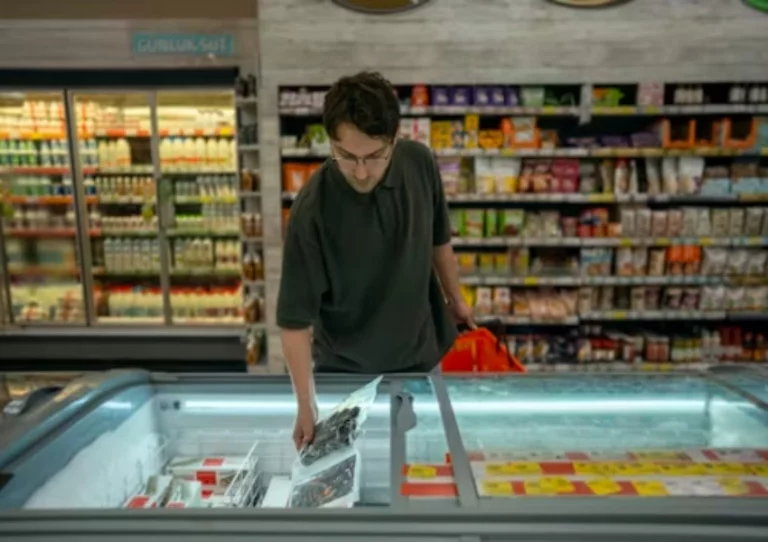
Create Refrigeration has a commercial glass door freezer with a glass-door display cabinet for retail use. It also has self-closing doors, double-layer insulating glass, high-quality air ducts, efficient heat exchangers, thick insulation, air-cooled circulation, door-frame LED lighting, and 360-degree cold-air distribution for glass-door coolers and freezers. These cabinets are presented for supermarkets, hypermarkets, convenience stores, and mini shops. The same product notes identify corrosion-resistant spraying, a transparent high-hardness insulating glass construction, and reduced food-dry consumption from the air-duct design. Those cabinet features do not replace leak detection, but they give a maintenance record useful checkpoints beyond temperature alone.
Open Displays Need Airflow Checks
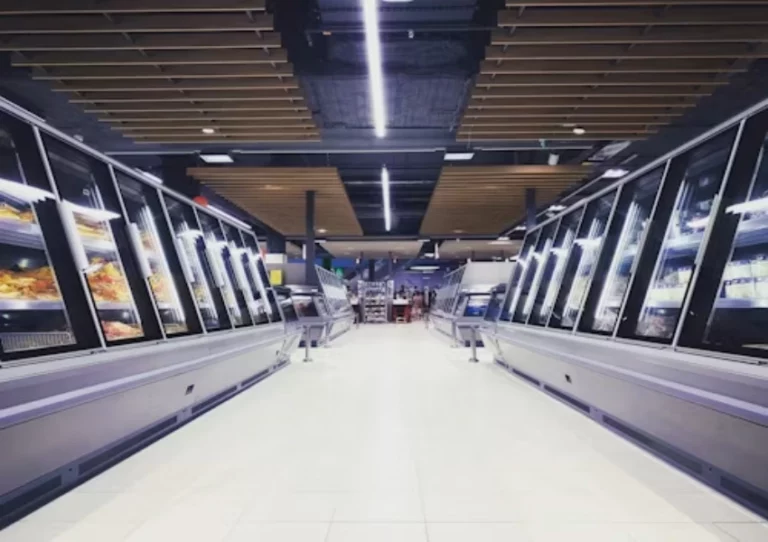
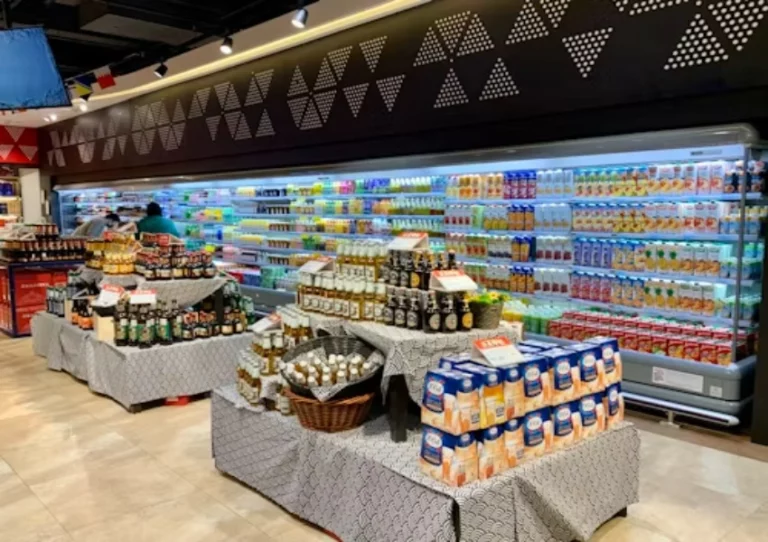
The multideck open chiller category is built around open display and air-curtain operation. Adjustable shelves, rear-board air outlets, night curtains, and double-layer air-curtain design in this format. When a case performs poorly, staff should check blocked intakes, loading depth, and night-curtain use before calling every fault a refrigerant leak. That distinction saves time and gives technicians better evidence.
Beverage Cases Add Door-Traffic Evidence
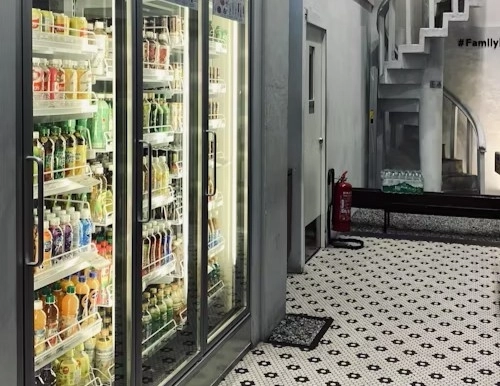
A 4-door commercial upright showcase is likely to see frequent opening and restocking. In that environment, an asset record should connect maintenance observations with door condition, cleaning, loading, and repeated temperature events. The supplier’s product scope includes commercial supermarket refrigeration, shelves, stainless equipment, western kitchen equipment, and cold-storage projects, so a project buyer can also align cabinet locations with a broader store equipment map.
For later specification work, Create Refrigeration records CAD drawings and 3D supermarket layouts, along with OEM/ODM support for conventional, modified, and customized products. The same source lists 110V/60Hz, 220V/50Hz, and 220V/60Hz options, a one-year warranty, strict factory inspection, and spare-parts support for some bulk orders. A buyer can use that information to ask where access panels, electrical supply, refrigeration equipment, and service clearances sit before the store opens. Continue reading our other guide.
FAQ
Q1: Are fixed leak sensors better than manual inspections?
A1: Neither replaces the other. Fixed sensors provide continuous coverage in selected zones, while manual inspections find physical conditions and follow the equipment route.
Q2: Where should a commercial refrigeration leak sensor be installed?
A2: Choose the location from the refrigerant, equipment type, room layout, ventilation, service history, and local safety requirements. The sensor manufacturer and qualified installer should confirm the final placement.
Q3: Does GreenChill refrigeration mean a supermarket is certified?
A3: No. GreenChill is an EPA voluntary program. It can inform leak-reduction practices, but it is not a substitute for the store’s own equipment, service, and regulatory obligations.