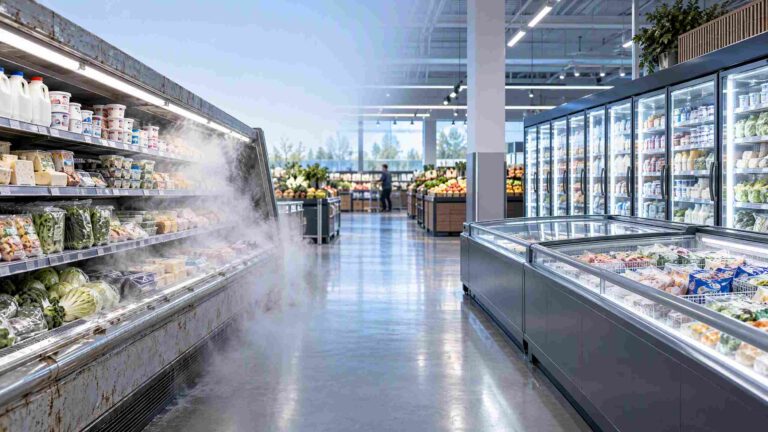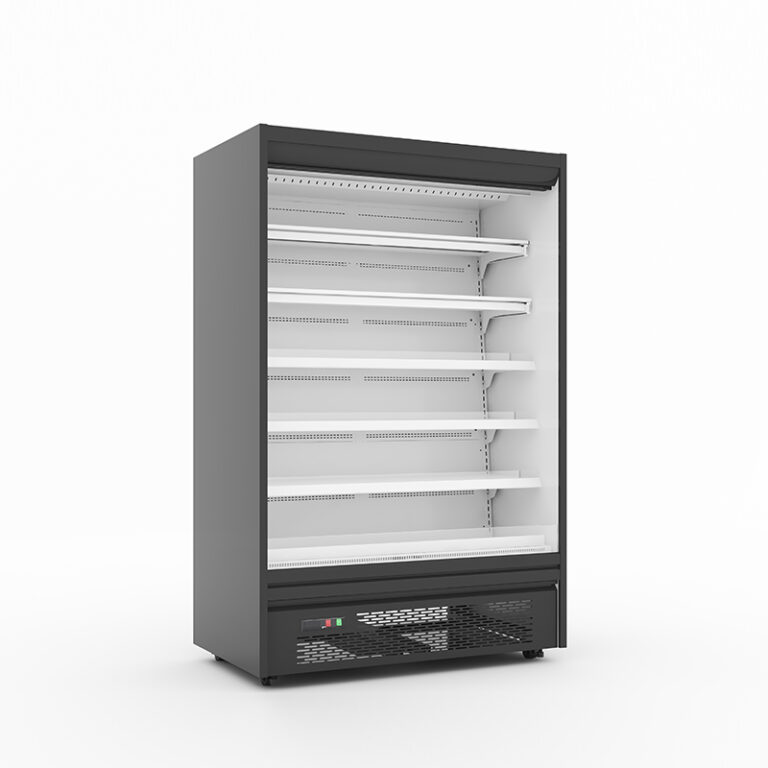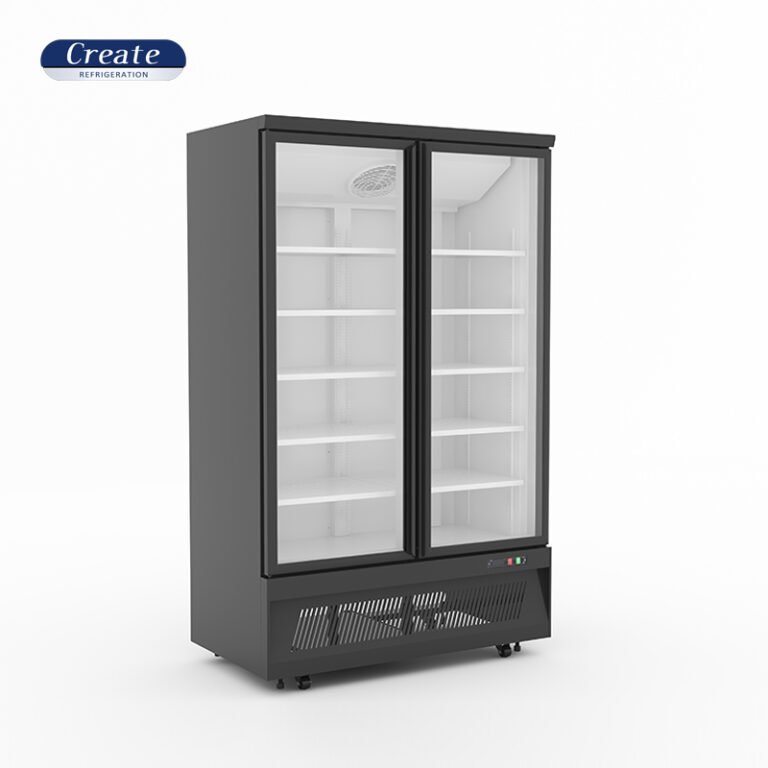

A clean glass door sells the product before anyone touches the handle. A foggy one does the opposite. Shoppers see blur, staff keep wiping the same panels, and the freezer begins to look tired even when the food inside is fine. For a supermarket chain, convenience store buyer, or distributor, commercial freezer door condensation can point to a mismatch between cabinet design, store humidity, door traffic, and the way the unit was specified at purchase.
The hard part is that condensation has several causes at once. One store may have warm coastal air and frequent door opening. Another may have poor air-conditioning near a frozen food aisle. A third may use a cabinet with weak door seals or glass that was not built for humid conditions. Good buying decisions start by separating those causes before the order is placed.
Why Does Commercial Freezer Door Condensation Start?
Condensation forms when moist air reaches a surface that is cold enough for water vapor to turn into liquid. On a freezer or refrigerator glass door, that surface can be the outside glass, the door frame, the gasket area, or the metal around the opening. The colder the cabinet and the wetter the store air, the easier it becomes for droplets or fog to appear.
Humidity Meets a Cold Surface
In a dry, well-conditioned store, a glass door may stay clear with a standard door structure. In a tropical store, a coastal supermarket, or a shop with open entrances, the same cabinet can behave very differently. Refrigerator glass door sweating usually becomes worse when indoor humidity rises, air-conditioning is weak, or the cabinet sits near a doorway, cooking zone, produce misting area, or loading entrance.
A buyer should not judge a sample only in a quiet showroom. Ask where the cabinet will work: ambient temperature, humidity, door opening frequency, product loading, and cleaning routine. A glass-door freezer for humid climates needs a stronger discussion around insulated glass, frame heating, gasket quality, airflow, and defrost because the room itself is part of the refrigeration system.
Door Traffic Changes the Load
Freezer door fogging often increases during rush hours. Every opening brings warm, moist air toward the cold interior. If the door closes slowly, the gasket does not sit flat, or staff overfill shelves near the air path, the cabinet needs longer to recover. That recovery period can leave the inner glass, frame, and gasket area colder than usual while moisture keeps arriving from the store air.
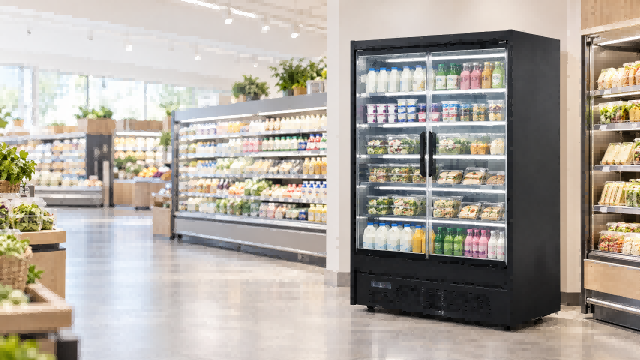
This is why self-closing doors matter. Create Refrigeration’s glass-door freezer and cooler has self-closing glass doors used to help hold inner temperature and save cold power. For a high-traffic beverage, ice cream, or frozen food zone, the door must shut cleanly again and again.
Check Door Design Before Blaming the Store
Many buyers first ask for a cheaper heater or stronger compressor. Sometimes the real issue is simpler: the door package is not right for the climate or the use pattern. Door glass, frame design, gasket contact, lighting heat, and heater placement should be reviewed together.
Glass Package and Door Seal
For glass-door units, look at the glass layers and coating before asking about price. Create Refrigeration has double-layer insulating glass for glass-door freezer and cooler cabinets, with transparent, high-hardness construction. Some freezer combinations use imported LOW-E double-layer glass doors with electric heating. A buyer comparing a commercial glass–door freezer should ask whether the quoted door package matches the store climate, target temperature, and product category.
The gasket deserves the same attention. A damaged or loose door seal lets warm moist air enter around the edge, and condensation often appears there first. During sample approval, check whether the gasket sits evenly, whether the door rebounds open, and whether replacement gaskets and door parts can be supplied after delivery.
Heater and Defogging Details
An anti-sweat heater adds gentle heat around the glass or frame area so moisture is less likely to settle. It is useful, but it should not be treated as a repair for every poor specification. If the heater is too weak for a humid market, fog remains. If it runs harder than needed, energy use rises.
Electronic heating glass doors work to defog, and the combination freezer range includes electric heating on LOW-E double-layer glass doors. When reviewing a commercial glass door refrigerator, ask where the heating sits, whether it covers the glass, frame, or both, and how it is controlled in normal store operation.
Match the Cabinet to Climate and Merchandising
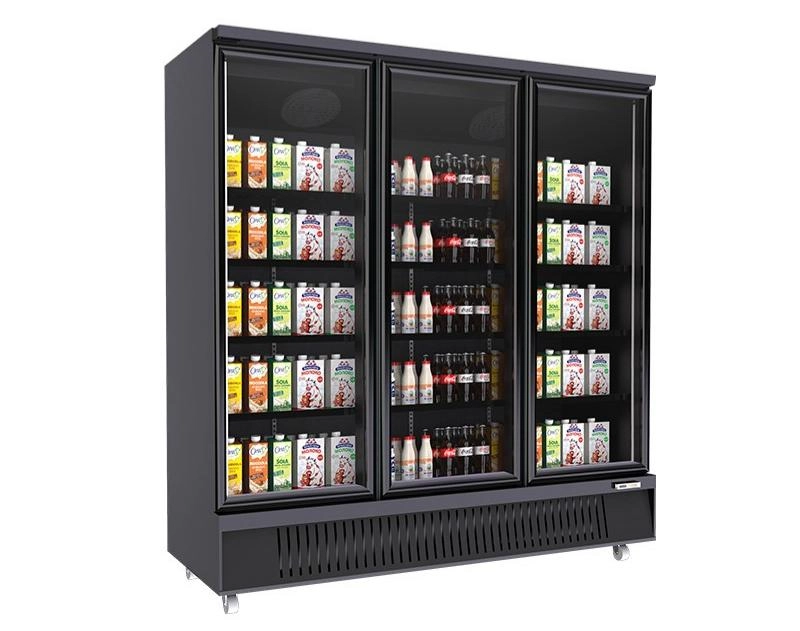
A frozen seafood island, a beverage cooler, and a convenience store upright freezer do not face the same moisture pattern. Buyers should match the cabinet type to the selling zone, not just to the product name on a quotation.
Frozen Food, Beverage, and Convenience Store Layouts
Frozen food areas need stable low temperatures, reliable defrosting, and glass that stays clear long enough for shoppers to choose quickly. Beverage coolers need high door traffic tolerance and bright displays. Convenience stores need compact footprints, fast restocking, and doors that can survive many short openings.
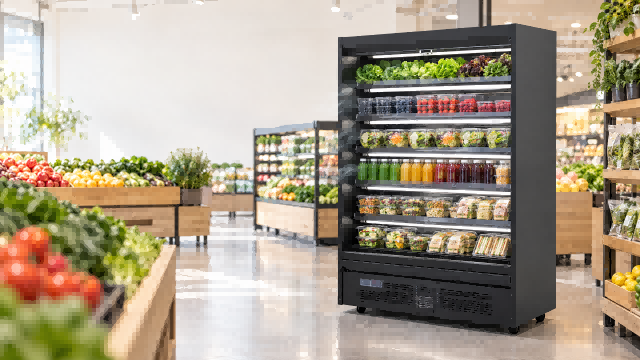
For mixed convenience store layouts, the glass–door freezer and cooler category can help buyers compare upright display options before narrowing the model list. Where frozen goods need open shopper access, an island freezer may reduce repeated door opening, though top glass and sliding covers still need proper defrost and cleaning checks.
Airflow also matters. Stable air-curtain systems, efficient refrigeration systems, environmental foaming materials, and thick insulation layers across its commercial refrigeration lines. These details do not replace anti-sweat design, but they help keep cabinet temperature more stable, which reduces the stress placed on glass, gaskets, and heaters.
Questions Buyers Should Ask Before Production
Condensation prevention belongs in the RFQ. If it appears only after the goods arrive, the buyer may have few practical options besides wiping, changing store airflow, or paying for parts. The better route is to ask model-level questions early.
Sample Review Questions
Ask the supplier to confirm the door glass type, number of glass layers, LOW-E coating if used, heater position, heater control method, gasket material, door closing behavior, and spare door parts. Ask whether the same door package will be used in mass production. If the sample comes with one glass structure and the bulk order uses another, commercial freezer door condensation risk changes.
Also ask for cabinet operating notes: ambient condition range, defrost method, controller type, refrigerant, voltage, plug, loading line, and cleaning limits around the door frame. Create Refrigeration’s product for some upright units that have automatic defrost, LED lighting, refrigerant options such as R404A, R290, and R448A, plus thermostats, compressors, evaporators, and fan systems.
How Create Refrigeration Fits a Humid-Climate Order
Create Refrigeration is located in Xingfu Industrial Park, Binzhou City, Shandong Province, and supplies commercial supermarket equipment, stainless steel equipment, western kitchen equipment, supermarket shelves, and cold storage projects. The company also supports CAD drawings and 3D supermarket layout work when buyers provide store plans.
Product and Project Support
For store chains or contractors, the value is in combining product fit with project support. Create Refrigeration accepts OEM/ODM work, customer logos, customized product requests, and MOQ from one piece, one set, or one unit. It also has one-year warranty terms, DDP service when a delivery address is available, and free spare parts for some bulk orders. That mix makes Create Refrigeration relevant when a buyer needs glass-door cabinets, store layout help, and repeat orders under one supplier conversation.
The final rule is simple: do not buy only by cabinet size. Buy by climate, door traffic, glass structure, heater design, defrost behavior, and supplier repeatability. A glass-door freezer for humid climates should be specified before production, not explained after a wet store opens. For more detail, see our guide on this article.
FAQ
Q1: What causes refrigerator glass door sweating in supermarkets?
A1: Warm humid store air touches cold glass, frames, or gaskets. Weak door seals, frequent opening, poor air-conditioning, wrong glass structure, and weak anti-sweat heating can all make it worse.
Q2: Is an anti-sweat heater always needed on a commercial glass–door freezer?
A2: Not always. Dry stores may run well with standard insulated glass. Humid markets, freezer doors, and high-traffic aisles usually need a closer review of heater design, door seal, and controls.
Q3: How can buyers reduce freezer door fogging before shipment?
A3: Confirm the exact glass package, LOW-E coating, heater position, defrost method, door closing behavior, gasket quality, spare parts, and ambient condition range for the ordered model.