Before the invention of mechanical refrigeration, early civilizations depended on nature to prolong the freshness of their food. They employed basic cooling from snow, ice, and chilly water to delay decay. People dug ice pits and built underground rooms to keep temperatures low, which worked well in areas with clear seasonal changes. These simple but smart setups showed a strong sense of weather patterns. Farmers planned harvests for cooler times to use natural ways to store food.
In today’s refrigeration tech, those ideas of shielding and managing heat endure. Yet now, skilled engineers apply them with great accuracy. As a firm strong in green refrigeration advances, we at Create Refrigeration draw from old practices. We craft power-saving gear that mixes strong cooling with kind-to-earth stuff. We stress safe, thrifty, and planet-friendly ways of making commercial refrigerators. We pledge to green tech to boost the worth of Create Refrigeration’s products. Our commercial refrigerators, like air-curtain display fridges and island freezers, hold steady internal temps. They match the evenness that old underground cellars once gave.
Chemical and Biological Preservation Techniques
Besides cooling from the surroundings, folks used chemical and living methods too. Salting, fermenting, drying, and smoking helped a lot. These paired nicely with natural chill to stop germs from growing. They kept food good in hot places. Mixing cooling with chemical ways marked humans’ first full plan for saving food, which wedded nature’s gifts with clever human tricks.
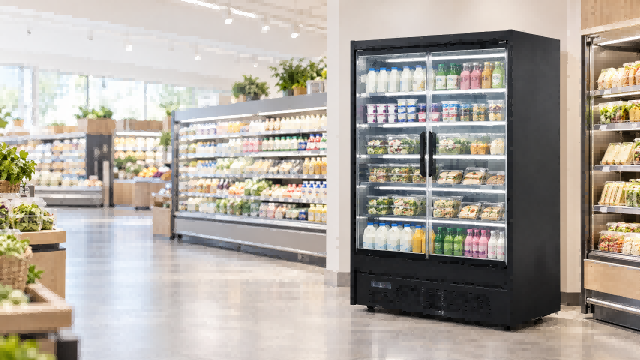
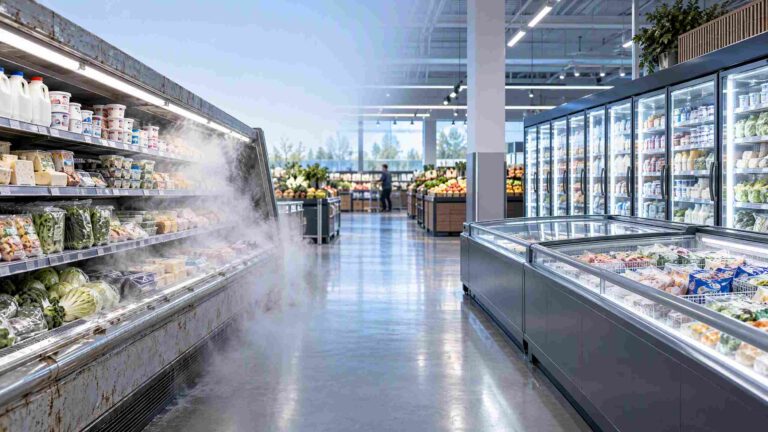
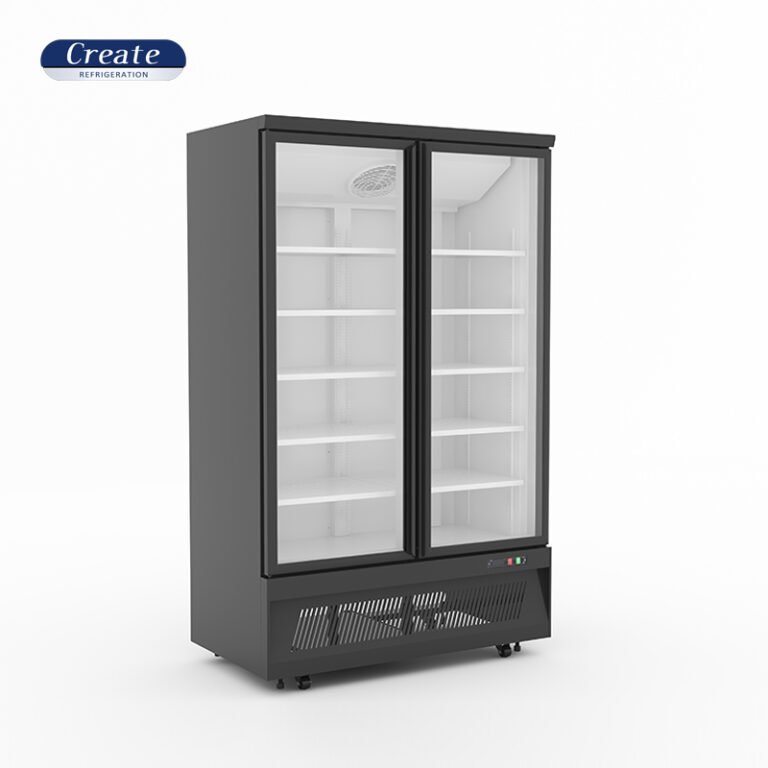
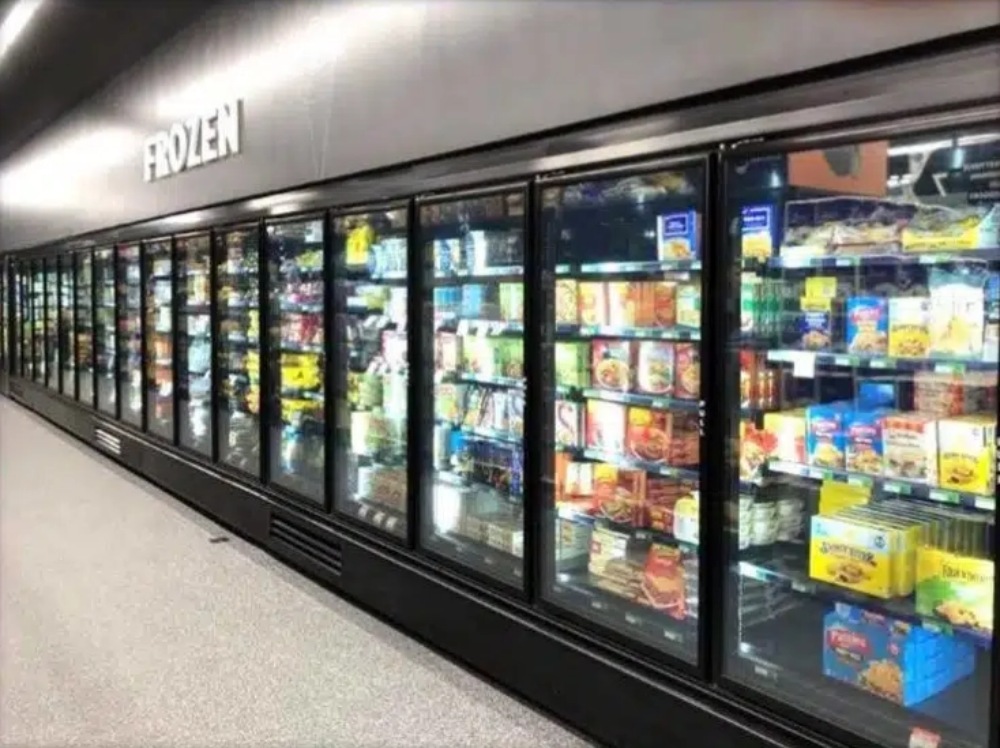
Current refrigeration setups copy this mix via careful moisture and heat handling. Take our Commercial Multiple Upright Glass Door Supermarket Freezer, which uses computer-based temp control for exactness. Plus, it runs on R290 coolants for earth safety. It has auto-defrosting, LED lights, and variable-speed tech that cuts electric costs by over 55%. It also holds CE/CB/ETL/ROHS/UL/IEC/SABER certifications. This mix of sharp buildings and green duty keeps the past’s knack for saving easy-to-spoil items well in varied spots.
The Role of Ice Harvesting in Ancient Societies
Gathering ice marked a key shift in food saving before machines. Old writings from Mesopotamia tell of collecting winter ice. They stored it in pits lined with straw or sawdust for a warmth block. In China, around 1000 BCE, they made insulated ice houses called “bingjian” for use all year. Egyptian leaders used jars for cooling by evaporation, which cooled wine or water through air flow and water turning to vapor, not straight ice.
These groups had a natural feel for heat rules long before science named them. Now, top refrigeration tools use physics with managed vapor compression cycles for firm cooling. By picking the best-known inverter compressor in the field, we make sure the gear runs thriftier on power, stays steady, and trims up to 50% off electric bills in a year. This tech growth links old smarts with fresh building skills.
The Expansion of the Ice Trade and Its Socioeconomic Implications
As the need for saved goods grew, ice turned into a prized item traded over land. Special sellers moved blocks wrapped in warmth guards on far trips, which shaped early trade paths and even class levels. Only top folks often got stored ice.
In our time, refrigeration tech has made fresh food open to all around the world. We run big sites over 360,000 square meters. Our spread net covers North America, Europe, Southeast Asia, and more. We offer cold chain fixes once hard to imagine. Shandong Create Refrigeration Co., Ltd. stands as China’s biggest all-in-one buyer spot for supermarkets and builds jobs. Our goal is to bring strong refrigeration everywhere, which joins old lacks with today’s plenty.
Technological Innovations Leading to Artificial Refrigeration
Early Experiments with Evaporative Cooling and Compression Principles
From Persian yakhchals that used wind traps for vapor cooling to European thinkers testing vapor squeeze in the Enlightenment, people moved step by step to make refrigeration. These steps set the base for machine fridges. They changed world business by letting easily spoiled goods travel far without rotting.
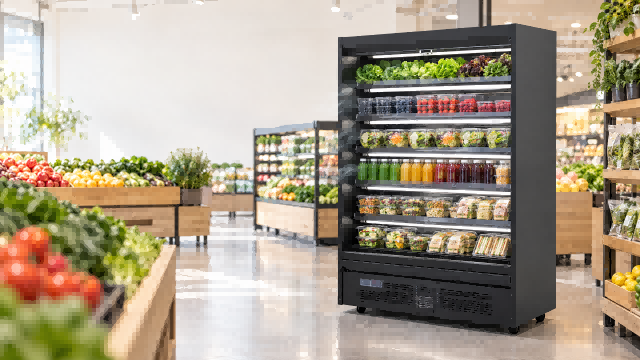
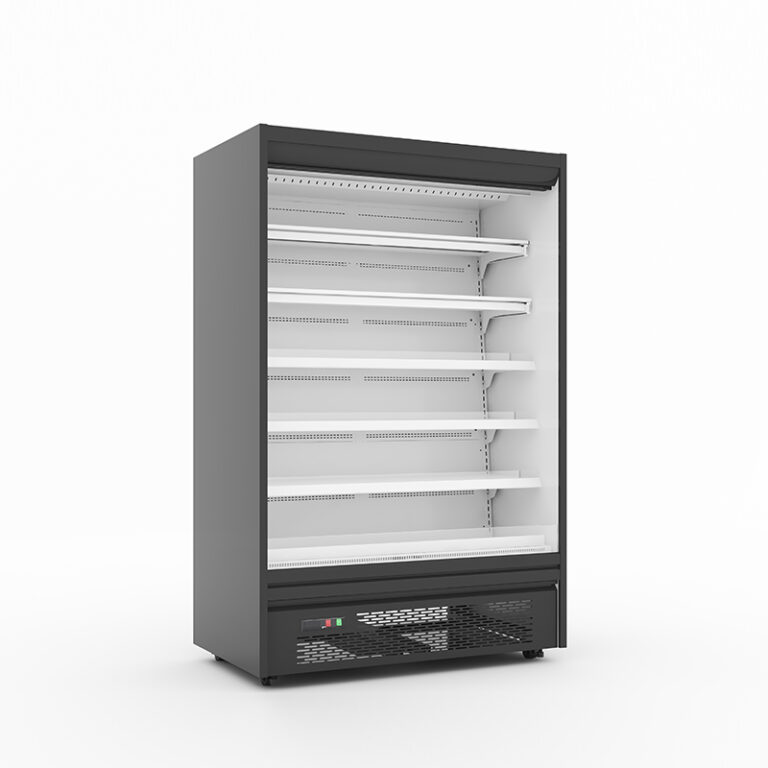
Our fresh refrigeration rows keep this path with better airflow plans for even heat spread. For one, our Half Multideck Cabinet and Semi Multideck Showcase adds two-layer air sheets. They speed-chill while cutting power use, which rings like old air-based plans, honed by new heat rules.
The Transition from Natural Ice to Mechanical Cooling Systems
Factory growth brought fresh stuff like steel pipes and ammonia squeezers. By the late 1800s, they ended their reliance on wild ice. Machine refrigeration shook up fields from beer making to ship hauls, which gave sure cold spots no matter the season. We carry this on with high-thrust squeezers matched to green coolants like R290. They meet world rules, including CE, CB, ETL, ISO, GEMS, ROHS, UL, and IEC certifications. Our build crews shape each setup, from multi-layer chillers to meat showcases. They aim for top trust while shrinking their carbon mark.
Refrigeration’s Influence on Food Preservation Practices in Early Civilizations
Transformation of Urban Food Supply Chains
When machine refrigeration hit city spots in growth times, it changed how towns got food. Store times stretched far. Main making took over from close-daily spots. Easy-to-spoil items could cross lands without harm.
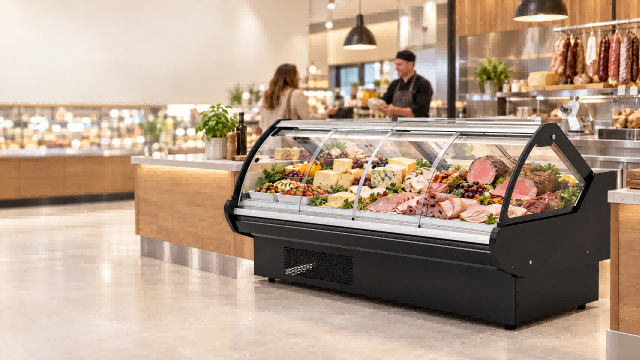
This change matches today’s store setup, where flexible chills boost newness and sight sales. Our supermarket right angle flat top service over counter shows this shift. It has clear tough glass that shows for an easy workflow, which keeps an exact chill at 0–5 °C with auto-defrost runs. The new right-angle showcase has a fresh look tied to modern store ideas.
Changes in Dietary Habits and Cultural Consumption Patterns
Refrigeration shifted not just moves but foodways too. Foods tied to seasons came at any time. Eating grew varied. World swaps brought odd fixings to daily plates, which shift in ways that go on as the climate backs the global food trade.
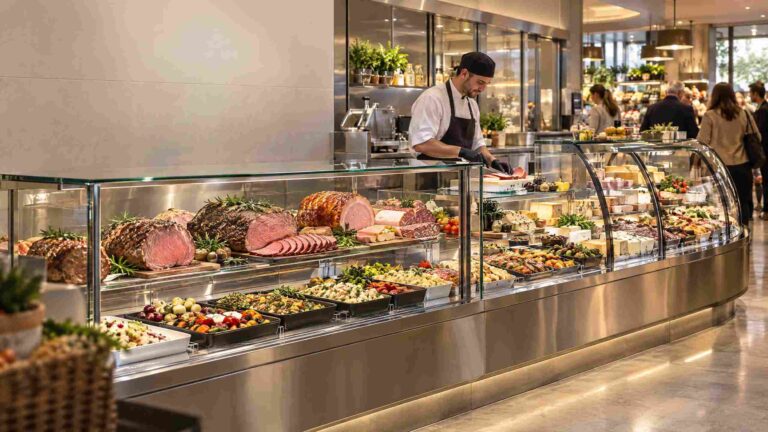
Our pick-your-own counters for meats or seafood show this link. They blend pretty clear views with sure below-zero work from −2 °C to −5 °C. They use tough coated steel frames. They serve cold storage shows and sales of meat goods, seafood, cooked food, and such. Through green making that stresses power saving, we help keep food mix safe across weather types.
The Legacy of Early Refrigeration Systems on Modern Cold Chain Development
Though years apart, old ice houses are from now’s smart temperature setters; key ideas stay the same. Shield strength, vapor rule, and heat steadiness form the main supports. They tie history’s first save tries to today’s sharp cold chains. Ideas of shielding, vapor, and heat rules stay key in new refrigeration builds.
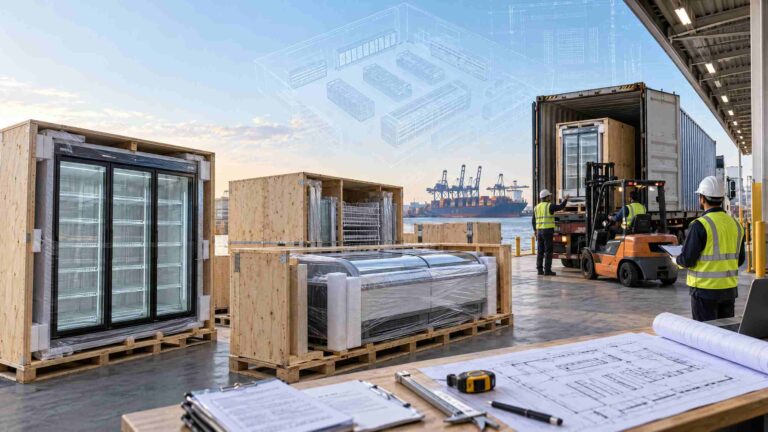
We weave these into every fix, which goes from small plug-in island cases to far multi-layer chillers fitted via CAD view, helping give free gear a buy. Send us your store CAD plans, and we’ll make a 3D view for your spot. If you buy our items, we give you the plan for free.
The Interdisciplinary Impact on Science, Engineering, and Society
Growing fake refrigeration crosses fields from heat theory to stuff, chemistry, and factory moves, which shapes group steps toward better public health, from safe food handling to less waste in supply lines. Old refrigeration steps cross with heat rules, chemistry, and stuff science growth.
As backers of green new ideas, we use these cross-field views for low-power fixes. They echo thrift aims known since old days but made real by fresh tech, which shows how past links push future green in the world’s cold chain webs. For pros wanting fit commercial refrigeration setups that match old-style toughness and new thrift, we ask folks everywhere to connect via our site’s “Contact Us” spot. There, custom talks wait for each buyer’s request.
FAQ
Q1: How do your refrigeration systems differ from traditional models?
A1: Our units use inverter compressors that allow up to 50% yearly power savings. They also run on R290 coolants that meet world green rules. This gives both steady work and lasting care.
Q2: Can customized layouts be created before installation?
A2: Yes. We offer free CAD-based 3D pictures. Clients can see them before making. This checks the space fit in stores or sales spots.
Q3: What warranty coverage accompanies your equipment?
A3: Each fridge gets one year of full cover plus three years on main parts. This comes with full after-sales help worldwide via checked service groups.