Maintaining consistently accurate and stable temperatures within commercial coolers stands as something truly non-negotiable when it comes to protecting food safety standards and fully satisfying regulatory compliance demands in any professional setting.
Whenever internal conditions, unfortunately, creep even modestly above those firmly set safe thresholds, all sorts of perishable goods rapidly grow far more vulnerable to unwelcome bacterial multiplication, thereby paving the way for accelerated spoilage together with genuine potential health dangers that nobody wants to face. Whenever cooling performance falls short or becomes unreliable, the result is typically not only noticeable bacterial development but also widespread product deterioration along with considerable financial setbacks that can build up rather quickly over weeks or months.
For that very reason, practically every commercial establishment regularly dealing with highly perishable merchandise really ought to weave carefully thought-out, rigorously precise temperature management routines straight into the heart of their routine daily workflows without making exceptions.
What Are the Recommended Temperatures for Commercial Coolers?
In order to completely satisfy the demanding expectations laid out by federal food safety authorities, refrigeration equipment has to hold its internal conditions in a remarkably steady fashion at or, better yet, noticeably beneath 40°F (4°C) throughout ordinary operating hours. In much the same way, commercial coolers ought to reliably preserve an internal climate that remains solidly anchored at or below 40°F (4°C) during typical use. When it comes to freezer compartments in particular, the widely recognized target stays firmly established at 0°F (-18°C) or, preferably, somewhat colder to deliver the best possible outcome. Freezers, therefore, need to function steadily at 0°F (-18°C) or lower so that any frozen merchandise can stay properly protected and preserved across extended storage durations without quality degradation.
How Do Storage Requirements Vary by Product Type?
As one would naturally expect, quite a few separate categories of goods each call for their own specially adjusted cooling surroundings if they are going to stay in truly excellent condition over time.
What Factors Can Interfere With Cooler Temperature Consistency?
The immediate surroundings enveloping any commercial refrigeration unit exert a surprisingly powerful effect upon its overall capacity to keep those vitally important internal conditions steady for long stretches. Various external sources of heat, ranging from adjacent cooking appliances such as hot ovens all the way to strong sunlight streaming directly onto the cabinet, can easily place excessive demand on the cooling machinery and thereby overload it noticeably.
Why Do Door Usage and Insulation Quality Matter?
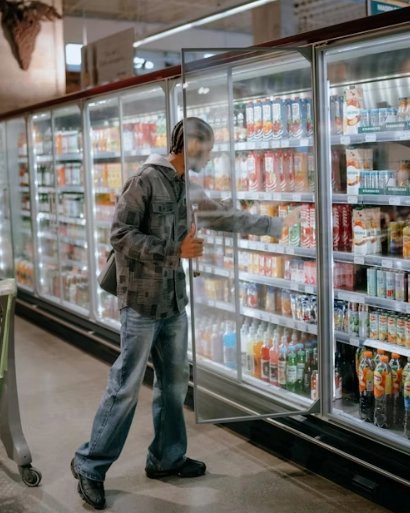
Repeated and frequent opening of doors naturally permits sizable quantities of warmer outside air to flow rapidly into the interior space, which in turn sets off measurable swings in internal temperature levels that can seriously jeopardize the safety margins established for stored products if the pattern continues unchecked.
Additionally, insulation that lacks sufficient thickness or overall effectiveness commonly leads to substantial and avoidable energy wastage, together with frustratingly variable cooling behavior from one section of the cabinet to another. On the opposite end of the spectrum, insulation crafted to a genuinely high standard actively cuts down on wasteful energy escape while simultaneously contributing to a far steadier and more predictable internal atmosphere overall.
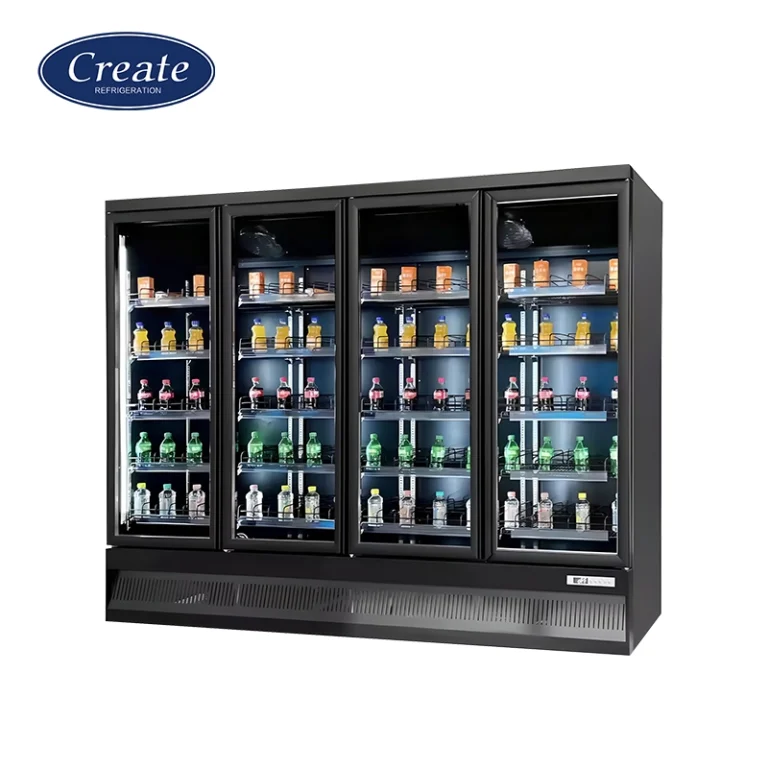
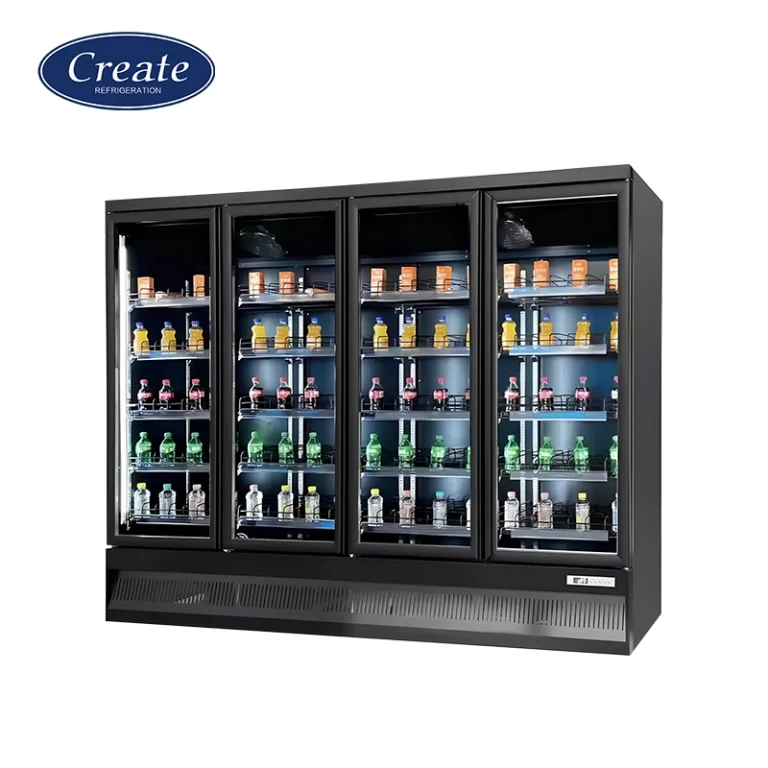
As a result, sturdy commercial models featuring convenient self-closing glass doors paired with robust double-layer insulation construction-precisely the sort found in many top-performing designs available today-consistently succeed in keeping cold air loss to remarkably low levels even during periods of regular access.
Can Overstocking or Poor Layout Impair Air Circulation?
Without any doubt whatsoever, placing too many items inside the unit can seriously interfere with the smooth, intended movement of chilled air throughout the cabinet, thereby producing noticeable pockets of uneven temperature distribution that, unfortunately, increases the likelihood of spoilage affecting merchandise located farthest from the crucial evaporator coils. Overstocking effectively chokes off proper airflow pathways, which ultimately brings about distinctly patchy cooling performance across different areas.
On the other hand, when careful attention goes into creating an efficient and well-considered interior arrangement, that thoughtful approach actively encourages much more even circulation of cold air, thereby assuring reliably uniform temperature conditions from top to bottom and side to side without troublesome variations appearing.
Which Guidelines Govern Cooler Temperatures in Food Businesses?
Practically every business operation involved in handling food for commercial purposes has to adhere faithfully to an extensive collection of both region-specific rules and internationally recognized food safety directives without fail. Among these requirements, HACCP principles specifically call for methodical and thorough record-keeping of refrigeration temperatures achieved through the consistent application of accurately calibrated measurement devices at appropriate intervals. HACCP protocols, therefore, insist upon clearly structured and well-documented temperature checking procedures that leave virtually no opportunity for oversight or uncertainty.
Are Energy Certifications Relevant in Temperature Management?
Most certainly they are; respected designations like ENERGY STAR®, along with comparable programs, serve as trustworthy confirmation that particular equipment has successfully satisfied rigorous benchmarks related both to noteworthy energy conservation and to solid thermal dependability at the same time. Refrigeration units carrying these valued certifications typically bring about meaningful reductions in day-to-day running expenses while still faithfully upholding those critical safe temperature ranges hour after hour.
How Should Businesses Monitor and Maintain Their Coolers?
Advanced tools designed specifically for real-time observation-among them dependable data logging devices together with precise digital thermometers-diligently follow and record any temperature variations that might develop over extended periods.
What Cooler Types Can Best Support Specific Product Categories?
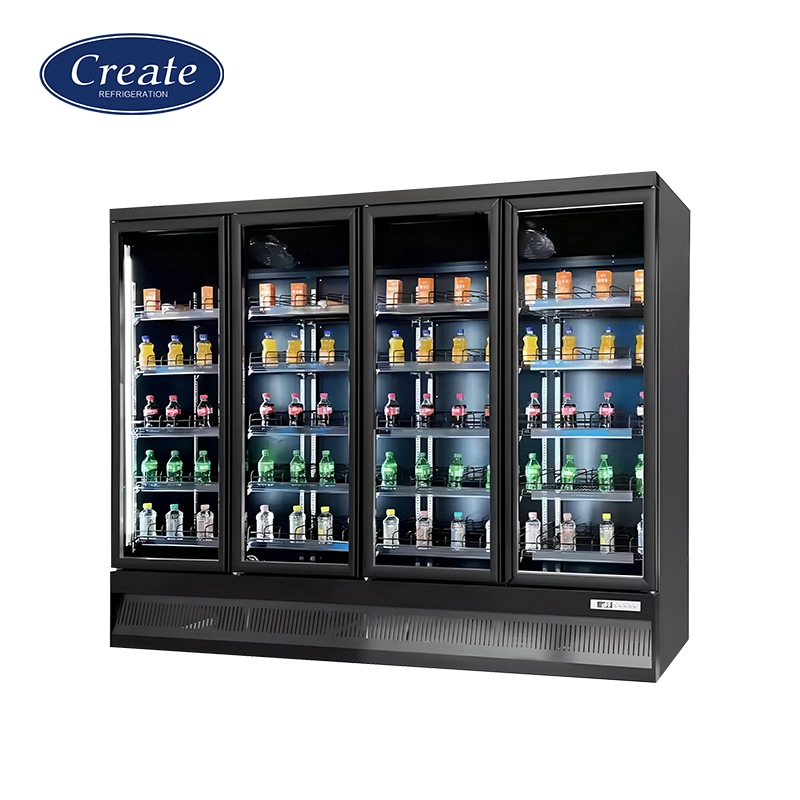
Within lively retail settings, operators very commonly turn to glass door chillers and matching freezer models because these particular configurations deliver outstanding product visibility that naturally attracts shopper interest. The Glass Door Freezer & Cooler stands out by offering excellent visibility paired with sensible energy-conscious additions such as smoothly operating self-closing doors and bright yet efficient LED illumination that enhances overall visual impact.
What If You Need High-Volume Frozen Storage?
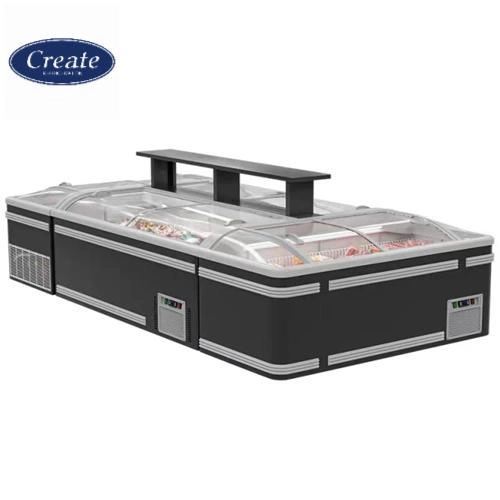
In larger supermarket operations that regularly manage substantial quantities of frozen inventory-everything from assorted seafood options to convenient prepared meals-Island Freezers frequently prove themselves to be an exceptionally practical and worthwhile choice overall. The generously proportioned layout of these units not only accommodates large volumes comfortably but also supports smooth and logical stock rotation practices while reliably sustaining consistently sub-zero conditions from end to end.
Which Options Suit Produce or Dairy Needing Frequent Access?
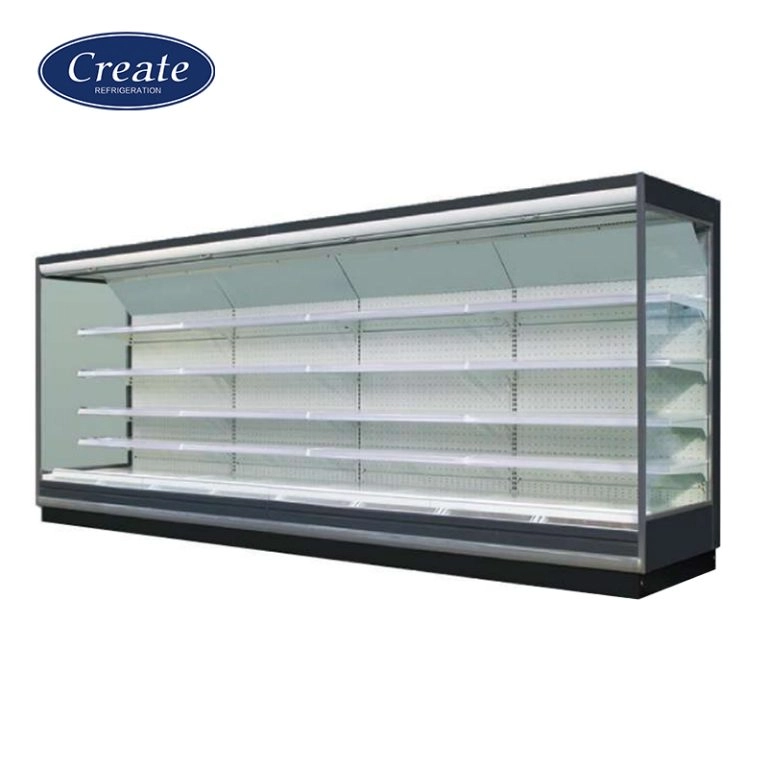
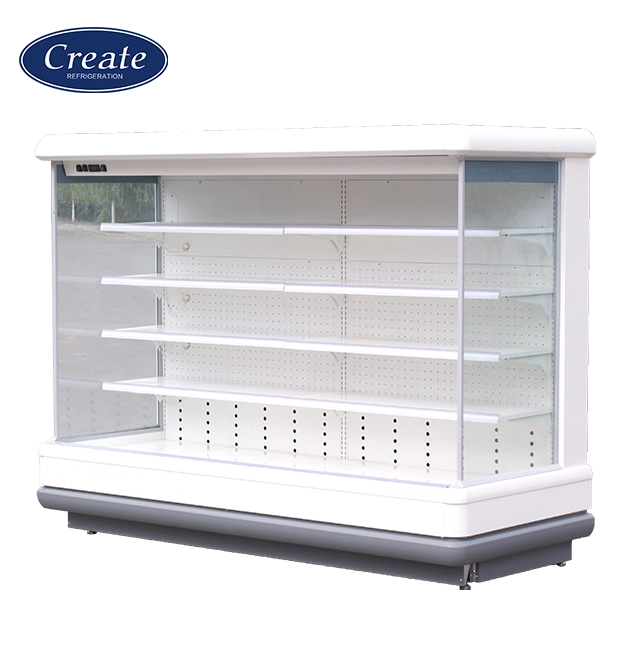
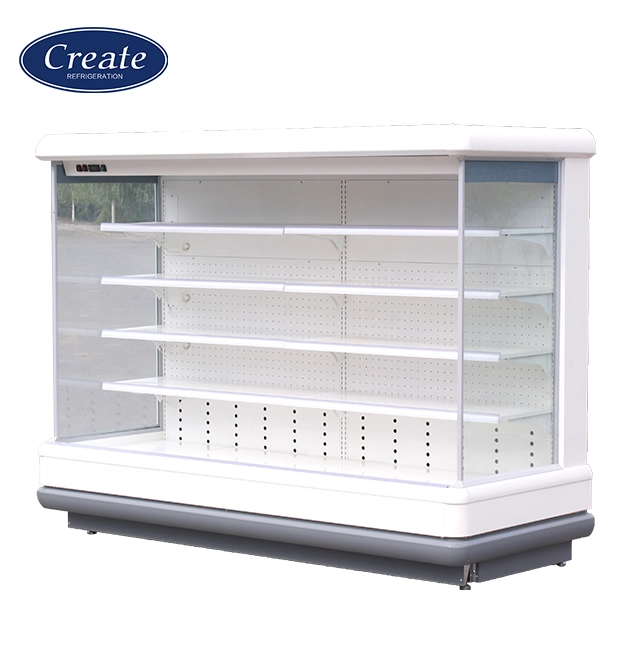
Multideck Open Chillers effectively combine straightforward accessibility for both employees and shoppers with the ability to sustain a surprisingly stable chilled atmosphere-qualities that make them especially well-suited for presenting fresh fruits, crisp vegetables, and assorted dairy lines. These systems incorporate particularly efficient air curtain technology that actively retains cold air even though the front remains openly accessible, thereby minimizing unwanted temperature swings during frequent interaction.
Who Can You Trust for Reliable Commercial Cooling Systems?
When the moment arrives to choose a refrigeration supplier that truly grasps both the importance of consistent high performance and the value of tailored customization possibilities, forward-looking businesses frequently place their confidence in Create Refrigeration. Shandong Create Refrigeration Co., Ltd. proudly holds its position as the foremost one-stop procurement provider serving supermarkets, along with various engineering initiatives across China. Drawing upon more than twenty years of accumulated experience and specialized know-how, Create Refrigeration readily supplies wide-ranging global cold chain solutions carefully customized via sophisticated OEM/ODM capabilities designed to accommodate diverse specifications.
Why Is Equipment Selection Critical for Operational Efficiency?
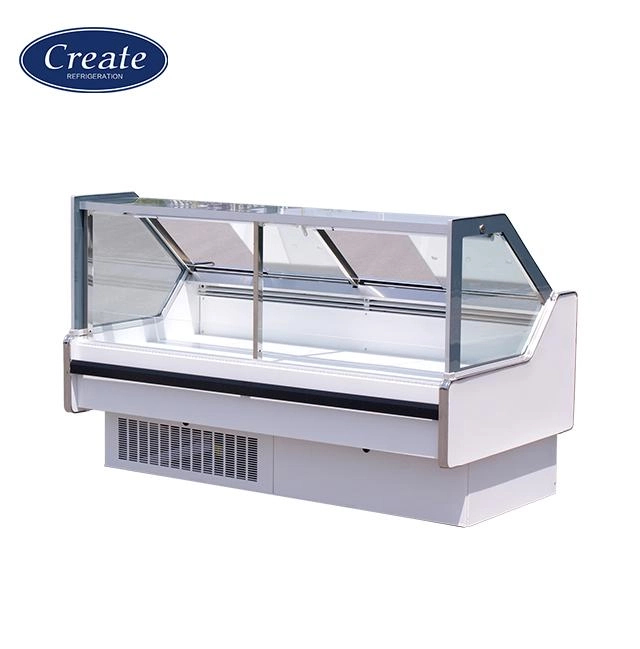
To illustrate the point, choosing a purpose-designed deli showcase specifically for meat products rather than settling for an ordinary chiller unit frequently delivers noticeably superior airflow dynamics together with more appropriate humidity conditions that help maintain peak quality longer.
FAQ
Q1: What is the ideal temperature range for a commercial refrigerator?
A1: The optimal range is between 32°F to 40°F (0°C to 4°C), which preserves freshness without freezing the contents.
Q2: How often should commercial coolers be calibrated?
A2: Calibration should be performed quarterly or as recommended by the manufacturer to ensure accurate readings.
Q3: Can one cooler be used for both chilled and frozen products?
A3: No, chilled items require higher temperatures than frozen goods. Separate units are necessary to meet safety requirements effectively.