When investing in a Max Jumbo commercial cooler, understanding the key factors that shape its cost is vital for wise, long-term business decisions. The total expense stems from a detailed mix of factors, from the strength of materials and construction to the scale, volume, and use of modern power-conserving tools. Options like inverter compressors and intelligent controls, plus the standing and approvals of the manufacturer, also matter a lot. This piece looks into these vital cost elements and points out how Shandong Create Refrigeration Co., Ltd. uses more than twenty years of knowledge to offer tough, fresh, and eco-friendly cooling options that match starting costs with ongoing running savings.
Factors Influencing the Price of a Max Jumbo Commercial Cooler
Material and Build Quality
While checking the cost of a Max Jumbo commercial cooler, one of the biggest parts is its material makeup and frame strength. In business cooling, strong materials not only lengthen service life but also keep steady work under tough daily use. We stress the use of safer, power-saving, and earth-friendly materials in making business refrigerators. Moreover, we stick to green methods to boost product value. Good insulation affects how well energy stays in and cooling works, which leads to lower running expenses in the long run.
Top materials, such as stainless steel or covered steel sheets, raise making costs a good deal but give better rust protection and cleanliness—important points for food-safe settings. For instance, our Supermarket Combined Island Freezer has clear, hardened top glass with low-e technology to cut power use and keep food clean. The choice of full-copper evaporators and condensers also boosts toughness while bettering heat flow, which supports a higher price in the market.
Size and Capacity
The measurements and storage space of a business cooler right away affect its cost setup. Bigger coolers need more basic materials, firmer compressors, and extra insulation to hold even temperatures. As the volume grows, energy needs rise too; yet, bulk buying often makes bigger models more money-smart per liter of space. Our Supermarket New Style Display Deep Single Island Refrigerator shows this mix well, with widths from 1450 mm to 2500 mm, reaching the best results for various shop types. Plus, the chance to link cabinets as needed based on the shop room adds ease without hurting output. This flexible way is especially useful for stores wanting to grow cold-chain setups.
Energy Efficiency Features
Power-saving tools have turned into key parts of cost choices in today’s cooling setups. Better insulation foams, inverter compressors, and improved air flow plans help cut electricity use but start making costs. By picking the leading brand inverter compressor known in the field, we make sure the item works with less power, stays steady in action, and can lower power bills by up to 50% in just one year. On top of that, units with ENERGY STAR ratings or similar ones ask for higher prices since they fit strict world rules for power use and green living. These machines not only drop long-run costs but also match worldwide green laws—a big point for store chains working in many places.
Technology and Additional Features
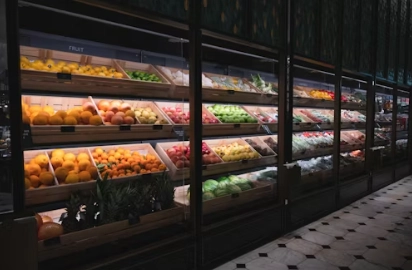
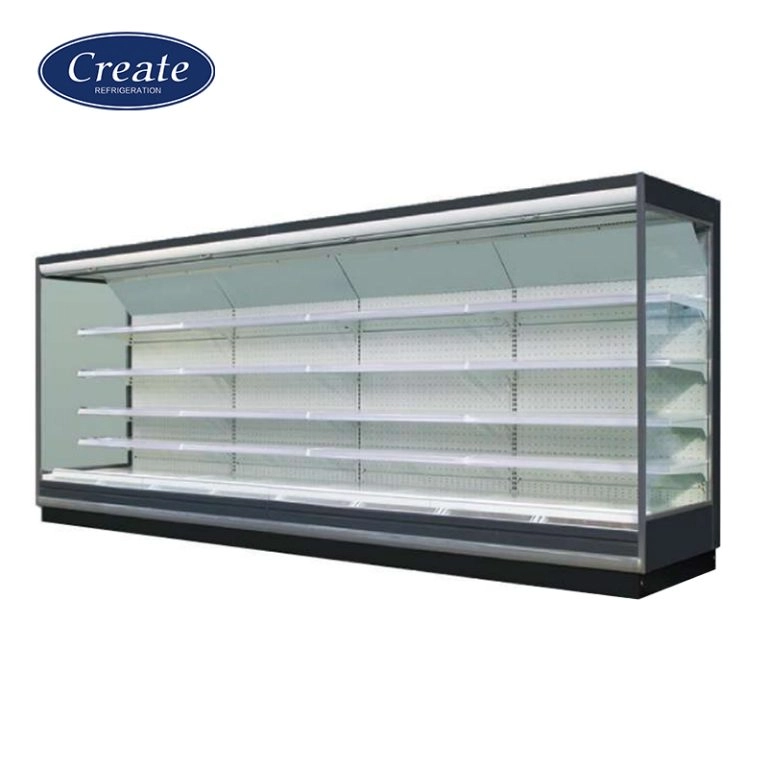
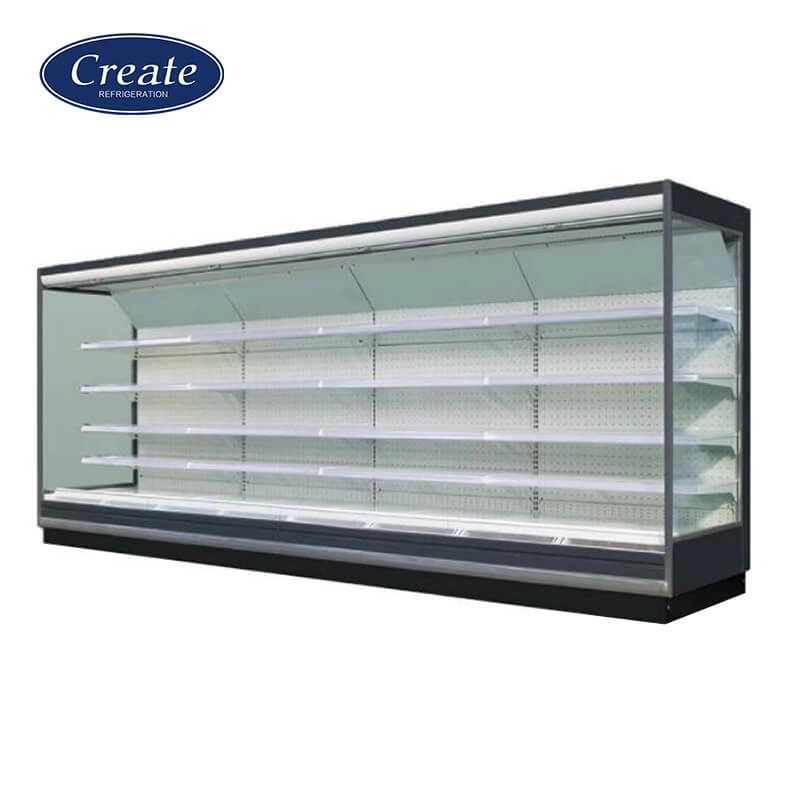
Tech advances play a growing part in setting cooler costs. Things like speed-changing systems, auto-defrost tools, digital heat controls, and LED lights improve handling while keeping exact heat management. For example, our Multideck Open Chiller series adds auto-defrost with see-through night covers and changeable shelves for better show setups. Smart link choices—like far-off watching or IoT-based checks—are now coming into business cooling markets. Although these new ideas raise first costs, they bring clear gains through ahead-of-time fix predictions and better work trust. In essence, such features allow users to monitor and adjust operations remotely, which saves time and reduces unexpected breakdowns, ultimately justifying the extra investment in advanced technology.
Brand Reputation and Market Position
Brand standing stays one of the least seen but strongest parts affecting cost plans in business cooling gear. Known manufacturers with solid quality check systems can charge higher prices thanks to their trust history and follow-up help web. Shandong Create Refrigeration Co., Ltd. stands as China’s top all-in-one buying firm for stores and building projects, blending design, making, research, and growth, and selling while giving the world cold chain answers. Market tops often set themselves apart through rule approvals like CE, CB, ETL, ISO, ROHS, UL, or IEC—proofs that add seen worth for world buyers looking for rule matches. Therefore, choosing a reputable brand ensures not just quality products but also reliable support, which can prevent costly issues down the line and enhance overall business efficiency.
Create Refrigeration: A Trusted Supplier in Commercial Cooling Solutions
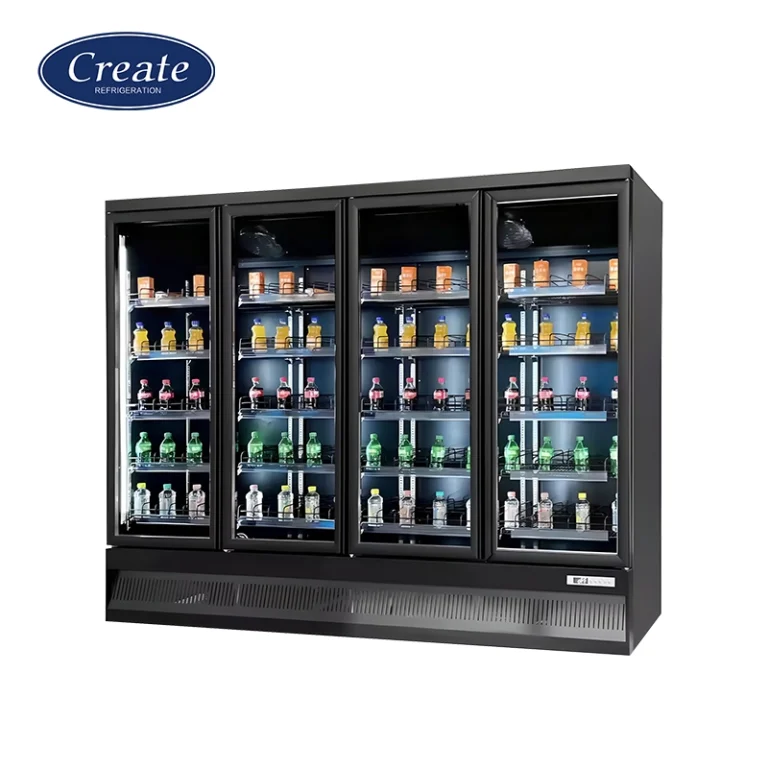
As a skilled manufacturer with more than twenty years of experience in business cooling systems, we have built a wide range of items fit for different store uses—from open multidecks to island freezers and glass door chillers. Create Refrigeration mainly produces refrigeration equipment for commercial supermarkets, stainless steel equipment, western kitchen equipment, and supermarket shelves. Our plant spans about 50,000 square meters and puts out over 23,000 units each year, sent to more than 70 countries around the globe. We push for green ways by using earth-kind coolants like R290 CO₂-based ones paired with high-output insulation that cuts earth harm while topping cooling work.
Every piece goes through hard tests before being sent out; we hold all sorts of quality check papers and firm plant check rules. Our promise goes beyond making—we offer OEM/ODM custom work so clients can adjust details to their work needs. Through our full design skills—including free CAD plan layouts—we help buyers see whole store setups before buying. This end-to-end service means customers get not only products but also practical advice on installation and layout, ensuring seamless integration into their operations and maximizing space use in busy retail environments.
Conclusion: Key Considerations for Pricing a Max Jumbo Commercial Cooler
The end cost label of a Max Jumbo commercial cooler shows a detailed blend of frame strength, scale setup, power output level, tech mix, and brand worth. High-grade materials like stainless steel lift cost but promise long life; big-volume plans better money-per-volume output; forward inverter compressors cut lifetime power spending; and smart control systems boost exact cooling work. In the end, decision-makers need to weigh starting spending against long-run work gains—picking options that fit both money limits and green aims. Our way centers on giving value-led cooling items that join toughness with new ideas under world-renowned approvals. By focusing on these elements, businesses can select coolers that not only meet immediate needs but also support future growth and regulatory compliance, leading to sustained success in competitive markets.
For detailed specifications or tailored consultation on large-format coolers suitable for supermarkets or food service operations, visit our official website at Create Refrigeration, where our technical team provides personalized support through comprehensive cold chain solutions designed around your business needs.
FAQ
Q1: What are the most important features to consider when purchasing a commercial cooler?
A1: Buyers should evaluate structural durability through material selection (such as coated or stainless steel), assess internal capacity relative to store layout needs, verify energy efficiency ratings like inverter compressor adoption or low-E glass technology, and ensure ease of maintenance through modular design options. Additionally, considering factors like warranty coverage and compatibility with existing store systems can further enhance the decision-making process.
Q2: How does energy efficiency impact the long-term cost of ownership?
A2: Energy-efficient models significantly lower utility bills by optimizing compressor cycles and improving insulation effectiveness; some units can save over half of annual electricity costs compared with conventional alternatives. Over several years, these savings accumulate, often offsetting the higher initial purchase price and contributing to a healthier bottom line for the business.
Q3: Are there specific maintenance requirements for extending the life of a commercial cooler?
A3: Routine cleaning of condenser coils, regular defrosting schedules where applicable, inspection of door seals for air leakage prevention, and timely servicing by certified technicians help sustain optimal performance throughout its service life. Implementing a structured maintenance plan also minimizes downtime and extends the equipment’s reliability, ensuring consistent operation in demanding retail settings.