
A commercial cooler freezing up is not merely a minor maintenance issue—it’s a danger to how well your operations run and the quality of your products. Ice buildup in key cooling parts can cause uneven temperatures, spoil goods, and drive up energy costs quite a bit. Engineers and technicians need to tackle these problems with more than just quick patches; they require careful assessment based on the basics of refrigeration heat flow and air movement principles.
What makes early intervention so critical in frozen commercial coolers?
Ice buildup blocks air movement, cuts down on how effectively heat moves, and puts extra strain on compressors. If you ignore this issue, the added pressure speeds up wear on parts and might cause the whole system to break down completely. Acting quickly stops loss of products, keeps food safe, and makes sure your gear works within the energy limits it was built for.
What mechanical faults most often lead to commercial cooler freeze-ups?
Wrong readings from thermostats often start endless cooling runs. A sensor that is off or not connected can make the system read the inside incorrectly. As a result, it pushes evaporator coil temperatures way under the planned levels. On top of that, a broken controller might not stop the compressor after hitting the target temperature, which leads to nonstop cooling and sure ice on the coils.
Why do defective evaporator fans contribute directly to freezing?
Evaporator fans are essential for spreading cool air evenly in the chilled area. If the fan motors stop working or the blades get blocked, the cold air sits still by the coil. Then, water in the air turns to liquid and freezes right on the fins. Such a blockage limits heat transfer, and it also makes the freezing worse in a repeating pattern. Eventually, the air flow gets fully stopped.
How does refrigerant imbalance distort the pressure-temperature equilibrium?
Too little or too much refrigerant throws off the balance of pressure and temperature. When there’s not enough refrigerant, pressure in the evaporator coil drops, which makes temperatures fall below freezing, starting ice to form.
What internal airflow disruptions exacerbate freezing problems?
The air flow inside is set up carefully to keep temperatures steady everywhere. Putting too many items on shelves or boxes right up against the back vents stops air from returning. Because of this, some areas get much colder than others, particularly close to evaporator coils, and spot freezing happens fast there.
What role do dirty filters play in system inefficiency?
Filters full of dirt or fat cut down the air coming in by a lot. With less air getting to the evaporator coil, the surface gets colder than the point where water condenses, which causes moisture to build up and frost to appear. Plus, the built-up dirt makes the compressor work harder and run longer cycles, which adds to the chance of stressing the system and wasting power.
When defrost systems fail, what are the consequences?
In walk-in or display coolers that have auto defrost, the timers start heat periods to clear built-up frost. When timers go wrong or heaters fail, the frost keeps growing without anyone noticing until air flow is badly limited. In the end, ice covers the coils all the way, stopping any real cooling from happening, and the compressor keeps going without pause.
How does poor drainage turn defrost into a liability?
In defrost times, the melted frost has to flow out smoothly. If drain lines are clogged or the slope is off, water sits in pools on or by evaporator parts. That leftover water freezes again fast when cooling starts back up, which speeds up new ice forming in a way that beats the system’s power to fix itself.
Can external environmental conditions affect freezing behavior?
High levels of humidity in the surrounding air bring in damp air to cooler units each time a door opens, and this wet air turns to water quickly on chilly spots such as evaporator fins. Places with lots of moisture or bad air flow around the setup make this worse. Opening doors often lets in hot, wet air to the unit. That shakes up the temperature, keeping it even more.
How do improper loading practices interfere with thermal balance?
Putting hot items in a commercial cooler makes the machine work longer to get back to the right temperature. When you stack those items near vents or sides, it messes up how air moves and makes hot and cold spots. These are perfect setups for ice to start on coils in one area.
What electrical control anomalies lead to recurring freeze-ups?
As time passes, temperature sensors can shift from their true settings because of getting old or getting wet. If that happens, the control boards read the unit wrong, and they then start the compressor too much and make the coils too cold for no reason.
Why is voltage stability important for defrost control reliability?
Commercial coolers need steady voltage to keep their control boards running right. Changes in voltage or spotty power can mess up how controls work or slow down key parts like defrost heaters or fans, which leaves coils open to frost building without a check.
What preventive maintenance strategies are most effective?
Standard checks make sure fans turn without issue, thermostats are set right, and coils have no frost. Technicians need to look at wire ends for rust and confirm defrost heaters turn on when due. Doing checks often on fans, thermostats, coils, and controllers cuts down surprise breakdowns and helps gear last longer.
How does scheduled cleaning prevent energy loss and ice build-up?
Wiping coils boosts how well heat transfers and clears dirt that blocks air. In the same way, emptying drain pans and cleaning lines stops water from freezing again in defrost. Plan these jobs every three months at least to stop slow damage from piling up.
Does equipment selection influence freeze-up susceptibility?
Newer refrigeration setups with electronic defrost control check live conditions, not set times, to turn on defrost only if needed. This exact method cuts extra heat use and keeps coils free from frost.
Why is capacity matching essential for optimal performance?
Units that are too big turn on and off a lot, which stops good moisture removal and raises ice chances. Units too small keep running hard, wearing out faster, and are more likely to make areas by evaporator coils too cold.
Who can help you avoid commercial refrigeration headaches?

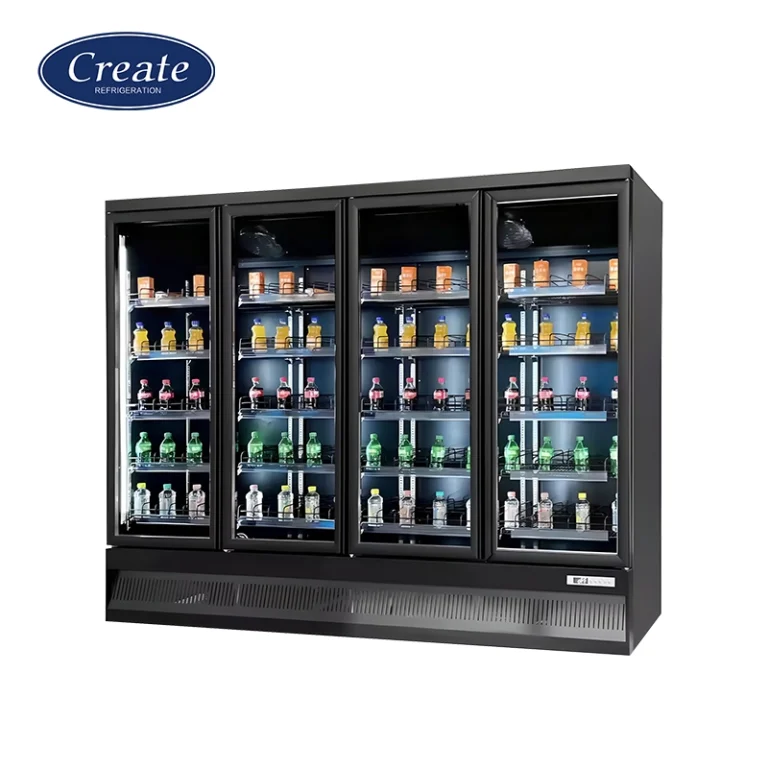
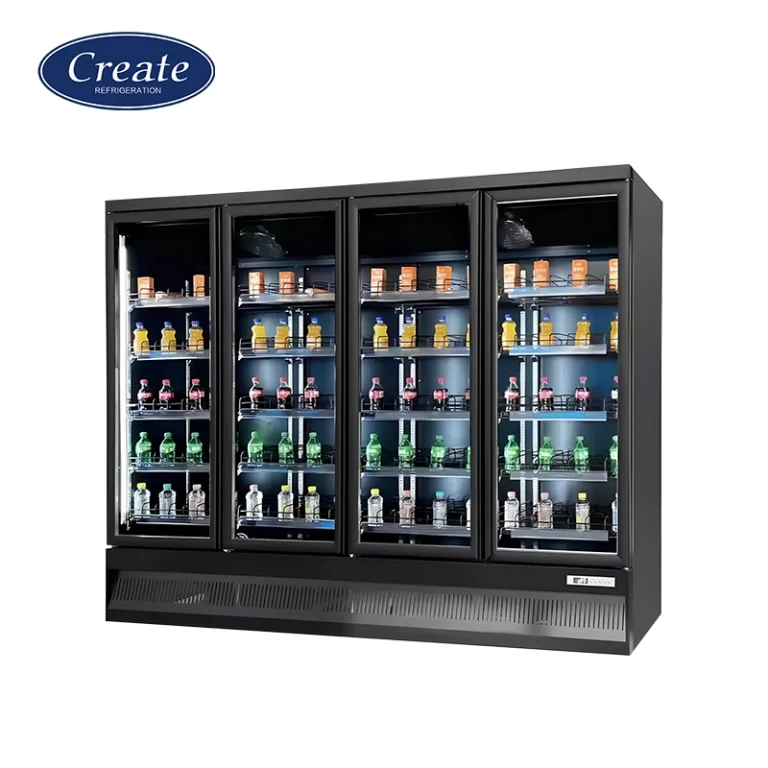
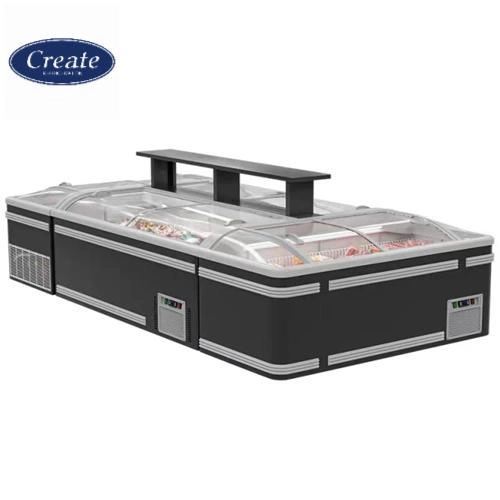
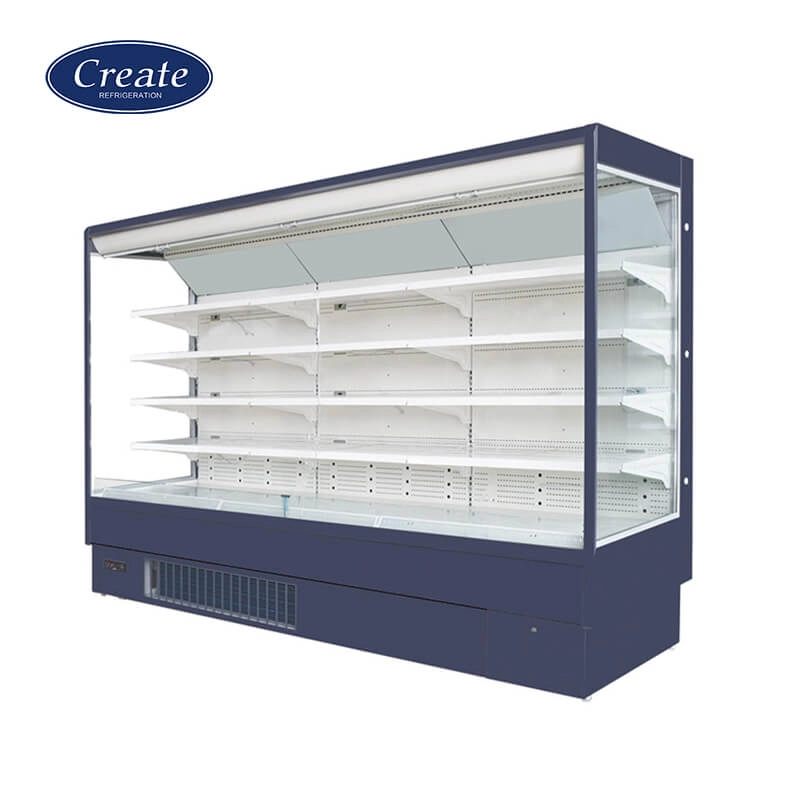
Committed to creating global commercial cold chain solutions and personalized services, Create Refrigeration delivers more than just hardware—they engineer long-term reliability into every unit. Whether you’re sourcing glass door freezers for beverages or configuring open multideck chillers for high-volume dairy sales, their R290-based systems emphasize energy conservation without compromising temperature stability.
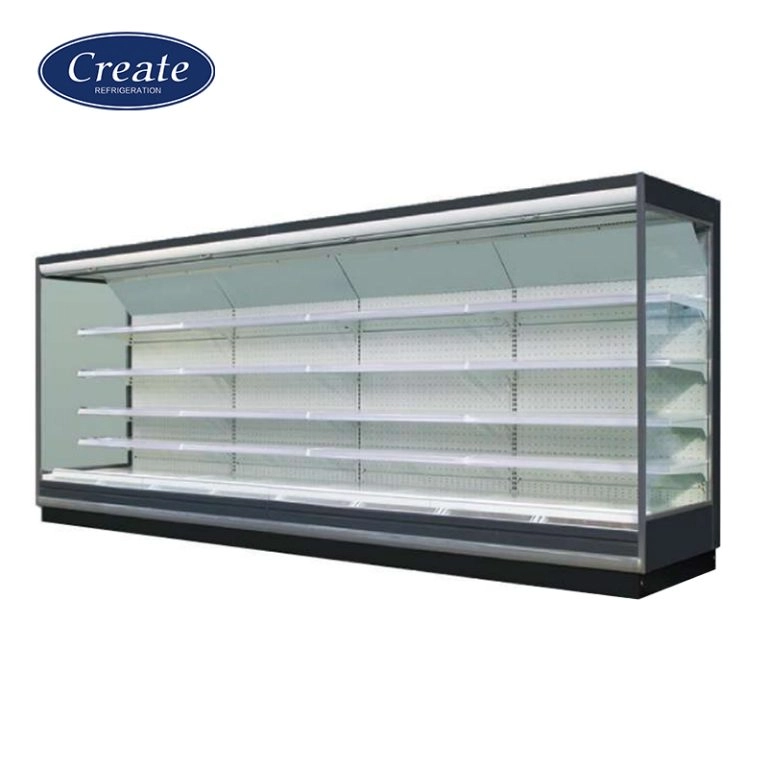
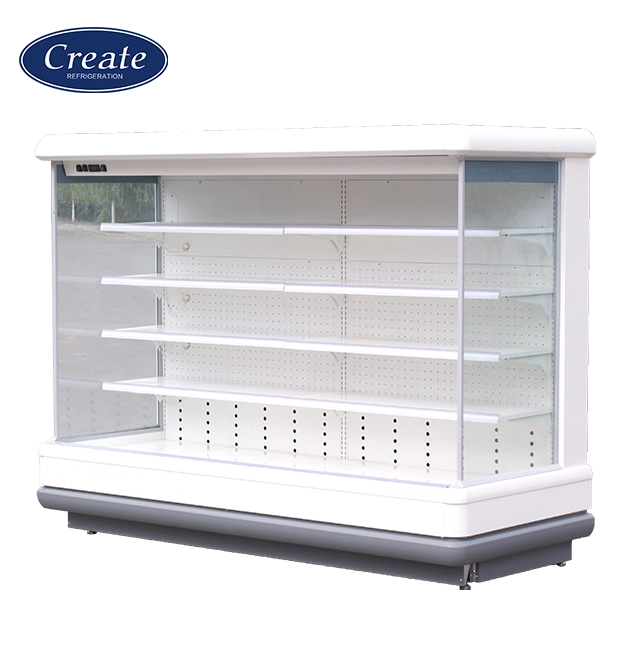
With solutions like their Multidecks Open Chiller, designed for fast cooling and stable airflow, you gain access to refined engineering built for supermarket rigor. Their OEM/ODM capabilities also allow clients to customize configurations based on layout constraints or operational needs—from CAD design all the way through 3D renderings. They have a professional service team, providing OEM/ODM customized services, making them an ideal partner for projects requiring precision refrigeration performance at scale.
Summary of Technical Causes Behind Cooler Freeze-Ups
Freeze-ups that keep happening come from a mix of mechanical breakdowns, air flow issues, electrical problems, and outside factors. Spotting the main reasons soon keeps operations going smoothly and saves products. Adding checks to regular upkeep stops big failures before they grow. Proper setup matters just as much, including steady voltage, right sensor spots, and clear air paths—all done by pros right away. Good starting minimizes dangers from machine or weather parts that usually cause ice to form.
FAQ
Q1: Can low refrigerant levels alone cause a commercial cooler to freeze up?
A1: Yes, low refrigerant levels reduce pressure in the evaporator coil, causing it to become excessively cold and leading to ice formation if not corrected.
Q2: How often should defrost systems be checked in commercial coolers?
A2: Defrost systems should be inspected at least quarterly as part of preventive maintenance routines to ensure timers, heaters, and drain lines are functioning properly.
Q3: Is it advisable to use household refrigerators for commercial purposes?
A3: No; household units are not designed for continuous operation under high-load conditions typical in commercial environments—they lack robust airflow systems and defrost mechanisms needed for heavy use.