
Electricity is one of the least visible costs in a grocery store until the bill arrives. Then every compressor cycle becomes visible.
Refrigeration can account for roughly 40% to 60% of supermarket electricity use, according to an EPA-cited analysis.3 That makes an old cabinet more than a maintenance nuisance. It is a continuous kilowatt-hour drain tied to food safety, product presentation, and gross margin.
For North American operators, average commercial-sector electricity revenue reached 14.53 cents per kWh in July 2026, 3.4% higher than a year earlier.2 European pricing is uneven rather than uniformly higher, but it remains material: the EU average for non-household consumers using 500 to 2,000 MWh annually was €18.37 per 100 kWh in the second half of 2025. Germany stood at €22.64 and Ireland at €25.52.1
The old equipment problem is simple to describe. The replacement decision is not.
The Retail Utility Squeeze
An aging supermarket fridge may still hold product cold while wasting power through worn door gaskets, dirty condenser coils, failing fan motors, and long compressor duty cycles. A case positioned beside an entrance or HVAC register works even harder. In hot months, condenser coil scaling raises condensing temperature and turns routine cooling into extended recovery.
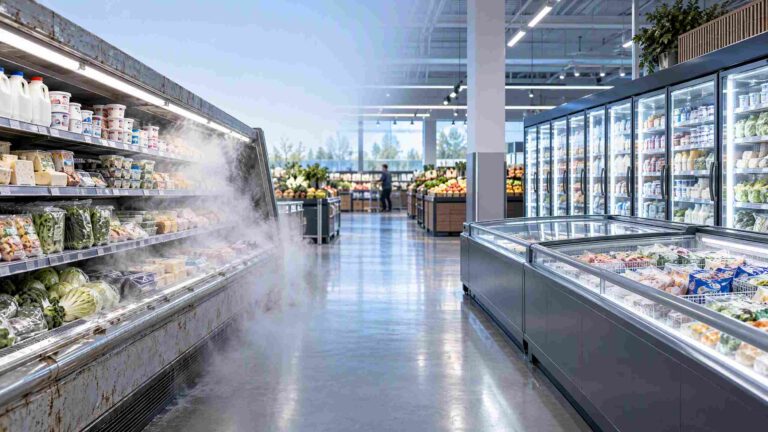
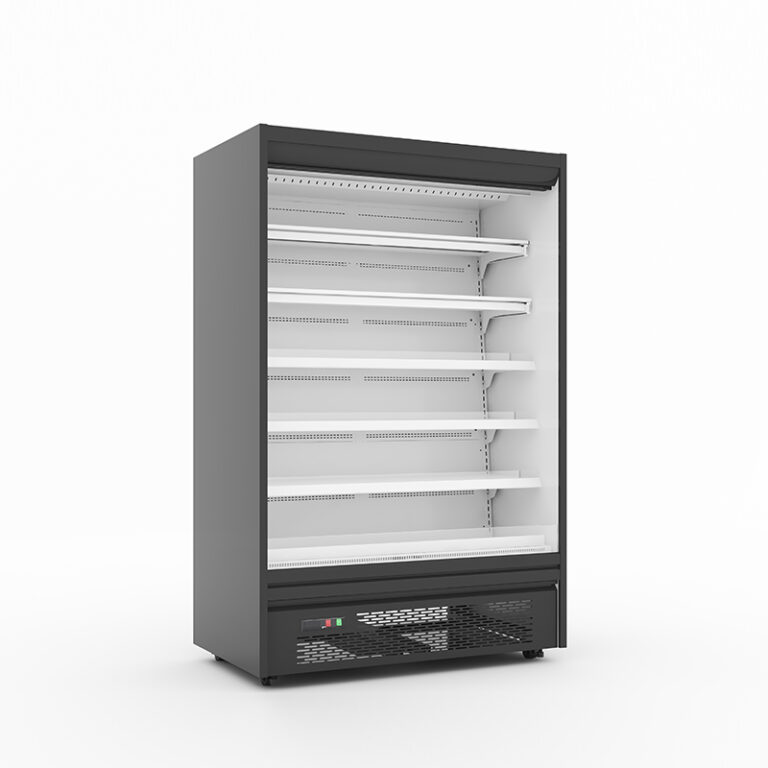
An uncurtained supermarket open freezer has an additional penalty. Its open face releases cold air into the customer aisle and pulls warm, humid air back into the cabinet. The evaporator removes that heat and moisture again. Frost accumulates. Airflow deteriorates. Defrost cycles become more frequent or less effective.
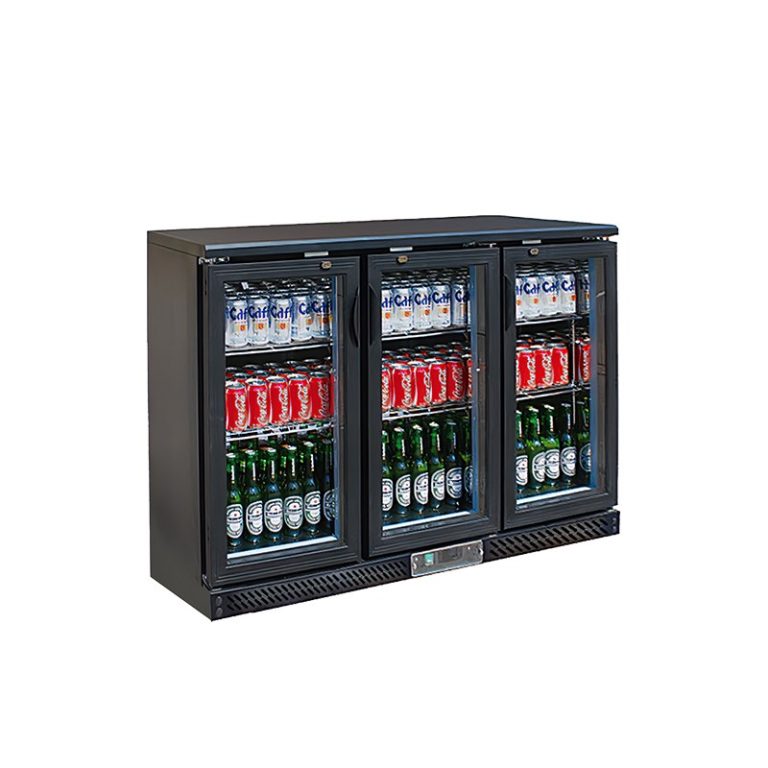
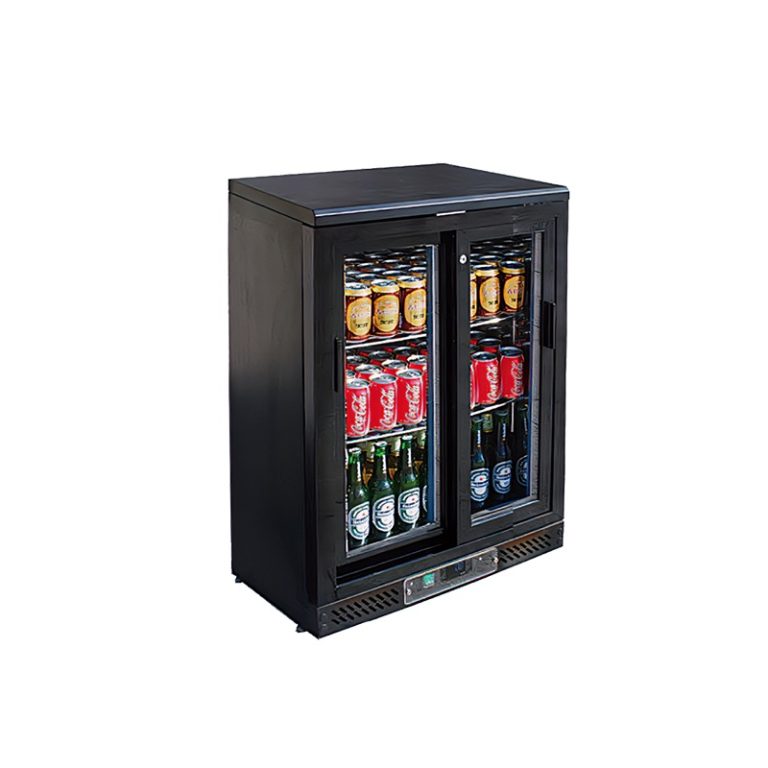
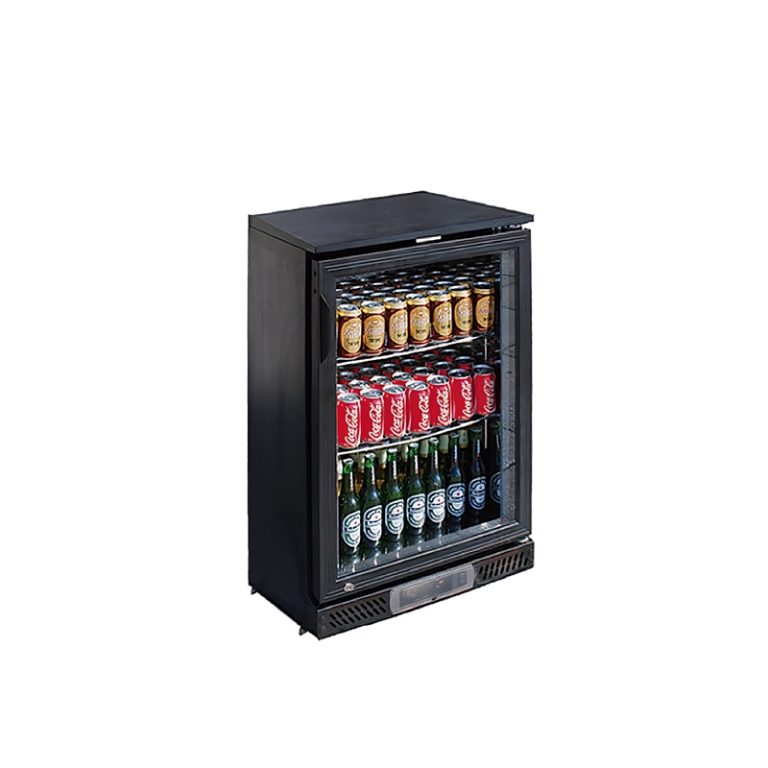
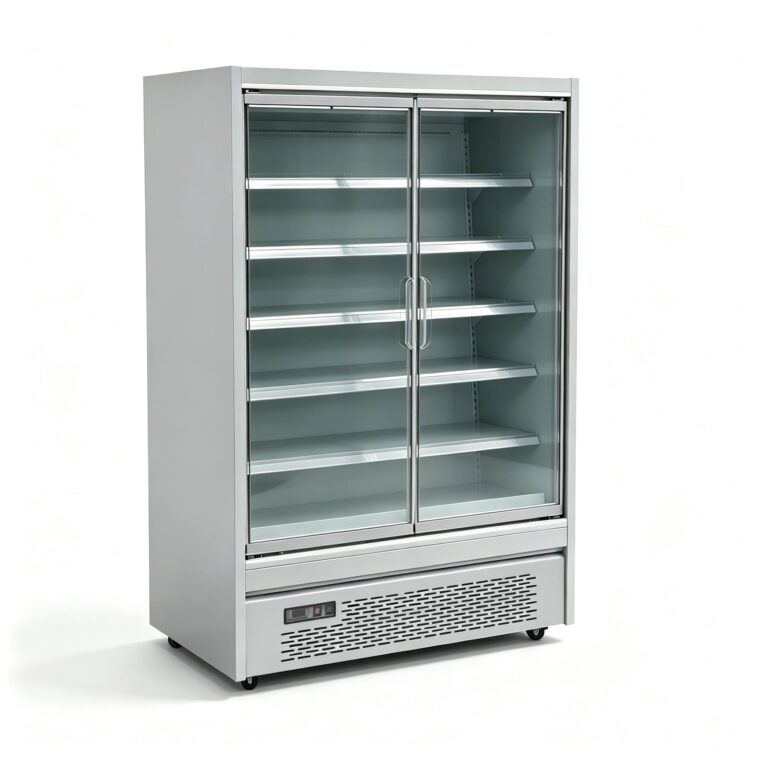
Compare that with an enclosed supermarket display refrigerator or a modern supermarket display chiller using self-closing glass doors, controlled air distribution, and efficient fans. The glass creates a physical thermal barrier. It does not remove all energy use, but it reduces the infiltration load that an open cabinet must fight throughout trading hours.
createrefrigeration provides retrofit resources, equipment data, and layout assistance through www.createrefrigeration.com. The useful starting point is a measured baseline: cabinet kWh, compressor run time, room temperature, product temperature, condenser condition, and the store’s peak-demand window.
One Store, Several Aisle Categories
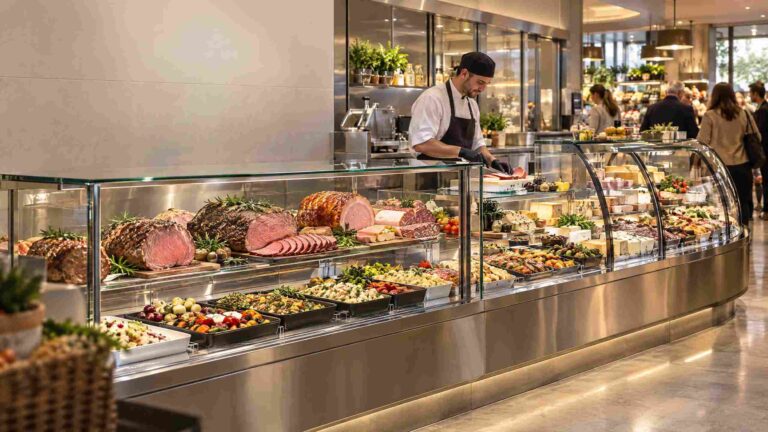
Different categories need different cabinet decisions. A vertical supermarket showcase refrigerator can put beverages at eye level and make brands easy to compare. Its door pull frequency may be high, so hinge return, gasket compression, anti-fog control, and recovery temperature deserve attention.
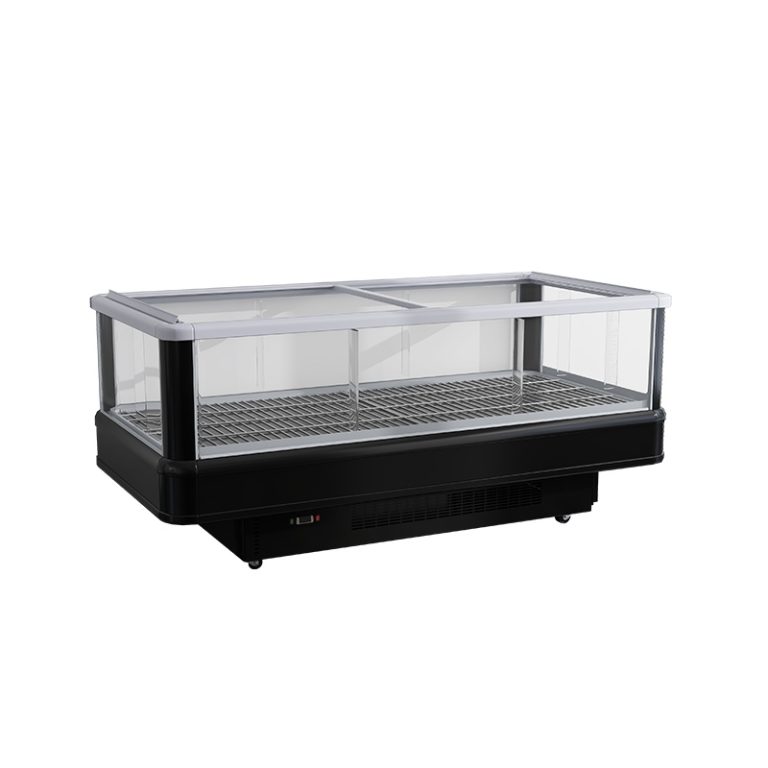
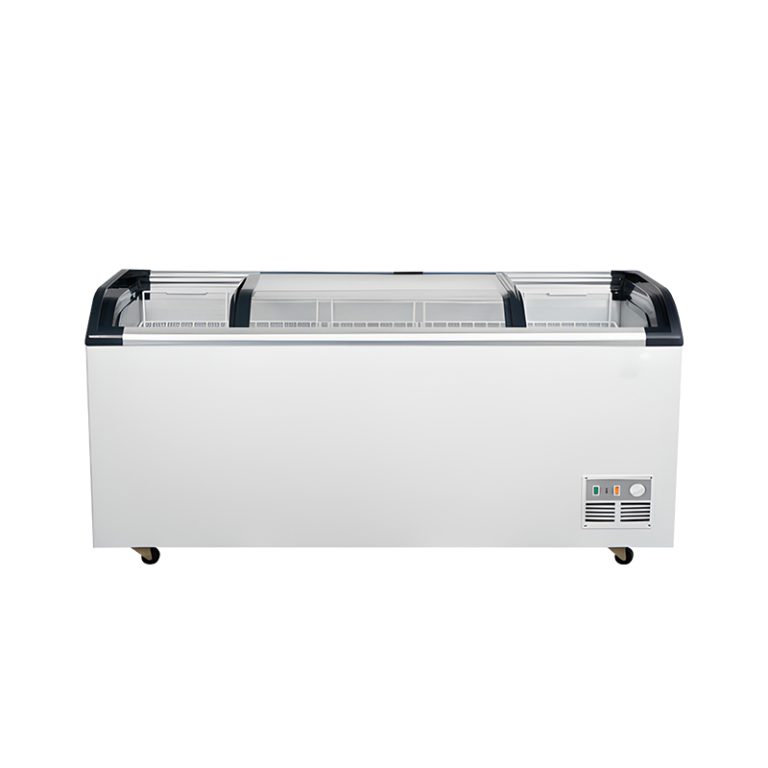
A supermarket island freezer serves a different purpose. It gives a large frozen-food footprint in the middle of the sales floor and supports bulk presentation. For frozen meat, a display freezer for supermarket applications must protect product temperature while resisting heavy loading, basket impacts, and repeated lid or door operation.
The distinction matters because a supermarket refrigerator and a supermarket freezer do not carry the same thermal burden. Medium-temperature beverage and dairy cases typically manage a different product range from low-temperature frozen meat equipment. Procurement should compare kWh per unit of usable volume, not only the nameplate input.
The old supermarket fridge is often judged by whether it still runs. That is too narrow. Check the temperature spread from top to bottom, the compressor run ratio, the condenser discharge temperature, the defrost pattern, and the customer-side comfort. A cabinet can pass a spot temperature check and still have an expensive operating profile.
The Mechanical Shift: Glass, Fans, and the Thermal Boundary Layer
The retrofit logic is strongest where an open case has long operating hours and high room-air infiltration. Add self-closing Low-E tempered glass doors. Use efficient ECM evaporator and condenser fan motors. Control anti-sweat heating rather than leaving it fully energized. Keep the condenser clean and give it enough air space.
createrefrigeration designs these elements as a cabinet system. Under matched product load, ambient conditions, setpoint, and operating hours, an engineered commercial supermarket refrigerator or complete supermarket refrigerator lineup may achieve cabinet power-draw reductions of up to 40% against an equivalent open-case baseline. That is a design target, not a blanket guarantee for every installation.
ENERGY STAR reports that certified commercial refrigerators and freezers are on average 20% more energy efficient than standard models, with ECM fan motors, hot-gas anti-sweat heaters, and high-efficiency compressors among the contributing components.4 Its examples include 370 kWh annual savings for certified glass-door refrigerators and 900 kWh for certified glass-door freezers, depending on product class and test conditions.4
The thermal boundary layer around the product also changes. An open display relies on a moving air curtain that can be disturbed by shoppers, doors, HVAC registers, and cross-drafts. A closed supermarket display refrigerator keeps more of that cooling effect inside the case. The result can be lower infiltration, less moisture load, and a warmer aisle for customers.
Do not ignore the glass. Low-E performance reduces radiant heat transfer, while heated frames and anti-condensation controls prevent fogging in humid stores. Thermal bridging at the frame can defeat part of the benefit if the door assembly is poorly specified. Ask for heater control, glass construction, gasket details, and service access.
F-Gas, R290, and the Next Freezer Purchase
Refrigerant choice is now part of the capital-planning decision. Regulation (EU) 2024/573 restricts the placing on the Union market of listed equipment from the dates specified in its Annex IV.5 The European Commission’s implementing text states that, from 1 January 2025, self-contained refrigeration equipment generally cannot contain fluorinated greenhouse gases with a GWP of 150 or more, except where site safety requirements justify an exemption.6
That pushes modern supermarket freezer lines toward lower-GWP options, including natural refrigerants such as propane, or R290, where the equipment design and local safety rules permit it. R290 is flammable. It is not a casual refrigerant swap. The cabinet requires controlled charge limits, suitable electrical components, clear labelling, factory testing, and trained service personnel.
Buyers should request the refrigerant type, charge, GWP, safety classification, certification basis, and service procedure before approving a commercial supermarket refrigerators package or supermarket freezer lineup. A factory-certified safe charging standard is more useful than a marketing statement about being eco-friendly.
The same applies outside Europe. North American codes and certification pathways differ by jurisdiction. Importers must verify the destination requirements rather than assume that a factory configuration approved in one region will automatically be accepted in another. A createrefrigeration export package should therefore be reviewed against the destination market before production release.
How to Build the Payback Case
The payback calculation should start with measured energy, not a percentage copied from a brochure.
Annual energy saving = baseline kWh − retrofit kWh
Simple payback = installed retrofit premium ÷ annual energy and verified demand savings
Use a submeter where possible. Record similar weeks before and after the replacement. Include operating hours, weather, product load, door pulls, and defrost behavior. Demand charges belong in the calculation only when the utility tariff and measured peak interval support them.
A retailer may recover the investment within 18 months in a hot, high-use store with expensive electricity and an inefficient open case. A lightly used cabinet in a low-rate market may take much longer. The table below is illustrative, not a performance guarantee.
| Store case | Illustrative annual benefit | Retrofit premium | Simple payback |
| Moderate-rate dairy aisle: 30,000 baseline kWh, 35% reduction at $0.12/kWh, plus $300 verified benefit | $1,560 | $3,000 | 23 months |
| High-use beverage aisle: 30,000 baseline kWh, 40% reduction at $0.16/kWh, plus $500 verified benefit | $2,420 | $3,300 | 16 months |
| Hot, high-rate frozen-food store: 40,000 baseline kWh, 40% reduction at $0.22/kWh, plus $700 verified benefit | $4,220 | $4,500 | 13 months |
The numbers show why two stores can buy the same cabinet and receive different financial results. Utility rate, condenser condition, ambient temperature, traffic, and maintenance discipline all matter.
Strategic Audit for Store Owners
Start with thermal leakage. Inspect open-case air curtains, door gaskets, glass frames, night covers, evaporator frost, condenser coil scaling, and discharge airflow. Measure top and bottom product temperatures. Look at the aisle, not just the controller.
Next, map each category to the correct equipment. A beverage wall may need a glazed upright. A frozen meat section may need a high-capacity island cabinet. A supermarket open freezer that is exposed to entrance drafts may deserve priority even if a smaller closed cabinet has a higher percentage efficiency rating.
Then check service reality. Are ECM fan motors, gaskets, controllers, glass panels, and refrigerant components available in the destination market? Can a qualified technician work on R290 equipment? Does the cabinet have enough condenser clearance after the store fixture is installed?
Finally, compare the complete cost. Include freight, electrical work, commissioning, crating, refrigerant compliance, disposal, maintenance access, expected kWh, and demand charges. A lower purchase price does not guarantee a lower five-year cost.
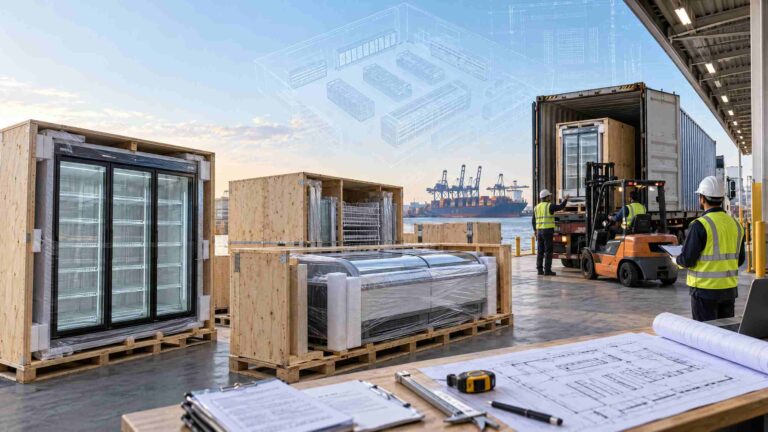
For direct sourcing, createrefrigeration can review store drawings, product categories, cabinet dimensions, electrical supply, and retrofit priorities. The review should identify where a supermarket showcase refrigerator, supermarket display refrigerator, or supermarket display chiller will provide the strongest operational return.
Closing: Replace the Load, Not Just the Cabinet
The best refrigeration retrofit removes a measured source of waste. It contains cold air. It reduces compressor overrun. It gives shoppers a more comfortable aisle and gives operators a clearer service plan.
Send the existing cabinet list, utility tariff, measured kWh, floor plan, product temperatures, and local refrigerant requirements for a project review and quotation via www.createrefrigeration.com. The right replacement is the one that performs on the sales floor and pays back on the meter.
References