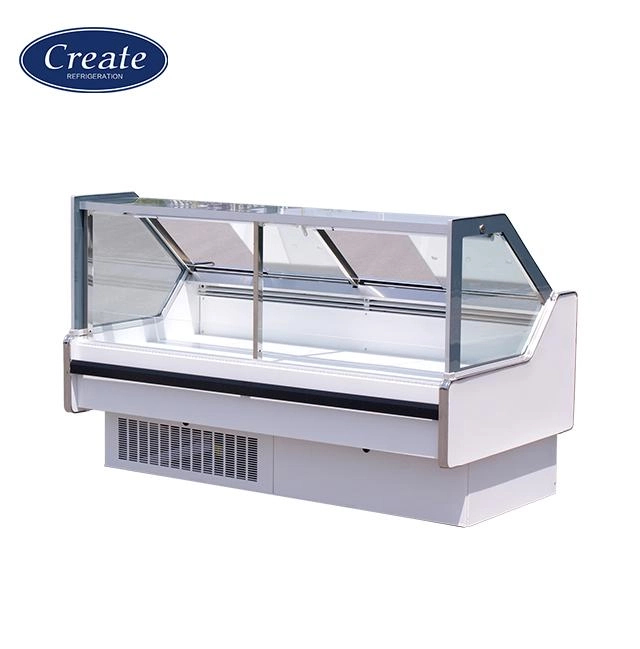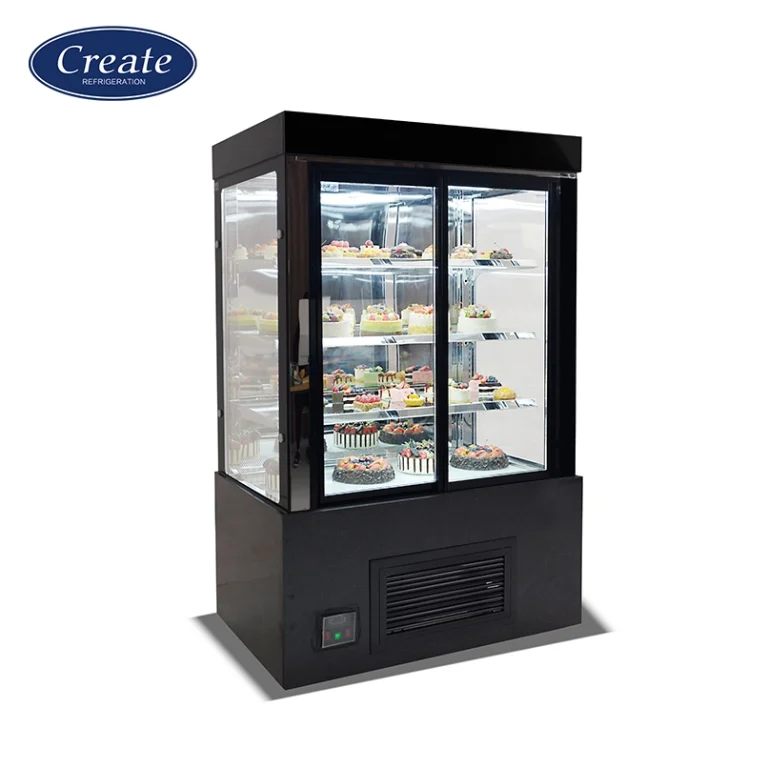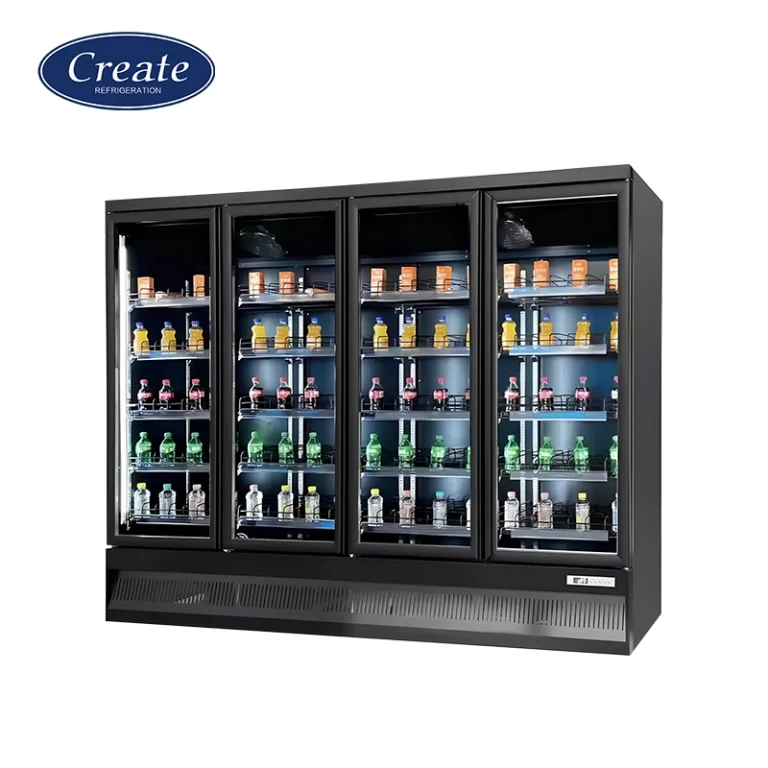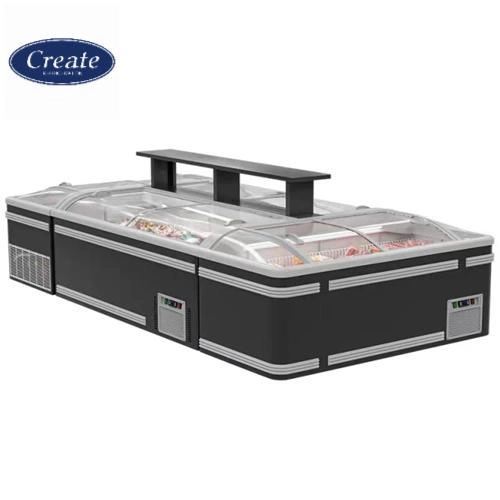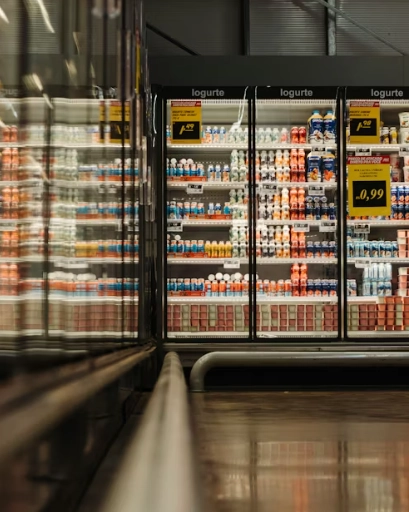
Refrigeration systems are built to work inside certain heat limits that keep food stored safely and cost-effectively. Any shifts away from these target temperatures can harm product quality and boost running expenses a lot. For instance, such temperature shifts might lead to spoilage or food poisoning, which poses serious risks to people who eat the food. On top of that, rules from bodies like the FDA and ENERGY STAR demand strict checks on temperature tracking, which brings legal risks into the mix of technical management.
Outside conditions matter a great deal too. The surroundings where refrigeration gear runs influence how heat moves and how much strain the compressor faces. So, any plan for handling heat must tackle both the exact cooling inside and the weather challenges from outside.
What Are the Recommended Temperature Ranges for Refrigeration Equipment?
Refrigerated gear comes in various setups, and each one has its own clear needs for temperature. Commercial refrigerators generally run from 1°C to 4°C (34°F to 39°F), a range that works well for keeping fresh goods like milk products, drinks, and vegetables in good shape. Freezers stay at -18°C (0°F) or below, which is vital for stopping germs from growing in things like frozen beef, seafood, or ice cream that need deep freezing.
How Do Environmental Temperatures Affect Equipment Performance?
What’s more, hotter surroundings cut down on how well the condenser works, which builds up pressure in the whole setup. On the flip side, when temperatures drop low, refrigerant can shift around wrongly, and oil might not flow back properly; both of these issues damage the system’s life over time. To counter these outside effects, good airflow and smart controls that adjust to seasonal changes are needed.
External thermal gain and inefficient defrost cycles substantially increase energy usage in refrigeration systems
In warmer spots, the need for cooling grows because more heat sneaks in from outside. Higher outside temperatures mean the system has to cool more and run longer each day. Bad insulation or doors opening often make this worse by pulling in hot air from the surroundings.
Besides that, defrost cycles set up poorly can waste a ton of power. If the timing or length of defrosting is off, it leads to extra energy loss and shaky temperature control. Better yet, setups that time defrosts based on real frost buildup save power and keep conditions even. Items such as the supermarket combined island freezer use tech that changes frequency, and this can cut electricity costs by over 55% through matching the compressor’s power to the actual heat needs at any moment.
What Design Features Support Optimal Thermal Control?
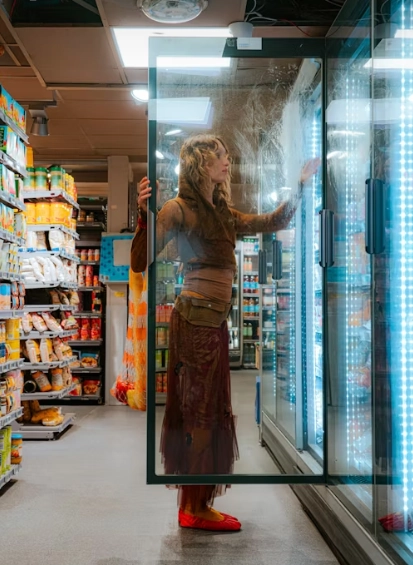
The size of evaporator coils should match the moisture in the air and the cooling demands expected. Compressors that are more advanced, particularly ones with speeds that vary, let the system adapt easily to shifts without cycling too much and wearing out. As an illustration, the deep single island refrigerator freezer has features like wide voltage range and compressors that are kind to the environment, so they handle different outside conditions without much trouble.
Which Monitoring Systems Ensure Thermal Stability?
Watching temperatures as they happen lets people fix issues quickly before they hurt the quality of what’s stored. Smart controllers offer ways to check from afar, send warnings, and spot problems ahead of time. Linking these to IoT networks or Building Management Systems (BMS) gives a single view for big operations across multiple sites.
What Maintenance Practices Prevent Temperature-Related Failures?
Buildup of dirt blocks efficient heat movement especially when it’s warm out. In the same way, seals that are old or broken let hot air slip in, which throws off the steady cool inside. Just as crucial, sensors must read accurately. Wrong measurements cause the compressor to run at bad times or defrost to happen incorrectly, leading to too much cooling that wastes power or not enough that could spoil food. Regular upkeep like this cuts down on stoppages and helps refrigeration tools last much longer in tough conditions.
Why Partner with Create Refrigeration for Long-Term Performance?
Having more than 25 years of experience, Create Refrigeration is China’s top maker of full-service commercial cold chain options. Their strength comes from building custom setups for grocery stores, eatery businesses, and shop spaces, including easy-to-install display cases, show cabinets, steel units, cool rooms, and various other types.
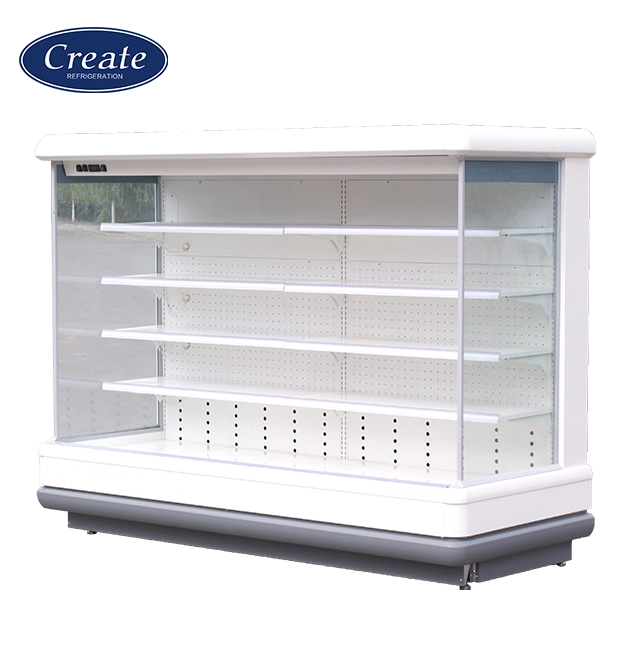
The thing that makes them different is their focus on green tech, like using R290 refrigerants and compressors with frequency control, plus putting customers first in every step. Buyers get help with layouts drawn in CAD, 3D pictures of store setups, options for OEM/ODM work, and help after the sale through stores and centers around the world. To give a clear example, their multideck refrigerated open fridge mixes great views for selling with auto defrost and LED lights, which boosts how well it runs in all sorts of retail places.
What Are the Key Takeaways Regarding Temperature Control in Refrigeration Equipment?
Temperature touches on all parts of refrigeration work, from how hard the compressor labors to making sure food stays safe. Picking the right parts wisely, designing cabinets that work efficiently, using monitoring tools in real time, and doing upkeep on a schedule all act as strong shields against uneven heat. Putting money into solid gear from proven makers builds toughness against weather changes, while also cutting energy bills and keeping systems going without breaks.
FAQ
Q1: What is the ideal ambient temperature range for commercial refrigeration equipment?
A1: Most commercial refrigeration units are designed to operate efficiently in ambient temperatures ranging from 18°C to 32°C (64°F to 90°F). Exceeding this range can compromise cooling performance unless the unit is specifically rated for higher ambient conditions.
Q2: How does temperature fluctuation affect food safety in refrigerated systems?
A2: Frequent temperature fluctuations can lead to microbial growth due to partial thawing or inadequate cooling cycles. Maintaining consistent internal temperatures is critical for preserving food safety standards.
Q3: Can refrigeration systems be optimized for high-temperature environments?
A3: Yes, by selecting climate-class-rated units with reinforced insulation, enhanced ventilation systems, variable speed compressors, and advanced controls that adapt dynamically to thermal loads.