Refrigerants go beyond simple technical aspects—they stand as the core of every commercial cooler. These elements shape cooling output, power use, and the lasting worth of the devices amid changing regulatory environments. With companies tackling higher energy prices and firmer eco-rules, choosing the correct refrigerant turns into a call that affects both quick work productivity and later rule adherence. In fact, this decision can define how well a business runs in the face of ongoing shifts in the industry.
A properly chosen refrigerant aids in cutting upkeep work, stretching device lifespan, and easing eco-effects. For those working in commercial refrigeration, such a pick is far from elective—it forms a core tactic.
What Types of Refrigerants Are Commonly Used in Commercial Coolers?
Hydrofluorocarbons (HFCs), including R-404A and R-134a, have enjoyed steady preference for their solid thermodynamic features and wide match with present compressor and evaporator builds. Such refrigerants provide steady cooling results and straightforward upkeep. Still, they bring a key weakness: elevated Global Warming Potential (GWP).
Even though they perform well, HFCs carry substantial global warming potential (GWP), which sparks rule-based cutbacks. Plenty of nations have launched reduction plans that align with the Kigali Amendment to the Montreal Protocol, and this movement pushes the sector toward fresher options step by step.
How Do Natural Hydrocarbons Like R-290 Compare in Efficiency and Safety?
Hydrocarbons like propane (R-290) and isobutane (R-600a) are building momentum because of their extremely low GWP and robust thermodynamic output. These natural substances yield better energy results—an important piece for lowering bill costs in busy commercial settings.
HCs can ignite easily, so they demand particular safety planning in how systems get put together. As a result, their use frequently gets capped by safety standards, above all in bigger setups where refrigerant amounts surpass allowed limits.
What Advantages Make CO₂ (R-744) an Emerging Leader in Sustainable Cooling?
CO₂-based setups grow common in major commercial tasks due to their fine heat shift abilities and next-to-nothing GWP. Transcritical CO₂ systems are made to operate at raised pressures, yet they deliver clear gains in eco-friendliness. Their ability to handle tough conditions while keeping impacts low draws more interest from forward-looking businesses.
Transcritical CO₂ systems see wider uptake in large commercial uses, even with steeper starting expenses.
How Does Refrigerant Selection Influence Energy Efficiency?
Power efficiency rests on a refrigerant’s skill at moving heat. Options boasting higher hidden heat holding allow improved energy shifts for each mass unit. Reduced squeeze rates also trim power draw in every cooling round, rendering them perfect for power-aware spots such as supermarkets. These qualities not only boost daily savings but also support reliable work across varied demands.
Why Must Refrigerants Be Matched to System Design for Optimal Efficiency?
System parts, including compressors, growth valves, and evaporators get crafted for particular refrigerant traits. Fitting an ongoing system with a fresh refrigerant,t minus reworking those par, ts might cause lesser output or total device breakdowns. To sidestep such pitfalls, careful matching ensures the whole setup runs at its best without unnecessary strains.
Retrofit hurdles can lessen energy upsides unless the build gets adjusted correctly for the updated refrigerant sort. This holds extra true during moves from HFCs to hydrocarbons or CO₂, where each change calls for targeted tweaks to preserve strong performance and avoid costly fixes later on.
How Does Climate Impact the Seasonal Performance of Refrigerants?
A refrigerant’s success might vary with surrounding heat. Surrounding heat influences the refrigerant loop’s output; certain kinds shine in warm conditions. Refrigerants built for transcritical loops could top others in steamy areas owing to stronger pressure-heat ties.
What Regulations Govern the Use of Refrigerants in Commercial Coolers?
The Kigali Amendment to the Montreal Protocol sets a required gradual drop for high-GWP HFCs across the globe. This move has spurred makers and commercial runners everywhere to rethink their cooling tactics and move toward low-GWP stand-ins.
How Does the U.S. SNAP Program Affect Refrigerant Choices?
The U.S. Environmental Protection Agency’s Significant New Alternatives Policy (SNAP) program takes a central role by noting suitable substitutes for ozone-depleting materials. Rule shifts shape which refrigerants may be employed or serviced lawfully in commercial devices. Keeping pace with these updates lets businesses dodge penalties and ease into compliant practices smoothly.
Why Is Certification Important for Refrigerated Equipment?
For companies after ENERGY STAR® certification or chasing eco-projects, the refrigerant pick carries weight. ENERGY STAR® certification demands low-GWP refrigerants alongside reaching power output marks. Device tags boost clarity and aid purchasers in handling rule needs handily. Ultimately, these steps foster trust and aid in meeting broader market expectations.
What Operational Factors Should Be Evaluated When Choosing a Refrigerant?
Certain refrigerants call for steadier leak spotting or special recovery instruments because of their pressure or chemical makeup. Device durability could shift due to how lubricants pair with given refrigerants. Take switching from an HFC to a hydrocarbon, for instance; it might require lubricant swaps along with gasket renewals. Such preparations keep systems humming reliably and extend their useful years.
How Can Safety Be Maintained When Using Flammable or High-pressure Refrigerants?
Handling hydrocarbons or CO₂ requires tight following of safety guidelines. Employing blast-resistant parts for hydrocarbons and pressure vent valves, plus toughened pipes for CO₂ systems, counts as non-negotiable—they form the backbone. Workers need focused training,g too, to uphold safety code adherence. Through these measures, sites remain safe, and operations proceed without major hitches.
How Are Cooler Designs Evolving with New Refrigerant Technologies?
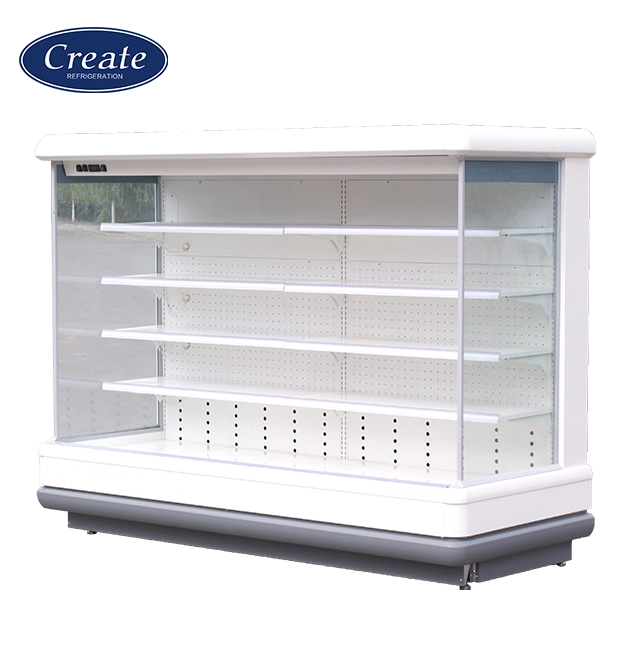
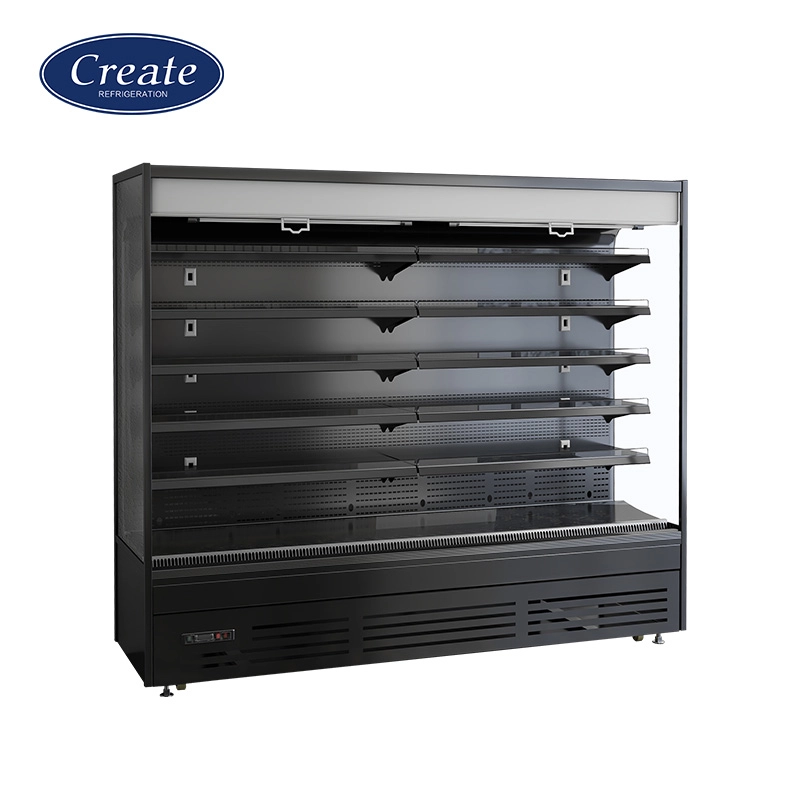
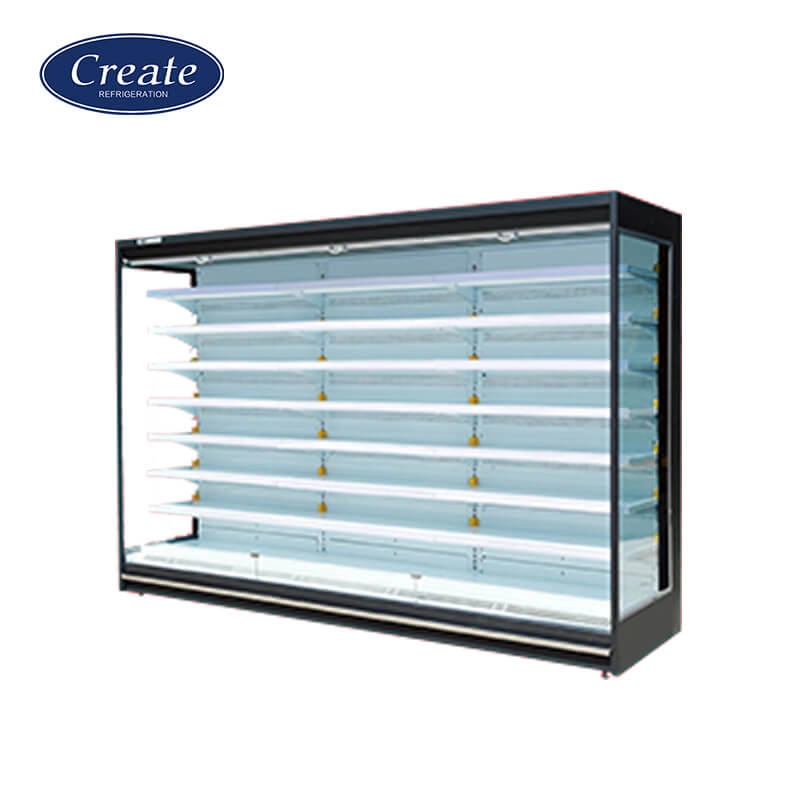
Fresh units get fine-tuned for green refrigerants using upgraded insulation goods, effective fans, and speed-varying compressors. Makers rework enclosures to heighten output with natural sorts. Consider the Supermarket Freezer Multideck Refrigerated Open Fridge; it weaves in cutting-edge air curtain setups to guarantee uniform cooling as it cuts power needs. These forward steps enhance not just efficiency but also the overall appeal for retail environments seeking modern solutions.
What Retrofit Options Are Available for Older Systems?
Three key retrofit routes stand out: direct swaps that mirror existing refrigerant features, total turnarounds needing hardware boosts, and blended paths linked to leftover system life. The choice rests on balancing costs with benefits and rule cutoffs. Each route provides practical means to update gear, drawing out value from prior spends while aligning with new standards.
Create Refrigeration: A Reliable Partner in Commercial Cooling Solutions
If your firm is steering through the change to productive, rule-following refrigeration setups, Create Refrigeration delivers tested skills matched to your wants. We supply CO₂ answers, spanning from layout to building, and create pledges to employ eco-friendly R290 refrigerants plus novel power-saving materials in items, chasing peak productivity and energy guarding, while steering a green living style. This full commitment ensures clients receive support that fits their unique paths toward sustainability and growth.
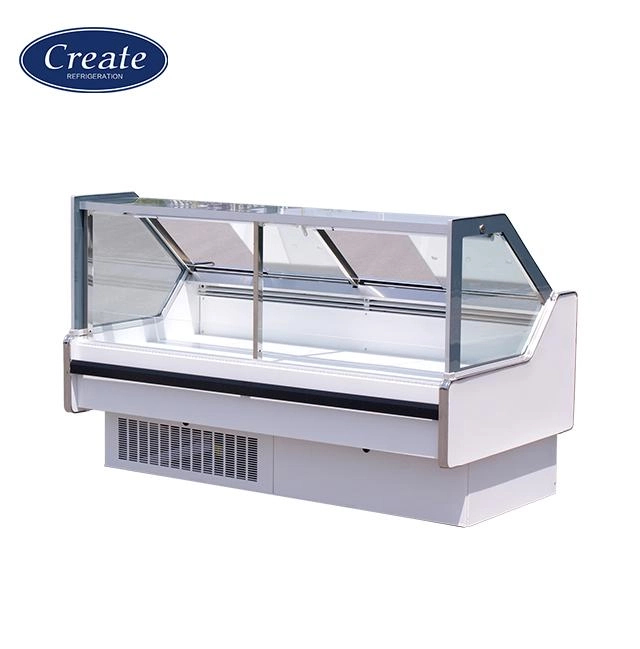
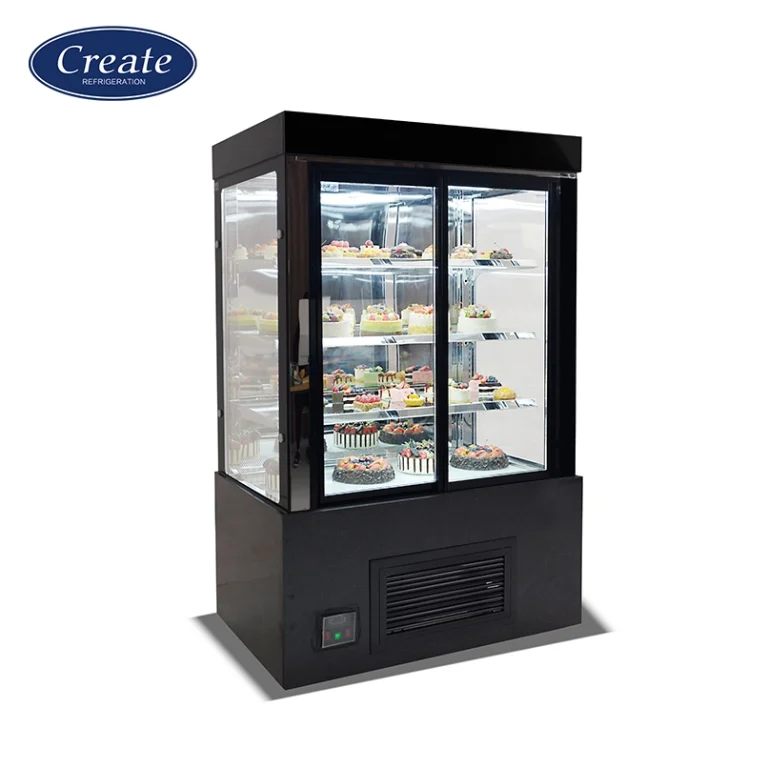
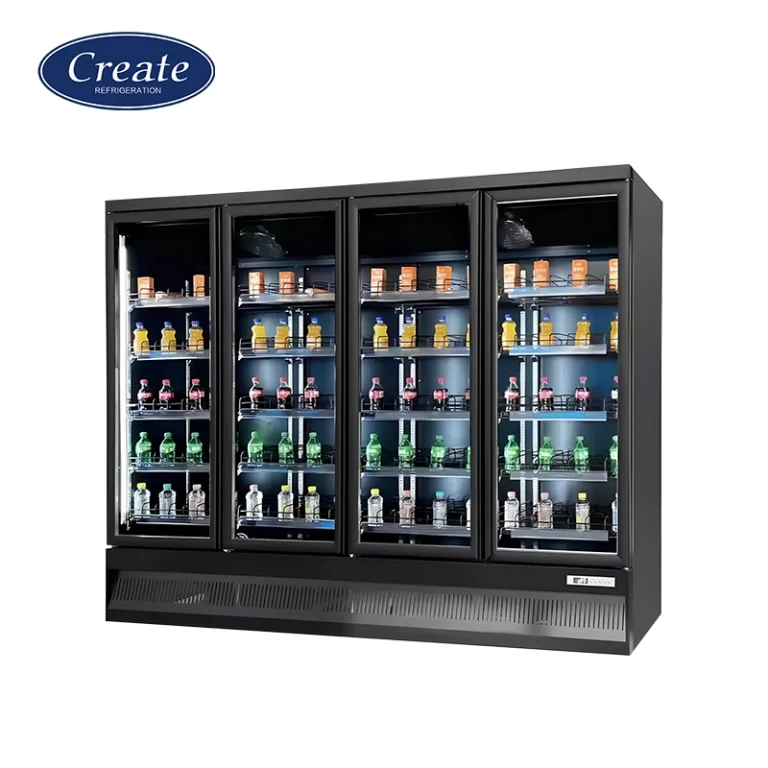
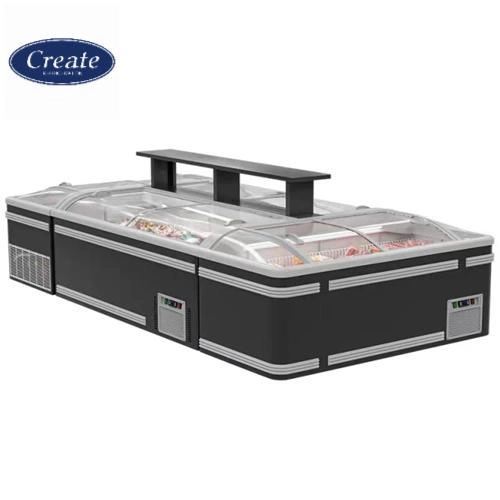
Our wide-ranging item selection spans Island Freezers, glass door coolers & freezers, open multidecks, deli showcases, self-service cases, and pastry cabinets—each crafted with low-GWP refrigerants and energy-guarding methods. From compact units to expansive displays, these offerings tackle varied commercial demands, blending durability with smart features that lower ongoing costs and boost user satisfaction.
Create Refrigeration ranks as China’s top all-in-one procurement outfit for supermarkets and building projects. It serves as a producer merging layout, building, R&D, and sales. Our OEM/ODM offerings enable allies to introduce tailored answers that sync with brand tactics while fulfilling worldwide regulatory norms like CE, ETL, ISO, and UL. In this way, we foster partnerships that drive innovation and open doors to global markets effectively.
FAQ
Q1: What is the most energy-efficient refrigerant currently used in commercial coolers?
A1: Hydrocarbons like R‑290 count among the keenest for energy output owing to their fine thermodynamic traits; yet, their handling must follow safety norms due to ignition worries, which tempers their rollout but highlights their value in suitable contexts.
Q2: Can existing commercial coolers be retrofitted with low-GWP refrigerants?
A2: Yes, numerous systems permit retrofits hinging on part matches; nevertheless, expert reviews prove necessary to safeguard output wholeness after the shift, guaranteeing the setup endures without dips in quality or added risks.
Q3: How does Create Refrigeration ensure its products meet compliance standards?
A3: Create Refrigeration crafts its devices with sanctioned low-GWP refrigerants as fitting and syncs item growth with ENERGY STAR® directives and global eco-pacts, which secures adherence and empowers clients to advance their own compliance journeys confidently.